
When Your Adult Child Takes Over Your Auto Insurance Decisions
Free to compare
When Does an Adult Child Actually Need to Get Involved?
Your adult child should step in when you ask them to, when a cognitive or physical condition makes policy management genuinely difficult, or when you've received a non-renewal notice you don't understand. Not when they assume you need help because of your age.
The trigger is usually a renewal notice with a rate increase, a lapse warning letter, or a question about whether your current coverage still makes sense for your snowbird routine. These are situations where a second opinion helps. What doesn't justify involvement: your child thinking you're paying too much because they saw an ad, or their belief that you don't need the same coverage you've carried for decades.
If your child is genuinely helping, they'll ask what you want before making changes. If they're taking over without your clear consent, that's a financial autonomy issue that goes beyond insurance.

What Adult Children Get Wrong About Snowbird Auto Insurance
Most adult children don't understand that maintaining registration in Michigan while spending winters in Florida requires specific carrier approval and policy endorsements. They assume one policy covers both states equally. It doesn't.
Michigan operates under a unique no-fault system with mandatory Personal Injury Protection that can cost $200–$400/month alone. Florida uses a tort-based system and until recently didn't require bodily injury liability at all. When your child tries to simplify your coverage by consolidating to one state, they often trigger a registration violation in the other — or worse, a coverage gap that voids your policy during a claim.
The second common mistake: assuming comprehensive coverage on a paid-off vehicle is waste. For a snowbird who stores a vehicle in Florida for six months, comprehensive covers theft, hurricane damage, flooding, falling objects, and vandalism. Dropping it to save $30/month means you're self-insuring a $12,000–$18,000 asset in a high-risk storage environment.
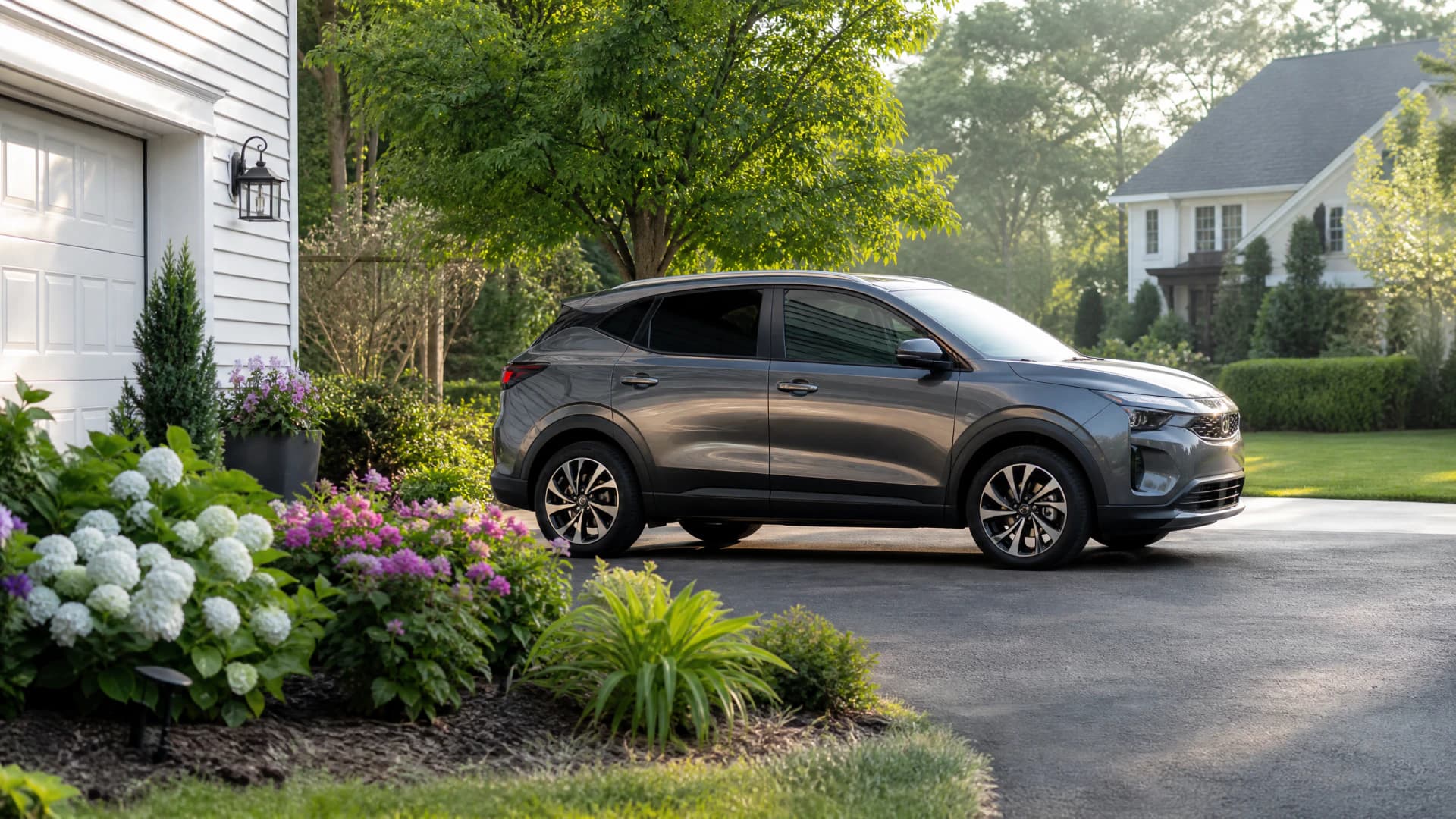

How Two-State Coverage Actually Works When Someone Else Is Managing It
You need one primary insurance policy with endorsements or declarations that acknowledge your snowbird pattern. The policy is typically written in your state of primary residence — usually where your vehicle is registered and where you spend more than six months per year.
Your carrier needs to know you're driving in Florida seasonally. Some carriers restrict this. Others require a Florida address on file and charge a surcharge for the dual-state exposure. If your adult child switches your policy to a carrier that doesn't write snowbird-friendly coverage, you may face a claim denial when an accident happens in your winter state.
Under current state requirements, Michigan mandates registration in Michigan if that's your primary residence, even if you're gone half the year. Florida requires registration if you work in Florida, establish residency for voting or tax purposes, or enroll children in Florida schools. For retirees with no Florida employment, maintaining Michigan registration and Michigan-based insurance with Florida seasonal coverage is the correct structure. Your child needs to understand this before making changes.
What Happens If Your Child Adds Your Vehicle to Their Own Policy
Adding your vehicle to your adult child's policy terminates your own policy and your claim-free discount history with your current carrier. That history doesn't transfer. You lose it.
If your child is under 30, their policy premiums are significantly higher than yours due to age-based rating. Adding your vehicle may raise their annual cost by $800–$1,400 depending on the vehicle and state. If your child lives in a different state than your primary residence, this creates registration and tax complications — your vehicle is now insured and possibly registered in a state where you don't live.
The only scenario where this makes sense: you've stopped driving entirely, you're transferring ownership of the vehicle to your child, and they live in the same state. Otherwise, you're trading your 50-year safe driver profile for their 10-year profile and paying more for less appropriate coverage.

Get Covered in Both of Your Home States
Compare Snowbird Auto Insurance Rates
How to Keep Control While Accepting Help
Give your adult child read-only access to your policy documents and permission to call your carrier on your behalf with a verbal authorization. Do not give them authority to make binding changes without your approval.
Most carriers allow you to add an authorized contact to your account — someone who can ask questions and receive information but cannot cancel coverage, change limits, or remove vehicles. This is the correct level of access for an adult child who's helping you review your options.
Before any change is made, ask your child to explain: what coverage is being removed, what the financial consequence is if you need that coverage during a claim, and how much the change actually saves per month. If they can't answer all three clearly, the change shouldn't happen.

When It's Time to Transfer Decision-Making Authority Completely
Full transfer is appropriate when a medical condition, cognitive decline, or court order makes it unsafe or impossible for you to manage your own financial affairs. This requires legal documentation — a durable power of attorney, guardianship, or conservatorship depending on your state.
Without legal authority, your adult child cannot cancel your policy, change your coverage, or speak to your carrier about claims without your explicit verbal or written consent each time. Carriers are legally prohibited from discussing your account details with unauthorized third parties, even family members.
If you're at the point where transfer is necessary, work with an elder law attorney to establish the correct legal framework. This protects both you and your child from liability and ensures your coverage decisions are made by someone with legal standing.
Questions to Ask Before Letting Your Child Make Changes
Does this change affect my ability to file a claim in Florida if I'm in an accident there during winter? Does it terminate my relationship with my current carrier and my claim-free discount? What is the actual monthly savings after the change, and what coverage am I losing to achieve it?
If your child is pushing you toward a carrier you've never heard of, ask: is this carrier admitted in both Michigan and Florida, and what is their financial strength rating? Many discount carriers don't write snowbird-friendly policies and restrict coverage to a single state.
Finally: does this feel like help, or does it feel like your child is solving a problem you didn't know you had? If your current policy is working, your rates are stable, and you understand your coverage, there may be no problem to solve.
Frequently Asked Questions
Can my son or daughter legally make changes to my auto insurance without my permission?
No. Without a durable power of attorney, guardianship, or conservatorship, your adult child has no legal authority to cancel, modify, or bind coverage on your policy. Most carriers require your explicit verbal or written consent each time a third party requests a change, even if that person is family.
Will I lose my claim-free discount if I let my child add my car to their policy?
Yes. Adding your vehicle to your child's policy terminates your own policy and ends your continuous coverage history with your current carrier. That claim-free discount doesn't transfer to your child's policy or return if you reinstate your own coverage later.
Does my Florida winter address need to appear on my Michigan auto insurance policy?
Most carriers require disclosure of your seasonal Florida address and may add it as a garaging location or secondary address. Failing to disclose it can result in a claim denial if an accident occurs in Florida and the carrier determines you misrepresented your driving pattern.
What happens if my child cancels my comprehensive coverage to save money and my car is damaged in storage?
You pay the full repair or replacement cost out of pocket. Comprehensive covers theft, vandalism, weather damage, falling objects, and animal strikes. Dropping it on a vehicle stored in Florida for six months means you're self-insuring against hurricane damage, flooding, and theft in a high-risk environment.
How do I give my adult child access to my policy information without giving them control?
Ask your carrier to add them as an authorized contact on your account. This allows them to view documents and ask questions on your behalf but prevents them from making binding changes without your approval each time.
Related Articles

When Adult Children Take Over Snowbird Auto Insurance
4/26/2026

When Your Adult Child Takes Over Auto Insurance Decisions
4/26/2026

When Adult Kids Take Over Snowbird Insurance Decisions
4/26/2026

When Your Adult Child Reviews Your Snowbird Insurance
4/26/2026

When Adult Children Take Over Snowbird Auto Insurance
4/26/2026

When Your Child Takes Over Your Snowbird Insurance
4/26/2026