
Buffalo to Florida: Auto Insurance & License Medical Review
Free to compare
What Triggers a License Medical Review for Snowbird Drivers
New York DMV initiates medical reviews for drivers over 65 based on physician reports, vision screening failures, accident involvement patterns, or renewed license applications flagged during routine processing. Florida DMV uses a similar physician-reporting system but adds law enforcement referrals and family member requests as additional triggers. If you maintain licenses in both states, either DMV can initiate a review independently — they don't coordinate.
The review notice arrives by mail at your registered address, which creates immediate problems if you're already in Florida when New York sends the letter to your Buffalo home. Most states allow 30–45 days to respond with medical documentation before automatic suspension begins. Miss that window because you didn't see the mail, and your license suspends while you're 1,300 miles from the issuing DMV office.
Carriers check license status at renewal and sometimes mid-term if a claim is filed. A suspended license triggers immediate policy cancellation in most cases, regardless of which state issued the suspension. You can't drive legally in Florida on a suspended New York license, and Florida won't issue you a replacement because you're not a resident.

How Your Auto Insurance Responds to a Medical Review Notice
Receiving a medical review notice doesn't immediately affect your insurance — carriers aren't notified when a DMV initiates a review. Your policy remains active until your license status actually changes to suspended or revoked. The problem emerges if the review concludes unfavorably while you're mid-policy term.
Most carriers run MVR checks at renewal, not continuously. If your license suspends in February and your policy renews in July, the carrier discovers the suspension at renewal and non-renews the policy. If you file a claim while your license is suspended, the carrier runs an immediate eligibility check and cancels the policy retroactive to the suspension date in most cases. That retroactive cancellation can void the claim entirely.
Some carriers offer restricted-use coverage for drivers with medical restrictions — limited mileage, daylight-only driving, or specific geographic boundaries. These policies cost 15–30% more than standard coverage but maintain continuous insurance history. You request this coverage after receiving medical restrictions from DMV, not before. Standard policies don't automatically convert to restricted-use versions.

Registration Requirements in Both States During Medical Review
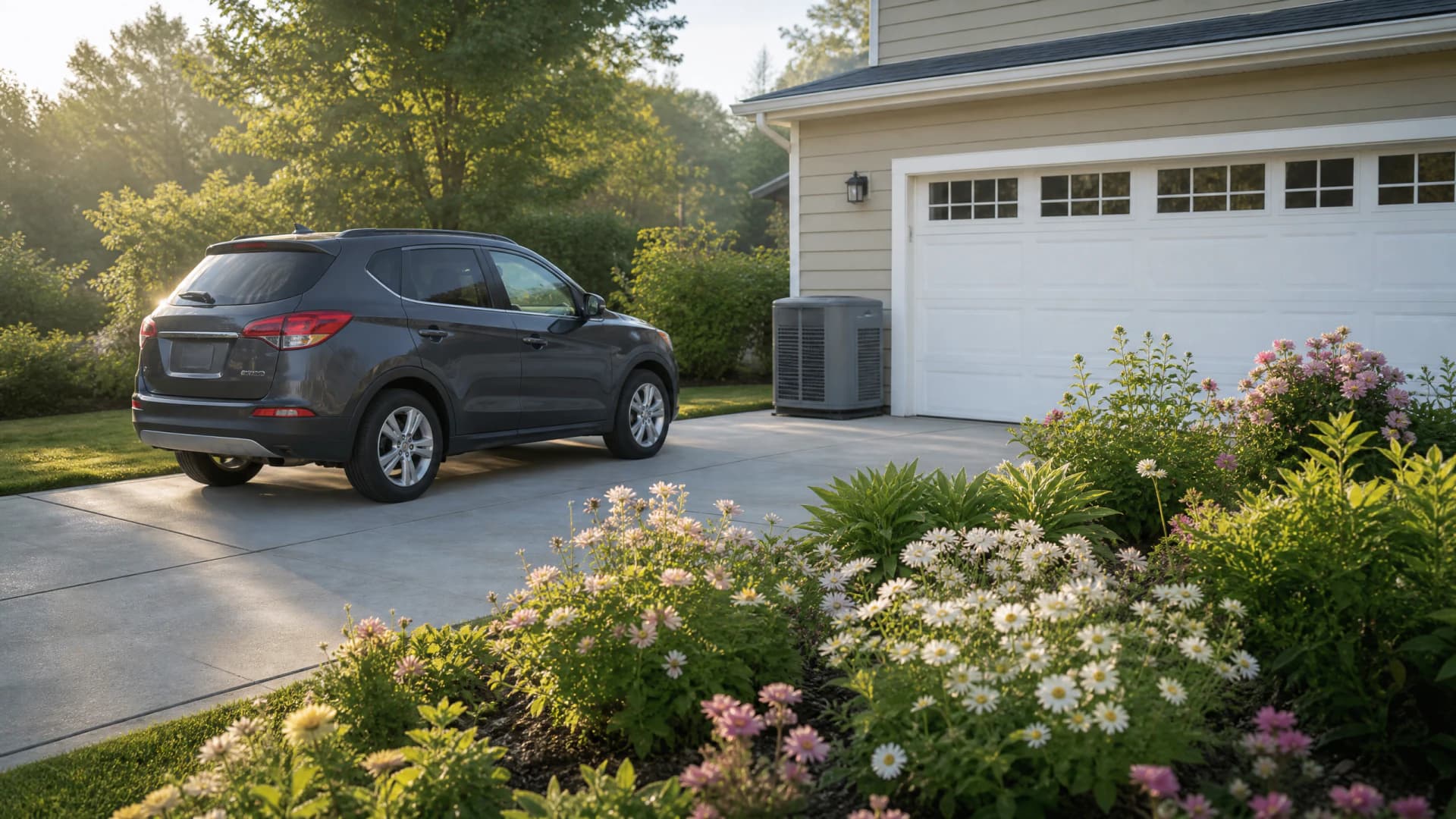
Your vehicle registration status and your license status operate independently in most states. New York doesn't cancel your vehicle registration when your license enters medical review, but you can't legally drive that vehicle yourself until the review clears. Florida allows you to maintain Florida registration on a vehicle you own even if you lose your New York license, but registration alone doesn't authorize you to drive — you still need a valid license from somewhere.
If you spend more than 6 months per year in Florida, Florida DMV considers you a resident and requires you to register the vehicle in Florida and obtain a Florida license within 30 days of establishing residency. A medical review suspension from New York doesn't exempt you from this requirement. You must resolve the New York suspension first before Florida will issue you a new license.
Some snowbirds maintain registration in both states to avoid the residency determination question entirely. This costs more — two registration fees, two sets of renewal cycles — but it preserves flexibility if your time split between states varies year to year. Carriers price policies based on the garaging address you declare, which should match where the vehicle physically parks most nights during the policy period.

Get Covered in Both of Your Home States
Compare Snowbird Auto Insurance RatesWhat Happens If You Can't Pass the Medical Review
Failing a medical review results in license suspension until you provide updated medical documentation showing the condition has improved or been managed. Some states issue restricted licenses instead — daylight-only, no-highway, or limited-radius restrictions. New York offers restricted licenses for drivers who can't meet full unrestricted standards but demonstrate safe operation under limited conditions. Florida has a similar medical review board process.
A restricted license changes your insurance situation significantly. Not all carriers write policies for restricted-license drivers — major carriers like State Farm, GEICO, and Progressive do, but expect 20–40% higher premiums compared to your previous unrestricted rate. Some carriers require you to install a telematics device to verify compliance with restrictions. Violations of license restrictions — driving at night when your license permits daylight only — void coverage for any claims that occur during the violation.
If restrictions make driving impractical for your snowbird lifestyle, you face a choice: hire drivers, rely on family members listed on your policy, or sell the vehicle. Maintaining insurance on a vehicle you're not licensed to drive yourself makes sense only if other household members will drive it. Drop coverage entirely and you lose the continuous insurance history that keeps future rates lower if your medical situation improves and you regain full license privileges later.

How to Maintain Coverage Across State Lines During Review
Most carriers allow you to list two garaging addresses on a single policy — your summer address in New York and your winter address in Florida — as long as you notify them of the seasonal address changes. Call your carrier each time you drive south in late fall and again when you return north in spring. This keeps the garaging address accurate and ensures claims are processed correctly based on where the vehicle actually parks.
Some carriers refuse to write policies for vehicles that garage in different states seasonally. They'll force you to choose one state as primary and rate the policy based on that state's requirements and risk factors. If you choose New York as primary but spend 7 months in Florida, you're misrepresenting garaging location and the carrier can deny claims discovered to have occurred in Florida.
If your New York license enters medical review, immediately notify your carrier and ask whether the pending review affects your current policy. Most carriers take no action until the review concludes. If your license suspends, ask about restricted-use coverage options before the policy cancels. Letting the policy cancel and then trying to find new coverage with a suspended license on your record costs significantly more than converting your existing policy to restricted terms.

Steps to Take When You Receive a Medical Review Notice While in Florida
Contact New York DMV immediately to confirm the review timeline and required documentation. Most medical reviews require a physician's statement on a specific DMV form, sometimes including vision test results or specialist evaluations. You can complete this documentation in Florida using a Florida physician, but the forms must be New York DMV forms, not Florida equivalents. Download the forms from the New York DMV website or have someone at your Buffalo address mail them to you in Cape Coral.
Submit the documentation within the deadline stated in the notice — typically 30 or 45 days from the notice date, not the date you actually receive it. If you're certain you'll miss the deadline because you only just received mail forwarded from your northern home, call the DMV medical review unit and request an extension based on your out-of-state location. Some DMV offices grant 15–30 day extensions for documented snowbird situations. Document the extension request in writing by following up the phone call with an email or fax.
If the review will take longer than your remaining time in Florida, consider whether you need to return to New York early to handle the review in person. Some complex medical reviews require in-person road tests or interviews that can't be completed remotely. Arrange alternative transportation for the drive home if your license suspends before you're scheduled to leave Florida. Flying home and leaving your vehicle in Florida until the review clears costs more but avoids driving on a suspended license, which adds criminal penalties to your insurance problems.
Frequently Asked Questions
Can I still drive in Florida if my New York license is under medical review?
Yes, as long as your New York license remains valid during the review process. A medical review notice itself doesn't suspend your license — only the final determination does. Once New York DMV suspends your license, you cannot legally drive in any state, including Florida, even if you have Florida registration on your vehicle.
Will my insurance cancel if I receive a medical review notice?
No, receiving a medical review notice doesn't affect your insurance. Carriers aren't notified when a review begins. Your policy cancels only if your license actually suspends and the carrier discovers the suspension, typically at renewal or during a claim. Notify your carrier immediately if your license suspends so they can offer restricted-use coverage options before canceling the policy.
What happens to my car insurance rates after a failed medical review?
If you receive a restricted license after failing a medical review, expect premiums to increase 20–40% compared to unrestricted rates. Not all carriers write policies for restricted-license drivers, so you may need to switch carriers. If your license is fully suspended with no restricted option available, you cannot obtain personal auto insurance until the suspension clears and your license is reinstated.
Do I need to register my car in Florida if my New York license is suspended?
Florida residency rules require registration within 30 days of establishing residency, regardless of your license status. However, Florida won't issue you a new Florida license while your New York license is suspended. You must resolve the New York suspension first. Registration alone doesn't authorize you to drive — you need a valid license from some state.
Related Articles

Westchester to FL: Medical Review & Snowbird Insurance
4/26/2026

Medical Review: NY to FL License & Insurance Impact
4/26/2026

Medical Review & Auto Insurance for Snowbirds (NY-FL)
4/26/2026
Rochester to FL: Insurance After a New Diagnosis
4/26/2026

FL License Medical Review After Diagnosis: Snowbirds
4/26/2026

NYC to Palm Beach: Insurance After Medical Diagnosis
4/26/2026