
Cleveland to Hilton Head SC: Mid-Season Snowbird Coverage Review
Free to compare
When South Carolina Requires You to Register and Insure Locally
South Carolina law requires you to register your vehicle and obtain SC insurance within 45 days of establishing residency or accepting employment in the state. The DMV defines residency as physical presence for more than 180 days in a calendar year, but enforcement focuses on the 90-day threshold during winter months.
Most snowbirds from Cleveland spending November through March in Hilton Head cross that 90-day mark in late January or early February. At that point, SC considers you a resident for vehicle registration purposes, regardless of where you own property or file taxes. Your Ohio registration remains valid only if you maintain your primary residence in Ohio and spend fewer than 180 days per year in South Carolina.
The confusion comes from how insurance carriers define residency versus how the state does. Your Ohio carrier may continue covering you because you list Ohio as your primary address and garaging location, but if SC law requires you to register there, your Ohio policy may not satisfy SC's proof of insurance requirements during a traffic stop or after an accident.

How Ohio and South Carolina Insurance Requirements Differ
Ohio requires minimum liability coverage of 25/50/25 (bodily injury per person/per accident, property damage). South Carolina requires 25/50/25 as well, so your Ohio policy meets SC's minimum liability thresholds on paper.
The difference appears in uninsured motorist coverage. South Carolina mandates uninsured motorist coverage at the same limits as your liability unless you reject it in writing. Ohio recommends it but doesn't mandate it. If your Ohio policy doesn't include uninsured motorist coverage and you're required to register in SC, you're technically non-compliant the moment SC residency triggers.
South Carolina also uses a fault-based system identical to Ohio's, so tort liability rules work the same way. The real issue isn't coverage type — it's whether your policy satisfies the state whose registration you're required to hold.

What Happens When Your Policy State Doesn't Match Your Registration State
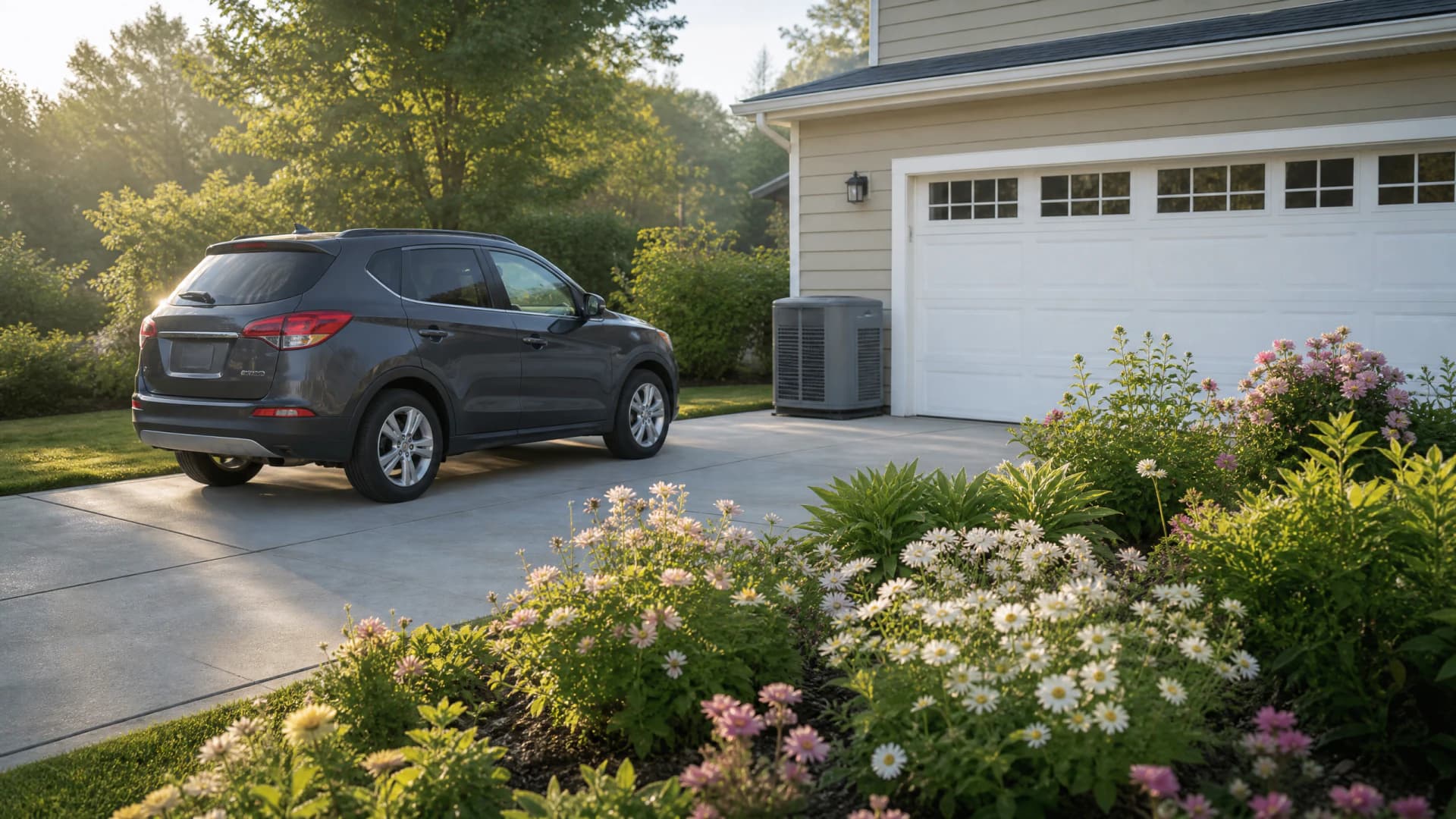
If you're legally required to register in South Carolina but maintain Ohio insurance, your carrier will pay claims under your policy terms. The problem comes during verification. SC law enforcement can cite you for failure to maintain valid SC insurance if your registration is supposed to be in SC but your insurance card shows an Ohio policy number.
After an at-fault accident, the other driver's carrier or your own may investigate whether you were properly insured under SC law at the time of the incident. If they determine you were a legal SC resident without SC registration and insurance, they can deny or reduce the claim based on policy misrepresentation about garaging location.
Most carriers ask where you garage your vehicle during the application. If you answered Ohio but actually kept the car in Hilton Head for five consecutive months, that's grounds for claim denial regardless of whether SC law required you to register there. The carrier's interpretation of garaging location matters more than your understanding of residency.

Get Covered in Both of Your Home States
Compare Snowbird Auto Insurance RatesHow to Structure Coverage for Two-State Snowbird Driving
The cleanest solution is to maintain Ohio registration and Ohio insurance if you spend fewer than 180 days per year in South Carolina. Track your exact days in each state using calendar records, utility bills, or credit card statements that show location. As long as you stay under 180 days in SC, you're not required to register there, and your Ohio policy remains valid.
If you exceed 180 days or plan to, register the vehicle in South Carolina and obtain SC insurance. You can cancel your Ohio policy or convert it to a storage/comprehensive-only policy if you keep a second vehicle in Ohio. SC registration costs $40 every two years, and SC insurance rates for seniors in Hilton Head typically run $95–$145/mo for full coverage, comparable to Cleveland rates for the same driver profile.
Some carriers offer seasonal or extended-travel endorsements that cover you in a second state for up to six months without changing your policy state. These endorsements cost $15–$40 per policy term and work well for snowbirds who stay just under the residency threshold. USAA, Auto-Owners, and Erie offer these endorsements in both Ohio and South Carolina. Progressive and State Farm typically require you to change your garaging address and recalculate rates if you spend more than 90 consecutive days in the second state.

Which Carriers Handle Snowbird Coverage Cleanly in Both States
USAA writes policies in all 50 states and allows you to update your garaging location seasonally without changing your policy state, as long as you maintain a primary residence in your home state. This works well for snowbirds who own property in both Ohio and South Carolina. USAA treats the seasonal move as temporary relocation rather than residency change.
Nationwide and Erie allow you to list a secondary garaging address in South Carolina while keeping your Ohio policy active, provided you spend fewer than 180 days per year in SC. Both carriers require you to notify them when you drive to South Carolina and when you return to Ohio, and they adjust your rate based on the garaging location during each period.
Progressive and State Farm recalculate your rate every time you change your garaging address, which means your premium will shift when you report your move to Hilton Head and again when you return to Cleveland. This creates billing complexity but ensures your rate reflects the actual location where the car is parked. If Hilton Head has lower theft or accident rates than Cleveland, your rate may drop during winter months.

What to Do Before Your Next Trip to Hilton Head
Call your current carrier and ask three questions: Does my policy cover me in South Carolina for the full winter? Do I need to report my garaging location change? Will my rate change when I drive to SC?
If your carrier says you need to change your policy state or register in South Carolina after 90 days, ask whether they offer a seasonal endorsement or temporary relocation option. If they don't, compare rates from carriers that write policies in both states and allow dual-address structures.
Document your time in each state using a calendar or mileage log. If you're ever questioned about residency by SC DMV or after an accident, records showing you spent fewer than 180 days in SC are your best defense. Keep copies of utility bills, property tax statements, and voter registration from Ohio to prove your primary residence remains there.
Frequently Asked Questions
Do I need two separate insurance policies if I own homes in Ohio and South Carolina?
No, you don't need two policies. You need one policy issued in the state where you're legally required to register your vehicle, which is usually your primary residence state. If you spend fewer than 180 days per year in South Carolina, you can maintain Ohio registration and Ohio insurance. Some carriers allow you to list a secondary garaging address in SC while keeping your Ohio policy active.
How do insurance companies know where I actually keep my car during winter?
Carriers verify garaging location through claims investigation, especially after accidents. They review credit card statements, EZ-Pass records, repair shop locations, and utility bills to determine where you actually kept the vehicle. If you reported Ohio as your garaging location but kept the car in South Carolina for five months, the carrier can deny your claim for policy misrepresentation.
Will my Ohio insurance rates go up if I tell my carrier I'm driving to Hilton Head for winter?
It depends on the carrier and how Hilton Head's theft, accident, and weather risk compare to Cleveland's. Some carriers recalculate your rate based on your reported garaging location and adjust it seasonally. Others keep your rate fixed at your primary residence location. Hilton Head typically has lower winter accident rates than Cleveland, which can reduce your premium during the months you're in SC.
What happens if I get pulled over in South Carolina with Ohio plates and Ohio insurance after spending four months there?
If you've spent more than 180 days in South Carolina in a calendar year, SC law requires you to register your vehicle there. A traffic stop won't automatically trigger a residency investigation, but if the officer asks how long you've been in the state and you answer honestly, you could be cited for driving an unregistered vehicle. SC DMV can fine you and require immediate registration and insurance compliance.
Related Articles

Cleveland to Hilton Head Insurance: Rules at 75–85
4/26/2026

Keep Two Cars or One? Snowbird Insurance Cleveland-SC
4/26/2026

Cleveland to Hilton Head: Switching Auto Insurance
4/26/2026
Cleveland to Hilton Head: Insurance Steps Before Selling
4/26/2026

Snowbird Auto Insurance: Chicago to Hilton Head Guide
4/26/2026

Split vs Full SC Residency: 5 Factors for Snowbirds
4/26/2026