
Split vs Full FL Residency: 5 Deciding Factors for Snowbirds
Free to compare
What Actually Triggers Mandatory Florida Vehicle Registration
Florida Statute 320.02 requires registration if you engage in gainful employment in Florida, enroll children in Florida public schools, or establish a Florida driver license while your vehicle remains in the state. None of these directly count calendar days.
The 183-day rule you've heard about applies to income tax domicile under IRS Publication 519, not vehicle registration. Florida uses a facts-and-circumstances test. If you obtain a Florida driver license, register to vote in Lee County, or file a Declaration of Domicile with the county clerk, Florida presumes you're a resident for registration purposes regardless of how many days you spend at your Grand Rapids property.
Most Grand Rapids snowbirds maintain Michigan registration legally by keeping their Michigan driver license, registering their car in Michigan annually, and avoiding any formal Florida domicile declarations. If your vehicle stays in Cape Coral from November through April but you fly back to Michigan twice during that span and never change your driver license, Michigan registration remains valid under Florida's reciprocity provisions for nonresidents.

How Insurance Rates Change Between Michigan and Florida Registration
Michigan snowbirds registering their vehicle in Florida see average rate increases of 15–35% compared to maintaining Michigan registration, primarily because Florida is a no-fault state requiring Personal Injury Protection coverage that Michigan recently made optional under 2019 reforms. A 68-year-old driver with a clean record paying $95/mo in Grand Rapids for liability and comprehensive typically pays $125–$145/mo for equivalent coverage registered in Cape Coral.
Florida's minimum liability requirement is just $10,000 property damage and $10,000 bodily injury per person — far lower than Michigan's current minimums. However, Florida requires $10,000 Personal Injury Protection and insurers typically quote much higher liability limits to snowbirds because Florida's aging driver population and high uninsured motorist rate create significant underinsurance risk.
If you maintain Michigan registration, your Michigan policy covers you fully while driving in Florida under the standard anywhere-in-the-US provision in every policy. The coverage follows the car, not your physical location. Your Michigan insurer cannot drop you or surcharge you for spending winters in Cape Coral as long as your vehicle remains Michigan-registered and you maintain a valid Michigan driver license and Michigan garaging address.

The Two-Car Solution: When Owning Vehicles in Both States Makes Sense
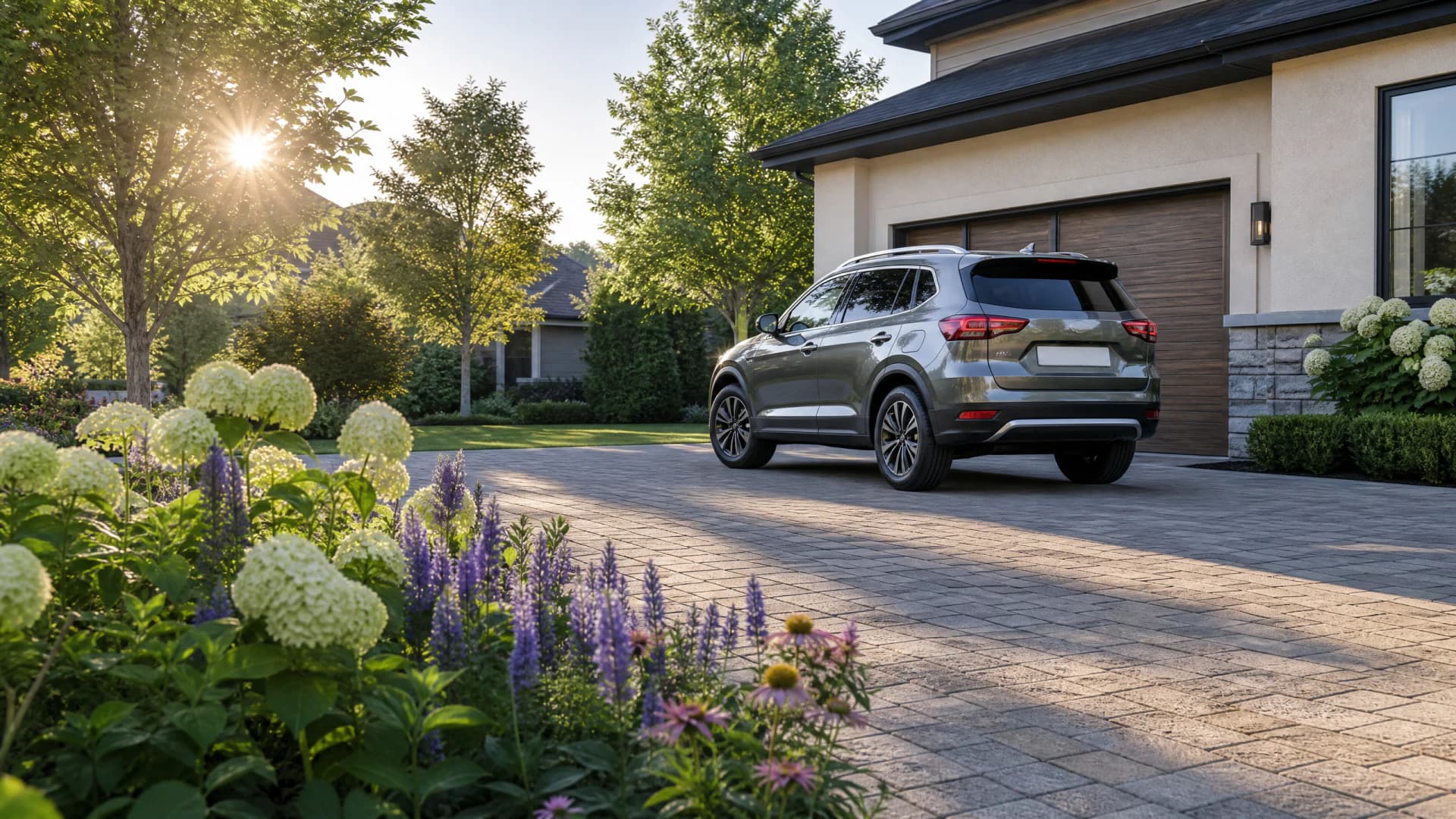
Snowbirds who purchase a second vehicle and register it in Florida while maintaining their Michigan-registered vehicle in Grand Rapids often save money compared to driving one car between states twice annually. A used Florida-registered sedan insured with liability-only coverage in Fort Myers costs $65–$85/mo for a senior driver, while keeping your Michigan vehicle registered and insured year-round in Grand Rapids adds $75–$110/mo even if you report it as pleasure-use-only during winter months.
The total cost of insuring two vehicles runs $140–$195/mo, comparable to the $125–$145/mo you'd pay registering one vehicle in Florida but without the 2,400-mile drive each direction. Maintenance costs, fuel, and tire wear on the Michigan-to-Florida drive average $850–$1,200 per round trip when calculated at IRS mileage rates.
This approach eliminates the registration question entirely. Your Michigan vehicle never enters Florida, so Michigan remains the clear state of registration. Your Florida vehicle never leaves Florida, so Florida registration is unambiguous. Each vehicle is insured in its garaged state with no gray areas about principal garaging location or residency status.

Get Covered in Both of Your Home States
Compare Snowbird Auto Insurance RatesWhat Happens to Your Michigan No-Fault Benefits in Florida
Michigan's 2019 auto insurance reform made Personal Injury Protection optional, but most Michigan seniors retained some level of PIP because Medicare doesn't cover all auto accident injuries and has a three-day inpatient requirement before covering skilled nursing facility stays after an accident. If you carry Michigan PIP and have an accident while driving in Cape Coral, your Michigan PIP pays your medical bills regardless of where treatment occurs.
Florida's PIP covers only 80% of medical expenses up to the policy limit and applies a 14-day treatment deadline — if you don't see a doctor within 14 days of the accident, PIP benefits drop from $10,000 to $2,500. Michigan PIP has no treatment deadline and covers 100% of reasonable medical expenses up to your selected limit, which can be as high as unlimited coverage if you opted out of the lower limits offered under the 2019 reforms.
Carriers writing policies for Michigan-registered vehicles owned by snowbirds sometimes add Florida PIP as an endorsement to satisfy Florida's financial responsibility law when the vehicle is in Florida, but this is not mandatory if you carry sufficient Michigan PIP. Confirm your Michigan policy includes out-of-state medical coverage and that your PIP limit exceeds Florida's $10,000 minimum if you want to avoid buying a separate Florida policy.
How Voter Registration and Driver License Address Create Presumptions
Registering to vote in Lee County or obtaining a Florida driver license with a Cape Coral address creates a legal presumption of Florida domicile that most auto insurers interpret as requiring Florida vehicle registration. Even if you spend only four months in Florida, changing your driver license triggers mandatory re-registration in Florida within 10 days under Florida Statute 322.02.
Most Grand Rapids snowbirds maintain Michigan voter registration and Michigan driver licenses specifically to avoid this issue. You can own property in Florida, spend up to six months there annually, and even file a homestead exemption on your Cape Coral property for property tax purposes without triggering vehicle registration requirements as long as you never obtain a Florida driver license or register to vote in Florida.
Some snowbirds declare Florida domicile to avoid Michigan income tax, which applies to all Michigan residents regardless of where income is earned. If you take this step, you must register your vehicle in Florida and obtain Florida insurance within 10 days of establishing your Florida driver license. Michigan insurers will cancel your Michigan policy once they learn you've changed your driver license to a Florida address, and the gap between cancellation and obtaining Florida coverage can result in a registration suspension in both states.

Which Carriers Write Policies That Cover Snowbird Situations Cleanly
State Farm, Auto-Owners, and Frankenmuth write policies for Michigan-registered vehicles with seasonal Florida use and typically do not require Florida endorsements or separate policies as long as the vehicle remains Michigan-registered and the policyholder maintains a Michigan driver license and Michigan garaging address. These carriers verify garaging location at renewal and will cancel coverage if they determine the vehicle is principally garaged in Florida despite a Michigan registration.
Progressive and GEICO quote Florida policies for snowbirds who register vehicles in Florida and typically offer multi-state discounts if you also insure a second vehicle in Michigan, but both carriers enforce strict principal garaging address rules and will decline to renew if claims data or vehicle location tracking indicates the garaging address on the policy does not match where the vehicle is actually kept overnight most of the year.
Carriers writing policies for snowbirds most commonly cancel coverage when they discover the policyholder registered to vote in Florida or changed their driver license to a Florida address while maintaining a Michigan-registered vehicle and Michigan-based policy. If you plan to declare Florida domicile, notify your Michigan insurer before changing your driver license and expect to re-register your vehicle in Florida and purchase a Florida policy within 10 days of obtaining your Florida driver license.
Frequently Asked Questions
Can I keep my Michigan car insurance if I spend 5 months in Florida every winter?
Yes, if your vehicle remains Michigan-registered, you maintain a Michigan driver license, and your Michigan address is where the vehicle is principally garaged when not in Florida. Your Michigan policy covers you fully while driving in Florida under the standard out-of-state provision in every auto policy.
Do I need to tell my Michigan insurer that I drive to Florida every winter?
Most carriers ask about seasonal address changes at application and renewal. Failing to disclose that your vehicle spends four to six months annually in Florida can result in claim denial if the insurer later discovers the vehicle was in Florida when a loss occurred and determines you misrepresented your garaging location.
What happens if I get pulled over in Florida with Michigan plates and a Michigan license?
Florida law allows nonresidents to drive vehicles registered in their home state for up to six months per calendar year without obtaining Florida registration. You must carry valid Michigan registration and proof of Michigan insurance that meets Florida's minimum coverage requirements.
Does changing my voter registration to Florida mean I have to register my car there?
Florida courts have ruled that voter registration creates a rebuttable presumption of domicile, and Florida Statute 320.02 requires residents to register vehicles within 10 days of establishing residency. Registering to vote in Florida while maintaining Michigan vehicle registration creates a legal inconsistency most insurers will not cover once discovered.
Related Articles

Split vs Full FL Residency: 5 Factors for Snowbirds
4/26/2026

Split vs Full FL Residency: 5 Snowbird Factors
4/26/2026

Split vs Full FL Residency: 5 Factors for Snowbirds
4/26/2026

Split vs Full FL Residency: 5 Factors for Snowbirds
4/26/2026

Split vs Full FL Residency: Guide for MI Snowbirds
4/26/2026

Michigan Snowbird Florida Registration Rules Explained
5/19/2026