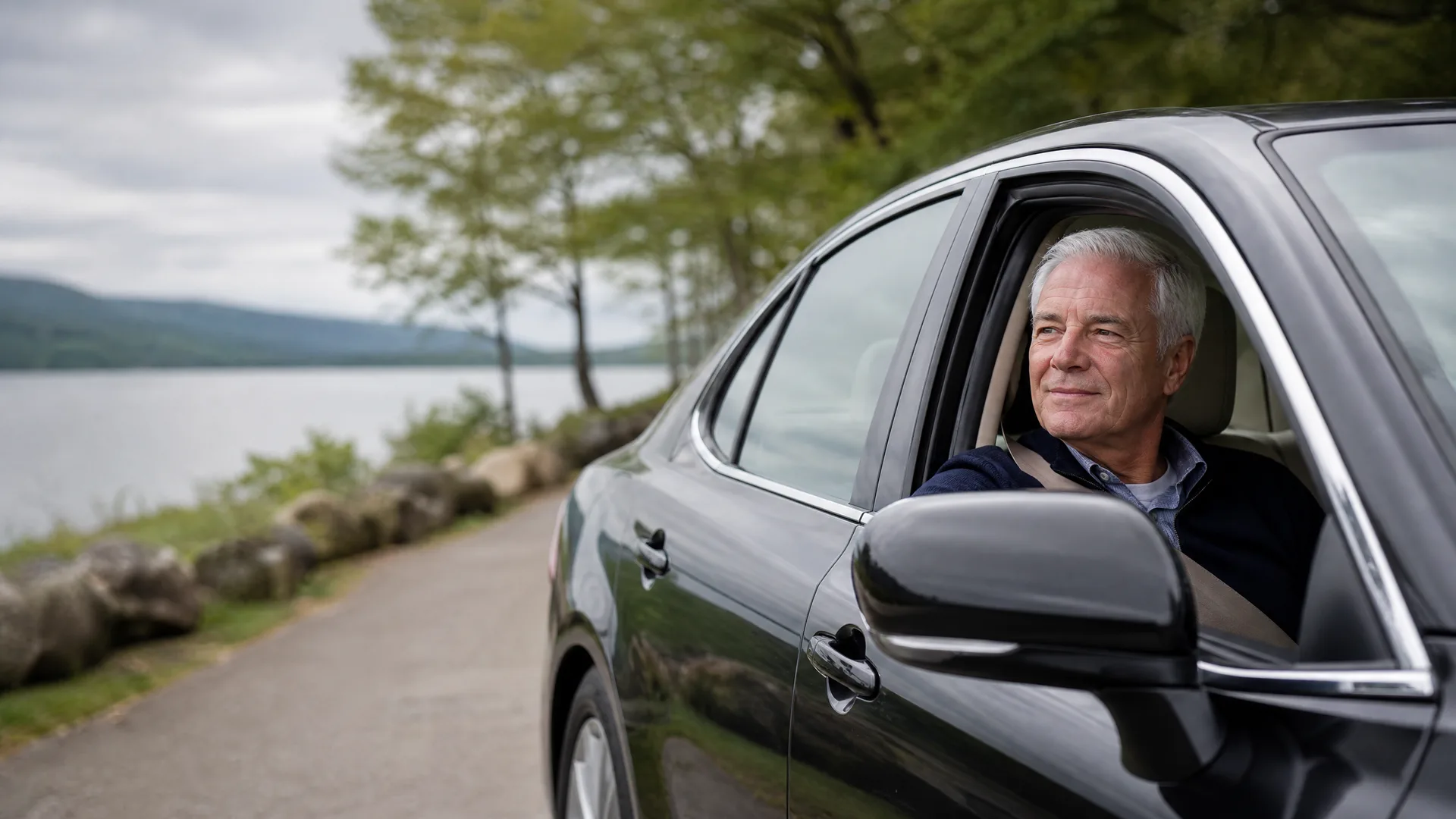
Split vs Full FL Residency: 5 Factors for Rochester Snowbirds
Free to compare
How Florida Defines Residency for Vehicle Registration (It's Not Just Days)
Florida uses a 183-day threshold to trigger vehicle registration requirements, but the clock doesn't start when you cross the state line. It starts when you establish a permanent residence — defined as owning or renting a home where you intend to return seasonally, not just visiting.
If you own property in The Villages and spend November through April there, you're over the 183-day mark. Florida expects you to register your vehicle within 10 days of establishing residency and obtain a Florida driver's license within 30 days. Missing these deadlines can result in a $500 non-moving violation per offense.
New York does not require you to surrender your registration just because you spend winters elsewhere. You can legally maintain New York registration and insurance if New York remains your permanent domicile — the place you return to and intend to keep as your primary legal residence. The conflict arises when Florida considers you a resident under their rules while you still claim New York as home.

The Homestead Exemption Trap Most Rochester Snowbirds Miss
Florida offers a homestead property tax exemption worth $25,000 to $50,000 annually for primary residents. If you claim this exemption on your Villages property, you have legally declared Florida your permanent residence.
Once you file for homestead, Florida's Department of Highway Safety expects you to register your vehicle in Florida and obtain a Florida driver's license. Claiming homestead while keeping New York tags creates a documentation conflict that surfaces during traffic stops, renewals, or insurance claims. Law enforcement and insurers cross-reference homestead records.
If you do not claim homestead and spend fewer than 183 days in Florida, you can maintain split residency cleanly. Your New York registration and insurance remain valid, and Florida treats you as a seasonal visitor. This is the most common structure for snowbirds who own in both states but consider New York their permanent home.

How Insurance Carriers Handle Two-State Snowbird Policies
Most major carriers will cover a vehicle garaged in two states seasonally, but they price the policy based on where the vehicle spends the majority of the year. If you garage in Rochester May through October and The Villages November through April, the carrier assigns risk based on whichever location represents more than six months.
Carriers require you to list both garaging addresses and update the policy when you move between them. Some require a formal address change notification each season; others allow a permanent "snowbird" notation that covers both locations automatically. Failing to update your garaging address can void coverage if a claim occurs while you're in the unlisted state.
Florida tends to be the higher-risk state for rating purposes due to higher uninsured motorist rates, weather exposure, and population density in retirement communities. Expect a 10% to 25% premium increase if Florida becomes your primary garaging location compared to upstate New York. A few carriers offer seasonal policies that prorate coverage by state, but these are rare and not available from all providers.
Get Covered in Both of Your Home States
Compare Snowbird Auto Insurance RatesWhat Happens to Your NY Registration and License After 183 Days in Florida
New York does not automatically revoke your registration or driver's license if you spend extended time out of state. You can maintain valid New York credentials indefinitely as long as New York remains your declared domicile and you renew on schedule.
Florida law penalizes you for not registering in Florida if you meet their residency definition, but New York does not penalize you for keeping your New York registration. The enforcement risk is in Florida, not New York. If stopped in Florida with New York plates after establishing Florida residency, law enforcement can issue a citation for failing to register within the required timeframe.
Some snowbirds resolve this by maintaining New York as their permanent domicile, filing taxes in New York, keeping their primary doctor and bank accounts in Rochester, and treating Florida as a seasonal second home. Under this structure, they do not meet Florida's residency test even if they spend five or six months in The Villages, because they have not established permanent residence.

Which Structure Costs Less: Split Residency or Full Florida Registration
Florida registration costs $225 to $250 for initial registration plus title transfer, then $45 to $85 annually depending on vehicle weight. New York registration costs $26 to $140 biennially depending on county and vehicle type. Florida does not charge state income tax; New York does.
If you switch to full Florida residency, you eliminate New York state income tax on retirement income, which can save $3,000 to $8,000 annually for most retirees. This savings typically outweighs the difference in registration and insurance costs unless your Florida auto insurance premium increases significantly.
For drivers keeping split residency, the cost advantage depends on where your vehicle is rated for insurance. A Rochester address with a snowbird notation to Florida usually produces a lower combined annual cost than a Villages primary address, but you forfeit the income tax savings and must maintain a New York domicile address year-round. Run the numbers on both structures before deciding: compare total annual vehicle cost (registration + insurance) plus state tax liability on your retirement income.
Frequently Asked Questions
Can I keep my New York car insurance if I spend 6 months in Florida?
Yes, if New York remains your permanent legal residence and you notify your carrier of both garaging addresses. Most carriers allow seasonal address changes, but you must update your policy when you move between states each season or add a permanent snowbird notation that covers both locations.
Do I have to register my car in Florida if I own a home in The Villages?
You must register in Florida if you establish permanent residency, defined as spending more than 183 days in-state or claiming a Florida homestead exemption. Owning property alone does not trigger the requirement if you maintain New York as your domicile and spend fewer than 183 days in Florida.
What happens if I get pulled over in Florida with New York plates?
If you are visiting or maintaining New York as your permanent residence, New York plates are legal in Florida. If you have established Florida residency and exceeded the 10-day registration grace period, law enforcement can issue a citation for failing to register, typically a $500 non-moving violation.
Does Florida car insurance cost more than New York for snowbirds?
Florida rates are typically 10% to 25% higher than upstate New York due to higher uninsured motorist rates and weather risk. The increase depends on your specific garaging location in Florida and your driving record, but most Rochester snowbirds see higher premiums if Florida becomes the primary rated address.
Can I claim homestead exemption in Florida and keep my New York driver's license?
No. Claiming Florida homestead exemption legally declares Florida as your permanent residence, which requires you to obtain a Florida driver's license within 30 days and register your vehicle in Florida within 10 days. Keeping New York credentials after filing homestead creates a legal conflict.
Related Articles
Split vs Full FL Residency: 5 Factors for Snowbirds
4/26/2026

Rochester to FL Snowbird Insurance: What Changes
4/26/2026

Split vs Full FL Residency: Snowbird Insurance Guide
4/26/2026
Split vs Full FL Residency: 5 Factors for Snowbirds
4/26/2026

Split vs Full FL Residency: 5 Factors for NY Snowbirds
4/26/2026

Split vs Full FL Residency: Snowbird Insurance Guide
4/26/2026