
Westchester to Naples Auto Insurance After 75: Two-State Rules
Free to compare
Why Your Premium Changes Differently in New York vs. Florida After 75
Florida allows age-based rate increases starting at age 70, with the steepest jumps occurring between 75 and 80. New York prohibits pure age-based pricing but permits rating based on driving record changes, claim frequency, and annual mileage — factors that often shift for drivers who reduce their northern driving after retirement.
If you maintain New York registration while spending winters in Naples, your carrier applies New York's rating rules. If you switch to Florida registration, Florida's age-tiered pricing structure governs your premium. The same driver with identical coverage and driving history can see monthly premiums differ by $65–$130 depending solely on registration state.
Most carriers won't volunteer this comparison. You need to request quotes under both registration scenarios before making a residency decision, because once you establish Florida registration and surrender New York plates, reversing that choice mid-policy term often requires re-underwriting at current age-based rates.

When Florida Law Requires You to Register and Insure There
Florida statute 320.02 requires vehicle registration in Florida if you establish residency, defined as living in the state for more than six months in any 12-month period. Once you meet that threshold, you have 10 days to register your vehicle and obtain a Florida driver license. Most snowbirds spending November through April in Naples meet the six-month test.
The registration requirement is separate from your homestead exemption status. You can claim homestead in New York for property tax purposes while still being legally required to register your vehicle in Florida if you spend more than 183 days there annually. County tax collectors in Collier County routinely cross-reference property records with vehicle registrations during traffic stops and toll booth data.
If you're stopped in Florida driving a New York-plated vehicle after establishing Florida residency, you face a $500 non-moving violation for failure to register, and your insurance claim can be denied if the carrier determines you misrepresented your garaging address. The garaging address on your policy must match where the vehicle is physically kept for the majority of the year.

How Two-State Coverage Actually Works for Snowbirds Over 75
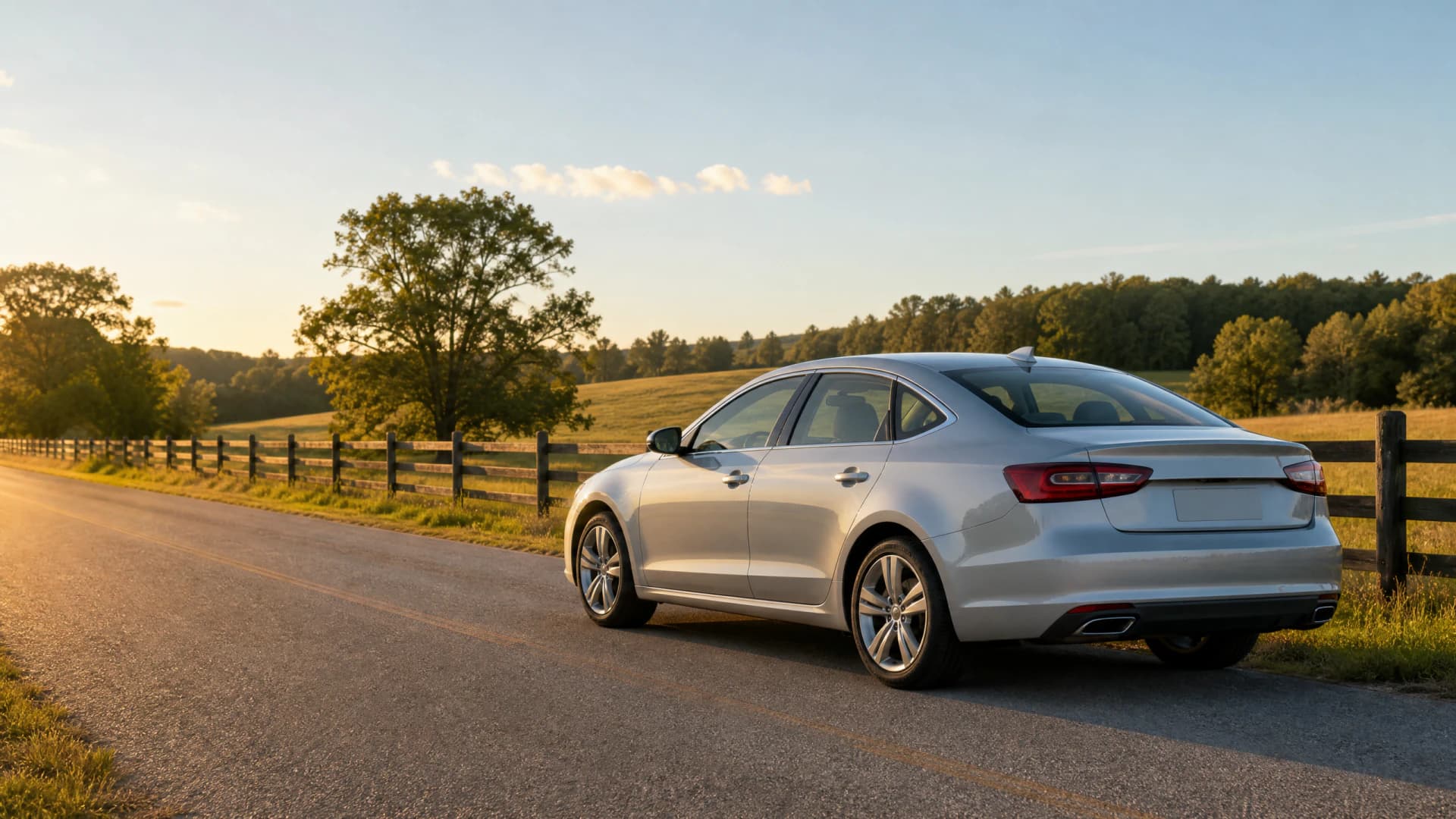
You cannot maintain active insurance policies in both states for the same vehicle simultaneously. Your policy is issued in one state — the state where the vehicle is registered and primarily garaged. That single policy provides liability coverage that meets minimum requirements in all 50 states when you drive across state lines.
If you maintain New York registration, your policy must meet New York's minimum liability limits: 25/50/10. When you drive to Florida, that coverage remains active and meets Florida's 10/20/10 minimums. If you switch to Florida registration, your policy must meet Florida's minimums, and that coverage travels with you when you drive back to New York for the summer.
The confusion arises with comprehensive and collision coverage. If your vehicle is garaged in Naples six months and Westchester six months, your carrier needs the Florida garaging address during winter months to rate your comprehensive coverage accurately. Hurricane, flooding, and theft risk in coastal Collier County differ significantly from suburban Westchester. Some carriers require a formal garaging address change twice annually; others allow a single primary address with a note that the vehicle relocates seasonally.

Get Covered in Both of Your Home States
Compare Snowbird Auto Insurance RatesWhich Mature Driver Discounts Transfer Between States
New York requires all carriers to offer a mature driver discount of at least 10% for drivers 55 and older who complete an approved defensive driving course. The discount applies for three years from course completion. Florida does not mandate mature driver discounts, but most major carriers offer them voluntarily — typically 5–15% for drivers who complete a state-approved course.
If you earned a New York mature driver discount and then switch to Florida registration, your carrier is not required to honor that discount under Florida rating rules. You must re-qualify under Florida's program, which means completing a Florida-approved course. The New York Insurance Services Office (ISO) course and Florida's DHSMV-approved courses are not automatically reciprocal.
Progressive, State Farm, and GEICO allow mature driver discounts earned in one state to transfer if you switch registration within the same policy term, but you must request the transfer explicitly and provide proof of course completion. Allstate and Travelers typically require re-qualification under the new state's program. The average senior driver who switches states mid-term without asking loses $180–$320 in annual discounts during the gap period before re-qualifying.

What Happens to Your Rate When You Turn 80 or 85 in Florida
Florida permits carriers to apply age-based rate increases at 70, 75, 80, and 85. The increase is not automatic — it depends on your carrier's filed rating plan — but most major carriers apply a 10–20% surcharge at age 80 and an additional 15–25% increase at 85, layered on top of your base premium.
If you turn 80 in February while wintering in Naples and your policy renews in June, the age-based increase applies at your June renewal regardless of whether you're back in New York by then. The increase is tied to your age on the renewal date, not your location on that date. Some carriers offer the option to offset part of the age-based increase by reducing annual mileage, adding telematics monitoring, or completing a mature driver refresher course, but these offsets must be requested before the renewal processes.
New York does not allow pure age-based increases, but carriers can and do non-renew policies for drivers 80 and older if any at-fault accident or moving violation appears on the record within the prior three years. Non-renewal is not the same as cancellation — you receive 60 days' notice and the policy remains active until expiration — but it forces you into the assigned risk pool or a high-risk carrier at significantly higher premiums than a standard voluntary market rate.

How to Structure Coverage When You Own Property in Both States
Most snowbirds over 75 should maintain registration in whichever state offers the lower combined premium for their specific profile, claim history, and age. That requires requesting bound quotes from the same carrier under both registration scenarios, with identical coverage limits and the same six-month garaging split disclosed.
If New York registration produces a lower premium despite higher liability minimums, keep New York plates and list your Florida address as a seasonal garaging location. Notify your carrier in writing each time the vehicle relocates, and confirm your comprehensive coverage rate reflects the current garaging state. If Florida registration is cheaper, complete the Florida registration process, surrender New York plates, and update your policy effective the same date you receive Florida plates to avoid any coverage gap.
Do not maintain a New York policy while secretly garaging the vehicle in Florida for more than six months. If you file a comprehensive claim in Florida while your policy lists a New York garaging address, the carrier will pull toll records, credit card statements, and utility bills to verify where you actually lived. Material misrepresentation of garaging address is grounds for claim denial and policy rescission, and it does not matter whether the misrepresentation was intentional or the result of confusion about the rules.
Frequently Asked Questions
Can I keep my New York insurance if I spend more than six months in Florida?
No. Florida law requires you to register your vehicle in Florida and obtain Florida insurance if you live there more than six months in any 12-month period. Your New York policy must list your actual garaging address, and misrepresenting that address can result in claim denial.
Will my car insurance automatically go up when I turn 80 in Florida?
Most Florida carriers apply a 10–20% age-based rate increase at age 80, but the timing depends on your policy renewal date, not your birthday. If you turn 80 in February and your policy renews in June, the increase applies at your June renewal.
Does my New York mature driver discount work in Florida if I switch registration?
Not automatically. Florida does not recognize New York's defensive driving courses for discount purposes. You must complete a Florida-approved mature driver course to qualify for the discount under Florida rating rules, even if you held the discount in New York.
What happens if I get in an accident in Florida but my car is registered in New York?
Your New York liability coverage applies and meets Florida's minimum requirements. However, if the carrier investigates and determines you've been living in Florida more than six months without changing registration, they can deny comprehensive or collision claims for garaging address misrepresentation.
How do I compare whether New York or Florida registration is cheaper for my situation?
Request bound quotes from the same carrier under both registration scenarios, with identical coverage limits and your six-month seasonal garaging pattern disclosed. The state where you register determines which age-based pricing and discount rules apply, and the difference can exceed $800 annually for drivers over 75.
Related Articles
NYC to Naples FL Auto Insurance: Ages 75, 80, 85
4/26/2026

NYC to Florida Auto Insurance: Ages 75, 80, 85 Rules
4/26/2026

When NOT to Switch from NY to FL Insurance | Snowbirds
4/26/2026

NYC to Palm Beach Senior Driver Insurance Guide
4/26/2026

Westchester to Palm Beach FL Insurance: Ages 75–85
4/26/2026

Split vs Full FL Residency: 5 Factors for Snowbirds
4/26/2026