
Iowa Car Insurance Requirements — Snowbird Coverage
Free to compare
When Your Renewal Notice Doesn't Match Where You Actually Drive
You opened your renewal notice and the premium stayed flat, your garaging address still shows your Iowa home, and nothing in the paperwork asks where you spent the last six months. Most snowbirds assume their Iowa policy covers them in Arizona or Florida automatically because the carrier took their premium without questions. That assumption breaks the moment you file a claim in your winter state and the adjuster asks how many days you've been there.
Iowa law sets minimum liability requirements every driver must carry: $20,000 per person for bodily injury, $40,000 per accident, and $15,000 for property damage. Those minimums follow your vehicle regardless of which state you're driving in. The coverage trap isn't the Iowa minimums themselves—it's that your policy was rated, underwritten, and priced based on Iowa as your primary garaging location, and spending half the year elsewhere changes the risk profile your premium was built on.
“Your policy was rated for Iowa risk; spending half the year elsewhere changes the profile your premium was built on.”

Get Covered in Both of Your Home States
Compare Snowbird Auto Insurance Rates$20,000
Iowa Bodily Injury Minimum Per Person
Iowa Code requires $20,000 per person, $40,000 per accident bodily injury liability, and $15,000 property damage as the legal floor. Snowbirds carrying only the minimum face serious exposure in states where medical costs and uninsured-motorist rates run higher than Iowa's 11.4%.
Iowa Code Chapter 321A (Financial Liability Coverage)
What Iowa Minimums Actually Cover in a Two-State Driving Pattern
Iowa's $20,000 per person bodily injury limit is the amount your liability coverage will pay to one injured person in an at-fault accident. The $40,000 per accident cap is the total your policy pays when multiple people are injured. The $15,000 property damage limit covers the other driver's vehicle and any property you damage. These are the amounts required by Iowa statute to legally register and drive your vehicle.
When you drive in Arizona, Florida, or Texas for six months, Iowa's minimums still apply because your policy is an Iowa policy. The confusion arises because your winter state has its own minimum requirements, and if those minimums are higher than Iowa's, you're underinsured by that state's standard even though you're legal under Iowa law. Arizona requires $25,000 per person; Florida requires $10,000 property damage and personal injury protection instead of traditional liability. Your Iowa policy meets Iowa's law but may not meet the functional coverage need when you're driving in a state with different fault rules and higher uninsured-motorist rates.
The structural problem is garaging address. Your carrier rated your premium based on Iowa loss history, Iowa theft rates, Iowa weather patterns, and Iowa uninsured-motorist exposure at 11.4%. When you spend November through April in a state with higher theft rates, different weather risks, and a 26.7% uninsured-motorist rate, the risk profile your premium was calculated against no longer matches where the vehicle is actually parked and driven. Most carriers will not re-rate mid-term, and most renewal notices do not ask you to update your garaging location unless you proactively report it.
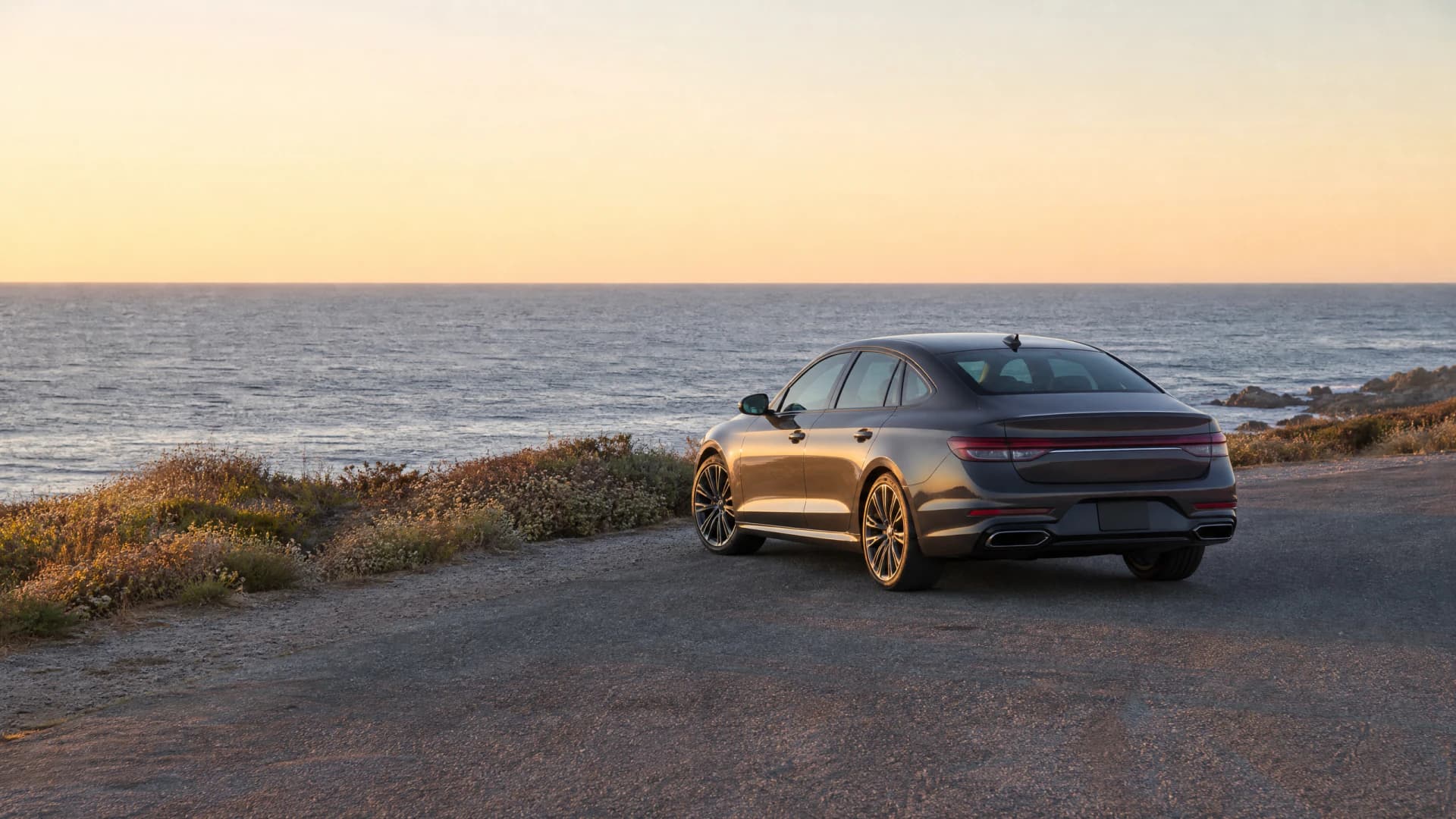
Your policy's garaging address determines the rating factors your premium is built on. Spending half the year in another state without updating that address creates a mismatch carriers can cite to deny claims or rescind coverage.
Related Articles

Idaho Car Insurance Requirements
7/13/2026
Iowa Snowbird Not Disclosing Arizona Time? Here's Why
5/19/2026

Iowa Snowbird in Texas: Nondisclosure Consequences
5/19/2026

Oklahoma Car Insurance Requirements
7/13/2026
Wintering in Florida: Illinois Auto Insurance Changes
5/19/2026
Connecticut Car Insurance Requirements
7/13/2026

Registration and Insurance Coordination Across State Lines
Iowa does not require you to re-register your vehicle in your winter state as long as you maintain Iowa as your legal domicile. Your Iowa registration remains valid while you're out of state. The winter state's rules are what create the trap. Arizona requires registration within 30 days of establishing residency; Florida uses a 183-day threshold. If you spend more than the threshold in your winter state, that state considers you a resident for registration purposes even if Iowa still considers you an Iowa resident for tax and voting purposes.
Your insurance policy must match your registration state in most cases. If you register in Arizona because you've triggered their residency rule, your Iowa policy may no longer be valid—you need an Arizona policy tied to the Arizona registration. If you keep your Iowa registration and Iowa policy but spend seven months in Arizona, you've likely violated Arizona's registration requirement and your Iowa carrier can argue you misrepresented your garaging location. The failure mode most snowbirds hit: they keep Iowa registration and Iowa insurance, spend half the year in Florida, file a claim in Florida, and the adjuster discovers the vehicle has been garaged in Florida longer than the policy disclosed.
The cleanest path is to declare your pattern to your carrier before the winter migration. Ask explicitly whether your current policy covers both states, what documentation the carrier needs, and whether your premium will change. If your carrier does not write in your winter state or refuses to cover a split pattern, you need a carrier that operates in both states and offers snowbird or seasonal coverage. State Farm, GEICO, Progressive, Nationwide, and Travelers all write policies in Iowa and the major Sun Belt states; not all offer snowbird-specific products, but all can structure a policy that covers declared two-state use when you disclose it upfront.
11.4%
Iowa Uninsured Motorist Rate
Iowa's uninsured-motorist rate is 11.4%, lower than most Sun Belt states. Snowbirds spending winters in states with rates above 20% face higher collision risk with uninsured drivers, making uninsured motorist coverage a structural necessity rather than an optional add-on.
Insurance Research Council, Uninsured Motorists 2023 Edition
Liability Limits and Retirement Asset Exposure
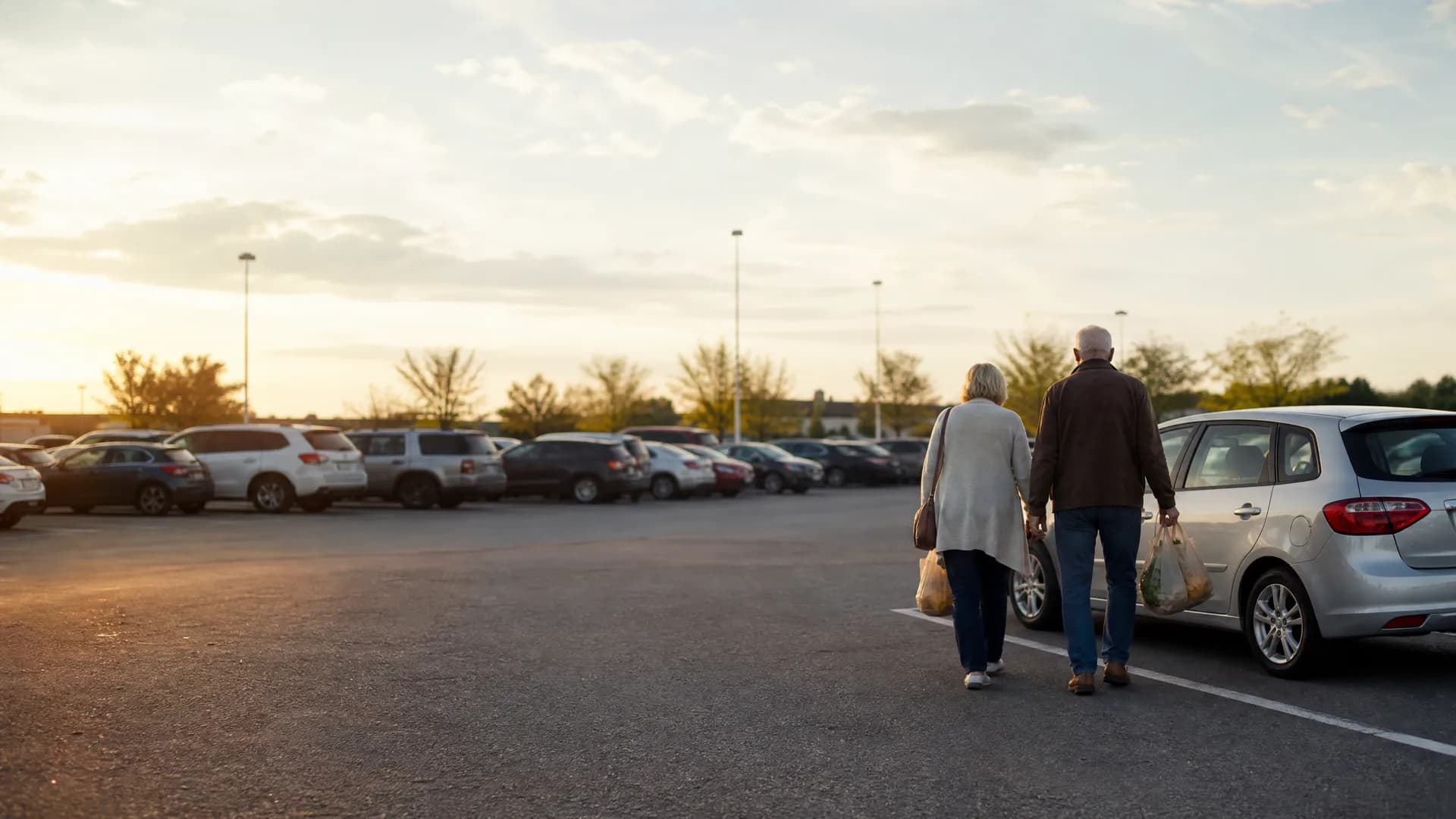
Iowa's $20,000 per person bodily injury minimum was set decades ago and has not kept pace with medical costs or the asset exposure retirees face. If you cause an at-fault accident and injure someone seriously, $20,000 will not cover a hospital stay, surgery, and rehabilitation. The injured party can sue you personally for the difference between your policy limit and their actual damages. Your retirement savings, your home equity, and any other assets are exposed in that lawsuit.
Snowbirds often carry paid-off vehicles, own property in two states, and have retirement accounts that represent decades of savings. Carrying only Iowa's minimum liability limits leaves all of that exposed. The standard recommendation for retirees with assets to protect is $100,000 per person and $300,000 per accident bodily injury liability, plus $100,000 property damage. That level of liability coverage costs more than the minimum, but the incremental premium is small relative to the asset protection it provides.
Comprehensive Coverage and Theft Risk in Two States
Iowa's vehicle theft rate is 137.1 per 100,000 population. Arizona's rate is higher; so is Florida's and Texas's. When you park your vehicle in a higher-theft state for six months, your theft risk increases even if your policy still shows an Iowa garaging address. Comprehensive coverage pays for theft, vandalism, weather damage, and animal strikes regardless of fault. It's the coverage that responds when your vehicle is stolen from a Florida parking lot or damaged by a hailstorm in Arizona.
If your vehicle is paid off, the decision to carry comprehensive is a judgment call based on the vehicle's value and your ability to replace it out of pocket. If your vehicle is financed or leased, your lender requires comprehensive. For snowbirds, the theft and weather risk in the winter state often justifies comprehensive even on an older paid-off vehicle, because replacing a vehicle while you're 1,200 miles from home is expensive and disruptive in ways the premium cost is not.

Next Step: Verify Your Policy Covers Your Actual Driving Pattern
Call your current carrier or agent and ask three specific questions: does my policy cover me when I spend six months in [your winter state], do I need to update my garaging address or provide travel dates, and will my premium change if I report the two-state pattern. If your carrier cannot give you clear answers or tells you the policy does not cover extended out-of-state use, request quotes from carriers that write in both Iowa and your winter state. State Farm, GEICO, Progressive, and Nationwide all operate in Iowa and the major snowbird destinations; compare their snowbird or seasonal policy options and confirm in writing that the policy covers both locations before you bind coverage.
How Snowbird Garaging Rules Actually Work
If you spend exactly six months in Iowa and six months in Arizona, neither state is clearly more than half. Some carriers treat your primary residence—the address on your driver license—as the garaging location by default. Others require you to declare which state you consider primary and rate the policy accordingly. A few carriers offer seasonal or snowbird-specific policies that adjust coverage and rating based on declared travel dates, but these are not standard products and not offered by all writers.
The documentation most carriers require when you report a two-state pattern: your winter address, the dates you'll be at each location, and confirmation that the vehicle travels with you rather than staying garaged in Iowa. Some carriers will re-rate the policy to the higher-risk state and apply that state's rating factors year-round. Others will refuse to write the policy at all if the winter state is outside their underwriting footprint. A handful of carriers—GEICO, Progressive, State Farm, and Nationwide among them—write in both Iowa and most Sun Belt states and can structure the policy to cover both locations, but you must disclose the pattern at quote time or renewal.
Get Your Free Quote
Compare Snowbird Auto Insurance RatesFrequently Asked Questions
Do I need separate insurance policies for Iowa and my winter state?
No, you do not need two separate policies. You need one policy from a carrier that writes in both states and agrees to cover your declared two-state driving pattern. Most major carriers writing in Iowa also write in Sun Belt states, but not all offer snowbird-specific products. Disclose your travel pattern at quote time and confirm the policy covers both locations in writing.
Does Iowa require uninsured motorist coverage?
No. Iowa does not require uninsured motorist coverage, but 11.4% of Iowa drivers are uninsured and rates in most Sun Belt states are higher. If you spend winters in a state with a 20% or higher uninsured rate, uninsured motorist coverage is a structural necessity to protect you when an at-fault driver has no insurance to pay your claim.
Can I keep my Iowa registration if I spend six months in Florida?
Iowa allows you to keep your Iowa registration as long as Iowa remains your legal domicile. Florida requires registration after 183 days of residency. If you spend exactly six months in Florida you are under the threshold, but if you exceed it Florida considers you a resident and requires Florida registration. Your insurance must match your registration state in most cases.
Will my premium increase if I report my snowbird pattern to my carrier?
It depends on your winter state's rating factors. If your winter state has higher theft rates, more uninsured drivers, or higher claim frequency than Iowa, your premium will likely increase because the carrier re-rates the policy to reflect the higher-risk location. Some carriers rate to the higher-risk state year-round; others prorate based on time spent in each state.
What happens if I file a claim in my winter state and my carrier discovers I never reported the two-state pattern?
Your carrier can deny the claim on the basis that you misrepresented your garaging location, or rescind the policy entirely if the misrepresentation is material. The adjuster will ask how long the vehicle has been in the winter state, and if your answer conflicts with the garaging address on your policy, the claim is at risk. Reporting your pattern upfront avoids this failure mode.
Do Iowa's minimum liability limits apply when I'm driving in another state?
Yes. Your Iowa policy's liability limits travel with you. Iowa requires $20,000 per person, $40,000 per accident bodily injury, and $15,000 property damage. Those limits apply regardless of which state you're driving in. If your winter state requires higher minimums, your Iowa policy may not meet that state's standard even though it's legal under Iowa law.
Which carriers write snowbird policies covering both Iowa and Sun Belt states?
State Farm, GEICO, Progressive, Nationwide, and Travelers all write in Iowa and the major snowbird destinations including Arizona, Florida, and Texas. Not all offer snowbird-specific seasonal products, but all can structure a standard policy to cover declared two-state use when you disclose your travel pattern at quote time. Compare quotes and confirm coverage in writing before binding.