
When NOT to Move Insurance from Chicago North Shore to Naples
Free to compare
The Six-Month Rule Nobody Explains Correctly
Florida requires you to register your vehicle within 10 days of establishing residency, and residency triggers after spending more than 183 days in any 12-month period in the state. That much appears on every DMV website. What those sites do not tell you: the 183-day clock starts from your first arrival date in a rolling 12-month window, not the calendar year, and Florida counts partial days as full days for this calculation.
If you arrive in Naples on November 15 and leave April 10, you have spent 147 days in Florida. You are not a resident. But if you arrive November 1 and leave April 20, you have crossed the 183-day threshold and triggered mandatory registration. Most snowbirds track calendar months, not the actual day count, and discover the residency trigger only after a traffic stop or insurance claim.
The registration requirement and the insurance decision are separate. You can be required to register in Florida while your Illinois policy still covers you legally. But once you register the vehicle in Florida, most Illinois carriers will require you to move the policy to a Florida-based policy within 30 to 60 days or they will non-renew you at the next term.

When Illinois Title Holds Block a Clean Move
If your vehicle has an outstanding loan or lease with an Illinois-based lender, the title lists Illinois as the primary state. Many lenders — particularly credit unions and regional banks serving the Chicago North Shore — require the vehicle to remain registered in Illinois until the lien is satisfied. Moving registration to Florida without lender approval violates the title agreement and can trigger an acceleration clause.
You can sometimes request a lien transfer to Florida, but the process takes 45 to 90 days and requires the lender to file updated paperwork with the Florida DMV. During that window, you are in registration limbo. If you need coverage immediately, keeping the Illinois registration and Illinois-based policy is often the only compliant path.
This scenario hits hardest when you finance a vehicle in your final working years and plan to retire to Florida within the loan term. The lender will not care about your snowbird timeline. The title stays in Illinois until the balance clears or the lien transfer completes.

Multi-Car Households Where One Spouse Stays North Longer
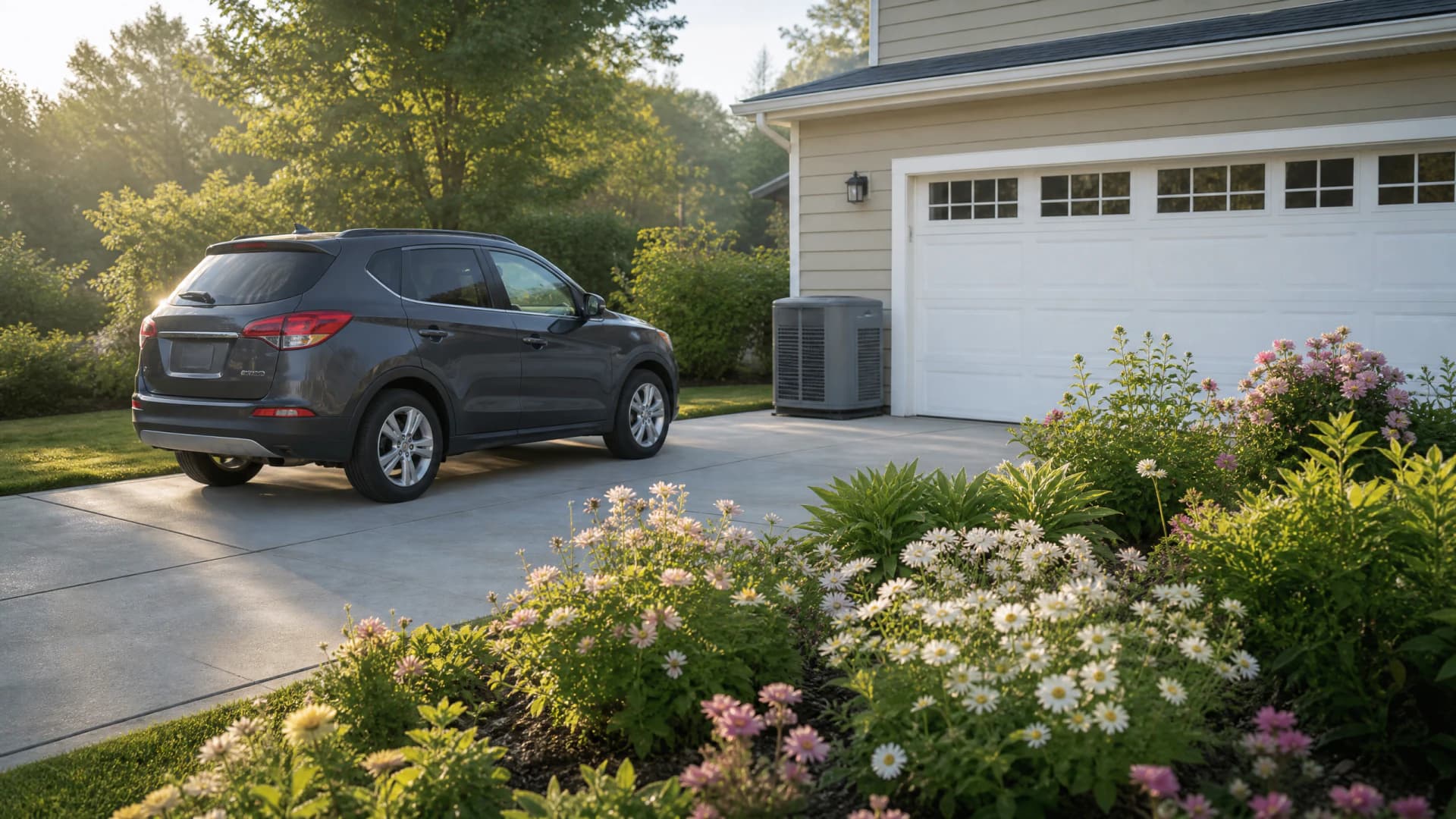
If you own two vehicles and you spend November through April in Naples while your spouse stays in Wilmette until May, you face a split-household registration problem. One driver meets the Florida residency threshold. The other does not. Most carriers will not write a single policy covering vehicles registered in two different states under two different primary drivers.
The typical solution: maintain Illinois registration and Illinois insurance for both vehicles, list both drivers on the policy, and add Florida as a seasonal garaging location. This works as long as neither driver crosses the 183-day threshold in Florida. If one driver does cross that line, you will need to split the policy — one vehicle on a Florida policy for the driver who qualifies as a resident, one vehicle remaining on the Illinois policy for the driver who does not.
Splitting policies mid-term costs more than maintaining a single household policy. Expect to lose multi-car discounts, and each policy will carry its own liability limits and deductibles. For couples arriving and leaving Florida on different schedules, the registration decision is not a one-time event — it is an annual recalculation based on who spends how many days where.
When Florida Rates Actually Cost More Than Keeping Illinois Coverage
Florida average auto insurance rates run $2,560 per year for full coverage, compared to Illinois rates averaging $1,640 per year for comparable coverage. That gap is wider in high-theft areas like Naples and Marco Island, where comprehensive claims for vehicle break-ins and hurricane damage push premiums higher. If you are over 70, Florida carriers also apply age-based rate increases earlier and more aggressively than Illinois carriers.
Illinois allows you to maintain registration and insurance as long as you own property in the state and spend at least one day per year there. If your North Shore home remains your legal domicile and you spend 5 months in Florida rather than 6, keeping Illinois registration saves you an average of $920 per year on identical coverage. The decision is financial, not just regulatory.
Before moving your policy, request binding quotes from Florida carriers for your actual Naples or Marco Island ZIP code. Use your real age, your real vehicle, and your real driving record. Compare the Florida quote to your current Illinois renewal premium. If the Florida quote is higher and you can legally avoid the residency trigger, staying on Illinois insurance is the better financial outcome.

Get Covered in Both of Your Home States
Compare Snowbird Auto Insurance Rates
The Coverage Gap Between Canceling Illinois and Activating Florida
Most carriers require 10 to 15 days advance notice to cancel an existing policy. Florida carriers require proof of prior insurance before binding a new policy. If you cancel your Illinois policy on March 1 with the intent to activate a Florida policy the same day, but the Florida carrier delays binding because they are waiting on your Illinois loss history or VIN verification, you have created a coverage gap.
Any lapse in coverage — even one day — allows your new Florida carrier to surcharge you or decline to offer you their best rate tier. Florida applies a continuous coverage requirement aggressively. A gap also jeopardizes your Illinois good driver discount history if you later need to move back to an Illinois policy after selling the Florida property.
The correct sequence: bind the Florida policy with a future effective date, confirm the policy is active and the ID cards are issued, then cancel the Illinois policy effective the same date the Florida policy starts. Never cancel first and bind second. The risk is entirely yours, and carriers will not backdate coverage to close a gap you created.

When Adult Children Still Listed on Your Illinois Policy Complicate the Move
If your adult child lives in Evanston or Chicago and is listed as a driver on your Illinois policy, moving your vehicle registration to Florida does not remove them from the policy. Most carriers will not allow a policy to cover drivers with different primary residences in two states unless those drivers live in the same household.
You have three options: remove the adult child from the policy entirely, which eliminates their coverage when they borrow your vehicle during summer visits; move your vehicle to a Florida policy and have your child obtain their own Illinois policy, which costs significantly more than staying on a parent's multi-driver policy; or maintain Illinois registration for your vehicle and keep the family policy intact.
The third option is least disruptive and often least expensive, but it requires you to avoid crossing the Florida residency threshold. If your adult child depends on your policy for coverage and you cannot afford to fund a separate Illinois policy for them, the snowbird insurance decision is no longer just about your own residence — it is constrained by your family structure.
Hurricane Evacuation and Temporary Relocation Timing
If you evacuate Naples or Marco Island ahead of a named hurricane and return to your North Shore home for 4 to 6 weeks during peak storm season, that evacuation period counts toward your Illinois presence and against your Florida day count for residency determination. Florida does not pause the residency clock for disaster evacuations.
Some snowbirds use hurricane season strategically: they leave Florida in early September, spend 8 to 10 weeks in Illinois, and return to Florida in late November. This pattern keeps them under the 183-day threshold while avoiding the hurricane window entirely. If this describes your routine, moving to Florida registration eliminates that flexibility. Once you are a Florida resident, your registration and insurance are locked to Florida regardless of how much time you spend elsewhere.
Maintaining Illinois registration preserves your ability to adjust your travel dates year to year without triggering mandatory re-registration. If 2026 brings an active hurricane forecast and you decide to stay north through October, your Illinois policy and registration remain unaffected. A Florida-registered vehicle requires Florida insurance every day of the year, even if the vehicle is parked in Kenilworth for three months.
Frequently Asked Questions
Can I keep my Illinois auto insurance if I own a condo in Naples?
Yes, as long as you spend fewer than 183 days per year in Florida and maintain property in Illinois. Illinois allows you to keep registration and insurance if Illinois remains your legal domicile. Once you cross the 183-day threshold in Florida, you become a Florida resident and must register and insure there within 10 days.
What happens if I register my car in Florida but my spouse stays in Illinois longer?
Most carriers will not write a single policy covering vehicles registered in two states with drivers who have different primary residences. You will need to split into two separate policies — one Florida policy for the vehicle and driver meeting residency, one Illinois policy for the vehicle and driver remaining in Illinois. This eliminates multi-car discounts and raises your combined premium.
Do I have to tell my Illinois insurance company I spend winters in Florida?
Yes. Your policy requires you to report any change in garaging location. List your Naples or Marco Island address as a seasonal garaging location. Failing to disclose this can result in a denied claim if your vehicle is damaged or stolen while parked in Florida and the carrier discovers the vehicle was not at the Illinois address listed on your policy.
Will moving my car insurance from Illinois to Florida raise my rates?
In most cases, yes. Florida average auto insurance rates run $2,560 per year for full coverage compared to Illinois average rates of $1,640 per year. Naples and Marco Island ZIP codes typically cost more than the Florida state average due to higher theft and hurricane-related comprehensive claims. Request a binding Florida quote before making the move.
How do I avoid a coverage gap when switching from Illinois to Florida insurance?
Bind your Florida policy with a future effective date, confirm the policy is active and ID cards are issued, then cancel your Illinois policy effective the same date the Florida policy starts. Never cancel your existing policy before the new policy is confirmed active. Any lapse in coverage allows Florida carriers to surcharge you or move you to a higher rate tier.
Related Articles

North Shore to Naples: When to Switch Your Auto Policy
4/26/2026

Illinois to Florida Auto Insurance at 75, 80, 85
4/26/2026

Naples Snowbird Insurance Costs Chicago Retirees Miss
4/26/2026

Chicago to Naples Snowbird: Keep Two Cars or One?
4/26/2026

Keep Two Cars or One? Chicago to Naples Snowbird Guide
4/26/2026

Wintering in Florida: Illinois Auto Insurance Changes
5/19/2026