What Affects Rates in Tampa
- Florida law requires vehicle registration if you remain in the state more than 183 days in a 12-month period or if you establish a permanent residence. This 183-day threshold is strictly enforced and counts cumulative days, not consecutive stays. Most snowbirds spending November through April in Tampa exceed this limit and must register in Florida, which triggers a mandatory insurance policy issued in Florida. Your northern state may allow you to maintain registration there if you spend fewer than six months in Florida, but the Florida 183-day rule governs whether Florida requires registration regardless of what your home state permits.
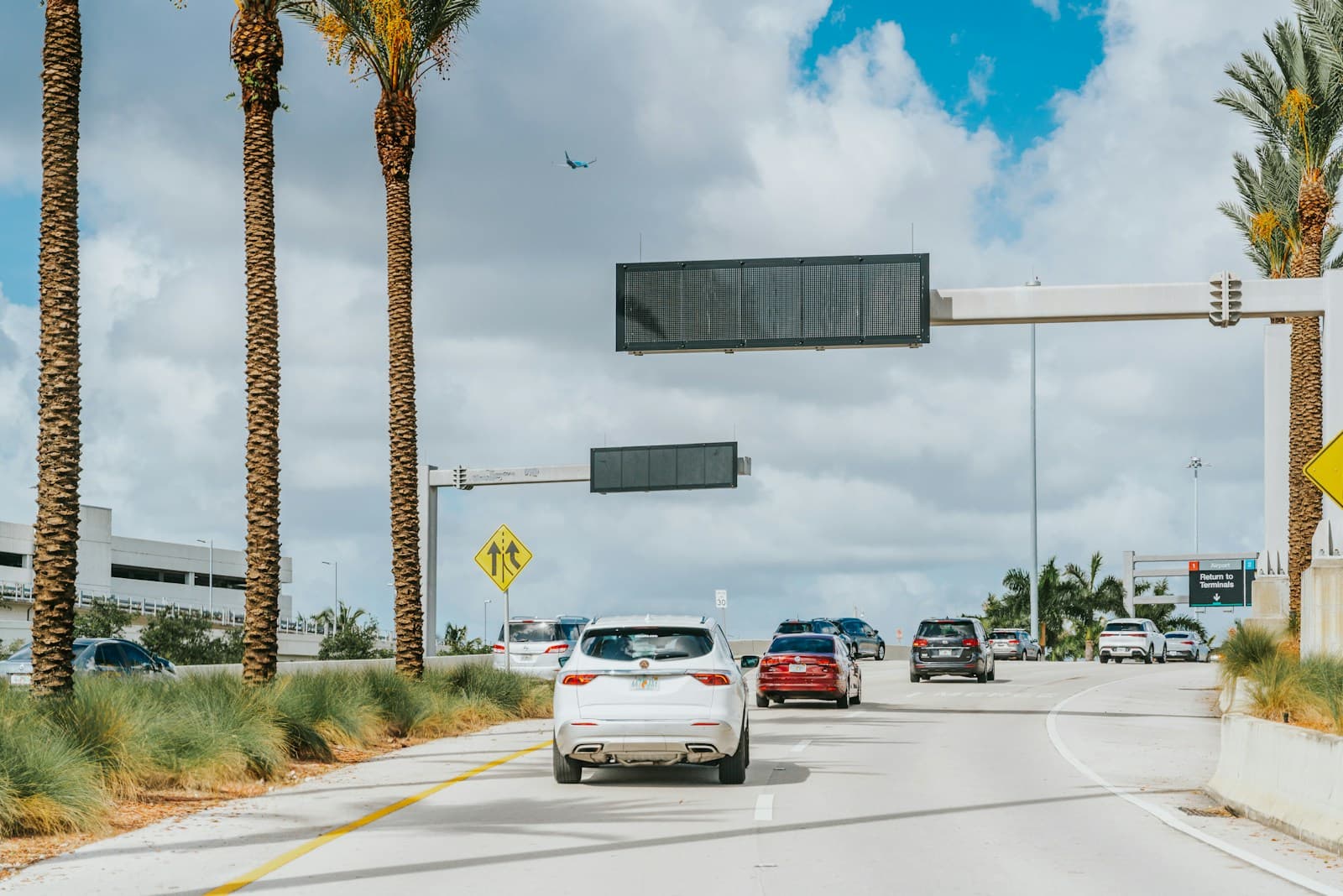
- The I-275 corridor through downtown Tampa and the Howard Frankland Bridge experience severe congestion during snowbird season, increasing collision frequency and comprehensive claims. Insurers price Tampa policies higher than suburban Hillsborough County specifically because of this urban density. Drivers living near Westshore or South Tampa neighborhoods typically pay 12–15% more than those in Brandon or Temple Terrace due to accident concentration on these routes.
- Tampa's position on the Gulf Coast creates elevated comprehensive coverage costs due to hurricane risk and severe thunderstorm frequency. Snowbirds who store vehicles in Tampa during summer months face additional scrutiny from carriers regarding where the vehicle is garaged when you return north. Some policies require notification of seasonal address changes to maintain accurate comprehensive rating, and failure to disclose can result in claim denial if damage occurs at an undisclosed location.
- Florida's high uninsured motorist rate—estimated at 20% statewide—means Tampa drivers face significant risk from uninsured or underinsured drivers, particularly during peak tourist and seasonal resident months. Snowbirds should carry uninsured motorist coverage limits that match their liability limits, typically 100/300, because Florida's minimum liability requirements are insufficient to protect assets accumulated over a lifetime. This coverage follows you across state lines, providing protection during your northern stay as well.
- Not all carriers write policies that accommodate snowbird situations cleanly. Some require separate policies in each state, creating coverage gaps during travel between residences. Others write a single policy with notation of both addresses but may restrict which address can be the primary garaging location. Carriers with strong Florida and northern presence—such as State Farm, Allstate, and Progressive—typically handle snowbird scenarios most smoothly, but you must explicitly disclose both addresses and the time split to avoid policy voidance.

Compare rates from carriers that specialize in senior drivers
Mature driver discounts, low-mileage rates, and coverage reviews — see what you're actually eligible for.
Get Your Free QuoteCoverage Recommendations
Cost estimates are based on available industry data and vary by driver profile. These are not insurance quotes.
Liability Insurance
Essential for snowbirds because liability follows the vehicle across state lines, and Florida's minimum 10/20/10 is insufficient to protect retirement assets if sued after a serious Tampa-area collision.
$85–$145/moEstimated range only. Not a quote.
Comprehensive Coverage
Critical in Tampa due to hurricane risk and vehicle storage concerns when you return north for summer—carriers require accurate garaging location disclosure to process claims correctly.
$55–$90/moEstimated range only. Not a quote.
Uninsured Motorist Coverage
Tampa's 20% uninsured driver rate creates significant exposure during snowbird season when tourist and seasonal traffic peaks—coverage should match your liability limits at 100/300 to protect accumulated assets.
$40–$75/moEstimated range only. Not a quote.
Collision Coverage
High-value in Tampa's congested I-275 corridor and downtown areas where accident frequency increases during peak snowbird months from November through April.
$70–$120/moEstimated range only. Not a quote.