
What Affects Rates in Savannah
- Savannah sits in a FEMA-designated hurricane evacuation zone, directly exposed to Atlantic storm systems. Comprehensive coverage is essential for vehicles stored here during summer months when you return north, as hurricane season peaks June through November. Carriers writing coastal Georgia policies factor in wind damage, flooding from storm surge near the Historic District and islands, and debris from live oak canopy damage during severe weather.
- Georgia law requires vehicle registration if you reside in the state more than 6 consecutive months or claim homestead exemption on Savannah property. Many snowbirds spending November through April in Savannah trigger this threshold without realizing it. If you register in Georgia, your primary insurance policy must list Georgia as the garaging address, which affects rates and carrier availability, particularly for drivers with northern home-state policies.
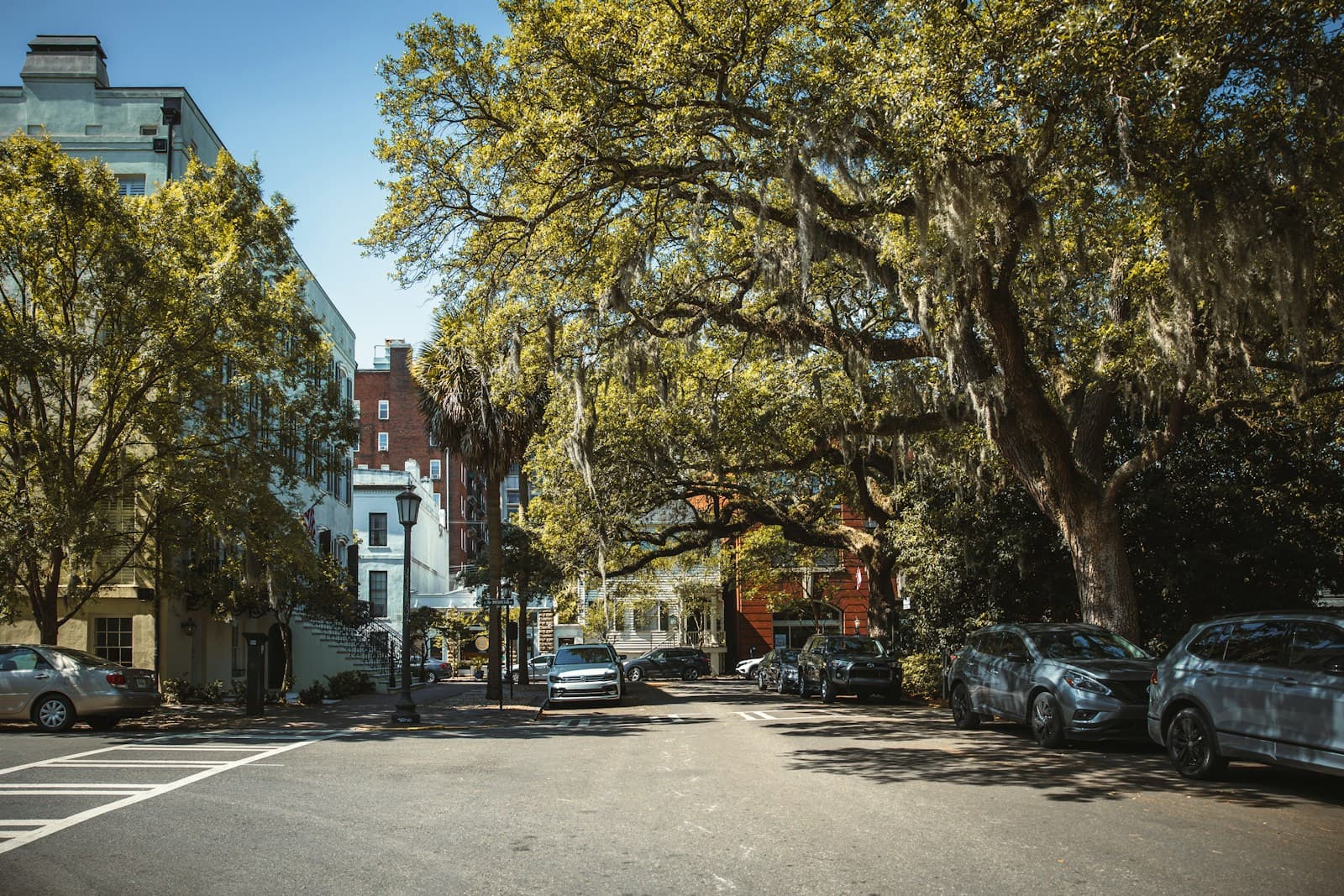
- The Historic District's narrow streets, on-street parking, and limited private garaging increase theft and vandalism risk. Comprehensive claims for broken windows, catalytic converter theft, and vehicle break-ins are notably higher in downtown wards than in suburban Pooler or Richmond Hill. Carriers adjust comp deductibles and premiums based on your Savannah zip code, with properties near Forsyth Park and River Street commanding higher rates.
- I-95 runs directly through Savannah, creating heavy snowbird and commercial traffic from October through May. The corridor between exits 94 and 102 sees elevated collision frequency during winter months when northern drivers unfamiliar with Georgia roadways converge with local commuters. Uninsured motorist coverage is particularly relevant, as Georgia's uninsured driver rate exceeds 12 percent statewide and rises higher along transient interstate corridors.
- Not all carriers write policies that cleanly cover snowbirds with properties in two states. State Farm, USAA, and Progressive offer dual-address endorsements allowing you to list both residences without switching policies mid-year. Other carriers require you to maintain separate policies or switch primary garaging address each season, creating coverage gaps and administrative burden. Confirming your carrier's two-state capability before committing prevents mid-winter surprises when you file a claim in Savannah under a policy still listing your Michigan home.
Compare rates from carriers that specialize in senior drivers
Mature driver discounts, low-mileage rates, and coverage reviews — see what you're actually eligible for.
Get Your Free QuoteCoverage Recommendations
Cost estimates are based on available industry data and vary by driver profile. These are not insurance quotes.
Liability Insurance
Georgia requires 25/50/25 minimums, but snowbirds should carry higher limits given I-95 collision frequency and the risk of out-of-state drivers suing in their home jurisdiction.
$65–$110/moEstimated range only. Not a quote.
Comprehensive Coverage
Essential for vehicles stored in Savannah during summer hurricane season and for owners parking in the Historic District where theft and vandalism claims are elevated.
$45–$85/moEstimated range only. Not a quote.
Uninsured Motorist Coverage
Georgia's 12+ percent uninsured rate and I-95's transient driver population make this coverage critical for snowbirds sharing the road with drivers from states with varying enforcement standards.
$25–$50/moEstimated range only. Not a quote.
Full Coverage
Recommended for snowbirds with financed or leased vehicles and those storing cars in Savannah unattended for months at a time during northern summer residence.
$145–$240/moEstimated range only. Not a quote.