What Affects Rates in Meridian
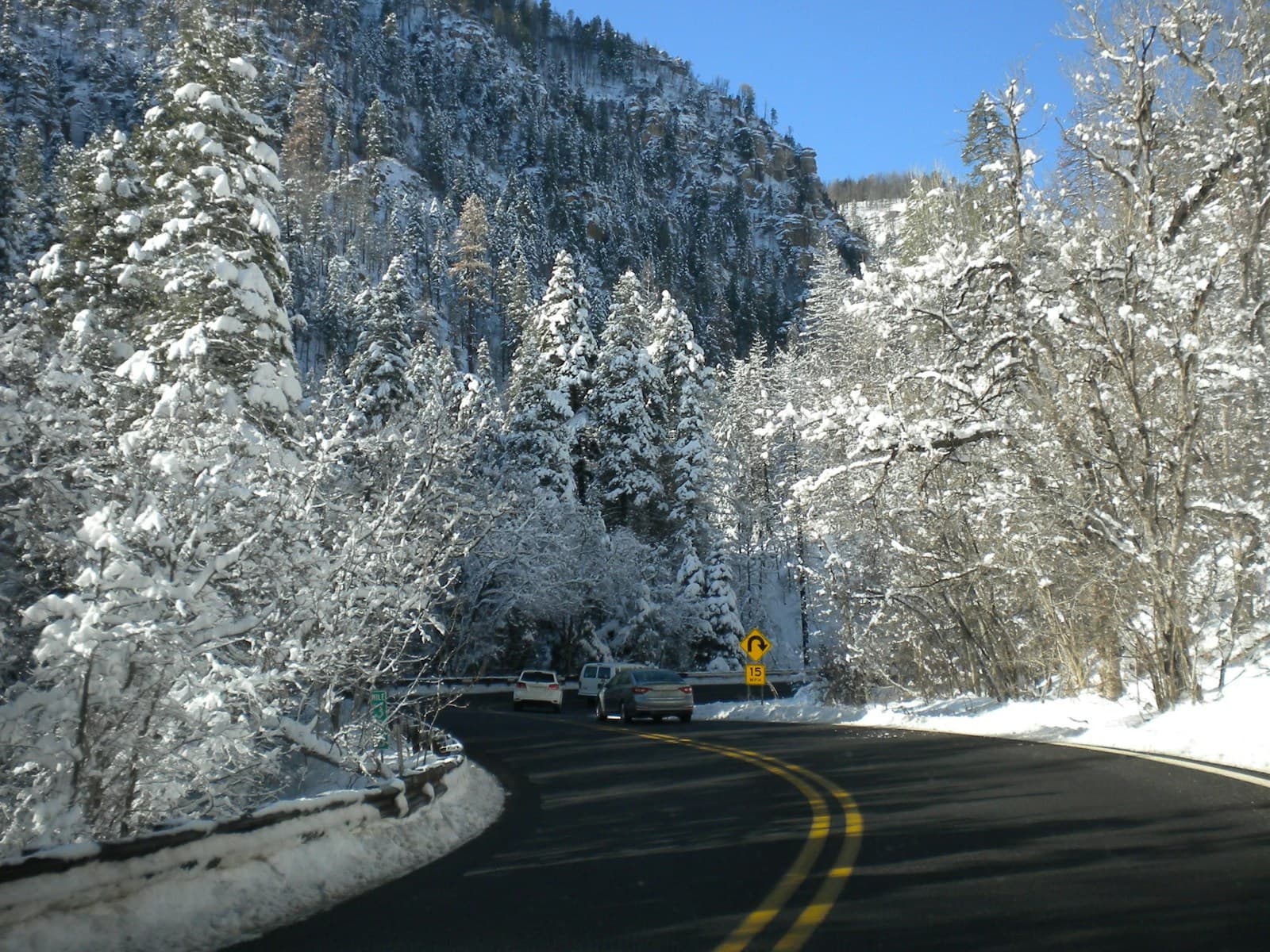
- Snowbirds traveling west to Arizona or California on I-84 face approximately 700-1,000 miles of interstate driving twice annually. Comprehensive and collision coverage gaps during these transition periods leave exposure to weather damage in mountain passes near Ontario and Baker City. Carriers writing snowbird policies in Meridian require verification that coverage extends continuously during travel between residences, not just at each endpoint.
- Idaho does not require you to surrender your Meridian registration when wintering elsewhere, but your winter state may require local registration if you exceed their visitor threshold—typically 6 months for Arizona, 4 months for California, and 6 months for Nevada. The registration requirement is determined by physical presence duration in the winter state, not by property ownership or driver's license. If you trigger mandatory registration in the winter state, you must also obtain insurance that meets that state's minimum liability requirements.
- Not all carriers licensed in Idaho will extend coverage to a second state for extended seasonal use. Regional carriers with limited footprints outside Idaho may require you to switch carriers entirely or add a separate non-owner policy. National carriers like State Farm, Allstate, and USAA typically accommodate two-state coverage within a single policy, but require you to declare both addresses and accept the higher of the two states' rate structures.
- Some Meridian snowbirds store their vehicle in nearby Eagle or Kuna during winter months and drive a second vehicle in their winter state. Storage-only situations allow suspension of collision and liability coverage in Idaho, reducing cost, but comprehensive coverage for fire and theft typically remains mandatory if the vehicle is financed. Confirm your lender's requirements before suspending any coverage component.
- Meridian snowbirds typically depart in late October or early November to avoid early winter storms along I-84 through the Blue Mountains. Departure timing affects premium calculation—if you depart before the highest-risk winter months in Idaho, some carriers will prorate your Idaho-based premium downward. Confirm with your carrier whether they calculate seasonal premium adjustments and what documentation they require for your departure and return dates.
Compare rates from carriers that specialize in senior drivers
Mature driver discounts, low-mileage rates, and coverage reviews — see what you're actually eligible for.
Get Your Free QuoteCoverage Recommendations
Cost estimates are based on available industry data and vary by driver profile. These are not insurance quotes.
Liability Insurance
Snowbirds must carry liability limits that meet or exceed both states' minimums—Idaho requires 25/50/15, but Arizona requires 25/50/15, California requires 15/30/5, and Nevada requires 25/50/20, so your policy must satisfy the higher requirement.
$45-$85/moEstimated range only. Not a quote.
Comprehensive Coverage
Essential for Meridian snowbirds storing vehicles locally during winter months or traveling through mountain corridors where hail, ice, and deer strikes are common along I-84 and US-20.
$25-$50/moEstimated range only. Not a quote.
Uninsured Motorist Coverage
Arizona and Nevada have higher uninsured motorist rates than Idaho—Arizona exceeds 12%, Nevada exceeds 10%—making UM coverage a practical necessity for snowbirds spending extended time in those states.
$15-$35/moEstimated range only. Not a quote.
Full Coverage
Recommended for Meridian snowbirds with financed or leased vehicles, as most lenders require full coverage to remain in force regardless of which state you occupy, and coverage gaps can trigger forced-place insurance.
$95-$165/moEstimated range only. Not a quote.