
What Affects Rates in Chesapeake
- Virginia allows you to maintain registration here if you spend more than six months annually in-state and garage your vehicle at your Chesapeake address during that period. Most snowbird destinations — Florida, Arizona, Texas — trigger mandatory registration after 30–90 consecutive days of residence, depending on the state. The most common mistake is assuming your Virginia policy automatically covers you once you've triggered registration in your winter state. It does not. You must either add the winter address to your Virginia policy or purchase separate coverage in the winter state before the registration deadline.
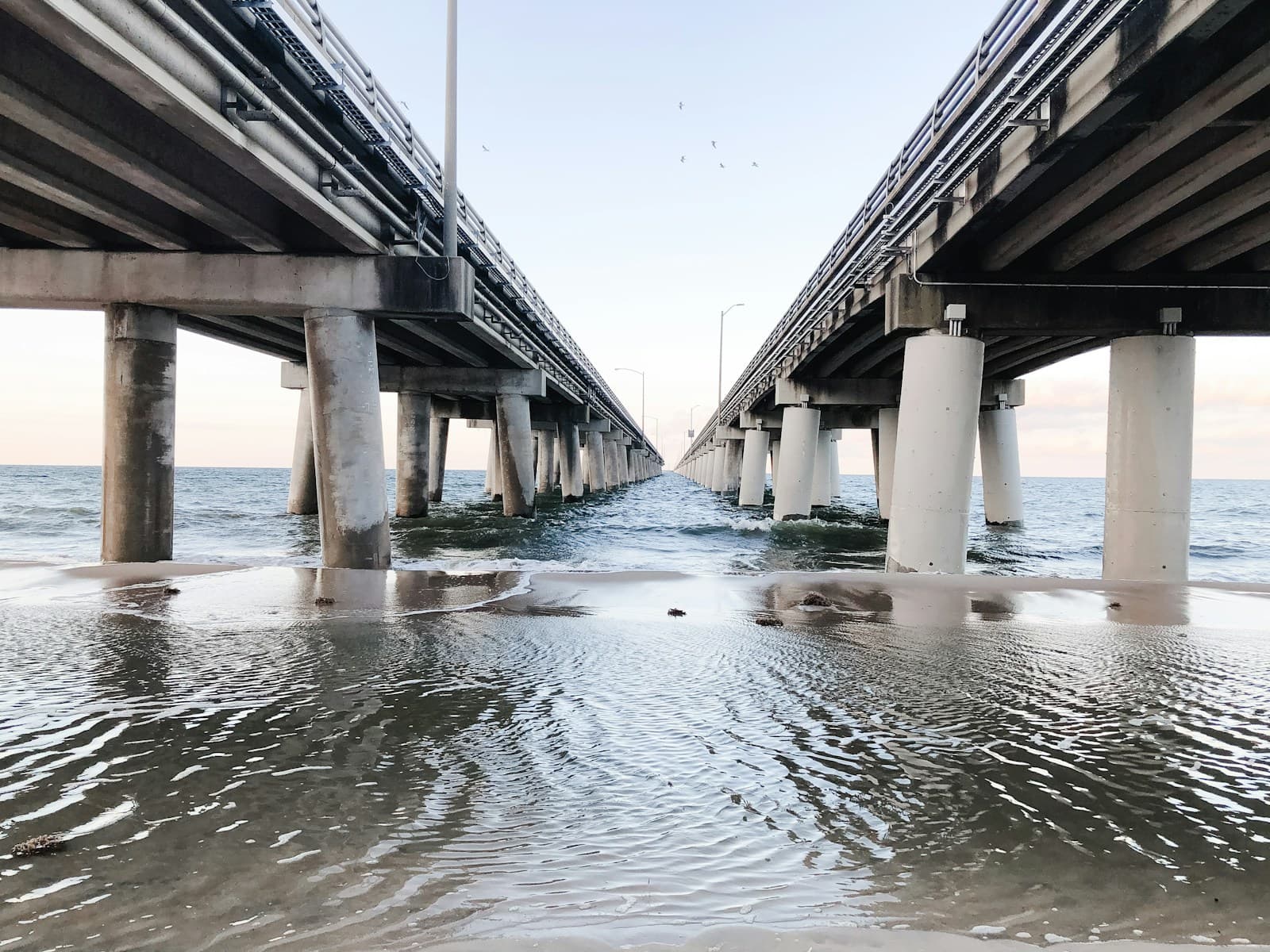
- Many Chesapeake snowbirds commute north through the HRBT or east via the Chesapeake Bay Bridge-Tunnel during their Virginia months, creating collision risk profiles that carriers price into multi-state policies. If your winter state has significantly different infrastructure risk — rural Arizona versus congested South Florida — expect carriers to adjust rates based on where you spend the majority of your driving time. List both addresses accurately during the quote process to avoid coverage disputes after a winter-state accident.
- Garaging location within Chesapeake affects your rate even on a two-state policy. Vehicles stored near Great Bridge Lock or along the Intracoastal Waterway face higher comprehensive claims due to flooding risk during hurricane season, which you may not be present for if you've already migrated south. Western Branch neighborhoods closer to Suffolk show lower theft rates but longer emergency response times. Carriers writing snowbird policies factor in both your Virginia and winter-state ZIP codes when calculating premium.
- Chesapeake's large military retiree community means local agents have deep experience with USAA, Navy Federal, and other carriers that handle multi-state coverage well. These carriers typically allow policy transfers between states without re-underwriting, which matters when you're splitting time between Virginia and a Sun Belt retirement destination. If you're a veteran or military retiree, confirm your carrier allows seamless address updates twice annually without triggering new policy periods or coverage gaps.
- Atlantic hurricane season runs June through November, overlapping with the period many snowbirds are back in Chesapeake. If you carry comprehensive coverage in both states, clarify which policy responds to storm damage based on where the vehicle was garaged when the loss occurred. A hurricane that strikes your winter home in September while you're in Virginia creates a claims question: does your winter-state policy remain active while you're away, or does your Virginia policy become primary? The answer depends on how your policies are structured and which address each carrier considers your principal residence.
Compare rates from carriers that specialize in senior drivers
Mature driver discounts, low-mileage rates, and coverage reviews — see what you're actually eligible for.
Get Your Free QuoteCoverage Recommendations
Cost estimates are based on available industry data and vary by driver profile. These are not insurance quotes.
Liability Coverage
Virginia requires 25/50/20 minimums, but snowbirds should carry limits high enough to satisfy the higher requirements of states like Florida (10/20/10) and protect retirement assets from lawsuit exposure.
$65–$110/monthEstimated range only. Not a quote.
Comprehensive Coverage
Essential for Chesapeake snowbirds due to hurricane risk during Virginia months and hail exposure in states like Arizona or Texas during winter months.
$45–$85/monthEstimated range only. Not a quote.
Uninsured Motorist Coverage
Critical for snowbirds traveling I-95 and I-10 corridors between Virginia and Florida, where uninsured rates exceed 20% in some counties along the route.
$30–$55/monthEstimated range only. Not a quote.
Two-State Endorsement
Allows Chesapeake residents to avoid purchasing separate policies in their winter state, provided both addresses are disclosed and the carrier writes in both jurisdictions.
$20–$40/month addedEstimated range only. Not a quote.