
After 180 Days in Alabama: Does Out-of-State Coverage Still Apply?
Free to compare
What Alabama Law Says About the 180-Day Threshold
Alabama Code § 32-6-230 establishes that any vehicle present in the state for more than 180 consecutive days must be registered in Alabama, regardless of where the owner considers their primary residence to be. This isn't about voter registration, driver's license, or property ownership. It's a bright-line rule tied solely to where your vehicle physically sits.
The 180-day count starts the day your vehicle enters Alabama and runs consecutively until the vehicle leaves the state for more than 30 days. A weekend trip to Florida or a two-week visit back north doesn't reset the clock. Only an absence exceeding 30 consecutive days resets the counter to zero.
Once you cross 180 days, Alabama requires you to obtain Alabama vehicle registration within 30 days and carry insurance issued by a carrier licensed to write policies in Alabama. Your Michigan, Illinois, or Ohio policy—even if it's active and paid—doesn't satisfy Alabama's proof-of-insurance requirement after that 180-day mark. Law enforcement and the Alabama Department of Revenue treat out-of-state registration beyond this window as operating an unregistered vehicle, which carries fines starting at $100 and potential impoundment.
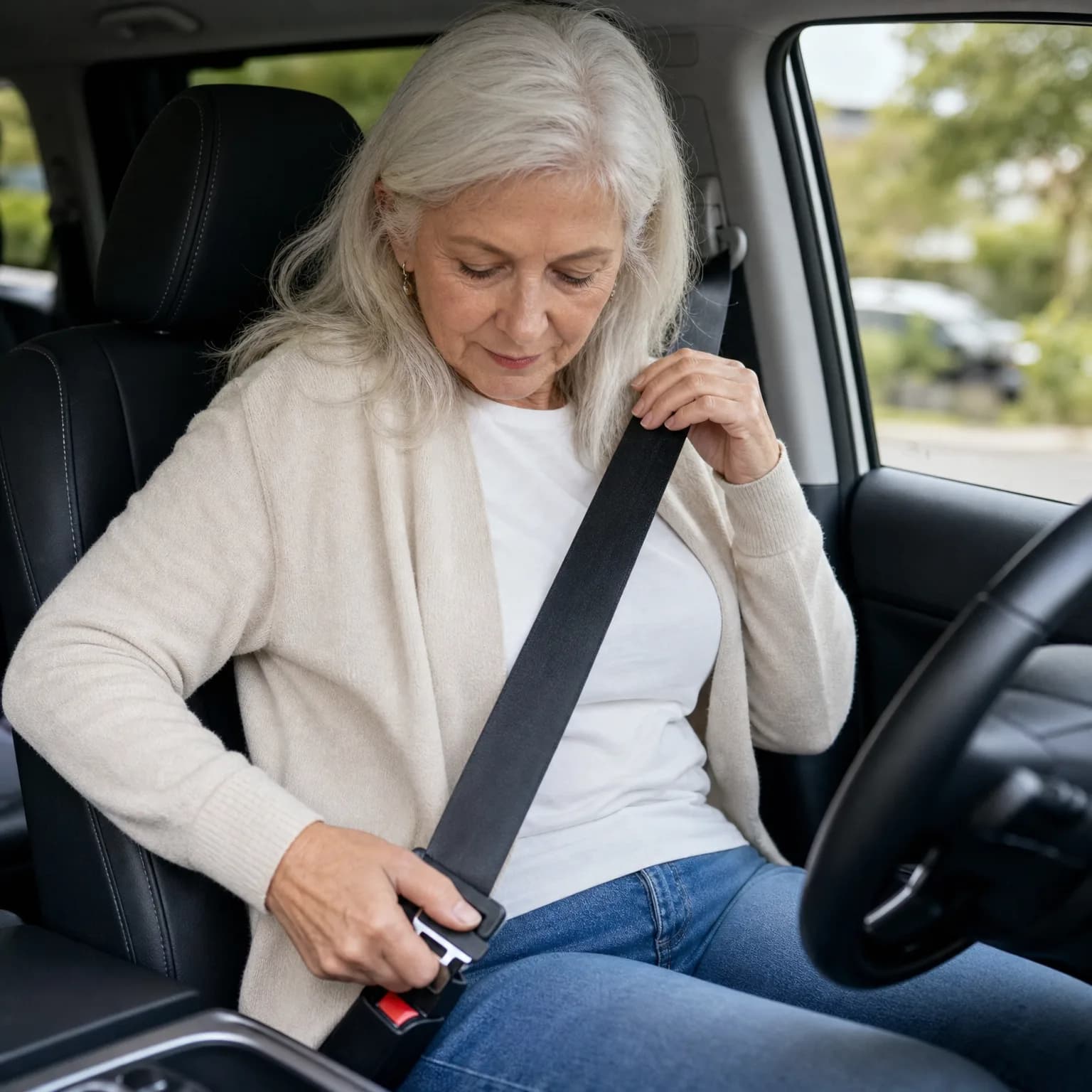
Does Your Current Policy Actually Cover You in Alabama After Six Months?
Most standard auto policies include out-of-state coverage, meaning your Michigan or Illinois carrier will still pay claims for accidents that happen in Alabama even after you've been there for six months. The policy remains financially valid. The problem isn't whether your carrier will cover the accident—it's whether Alabama considers you legally insured under state law.
Alabama requires drivers to carry proof of insurance that meets Alabama's minimum liability limits: $25,000 per person for bodily injury, $50,000 per accident, and $25,000 for property damage. If your northern policy meets or exceeds these amounts, your coverage is adequate on paper. But Alabama law ties proof of insurance to vehicle registration. Once you're required to register your vehicle in Alabama, you're also required to show an Alabama insurance card during any traffic stop or accident.
Your northern carrier won't send you an Alabama-compliant insurance card unless you formally change your policy address to Alabama. Some carriers allow you to list Alabama as a garaging address on your existing policy, which generates the compliant card. Others require you to rewrite the policy entirely as an Alabama policy, which may change your rate. If you're pulled over in Alabama after 180 days and show an out-of-state insurance card tied to out-of-state registration, you're technically driving without proof of insurance under Alabama law, even though you're actually insured.

How to Handle Insurance If You Cross the 180-Day Mark
Contact your current carrier before you hit 180 days in Alabama and ask whether they can add Alabama as a garaging location on your existing policy. Many national carriers—State Farm, Allstate, Nationwide, Progressive—can do this without canceling your northern policy. They'll issue you an Alabama insurance card showing the same policy number but listing Alabama as the vehicle location. Your rate may increase or decrease depending on how Alabama's rating factors compare to your home state.
If your carrier doesn't write policies in Alabama or won't adjust your garaging address, you'll need to switch to an Alabama-based policy once you register the vehicle in Alabama. This doesn't mean you lose your prior insurance history or loyalty discounts. Most carriers transfer your continuous coverage record when you move your policy to a different state. Request a loss history letter from your current carrier before making the switch. Alabama carriers use this to verify your claims-free years and apply appropriate discounts.
Some snowbirds maintain two vehicles—one registered in their northern state, one registered in Alabama—and insure each separately. This works cleanly if you genuinely use different vehicles in different states. It doesn't work if you're trying to avoid Alabama's residency rule by registering one vehicle north while driving it in Alabama for seven months. Alabama's 180-day rule applies to the vehicle's location, not the owner's intent.

Get Covered in Both of Your Home States
Compare Snowbird Auto Insurance RatesWhat Happens If You Stay Just Under 180 Days Each Winter?
If you consistently spend 175 days in Alabama, leave for 31 days, then return, you never trigger the registration requirement. Your northern policy remains fully compliant, and you don't need Alabama registration or an Alabama insurance card. This is the pattern most long-term snowbirds follow intentionally.
The risk is miscounting. If you arrive in Alabama on November 1 and plan to leave by April 28 (179 days), but a health issue, weather event, or family obligation delays your departure by two days, you've crossed the threshold. Alabama doesn't send a reminder notice. You're responsible for tracking your own presence.
Some snowbirds use their northern homeowners insurance or property tax calendar as a fail-safe. If you need to be back north by May 1 to meet a homestead exemption requirement or avoid triggering residency for state income tax purposes, that deadline naturally keeps you under Alabama's 180-day vehicle threshold as well. But if Alabama is your only warm-weather stop and you have no other calendar-forcing event, it's easy to drift past 179 days without realizing it.

How Alabama Enforcement Actually Works
Alabama law enforcement doesn't track your vehicle's entry date at the border. They identify residency violations during routine traffic stops when they see out-of-state plates on a vehicle that's clearly been in Alabama long-term—expired inspection stickers, local parking permits, mail visible in the vehicle, or statements from the driver about living in Alabama for the winter.
If an officer suspects you've exceeded 180 days, they'll ask how long you've been in the state. Your answer can be used as the basis for a citation. Some officers issue warnings and allow you 30 days to comply. Others write the ticket immediately. The fine for operating an unregistered vehicle in Alabama starts at $100, and the fine for failure to provide proof of Alabama-compliant insurance starts at $100. Both can increase if the violation is discovered during an accident.
Alabama's Department of Revenue also monitors RV park and rental records in some counties, cross-referencing long-term stays against vehicle registration databases. This is more common in Gulf Coast counties with high snowbird populations. If you're renting a property or staying in an RV park under a six-month lease, the lessor may be required to report your vehicle information to the county, which can trigger a registration compliance inquiry.

Which Carriers Write Snowbird-Friendly Policies in Alabama?
State Farm, Allstate, and Nationwide allow policyholders to list multiple garaging addresses on a single policy, which makes them administratively simple for snowbirds. You call before your first trip south, add Alabama as a seasonal garaging location, and receive an Alabama insurance card. Your rate adjusts to reflect the time your vehicle spends in each state, but you maintain one policy number and one renewal cycle.
Progressive and GEICO handle snowbird situations but typically require you to designate one primary garaging state. If you switch your primary address to Alabama, you're rewriting the policy as an Alabama policy. If you keep your northern state as primary, you're covered in Alabama under out-of-state provisions, but you won't receive an Alabama insurance card unless you formally request a garaging location change.
Some regional carriers—ALFA Insurance, State Auto, and Southern Farm Bureau—write policies exclusively in southern states and won't transfer a northern policy. If your northern carrier won't accommodate Alabama garaging and you need Alabama registration, you'll need to shop for a new carrier entirely. This is one reason many snowbirds over 70 stick with national carriers even when regional carriers offer lower rates—they want the administrative simplicity of one policy that follows them between states.
Frequently Asked Questions
Can I keep my Michigan insurance if I spend every winter in Alabama?
You can keep your Michigan policy as long as you stay in Alabama for fewer than 180 consecutive days per visit. If you exceed 180 days, Alabama requires you to register your vehicle in Alabama and carry Alabama-issued proof of insurance, which means either adding Alabama as a garaging address to your Michigan policy or switching to an Alabama policy entirely.
Does a two-week trip back north reset Alabama's 180-day count?
No. Alabama's residency count resets only if your vehicle leaves the state for more than 30 consecutive days. A two-week trip back north or a weekend in Florida doesn't reset the clock. Only an absence exceeding 30 days restarts the count at zero.
Will my insurance company tell me when I've been in Alabama too long?
No. Your carrier doesn't track your vehicle's physical location day by day. You're responsible for counting your own days in Alabama and notifying your carrier if you're approaching the 180-day threshold and need to add Alabama as a garaging location or switch your policy.
What happens if I get pulled over in Alabama with an out-of-state insurance card after 180 days?
You can be cited for operating an unregistered vehicle and for failure to provide Alabama-compliant proof of insurance, even if your out-of-state policy is active and paid. Combined fines start at $200, and the vehicle can be impounded if you can't provide proof of Alabama registration and an Alabama insurance card on the spot.
Do I need to change my driver's license to Alabama if I spend six months there?
Alabama requires new residents to obtain an Alabama driver's license within 30 days of establishing residency, but the state defines residency for licensing purposes differently than for vehicle registration. The 180-day vehicle rule is the brightest line. Many snowbirds keep their northern driver's license and register their vehicle in Alabama once they cross the 180-day vehicle threshold.
Related Articles

After 30 Days in Alabama: Out-of-State Coverage Rules
5/19/2026

After 60 Days in Alabama: Out-of-State Coverage Rules
5/19/2026

After 90 Days in Alabama: Out-of-State Coverage Rules
5/19/2026

Snowbird vs Resident: Alabama Insurance Residency Rules
5/19/2026
After 60 Days in Florida: Out-of-State Coverage Rules
5/19/2026
After 180 Days in AZ: Out-of-State Insurance Rules
5/19/2026