
After 60 Days in North Carolina: Does Out-of-State Coverage Still Apply?
Free to compare
What Happens to Your Insurance Coverage After 60 Days in North Carolina
Your out-of-state auto insurance policy typically remains valid for up to 6 months when you're temporarily residing in North Carolina, but North Carolina law requires you to register your vehicle and obtain a North Carolina license within 60 days of establishing residency. The gap between these two timelines creates a compliance problem most snowbirds don't discover until they're pulled over or file a claim.
North Carolina defines residency as physical presence in the state for more than 60 consecutive days, regardless of where you own property or where your "permanent" address sits. If you arrive in November and stay through March, you cross the 60-day threshold in early January. Your Michigan or New York policy still covers you. Your carrier hasn't canceled anything. But under North Carolina law, you're now driving an unregistered vehicle.
The consequence most snowbirds miss: if you're in an at-fault accident after day 60 without North Carolina registration, the other driver's uninsured motorist claim gets complicated. Your carrier will likely pay the claim under your existing policy, but you may face civil penalties for operating an unregistered vehicle, and your rates will increase not just for the accident but for the registration violation. One 72-year-old snowbird in Charlotte paid an additional $840 annually for three years after an accident on day 67 of her stay.

How North Carolina Defines Residency for Registration Purposes
North Carolina uses a strict 60-day physical presence test. It doesn't matter if you own a home in Michigan, pay property taxes there, or intend to return in April. If your car sits in a North Carolina driveway for more than 60 consecutive days, the state considers you a resident for vehicle registration purposes.
The test is not about intent. It's about days counted. North Carolina DMV enforcement focuses on physical presence, not where you receive mail or which state you consider "home." If you spend November 15 through March 30 in your Wilmington winter home, you've been physically present for 135 days. The 60-day clock started on day one.
Two exceptions apply but rarely help snowbirds. Active-duty military personnel stationed in North Carolina can maintain their home-state registration indefinitely. Full-time students attending a North Carolina college can keep their home-state plates for the duration of enrollment. Retirees spending winters in a second home qualify for neither exception.

What Your Current Carrier Will and Won't Cover After 60 Days
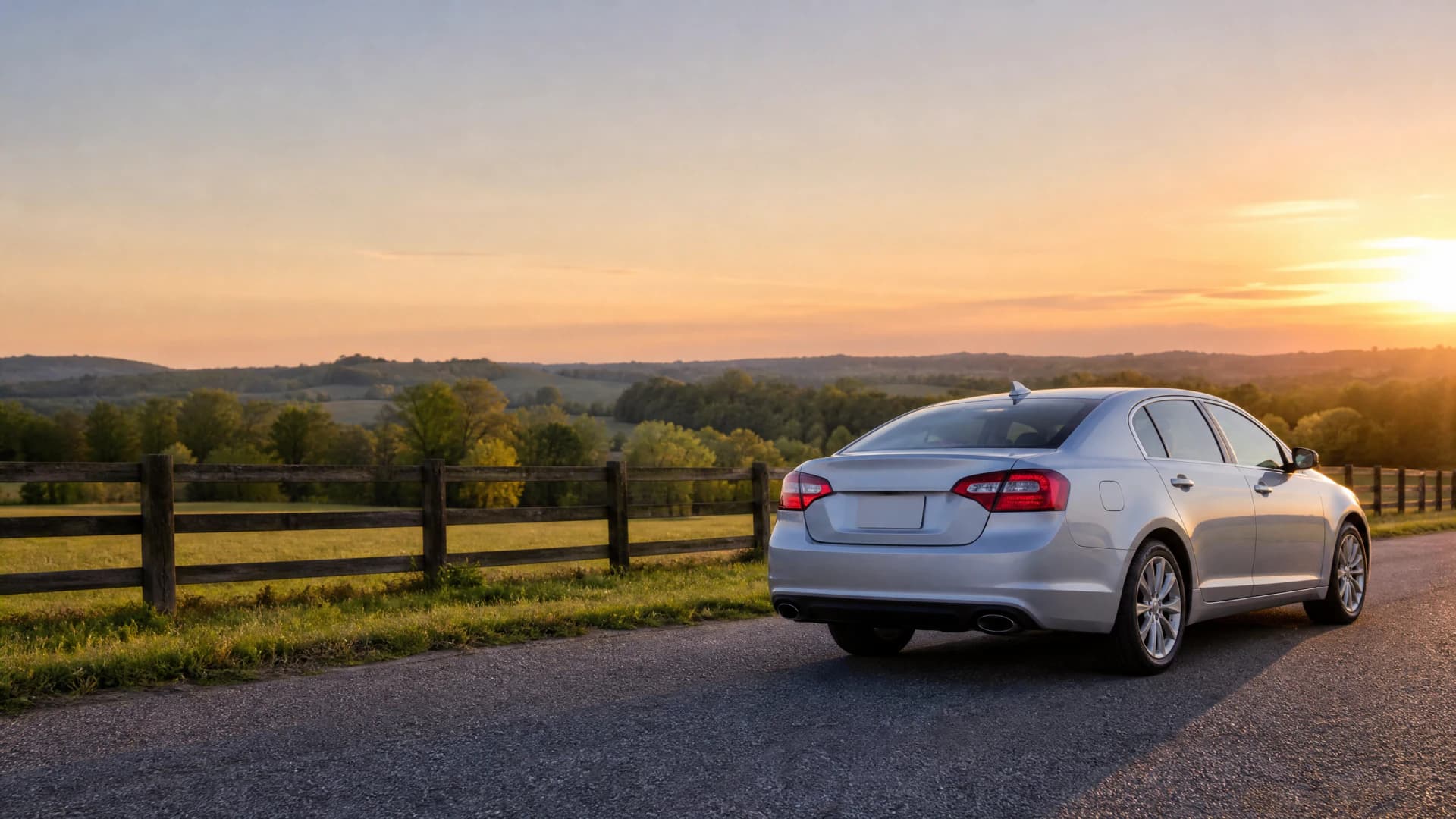
Most standard auto insurance policies cover you for temporary relocation up to 6 months without requiring a policy change or address update. If you carry coverage through State Farm, GEICO, Progressive, or Allstate and spend 4 months in North Carolina, your liability, collision, and comprehensive coverage remain active. Your carrier doesn't cancel your policy at day 61.
The problem is not coverage. The problem is that your carrier's obligation to cover you and North Carolina's registration requirement operate on different timelines. Your policy covers you through the full winter. North Carolina law requires you to register locally after 60 days. If you don't register, you're violating state law even though you're insured.
When a claim occurs after day 60 without North Carolina registration, your carrier will typically pay it, but the claims adjuster will note the registration violation in the file. That violation can affect your renewal rates. One 68-year-old snowbird in Raleigh filed a comprehensive claim for hail damage on day 74 of his stay. His carrier paid the claim in full but increased his premium by 18% at renewal, citing the registration lapse as a separate risk factor.
Get Covered in Both of Your Home States
Compare Snowbird Auto Insurance RatesHow to Maintain Compliant Coverage Across Two States
If you know in advance you'll stay in North Carolina longer than 60 days, contact your current carrier before you leave your home state. Ask whether they write policies in North Carolina and whether they can add North Carolina as a garaging location without canceling your home-state policy. Most national carriers can structure a policy that lists both addresses and adjusts coverage periods based on where you're physically located.
If your carrier doesn't write in North Carolina or can't accommodate a two-state garaging arrangement, you'll need to choose: either limit your North Carolina stay to under 60 days, or plan to register your vehicle in North Carolina and obtain a North Carolina policy for the months you're there. Some snowbirds maintain two separate policies, one in each state, and activate or suspend coverage based on their location. This approach works but requires careful coordination to avoid coverage gaps.
The cleanest solution for snowbirds who spend 4 to 5 months in North Carolina: register the vehicle in North Carolina, obtain a North Carolina policy, and notify your home-state carrier that the vehicle will be garaged out of state for part of the year. Most carriers will adjust your home-state policy to reflect the reduced garaging period and lower your premium accordingly. When you return north in the spring, you'll re-register in your home state and reactivate that policy.

Which Carriers Write Policies That Accommodate Snowbird Schedules
State Farm, GEICO, Progressive, Allstate, and Nationwide all write policies in North Carolina and in most northern states, and all five can structure policies with dual garaging addresses. This means you can list both your Michigan home and your North Carolina winter address on a single policy, and the carrier will adjust coverage and rates based on where the vehicle is garaged during each part of the year.
Not all carriers handle this seamlessly. Some require you to formally change your garaging address twice per year, which triggers a policy re-rate each time. Others allow you to list both addresses upfront and simply notify them when you move between locations. Before you commit to a carrier, ask how they handle seasonal address changes and whether those changes trigger underwriting reviews or rate adjustments.
USAA, available only to military members and their families, offers one of the smoothest snowbird processes. You can update your garaging location online without speaking to an agent, and the system automatically adjusts your rate based on the new location. The change takes effect immediately, and you receive an updated proof-of-insurance card within 24 hours.
What Happens If You're Pulled Over After Day 60 Without North Carolina Registration
If a North Carolina law enforcement officer pulls you over after you've been in the state for more than 60 days and you still have out-of-state plates, you can be cited for operating an unregistered vehicle. The citation is a Class 3 misdemeanor and carries a fine that typically ranges from $100 to $200, depending on the county.
The larger consequence is not the fine. It's what happens to your insurance rates. A registration violation appears on your motor vehicle record, and most carriers treat it as a compliance failure that increases your risk profile. One 70-year-old snowbird in Asheville received a registration citation on day 68 of her stay. Her carrier didn't cancel her policy, but her premium increased by $320 annually at renewal, and the increase remained in place for three years.
If you're in an accident while driving an unregistered vehicle, your insurance will still cover the claim, but the registration violation will be documented in the accident report. That documentation gives your carrier grounds to surcharge your policy at renewal, even if the accident itself wasn't your fault.
Frequently Asked Questions
Can I keep my Michigan insurance if I spend 4 months in North Carolina?
Your Michigan policy remains valid and will cover claims for up to 6 months in North Carolina, but North Carolina law requires you to register your vehicle locally after 60 days of physical presence. Most snowbirds resolve this by adding North Carolina as a garaging location on their existing policy or by obtaining temporary North Carolina registration for the winter months.
Do I need to tell my insurance company I'm staying in North Carolina for the winter?
Yes. Most carriers require you to report any address change lasting longer than 30 days, and failing to report it can give the carrier grounds to deny a claim. Call your carrier before you leave and ask how they handle seasonal relocations — many can add North Carolina as a secondary garaging address without canceling your home-state policy.
What happens if I get in an accident in North Carolina after 60 days with out-of-state plates?
Your insurance will typically cover the accident, but you may be cited for operating an unregistered vehicle, which is a Class 3 misdemeanor in North Carolina. That citation will appear on your motor vehicle record and can increase your insurance rates by 15% to 25% at renewal, even if the accident wasn't your fault.
How do snowbirds handle car insurance between two states?
Most snowbirds either obtain a policy that lists both addresses as garaging locations, maintain two separate policies and suspend one while using the other, or register and insure in their winter state for the months they're there. The best approach depends on how long you stay and whether your carrier writes policies in both states.
Related Articles

After 180 Days in NC: Out-of-State Coverage Rules
5/19/2026

NC 90-Day Rule: Out-of-State Auto Insurance Coverage
5/19/2026
NC 30-Day Rule: Does Your Insurance Still Cover You?
5/19/2026
NC Snowbird vs Resident Insurance Rules Explained
5/19/2026

Split vs Full NC Residency: 5 Factors for Snowbirds
4/26/2026

Split vs Full NC Residency: 5 Factors for Snowbirds
4/26/2026