
Are You Eligible for Arizona Resident Auto Rates as a Half-Year Visitor?
Free to compare
What Makes You an Arizona Resident for Auto Insurance Purposes?
Arizona auto insurance carriers define residency by where your vehicle is registered and where it is primarily garaged, not by the 183-day income tax residency threshold. If your vehicle carries Arizona registration and is garaged in Arizona for more than six months per year, you qualify for resident rates. If your vehicle remains registered in your northern home state but is driven and garaged in Arizona for five or six months each winter, you remain a nonresident for insurance purposes regardless of how much time you personally spend in the state.
This distinction matters because Arizona resident rates average $110–$160 per month for drivers 65 and older with clean records, while nonresident or out-of-state policies covering Arizona winter stays can run $140–$210 per month depending on the carrier's multi-state underwriting rules. The gap exists because carriers price resident policies using Arizona loss data and nonresident policies using blended or elevated risk pools.
The registration decision drives everything else. Arizona Motor Vehicle Division requires you to register your vehicle in Arizona within seven months of establishing residency or maintaining a vehicle in the state for seven months out of any 12-month period. If you register in Arizona, your insurance must reflect Arizona as the garaging address and you become eligible for resident rates. If you keep your northern registration, your insurance remains anchored to your home state and Arizona is treated as a seasonal location.

How Arizona Registration Affects Your Insurance Rates and Coverage
Switching your vehicle registration to Arizona triggers an immediate repricing of your policy. Carriers recalculate your premium using Arizona base rates, your new ZIP code's loss history, Arizona statutory minimums, and Arizona-specific discounts including any state-mandated mature driver course credits. For some snowbirds, this produces a lower premium because Arizona's competitive market and lower liability minimums reduce costs. For others, particularly those coming from rural northern counties with very low rates, the switch increases premiums because urban Arizona ZIP codes carry higher theft and uninsured motorist exposure.
You cannot maintain dual registration to game the rate difference. Arizona law prohibits registering the same vehicle in two states simultaneously, and carriers audit registration records annually. If your policy lists an Arizona garaging address but MVD records show active out-of-state registration, the carrier will either reprice the policy to reflect nonresident status or nonrenew at the next term. Some snowbirds attempt to list their northern address as primary and their Arizona address as seasonal, but if the vehicle is garaged in Arizona for more than six months, this becomes a misrepresentation issue that can void coverage during a claim.
Arizona requires minimum liability coverage of 25/50/15: $25,000 per person for bodily injury, $50,000 per incident, and $15,000 for property damage. These limits are lower than many northern states, but switching to Arizona minimums exposes your retirement assets if you cause a serious accident. Most financial advisors recommend 100/300/100 or higher for drivers 65 and older with home equity or retirement accounts, regardless of what the state requires.
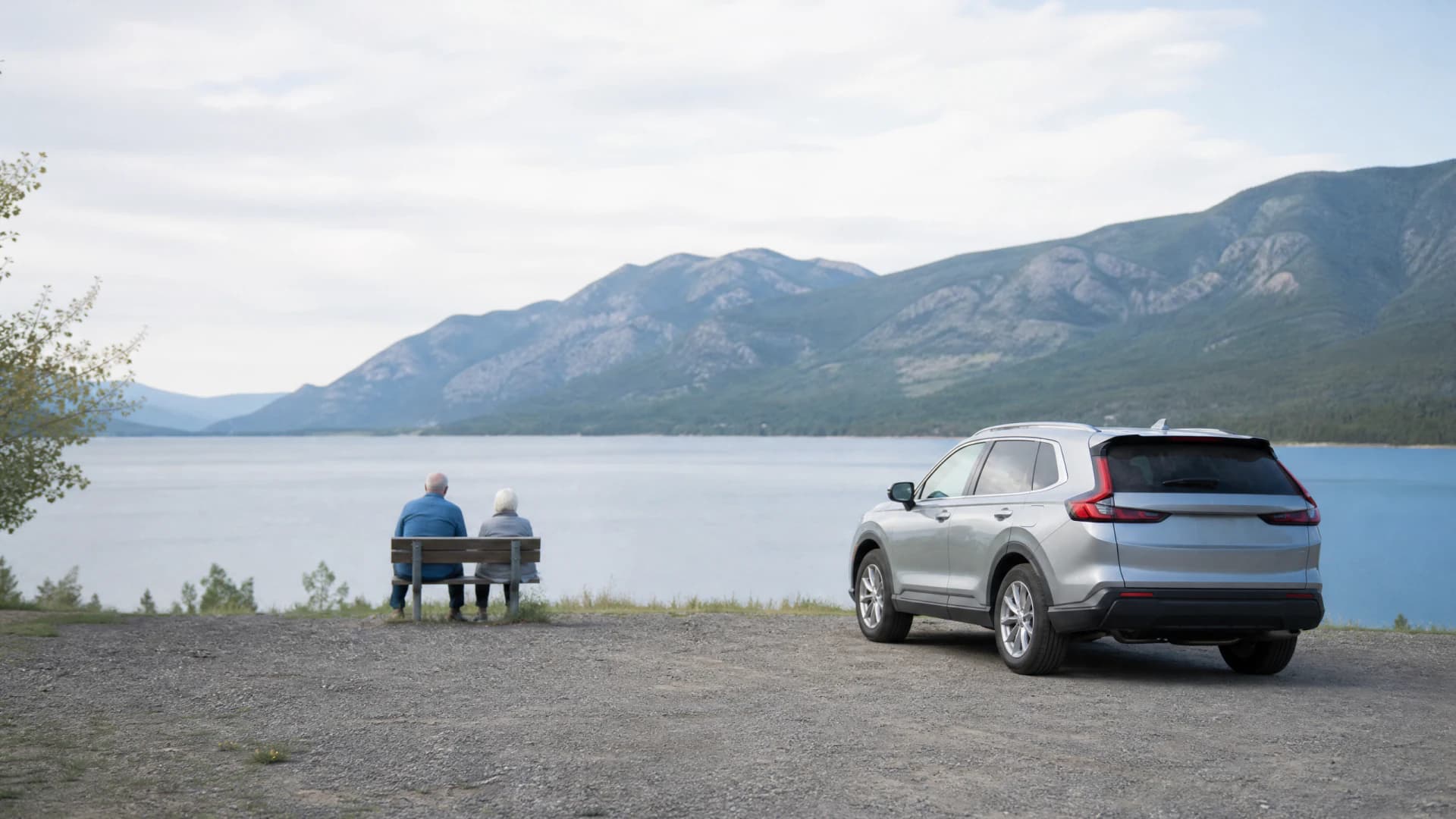

What Happens If You Keep Your Northern Registration and Spend Winters in Arizona?
If you maintain registration in your home state and spend winters in Arizona without re-registering, you must notify your home-state carrier that the vehicle will be garaged at an Arizona address for a specific period each year. Most carriers allow seasonal location updates, but they will adjust your premium to reflect the additional exposure. The adjustment is typically smaller than a full Arizona resident rate increase, but it is not zero. Expect a 10–25% increase during the months the vehicle is garaged in Arizona, depending on the ZIP code and your home state's out-of-state garaging surcharge rules.
Failure to notify your carrier of the Arizona garaging address creates a coverage gap. If you file a claim while the vehicle is in Arizona and your policy lists only your northern address, the carrier can deny the claim on grounds of material misrepresentation. This happens frequently with comprehensive claims for theft, hail damage, or vandalism because the garaging location directly affects the risk profile the carrier priced. Collision and liability claims face the same scrutiny if the adjuster determines the vehicle was garaged in Arizona for months without disclosure.
Some carriers do not allow out-of-state garaging for more than 90 consecutive days. If your home-state carrier enforces this rule and you spend five or six months in Arizona each winter, you have three options: switch to an Arizona-registered policy, find a carrier that writes seasonal multi-state coverage, or maintain two separate policies with pro-rated coverage windows. The two-policy approach is administratively complex and expensive, and it requires careful coordination to avoid lapses or overlapping coverage that creates subrogation disputes.

Get Covered in Both of Your Home States
Compare Snowbird Auto Insurance RatesWhich Carriers Write Policies That Cover Snowbird Situations Cleanly?
Not all carriers handle snowbird insurance the same way. State Farm, GEICO, Progressive, and Nationwide allow policyholders to update garaging addresses seasonally without changing registration, but they reprice the policy each time the address changes and some impose a cap on how many months per year the vehicle can be garaged out of state. USAA offers true multi-state policies that cover seasonal address changes without repricing, but eligibility is limited to military members, veterans, and their families.
Carriers that specialize in senior and snowbird markets, including American Family and Auto-Owners, allow you to list both addresses on a single policy with prorated pricing based on the months garaged at each location. This avoids the repricing volatility and makes renewal predictable, but these carriers do not write in all states and their base rates for Arizona may be higher than the most competitive resident-only options. You pay for the administrative convenience and the certainty that coverage follows the vehicle between states without requiring you to call and update your address twice a year.
If you switch to Arizona registration and resident rates, the discount landscape changes. Arizona does not mandate senior discounts, but carriers writing in the state voluntarily offer mature driver discounts ranging from 5% to 15% for drivers who complete a state-approved defensive driving course. The Arizona Department of Transportation approves courses offered by AARP, AAA, and NSC. Course completion certificates are valid for three years, and you must submit proof to your carrier to activate the discount. Most carriers do not apply the discount automatically at age 65; you must request it and provide documentation.

How to Avoid Coverage Gaps When Moving Between States Seasonally
The most common coverage failure for snowbirds happens during the transition weeks when you are driving from your northern home to Arizona or back. If your policy lists your northern address as primary and you have not yet notified your carrier that you are moving the vehicle to Arizona, any claim filed during the drive or immediately after arrival falls into a gray zone. Carriers argue that garaging location changed before the policy was updated, and they delay or deny claims while investigating whether the garaging change was temporary or seasonal.
To close this gap, update your garaging address with your carrier before you leave for Arizona, not after you arrive. Most carriers allow you to schedule address changes in advance with an effective date that matches your planned departure. This ensures the policy reflects Arizona garaging from the day you cross the state line, and it eliminates the argument that you misrepresented your location during the transition period. The same process applies when you return north in the spring.
Maintain continuous coverage in both states even if you switch carriers or policies seasonally. A lapse of even one day creates problems with state MVD offices, exposes you to uninsured driver penalties, and allows carriers to reclassify you as a higher-risk applicant when you reapply. If you are switching from a northern carrier to an Arizona carrier for the winter, arrange the effective dates so the new policy starts the day after the old policy ends. Request written confirmation of the cancellation and new policy start date from both carriers and keep copies in the vehicle.

What You Need to Know About Arizona Uninsured Motorist Coverage as a Snowbird
Arizona does not require uninsured motorist coverage, but approximately 13% of Arizona drivers operate without insurance according to the Insurance Information Institute — one of the highest rates in the Southwest. For snowbirds who spend half the year in Arizona, this creates a coverage decision that most northern policies do not force: whether to add optional uninsured and underinsured motorist protection even though the state does not mandate it.
If you maintain a northern-registered policy that includes uninsured motorist coverage as standard, that coverage extends to accidents that occur in Arizona during your winter stay. If you switch to an Arizona-registered policy to capture resident rates, you must affirmatively add uninsured motorist coverage because Arizona carriers are not required to include it in the base policy. The cost is typically $8–$15 per month for 100/300 UM/UIM limits, and it covers medical bills and lost wages if you are hit by an uninsured driver or a driver whose liability limits are insufficient to cover your damages.
Some snowbirds skip uninsured motorist coverage because they carry Medicare and supplemental health insurance, assuming medical bills are covered regardless of who caused the accident. This logic fails in two situations: when the accident causes injuries that exceed Medicare coverage windows or when you need compensation for vehicle damage and the at-fault driver has no insurance and no recoverable assets. Uninsured motorist property damage coverage, available as a separate endorsement in Arizona, pays for vehicle repairs when the at-fault driver cannot, minus your deductible.
Frequently Asked Questions
Do I need to register my car in Arizona if I spend five months there each winter?
Arizona requires registration if you maintain a vehicle in the state for seven months out of any 12-month period. Five months falls below the threshold, so you are not legally required to register in Arizona. However, you must notify your home-state carrier that the vehicle is garaged in Arizona during those months, and your premium will likely increase to reflect the seasonal location change.
Can I keep my home state insurance and add Arizona as a seasonal address?
Yes, most carriers allow you to update your garaging address seasonally, but they will adjust your premium to reflect the Arizona ZIP code's risk profile during the months you are there. Some carriers cap out-of-state garaging at 90 consecutive days, so confirm your carrier's policy before assuming you can split time evenly between states on one policy.
Will switching to Arizona registration lower my car insurance rates?
It depends on your current rates and your Arizona ZIP code. Arizona's lower liability minimums and competitive market can reduce premiums for some drivers, but urban Arizona ZIP codes with high theft or uninsured motorist rates may increase costs compared to rural northern counties. Request quotes reflecting both scenarios before changing registration.
What happens if I don't tell my insurance company I'm spending winters in Arizona?
If you file a claim while the vehicle is garaged in Arizona and your policy lists only your northern address, the carrier can deny the claim for material misrepresentation. Garaging location affects pricing and risk assessment, and failing to disclose a seasonal address change voids the accuracy of the underwriting your policy was based on.
Do Arizona carriers offer senior discounts for snowbirds who register in the state?
Arizona does not mandate senior discounts, but carriers writing in the state voluntarily offer mature driver discounts of 5% to 15% for drivers who complete a state-approved defensive driving course. You must request the discount and submit proof of course completion; most carriers do not apply it automatically at age 65.
Related Articles

Permanent Arizona Move vs Snowbird Status Insurance Cost
5/19/2026

Snowbird vs Resident: Arizona Insurance Rules Explained
5/19/2026

One vs Two Policies: Arizona Snowbird Insurance Guide
5/19/2026

After 60 Days in Arizona: Out-of-State Coverage Rules
5/19/2026

After 180 Days in AZ: Out-of-State Insurance Rules
5/19/2026

MN to AZ Auto Insurance at 75–85: Snowbird Rules
4/26/2026