
Baltimore to Pinehurst NC: Mid-Season Snowbird Auto Coverage Review
Free to compare
Why Maryland-to-North Carolina Snowbirds Face Lower Registration Pressure Than Florida-Bound Drivers
Neither Maryland nor North Carolina requires you to register your vehicle in the state where you spend winters if your stay is under 6 months and you maintain a permanent residence in your home state. This puts Baltimore-to-Pinehurst snowbirds in a different position than drivers wintering in Florida, where 183 days triggers mandatory registration and insurance transfer.
You keep your Maryland plates and Maryland insurance policy year-round. North Carolina does not issue citations for out-of-state plates on vehicles whose owners are seasonal residents with property but not domicile in the state. Your carrier writes one policy that follows the vehicle regardless of which state you're physically in.
The registration advantage does not eliminate all coverage obligations. Your insurer needs to know where the vehicle is garaged during each season because garaging zip code directly affects your rate calculation, your comprehensive risk profile, and — most critically — whether a claim filed in North Carolina will be honored under a policy listing a Baltimore garaging address.

What Happens to Your Rate When You Add a Pinehurst Garaging Address
Most carriers allow seasonal address updates without requiring a full policy rewrite. You notify your insurer that your vehicle will be garaged at your Pinehurst address from November through March, and they adjust your rate to reflect North Carolina risk factors during that period. The adjustment is typically applied as a blended annual rate rather than two separate 6-month calculations.
North Carolina rates for drivers 65 and older average $110–$150 per month for full coverage, compared to $125–$165 per month in Maryland's Baltimore metro area. The difference reflects North Carolina's lower population density in areas like Pinehurst, but your specific rate will also factor in your Maryland driving record, your vehicle, and your coverage limits.
Carriers handle the transition differently. State Farm and Nationwide typically adjust your rate automatically when you report the seasonal move and keep you on a single policy. GEICO and Progressive may require you to confirm your garaging location at each renewal and apply a blended rate based on the percentage of the year spent in each state. Failure to report the Pinehurst address does not usually trigger a policy cancellation, but it creates claim denial risk if you file while in North Carolina.

The Garaging Address Rule That Catches Snowbirds During Claims
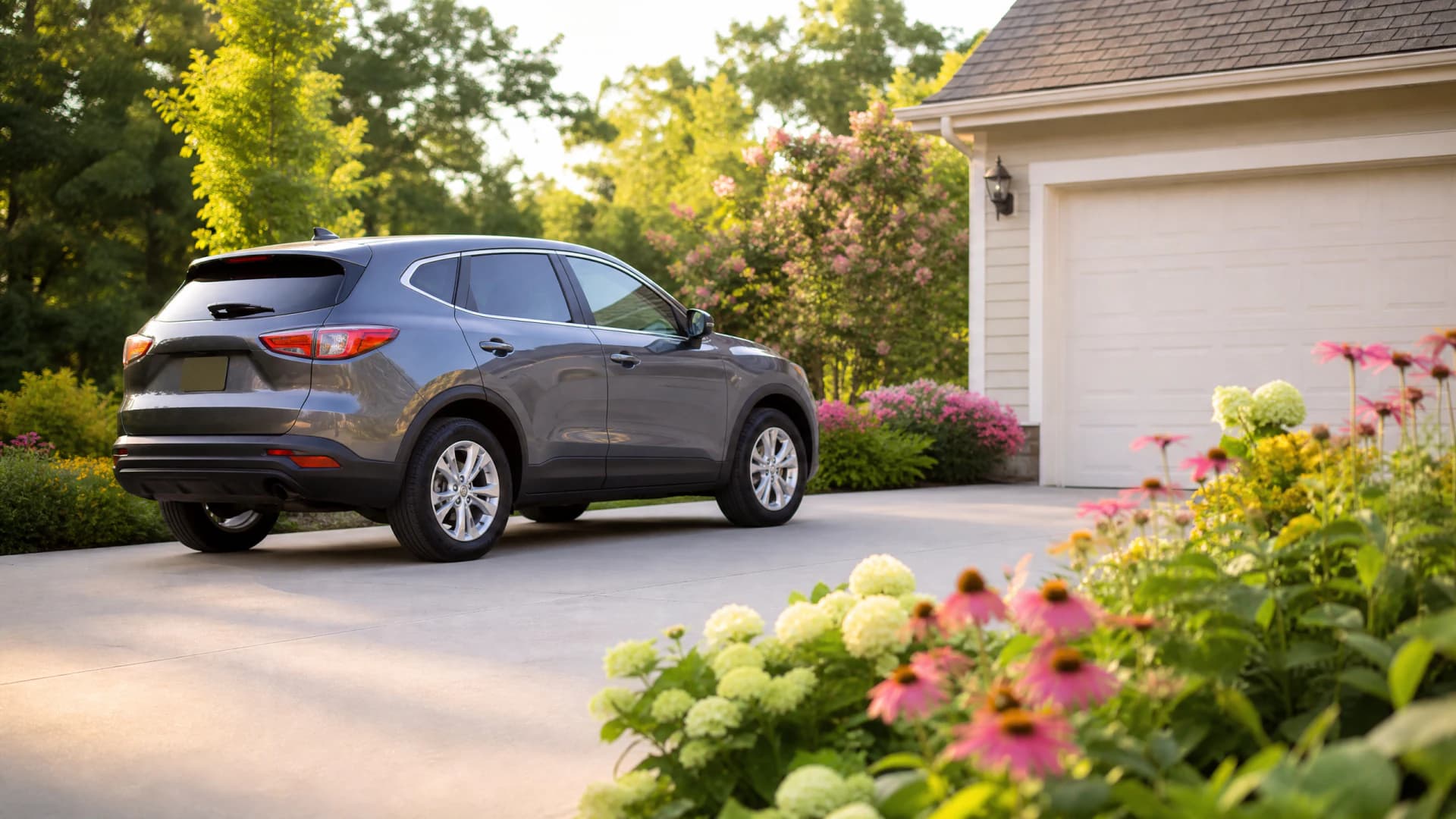
Your auto policy pays claims based on where the vehicle is garaged, not where you hold registration. If your policy lists your Baltimore home as the garaging address but your car is damaged in Pinehurst — whether by hail, theft, or collision — your carrier can deny the comprehensive or collision claim on the grounds that you misrepresented the vehicle's location.
This is the most common coverage failure for snowbirds who assume that keeping Maryland registration means their Maryland-based policy automatically covers them in North Carolina. It does cover liability in both states under the policy's standard out-of-state provision, but it does not cover physical damage to your vehicle if the insurer was never told the car spends half the year 500 miles south of the garaging zip code on file.
The fix is simple: contact your carrier before your first winter in Pinehurst and request a seasonal garaging address update. Most insurers process this as a policy endorsement with no fee. You provide the Pinehurst address and the approximate dates you'll be there each year, and the carrier notes both locations in your policy file. If you file a claim in either state, the garaging record matches the loss location and the claim processes normally.
Get Covered in Both of Your Home States
Compare Snowbird Auto Insurance RatesHow North Carolina's Contributory Negligence Rule Affects Your Liability Coverage
North Carolina is one of four states that applies pure contributory negligence in auto accident claims. If you are found even 1% at fault in a collision, you cannot recover damages from the other driver — even if they were 99% at fault. This rule does not change your liability coverage requirements, but it makes your own collision coverage far more important than it would be in Maryland.
Maryland uses a modified comparative negligence system. You can recover damages as long as you are less than 50% at fault, with your recovery reduced by your percentage of fault. In practice, this means Maryland drivers can sometimes rely on the other party's liability coverage even in disputed-fault accidents. North Carolina drivers cannot.
If you carry liability-only coverage or dropped collision to save money after paying off your vehicle, you have no coverage for your own vehicle damage in a North Carolina accident where you share any fault — even minor fault. Carriers do not automatically flag this risk when you add a Pinehurst garaging address. If you're driving in North Carolina for 4–6 months per year, your collision coverage is covering you in a contributory negligence state for half your annual mileage. Dropping it to save $30–$50 per month creates a coverage gap most snowbirds don't realize exists until they file a claim.

Which Carriers Write Policies That Cover Two-State Snowbird Situations Without Policy Splitting
State Farm, Nationwide, and Travelers write single policies that cover seasonal multi-state garaging without requiring separate policies in each state. You report both addresses, the carrier applies a blended rate, and your policy ID and coverage limits remain the same whether you're in Baltimore or Pinehurst. These carriers have underwriting systems built to handle snowbird customers and do not flag seasonal address changes as risk events.
GEICO and Progressive allow seasonal address updates but handle them as policy modifications that may trigger a new underwriting review at each change. This does not mean they deny coverage or require two policies, but it does mean your rate may adjust more noticeably when you report the move, and you may be asked to confirm your primary garaging location more frequently.
Some regional carriers and non-standard insurers restrict multi-state coverage or require the vehicle to be garaged at the policy address for at least 9 months per year. If your current carrier cannot accommodate a seasonal Pinehurst address, you will need to shop for a carrier that writes policies for snowbird drivers. This is more common with budget carriers and state-assigned risk pools than with national carriers. Ask directly: "Does this policy cover a vehicle garaged in North Carolina for 5 months and Maryland for 7 months under a single policy, or will I need separate policies?"

What to Report to Your Carrier Before Your First Winter in Pinehurst
Contact your insurer at least 30 days before you leave for North Carolina and provide: your Pinehurst address, the approximate dates you will be there, and confirmation that you will be driving the insured vehicle between both states. Ask for written confirmation that both garaging locations are noted in your policy file and that your coverage applies in both states without restriction.
Request a rate quote that reflects the seasonal split. Some carriers will lower your rate slightly because Pinehurst's lower theft and collision rates offset Baltimore's higher risk, but this is not universal. If your rate increases, ask for the specific rating factors that changed — it should be based on the North Carolina zip code's loss history, not a penalty for having two addresses.
Confirm that your liability limits meet or exceed North Carolina's minimum requirements. North Carolina requires 30/60/25 liability coverage: $30,000 per person for bodily injury, $60,000 per accident, and $25,000 for property damage. Maryland requires 30/60/15. If your current Maryland policy meets Maryland's minimums but not North Carolina's property damage minimum, you are underinsured while driving in Pinehurst. Most insurers will flag this automatically when you add the North Carolina address, but verify it yourself rather than assuming the system caught it.
Frequently Asked Questions
Do I need to buy separate car insurance for my North Carolina winter home?
No. Most national carriers write a single policy that covers both your Maryland and North Carolina addresses as long as you report both garaging locations and your stay in North Carolina is under 6 months per year. Your carrier applies a blended rate based on the time spent in each state.
Will my car insurance rate go up if I add a Pinehurst address?
It depends on your carrier and your specific Baltimore zip code. Pinehurst's lower theft and collision rates sometimes offset Baltimore metro risk, resulting in a lower blended rate. Other carriers may increase your rate slightly based on out-of-territory risk factors. Request a quote before making the change.
What happens if I file a claim in North Carolina but my policy lists my Baltimore address?
Your liability coverage applies in both states regardless of your listed garaging address. Your comprehensive and collision coverage may be denied if the insurer was never told your vehicle is garaged in Pinehurst for part of the year, because garaging location directly affects physical damage risk rating.
Can I keep my Maryland registration if I spend winters in North Carolina?
Yes. North Carolina does not require you to register your vehicle in-state if your stay is under 6 months and you maintain a permanent Maryland residence. You keep your Maryland plates and registration year-round.
Related Articles

Baltimore to Pinehurst NC: Auto Insurance for Snowbirds
4/26/2026

Baltimore to Pinehurst NC Insurance: Ages 75, 80, 85
4/26/2026

Split Residency vs NC Registration: Snowbird Guide
4/26/2026

Baltimore to Pinehurst Insurance: When Kids Step In
4/26/2026

DC to Pinehurst Snowbird Auto Coverage: What to Check
4/26/2026

Baltimore to NC: Year-1 Auto Premium Reconciliation
4/26/2026