Buffalo to The Villages FL: Timing Your Auto Policy Switch During the Move
Free to compare
When Florida Law Requires You to Register Your Vehicle
Florida statutes require vehicle registration within 10 days of establishing residency or within 10 days of accepting employment in the state. The critical threshold most Buffalo-to-Villages movers miss: you establish residency after spending 183 days in Florida during any 365-day period, regardless of where your driver's license is issued or which property you claim as your primary residence.
This 183-day count includes all time physically present in Florida across multiple trips. If you drive down in November and stay through April, you cross the threshold by late April or early May. The registration requirement begins the day after you hit 183 days, not at the end of your stay.
New York insurance policies typically extend out-of-state coverage for 90 to 180 days depending on your carrier. Once you cross Florida's residency threshold without registering, your New York policy's out-of-state protection often terminates automatically under the policy's change-of-residency clause. You become uninsured under both state's laws simultaneously.

How New York and Florida Insurance Requirements Differ
New York requires minimum liability limits of 25/50/10 (bodily injury per person/per accident/property damage in thousands). Florida requires 10/20/10 for bodily injury liability and $10,000 in property damage liability, plus $10,000 in personal injury protection regardless of fault.
The PIP requirement creates the first coverage gap. New York policies written for New York residents do not automatically include Florida-compliant PIP. Adding PIP to an existing New York policy for part-year Florida use costs $180 to $320 annually depending on your deductible selection and carrier.
Florida is a no-fault state for the first $10,000 in medical costs. New York is also no-fault but structures PIP differently. When you register in Florida, you need a Florida-issued policy that meets Florida's PIP structure, not a New York policy with a PIP endorsement. Most carriers will not allow you to maintain active policies in both states on the same vehicle simultaneously.

What Happens to Your Rate When You Switch from Buffalo to The Villages
Florida auto insurance rates for drivers 65 and older average $140 to $210 per month for full coverage, compared to $110 to $175 per month in the Buffalo metro area. The increase reflects Florida's higher uninsured motorist rate, higher frequency of weather-related comprehensive claims, and different PIP claim costs.
Your specific rate depends on your exact Villages ZIP code, your claims history over the prior five years, and whether you qualify for Florida's mature driver discount. Florida law does not mandate insurers offer mature driver discounts, but most major carriers provide 5% to 15% reductions for drivers 65 and older who complete an approved driver improvement course within the prior three years.
If you maintain a New York license and New York vehicle registration while spending winters in Florida without crossing the 183-day threshold, most carriers will rate you as a New York resident with seasonal Florida use. This avoids the Florida registration requirement but still requires notifying your carrier of the extended out-of-state period. Failing to disclose this can void coverage during a Florida claim even if your total Florida time stays under 183 days.
How to Switch Your Policy Without a Coverage Gap
Contact your current New York carrier 30 to 45 days before your planned Florida registration date. Ask whether they write policies in Florida and whether they can convert your existing policy to a Florida policy with the same effective date as your Florida registration. If your carrier writes in both states, this conversion typically processes within 5 to 10 business days and maintains your continuous coverage history.
If your New York carrier does not write in Florida or quotes a rate significantly higher than Florida-based competitors, obtain Florida quotes 45 to 60 days before you plan to register. Bind the new Florida policy with an effective date matching your planned registration date. Cancel your New York policy effective the same date to avoid paying for overlapping coverage.
Never cancel your New York policy before your Florida policy is bound and active. A coverage gap of even one day can reset your continuous coverage discount, raise your rates with the new carrier, and create liability exposure if you drive during the gap. Florida requires proof of insurance at the time of registration — you cannot register first and add insurance after.
Get Covered in Both of Your Home States
Compare Snowbird Auto Insurance Rates
Which Carriers Write Policies for Snowbirds in Both States
State Farm, Progressive, GEICO, Allstate, and Travelers all write policies in both New York and Florida and can process in-system transfers that maintain your policy history and discount eligibility. This does not guarantee they will offer the lowest rate in Florida, but it simplifies the transfer and preserves your claim-free tenure.
Some carriers writing in Florida do not write in New York or vice versa. If you switch to a Florida-only carrier, you lose the option to simply convert back to a New York policy if you later decide to return to year-round Buffalo residency. You would need to re-shop and re-qualify as a new customer.
USAA, if you qualify for membership, writes in both states and historically offers competitive rates for drivers 65 and older in Florida. Erie Insurance writes in New York but not in Florida as of current filings. If Erie is your current carrier, you will need to switch carriers entirely when you register in Florida.

What to Do If You Realize You Crossed the 183-Day Threshold Without Registering
Register your vehicle in Florida immediately and obtain a Florida insurance policy effective the same day. Florida law allows a 10-day grace period from the date you establish residency, but that period begins the day after you cross 183 days, not the day you realize you crossed it.
Contact your New York carrier and disclose the situation. Ask whether your policy remained valid during the period after you crossed the threshold but before you registered in Florida. Some carriers will extend coverage retroactively if the gap was short and unintentional; others will deny any claims filed during that period and may non-renew your policy for material misrepresentation.
If you were involved in an accident or received a citation during the uninsured period, consult an attorney before filing a claim or responding to the other party's insurer. Driving uninsured in Florida carries fines starting at $150, potential license suspension, and reinstatement fees. Your New York license can also be suspended for failing to maintain required insurance on a vehicle registered in your name, even if that vehicle is in Florida.
How Homestead Status and License Address Affect the Timing
Florida homestead exemption and the 183-day vehicle registration trigger operate on independent timelines. You can file for homestead on your Villages property without triggering the vehicle registration requirement if you spend fewer than 183 days per year in Florida. You can also cross the 183-day threshold and owe vehicle registration even if you never file for homestead and maintain your New York property tax exemptions.
Your driver's license address does not control the registration requirement. Florida allows you to maintain an out-of-state license while registering your vehicle in Florida, though you must provide proof of identity and Florida residency to complete the registration. Most snowbirds eventually switch their license to Florida for convenience, but the license switch is not legally required to register the vehicle.
If you maintain a New York license and register your vehicle in Florida, some carriers will rate you as a Florida resident regardless of your license state. Others will apply a multi-state rating that blends both states' risk factors. Ask your carrier or agent which approach they use before binding coverage.
Frequently Asked Questions
Can I keep my car registered in New York if I spend winters in Florida?
Yes, as long as you spend fewer than 183 days in Florida during any 365-day period. Once you cross 183 days, Florida law requires you to register your vehicle in Florida within 10 days regardless of where your license is issued or which state you consider your primary residence.
Do I need to tell my insurance company I'm spending the winter in Florida?
Yes. Most policies require you to notify your carrier of extended out-of-state use lasting more than 30 to 60 days. Failing to disclose this can void coverage during a Florida claim even if you are not required to register in Florida. Your carrier may add a seasonal-use endorsement or adjust your rate.
Will my New York car insurance cover me in Florida?
Your New York policy typically extends coverage for 90 to 180 days of out-of-state use depending on your carrier. Once you exceed that period or cross Florida's 183-day residency threshold without registering, your out-of-state coverage extension often terminates automatically. You become uninsured under both states' laws.
How much more does car insurance cost in Florida compared to Buffalo?
Florida auto insurance for drivers 65 and older averages $140 to $210 per month for full coverage, compared to $110 to $175 per month in the Buffalo area. The increase reflects Florida's higher uninsured motorist rate, more frequent weather-related claims, and PIP requirements. Individual rates vary by ZIP code, driving history, and coverage selections.
What happens if I get in an accident in Florida with New York plates and insurance?
If you are within your policy's out-of-state coverage period and have not crossed the 183-day Florida residency threshold, your New York policy should cover the claim. If you exceeded either limit without notifying your carrier or registering in Florida, your carrier may deny the claim for material misrepresentation or policy violation.
Related Articles

Buffalo to The Villages FL Snowbird Auto Insurance Guide
4/26/2026

Buffalo to The Villages FL Insurance: Ages 75-85
4/26/2026

Rochester to The Villages FL: When to Switch Insurance
4/26/2026

Buffalo to Cape Coral: When to Switch Your Auto Policy
4/26/2026
Long Island to The Villages: Switching Your Auto Policy
4/26/2026
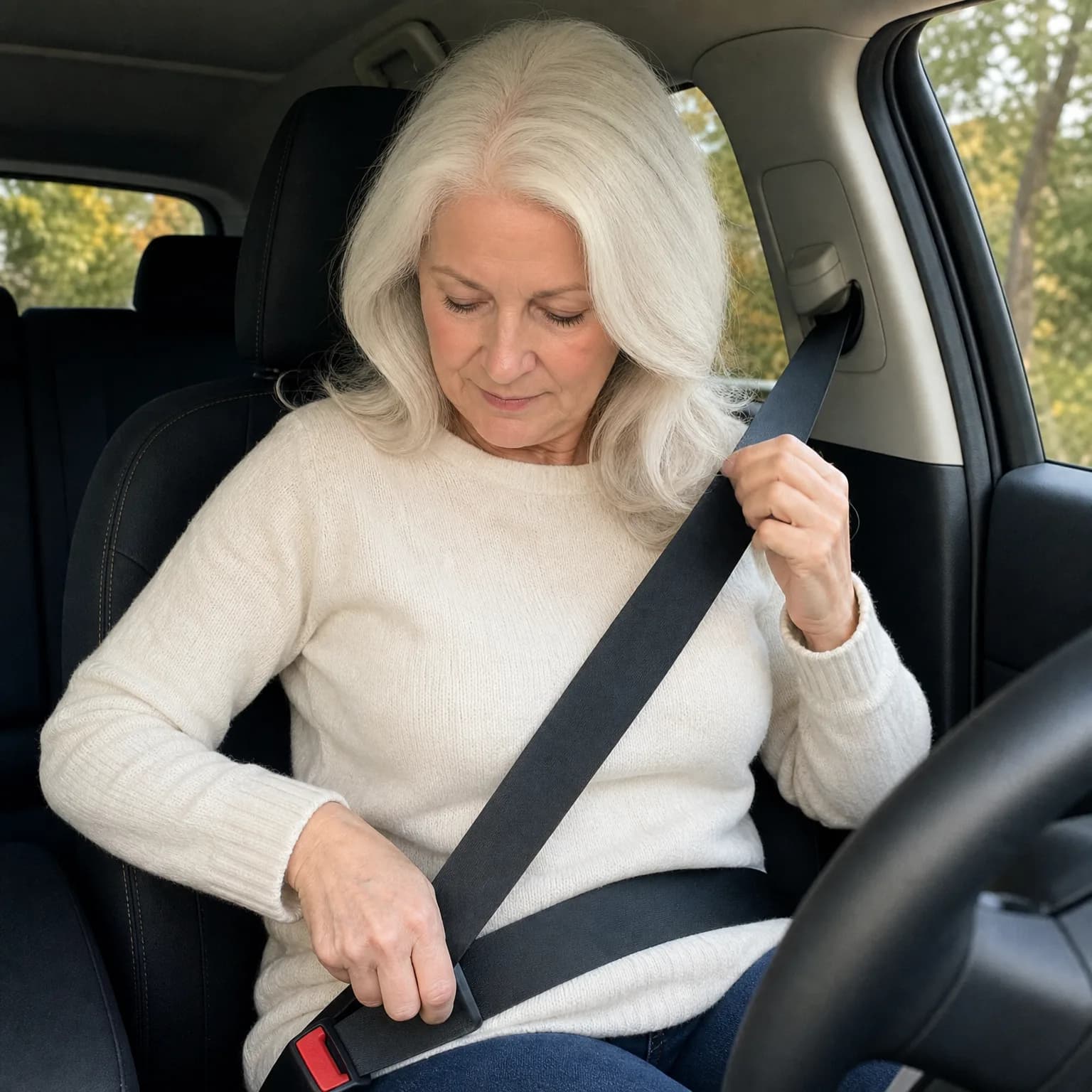
NY-FL Snowbird Auto Insurance Coverage Gap Risk
5/19/2026