
Central Jersey to The Villages FL: Auto Insurance Before Selling
Free to compare
When Does Florida Require You to Register Your Vehicle?
Florida law requires you to register your vehicle within 10 days of accepting employment in the state or enrolling children in public school, or within 90 days of establishing residency. Establishing residency means declaring Florida as your permanent home — filing for homestead exemption, registering to vote, or obtaining a Florida driver license all trigger the residency clock.
The confusion happens because snowbirds spending winters in Florida don't trigger the residency rule as long as they maintain a primary residence elsewhere and return north seasonally. The moment you decide to sell your New Jersey home and stay in Florida year-round, you've established residency, even if the house hasn't closed yet.
Most seniors assume the registration clock starts when they sell the northern property. It doesn't. It starts when you establish intent to remain permanently, which often happens months before closing. If you listed your NJ home for sale, moved your primary belongings to Florida, and changed your voter registration, you've likely already started the 90-day countdown.

How Your Current NJ Policy Handles the Florida Move
Your New Jersey auto insurance policy remains valid while you're a New Jersey resident, but the moment you establish Florida residency, your carrier expects notification within 30 days. Most standard policies include a clause requiring you to report any change in garaging address — where the vehicle is parked overnight most of the year.
If you're still insured in New Jersey but your car has been parked at your Villages address for four months, you're technically misrepresenting your garaging location. Carriers can deny claims or cancel coverage retroactively if they discover the vehicle was garaged out-of-state without notification. This happens most often after an accident when the carrier investigates and finds you've been a Florida resident longer than you reported.
Some carriers write policies across both states and can endorse your existing policy to reflect the Florida address without canceling and rewriting. Others require you to cancel the NJ policy and start fresh with a Florida policy. Call your current carrier before you move and ask specifically whether they can transfer your policy or whether you need to start over.

What Happens to Your Rate When You Move to Florida
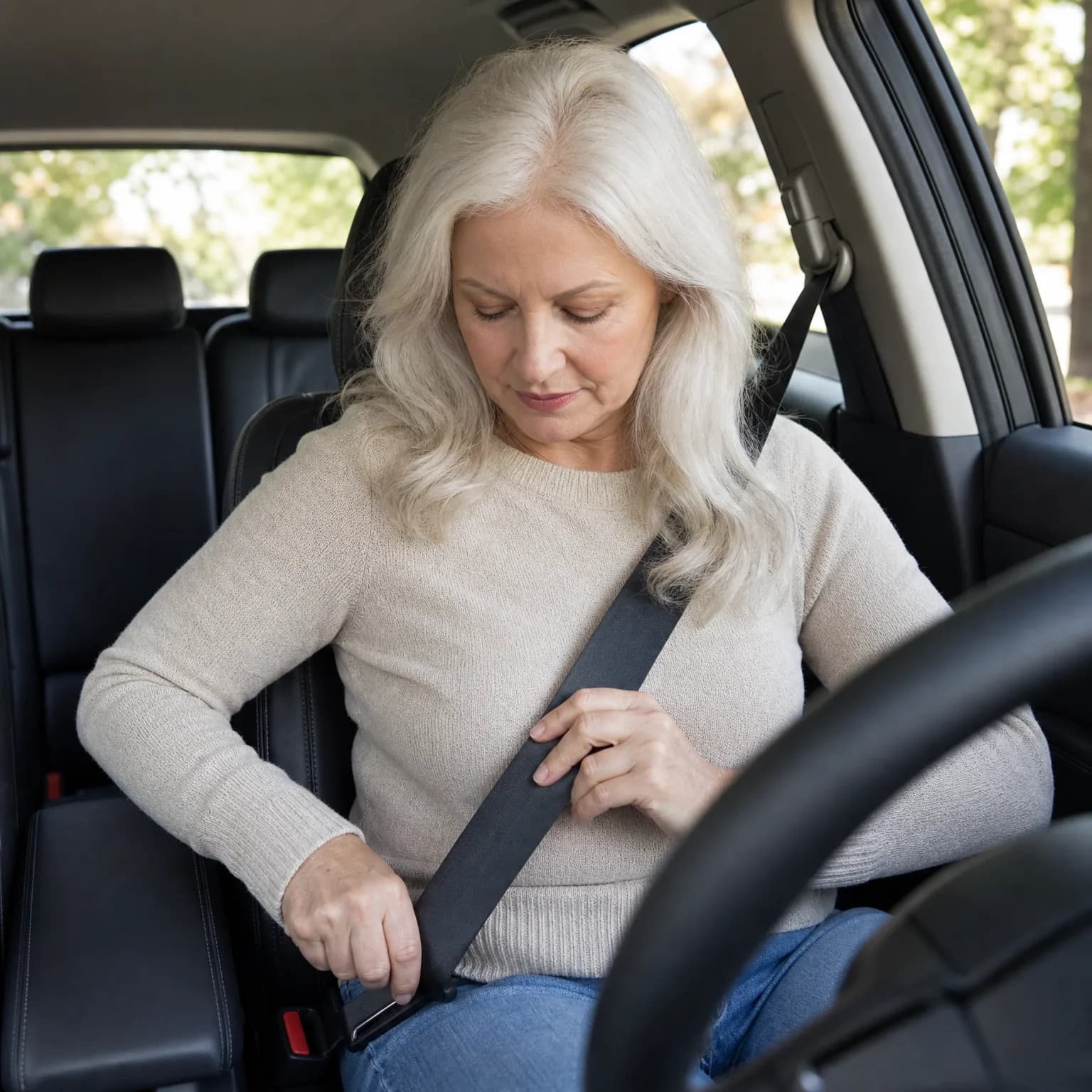
Florida auto insurance rates average $180–$280 per month for drivers over 65, compared to New Jersey's $120–$210 per month range. Florida's higher rates reflect no-fault personal injury protection (PIP) requirements, higher uninsured motorist rates, and weather-related comprehensive claims from hurricanes and flooding.
Your New Jersey driving record, claims history, and years of continuous coverage transfer to Florida. Most carriers give credit for your clean record regardless of where you earned it. If you've been claim-free for five years in New Jersey, that counts in Florida.
The rate increase isn't universal. Some seniors moving from high-cost New Jersey ZIP codes to lower-density areas around The Villages see rates drop, especially if they're reducing annual mileage and qualifying for low-mileage or retirement discounts. Request Florida quotes from at least three carriers 60 days before your move — rates vary by $100+ per month between carriers for identical coverage.
Florida's Minimum Coverage Requirements vs. What You Actually Need
Florida requires $10,000 in personal injury protection (PIP) and $10,000 in property damage liability (PDL). Florida does not require bodily injury liability coverage unless you've had certain violations, which makes it one of the few states where you can legally drive without liability coverage for injuries you cause to others.
This minimum-only approach leaves significant gaps. If you cause an accident that injures another driver, your $10,000 PDL pays for their vehicle damage but nothing for their medical bills, lost wages, or pain and suffering. They sue you personally for the remainder, and your retirement assets are exposed.
Most financial advisors recommend $100,000/$300,000 bodily injury liability and $100,000 property damage liability for drivers with assets to protect. If you own your home in The Villages outright and have retirement savings, carrying only the state minimum creates more risk than most seniors realize. Comprehensive and collision coverage remain optional but advisable if your vehicle is worth more than $5,000.

Get Covered in Both of Your Home States
Compare Snowbird Auto Insurance Rates
The Title and Registration Sequence That Avoids Penalties
Register your vehicle in Florida within 90 days of establishing residency, even if your New Jersey home hasn't sold yet. You'll need your current vehicle title, proof of Florida auto insurance, proof of identity, and proof of Florida residency — a lease, deed, utility bill, or voter registration card works.
If your vehicle has a lien, the lienholder holds the title and you'll need to request a letter of lien satisfaction or authorization to transfer registration. Most banks and credit unions process these requests within 10 business days. Start this process 30 days before your planned move.
Pay the Florida registration fee, local county tax, and title transfer fee at your county tax collector office. Fees vary by county but typically range from $225 to $400 for a standard passenger vehicle. Failing to register within the 90-day window triggers a $500 late penalty plus retroactive registration fees from the date you should have registered.

How Selling Your NJ Home Affects Insurance Timing
Selling your New Jersey home doesn't directly affect your auto insurance timeline, but it does clarify your residency status. If you're waiting to sell before you consider yourself a Florida resident, you're likely misunderstanding the legal standard.
Florida defines residency based on where you live most of the year and where you've established legal and financial ties. Owning property in New Jersey doesn't prevent Florida residency — plenty of Florida residents own rental properties or vacation homes elsewhere. The question is: where do you live now, and where do you intend to stay?
If you've moved to The Villages, transferred your voter registration, filed for homestead exemption, or obtained a Florida driver license, you're a Florida resident under state law regardless of whether your New Jersey house has closed. Notify your auto insurance carrier of your Florida address within 30 days of the move, even if you're still waiting on the sale.
Which Carriers Write Policies for Seniors Moving to The Villages
Most national carriers write policies in Florida and allow mid-term address changes for existing customers. State Farm, GEICO, Progressive, Allstate, and Travelers all operate in Florida and typically offer discounts for drivers over 65 who complete defensive driving courses approved by the state.
Some carriers specialize in Florida's retirement communities and offer package discounts for bundling auto and homeowners coverage. If you're buying a home in The Villages, request a bundled quote — savings range from 10% to 25% compared to separate policies.
Florida also has carriers that focus on senior drivers and offer more flexible underwriting for drivers with minor violations or lapses in coverage. If you've had a lapse between selling one home and buying another, or if you're coming off a policy that was in your spouse's name only, ask about senior-focused carriers that don't penalize gaps related to life transitions.
Frequently Asked Questions
Can I keep my New Jersey auto insurance after I move to Florida permanently?
No. Once you establish Florida residency, your New Jersey policy no longer covers you correctly because your vehicle is garaged in Florida, not New Jersey. Carriers require you to report your garaging address within 30 days, and most will either endorse your policy to reflect Florida or require you to cancel and start a Florida policy. Failing to report the move can result in claim denial.
Do I have to register my car in Florida before I sell my New Jersey home?
Yes, if you've established Florida residency. Florida law requires registration within 90 days of establishing residency, which happens when you move to Florida with intent to stay permanently — not when your northern home sells. If you've changed your voter registration, filed for homestead exemption, or obtained a Florida driver license, you've established residency and the 90-day registration countdown has started.
Will my car insurance rate go up when I move from New Jersey to Florida?
Rates typically increase because Florida requires personal injury protection (PIP) coverage and has higher uninsured motorist rates, but the increase varies by carrier and location. Florida rates average $180–$280 per month for drivers over 65, compared to New Jersey's $120–$210 range. Seniors moving to lower-density areas and reducing mileage may qualify for discounts that offset the base rate increase.
What auto insurance do I need in Florida if I own my home and have retirement savings?
Florida's minimum coverage — $10,000 PIP and $10,000 property damage liability — leaves your assets exposed if you cause a serious accident. Most advisors recommend $100,000/$300,000 bodily injury liability and $100,000 property damage liability for seniors with assets to protect. Add comprehensive and collision if your vehicle is worth more than $5,000.
Related Articles

NJ to Naples FL: Auto Insurance Before Selling Your Home
4/26/2026

NJ to FL Move: Auto Insurance Steps for Snowbirds
4/26/2026
NJ to The Villages FL: When to Switch Auto Insurance
4/26/2026

NJ to Boca Raton: When to Switch Auto Insurance
4/26/2026

NJ to Boca/Delray Snowbirds: Florida Registration Rules
4/26/2026

NJ to FL Move: Auto Insurance Steps for Snowbirds
4/26/2026