
Cleveland to Hilton Head: Insurance and License Medical Review After a New Diagnosis
Free to compare
Does a New Medical Diagnosis Affect Your Two-State Auto Insurance Coverage?
A new medical diagnosis doesn't automatically change your auto insurance coverage, but it triggers reporting requirements in most states that can invalidate your policy if you don't follow them. Ohio requires drivers to report specific conditions like seizure disorders, vision loss, or cognitive impairment to the Bureau of Motor Vehicles within 10 days of diagnosis. South Carolina has similar physician-reporting requirements for conditions that could impair driving ability.
If your diagnosis falls under mandatory reporting categories and you drive to Hilton Head before completing any required medical review, your insurance coverage can be voided retroactively in both states. Carriers include policy language that requires you to maintain a valid license at all times. If Ohio suspends your license pending medical review and you're driving in South Carolina on that suspended license, your policy provides no coverage.
The gap most snowbird drivers miss: your doctor may be required to report your diagnosis to the state DMV even if you don't. Ohio law requires physicians to report diagnoses of epilepsy, severe diabetes with hypoglycemic episodes, dementia, and several other conditions directly to the BMV. You can be unaware a review has been initiated until you receive notice that your license is suspended pending medical clearance.
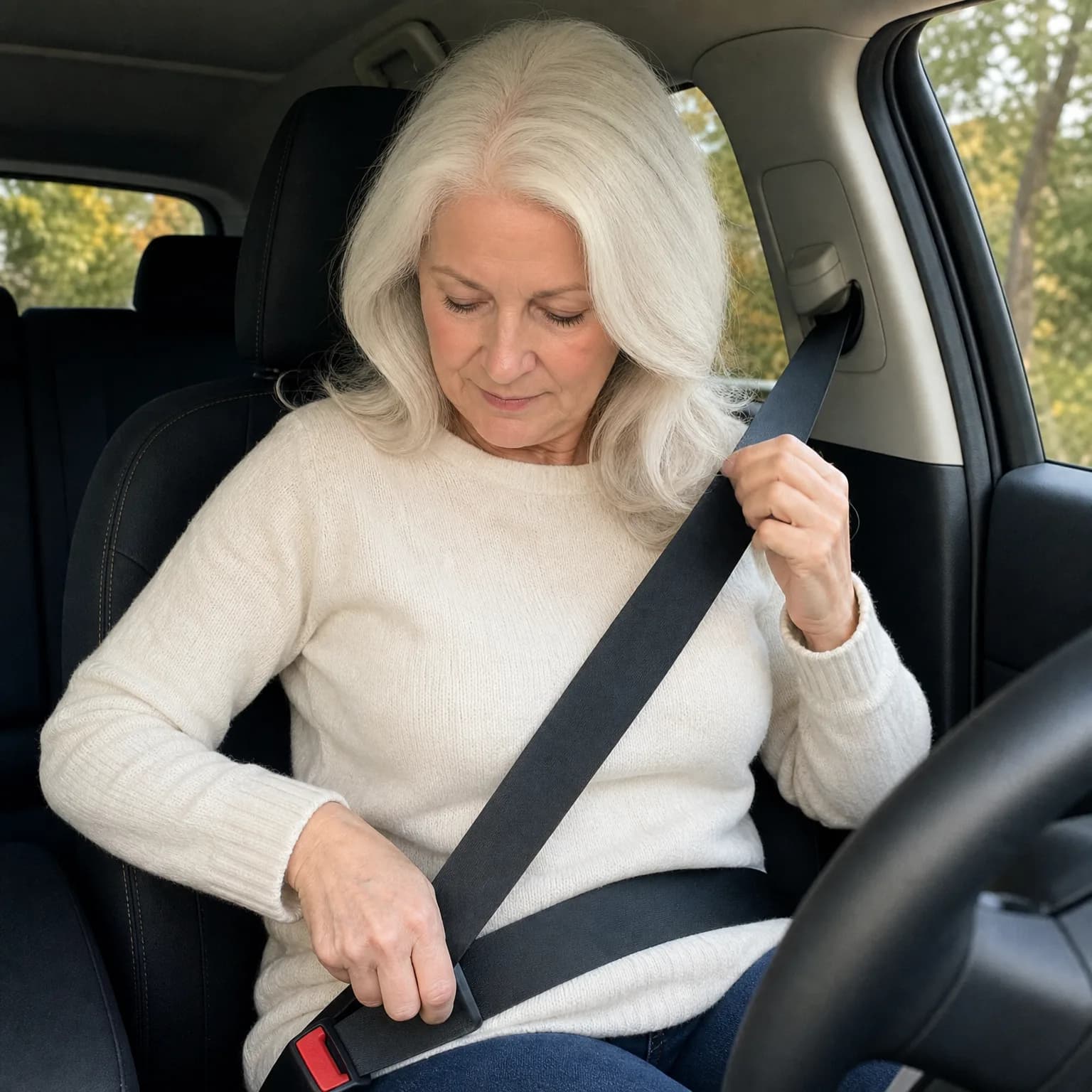
How Does Ohio's Medical Review Process Work If You're Leaving for South Carolina?
Ohio's Bureau of Motor Vehicles initiates medical reviews within 5 to 10 business days of receiving a physician report or a renewal flag. You receive a letter requiring you to submit a Medical Report Form completed by your treating physician within 30 days. Your license remains valid during this initial 30-day window unless the BMV issues an immediate suspension for acute risk conditions.
If you're planning to drive to Hilton Head during this period, you must either complete the medical review before leaving or postpone your departure. Once the 30-day window expires without a submitted form, Ohio suspends your license automatically. Driving on a suspended Ohio license in South Carolina means your insurance provides no collision, liability, or injury coverage for any accident that occurs.
Most carriers don't monitor license status in real time, so you won't receive a warning from your insurance company that your coverage has lapsed. The gap becomes visible only when you file a claim and the carrier pulls your license history during the investigation. At that point, the claim is denied and you're personally liable for all damages and injuries.

Can You Maintain Coverage in Both States If Your Ohio License Is Under Medical Review?
You cannot legally drive in South Carolina if your Ohio license is suspended, even if you have valid South Carolina vehicle registration. South Carolina recognizes out-of-state license suspensions under the Driver License Compact, which means a suspension in Ohio is treated as a suspension in South Carolina. Your insurance policy requires you to hold a valid license in at least one state where you operate the vehicle.
If your medical review is pending but your Ohio license has not yet been suspended, you can continue driving in both states. The critical date is the suspension effective date on the BMV notice, not the date you received the initial medical review letter. Most reviews take 45 to 90 days to complete from submission of the physician form to final reinstatement.
Some snowbird drivers attempt to switch their primary license to South Carolina to avoid Ohio's review process, but this strategy fails if South Carolina requests your driving record from Ohio during the license transfer. South Carolina will not issue a new license if your Ohio record shows an active suspension or pending medical review. You must resolve the Ohio review and obtain full reinstatement before transferring your license to another state.

Get Covered in Both of Your Home States
Compare Snowbird Auto Insurance RatesWhat Should You Tell Your Insurance Carrier About a New Diagnosis?
You are not required to proactively report a medical diagnosis to your auto insurance carrier unless it results in a license suspension, restriction, or required vehicle modification. Carriers do not ask about health conditions on policy applications for drivers over 65 in most states, and HIPAA prohibits them from accessing your medical records without your consent.
You must report a license suspension or restriction to your carrier immediately. Most policies require notification within 10 to 30 days of any change in license status. Failure to report a suspension is grounds for policy cancellation and claim denial. If Ohio suspends your license pending medical review, call your carrier the same day you receive the suspension notice.
If your diagnosis requires vehicle modifications like hand controls or left-foot accelerator pedals, report the modification to your carrier before installation. Some carriers offer premium discounts for adaptive equipment that improves safety. The modification itself doesn't increase your rate, but operating a modified vehicle without updating your policy can create coverage gaps if the modification is determined to have contributed to an accident.

How Do You Postpone or Accelerate Your Drive to Hilton Head During a Medical Review?
If you receive a medical review notice within 30 days of your planned departure, contact the Ohio BMV Medical Review Unit directly to request expedited processing. Explain that you maintain a seasonal residence in South Carolina and provide your planned travel dates. The BMV can prioritize your case if your physician submits the required form within 5 business days and the form shows no acute risk factors.
If expedited review isn't possible, postpone your drive until you receive written reinstatement confirmation from the BMV. Flying to South Carolina and leaving your vehicle in Ohio is the safest option if your review will extend past your departure date. Some snowbird drivers ship their vehicle using an auto transport service rather than driving on an uncertain license status, though this adds $800 to $1,400 in transport costs for the Cleveland to Hilton Head route.
Never attempt to drive to South Carolina after your suspension effective date, even if you believe your condition is controlled or your physician has privately cleared you to drive. Your insurance carrier will deny any claim that occurs while your license is suspended, and you face criminal penalties in both states for driving under suspension. South Carolina classifies driving under suspension as a misdemeanor with fines up to $300 and potential jail time for repeat offenses.

What Happens to Your South Carolina Coverage If You Can't Complete the Drive?
If you maintain vehicle registration in both Ohio and South Carolina, your insurance policy typically covers the vehicle at whichever address you declare as the garaging location. If your Ohio medical review prevents you from driving to South Carolina for the winter season, contact your carrier to update your garaging address to Ohio for the duration of the review period. Rates in Ohio are typically $20 to $60 per month higher than coastal South Carolina rates for drivers over 65, so expect a midterm premium adjustment.
If you own a second vehicle that remains garaged in South Carolina year-round, that vehicle's coverage is unaffected by your Ohio license suspension as long as you don't drive it. Some snowbird couples maintain separate policies in each state to avoid this complication: the spouse with the cleanest driving record holds the South Carolina policy, while the other spouse maintains the Ohio policy. This approach works only if both spouses have valid licenses in their respective states.
If you must cancel your South Carolina coverage entirely due to an extended medical review, request a policy suspension rather than full cancellation. Most carriers allow seasonal suspension with storage coverage that maintains comprehensive protection against theft, weather, and vandalism for $15 to $40 per month. This preserves your policy history and avoids a coverage gap that would increase your rates when you reinstate full coverage after completing your medical review.
Frequently Asked Questions
Can I drive in South Carolina with an expired Ohio license if I'm waiting for medical review results?
No. South Carolina does not recognize expired or suspended out-of-state licenses as valid driving credentials. You must hold a current, valid license from at least one state to drive legally in South Carolina, and your insurance will not cover any accident that occurs while driving on an expired or suspended license.
Does South Carolina require its own medical review if I transfer my license during an Ohio review?
South Carolina will not issue a new license while your Ohio record shows an active suspension or pending medical review. You must complete Ohio's review process and receive full reinstatement before South Carolina will process a license transfer application. South Carolina may also require its own medical review if your diagnosis falls under their physician-reporting requirements.
Will my insurance rate increase after I complete a medical review?
Completing a medical review without restrictions typically does not increase your rate. If the review results in license restrictions like daylight-only driving or geographic limits, some carriers increase rates by 10 to 25 percent or decline to renew your policy. Restrictions that require vehicle modifications usually have no rate impact.
How long does an Ohio medical review take from start to reinstatement?
Most Ohio medical reviews take 45 to 90 days from the date you submit your physician's completed form to the date you receive reinstatement confirmation. Expedited reviews for seasonal residents can be completed in 15 to 30 days if your physician submits the form within 5 business days and the review shows no acute risk factors.
Can my adult child drive my car to South Carolina if my license is suspended?
Yes, if your adult child holds a valid license and is listed as a covered driver on your policy. The vehicle itself is insured regardless of who drives it, as long as the driver has your permission and meets your policy's driver requirements. Contact your carrier to add your adult child as a named driver before the trip to avoid coverage questions.
Related Articles
Medical Review After Diagnosis: Baltimore to Hilton Head
4/26/2026

Medical Review & Snowbird Insurance: VA to SC
4/26/2026

NYC to Hilton Head: Insurance After a Medical Diagnosis
4/26/2026

Boston to Hilton Head: Snowbird Insurance After Diagnosis
4/26/2026

Cleveland to Cape Coral Insurance After a Diagnosis
4/26/2026

Snowbird Insurance After Medical Diagnosis | IL to SC
4/26/2026