
Cleveland to The Villages FL: Insurance Steps Before Selling Your Northern Home
Free to compare
Why Selling Your Cleveland Home Changes Your Insurance Timeline
Selling your primary residence in Ohio converts you from a seasonal snowbird to a Florida resident in the eyes of insurance carriers and the DMV, even if you still own property up north. Most drivers assume they can wait until they arrive in Florida for the winter to handle registration and insurance changes. That assumption costs them valid coverage.
Ohio considers you a resident as long as you maintain a primary residence there. Florida defines residency by where you live more than six months per year or where your primary legal address sits. The moment you close on the sale of your Cleveland home without another Ohio primary residence, Florida becomes your legal domicile regardless of your physical location.
Your current Ohio auto insurance policy likely excludes coverage for vehicles garaged at an out-of-state address more than 30 consecutive days. Once you sell the Cleveland property, you no longer have an Ohio garaging address. If you're already in Florida when the sale closes, you've been driving without valid coverage since day 31.

Florida Registration Requirements After Selling Your Northern Home
Florida law requires new residents to register their vehicles and obtain a Florida driver's license within 10 days of establishing residency. Establishing residency occurs when you register to vote, enroll children in school, file for a homestead exemption, or sell your out-of-state primary residence while maintaining a Florida address.
The 10-day window starts the day you close on the sale of your Ohio home, not the day you physically move your belongings to Florida. If you're spending the summer in Ohio at a rental, vacation property, or with family after selling your primary residence, you're technically a Florida resident living temporarily out of state.
Failing to register within 10 days doesn't usually result in enforcement unless you're stopped by law enforcement or involved in an accident. At that point, you face registration penalties, potential license suspension, and insurance claim denial if your carrier discovers you were garaged in Florida while insured as an Ohio resident.
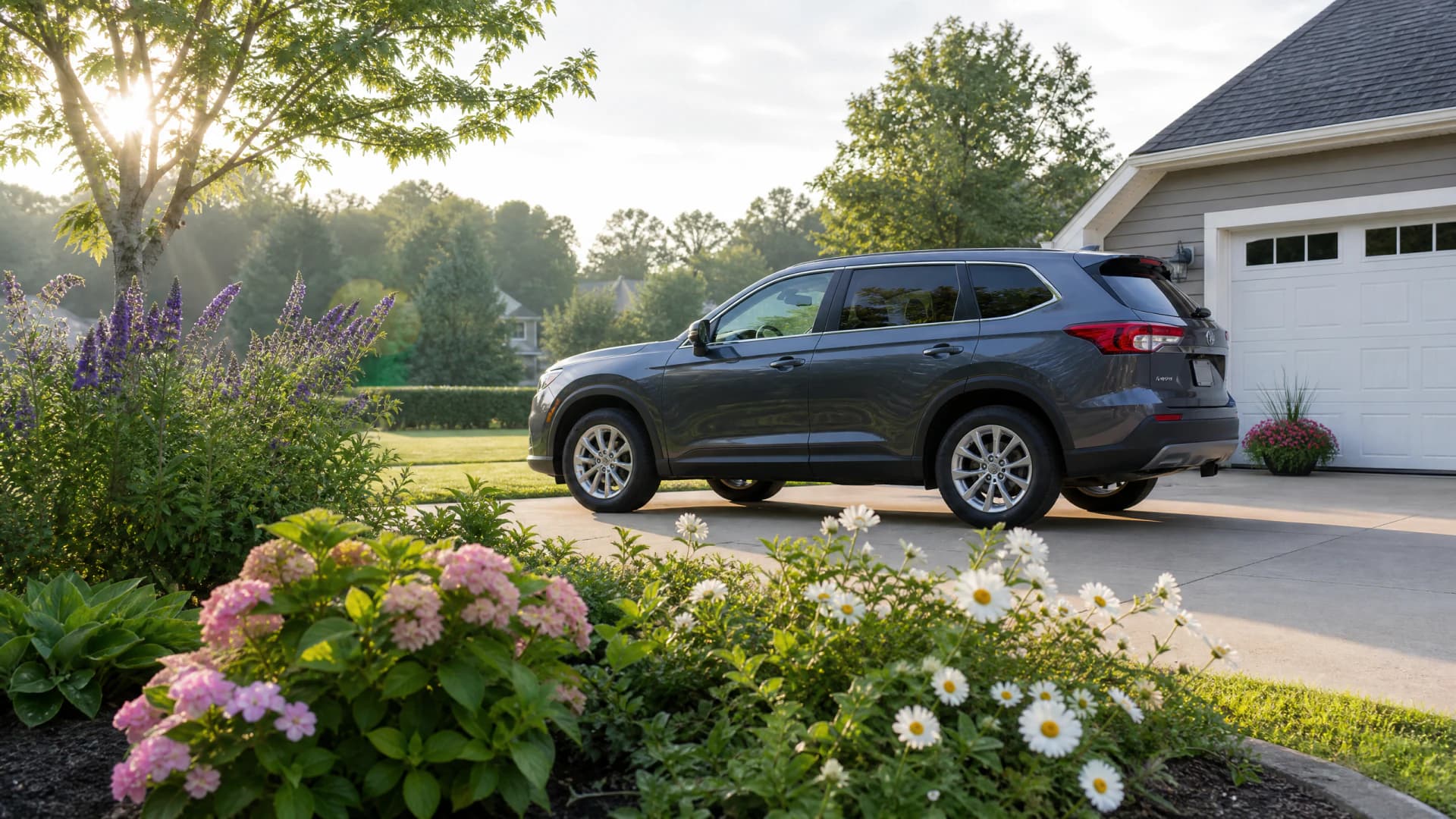

How to Update Your Auto Insurance Before Closing on the Sale
Contact your current carrier 30 to 45 days before your scheduled closing date. Ask whether they write policies in Florida and whether they can convert your Ohio policy to a Florida policy with a new garaging address. Many national carriers handle this as a policy transfer with minimal disruption.
If your carrier doesn't write in Florida or quotes a rate increase you can't accept, shop for Florida coverage before you close. Bind the new Florida policy with an effective date matching your closing date or the day after. Cancel your Ohio policy effective the same day. You want zero gap and zero overlap.
Some carriers require a Florida driver's license number before binding coverage. If you're still in Ohio at closing, you'll need to travel to Florida within 10 days to obtain the license, then provide the number to your carrier. Alternatively, some carriers accept the policy binding with an Ohio license and allow a 30-day window to update with your Florida license number. Confirm this tolerance in writing before binding.
What Happens to Your Rates When You Become a Florida Resident
Florida auto insurance rates average $180 to $320 per month for drivers over 65 with clean records, compared to Ohio's typical $95 to $160 per month range. The increase stems from Florida's no-fault system, higher uninsured motorist rates, and severe weather exposure.
Florida requires Personal Injury Protection coverage of at least $10,000, which Ohio doesn't mandate. You'll also want higher liability limits than Ohio's minimums — Florida's minimum property damage liability of $10,000 is dangerously low given the number of expensive vehicles on the road in retirement communities like The Villages.
Your rate also depends on your Florida ZIP code. The Villages area generally sees lower rates than Tampa, Miami, or Jacksonville due to lower theft and accident frequency. Expect quotes to vary by $60 to $120 per month between carriers for identical coverage. Some carriers offer discounts for gated community garaging, which applies to most Villages neighborhoods.

Get Covered in Both of Your Home States
Compare Snowbird Auto Insurance Rates
How to Handle the Transition If You're Already in Florida When You Sell
If you're spending the winter in Florida and your Cleveland home closes while you're there, update your insurance the day you receive notice of closing. Don't wait until you return to Ohio to pack or finalize the move. Your Ohio policy became invalid the moment your primary residence sold.
Call your carrier immediately and provide your Florida address as your new garaging location. If they write in Florida, they'll process the change as a mid-term policy update. Your rate will adjust, and you'll receive a new policy declaration page reflecting Florida coverage.
If your carrier doesn't write in Florida, you'll need to bind a new policy immediately and cancel the Ohio policy. Some carriers allow same-day binding if you provide vehicle VIN, current coverage details, and payment information by phone. Others require 24 to 48 hours. During any gap, you're driving uninsured and personally liable for any accident.

Which Coverages to Adjust When Moving from Ohio to Florida
Comprehensive coverage becomes more valuable in Florida due to hurricane risk, flooding in low-lying areas, and higher rates of vehicle theft in some regions. If you carried minimum coverage in Ohio, consider increasing to actual cash value or stated value coverage in Florida.
Uninsured motorist coverage is critical in Florida. Roughly 20% of Florida drivers carry no insurance, compared to Ohio's 12%. Many snowbirds skip UM coverage to save $15 to $30 per month, then face five-figure out-of-pocket costs after an at-fault uninsured driver hits them.
Medical payments coverage overlaps partially with Florida's required PIP but covers passengers and situations PIP excludes. If you frequently drive friends or family members, $5,000 to $10,000 in medical payments coverage adds $8 to $18 per month and closes gaps PIP leaves open.
What to Do If You're Keeping a Second Property in Ohio
Owning a vacation home, rental property, or secondary residence in Ohio after selling your primary home doesn't preserve your Ohio residency for insurance purposes. Residency follows where you spend the majority of your time and where your primary legal address sits, not property ownership.
You'll register and insure as a Florida resident even if you spend summers at an Ohio lake house. Your Florida policy covers you while driving in Ohio — all U.S. auto policies provide coverage nationwide. You don't need separate Ohio insurance unless you're garaging a second vehicle in Ohio year-round.
If you do keep a vehicle garaged in Ohio while you're in Florida for six months, tell your Florida carrier. Some will allow you to list both garaging addresses and adjust your rate accordingly. Others will require two separate policies. Failing to disclose the second garaging location gives the carrier grounds to deny claims on either vehicle.
Frequently Asked Questions
Can I keep my Ohio car insurance if I sell my Cleveland home but still visit Ohio every summer?
No. Ohio insurance requires an Ohio garaging address where the vehicle is kept overnight most of the year. Selling your primary Ohio residence ends your eligibility for Ohio insurance even if you visit or rent during summers. You'll need Florida insurance with your Florida garaging address, which covers you during Ohio visits.
How long do I have to register my car in Florida after selling my out-of-state home?
Florida law requires registration within 10 days of establishing residency. Selling your primary out-of-state residence while maintaining a Florida address establishes residency immediately, even if you're still physically in the other state when the sale closes.
Will my auto insurance rate go up when I switch from Ohio to Florida?
Most drivers see increases of $80 to $160 per month moving from Ohio to Florida. Florida requires Personal Injury Protection coverage Ohio doesn't mandate, operates under a no-fault system, and has higher uninsured motorist rates and storm risk. Rates vary significantly by ZIP code and carrier.
What happens if I'm in an accident in Florida while still insured in Ohio after selling my home?
Your Ohio carrier can deny the claim if they discover you were garaged in Florida after establishing residency there. Selling your Ohio primary residence while maintaining a Florida address triggers residency change, making your Ohio policy invalid for a vehicle garaged in Florida more than 30 consecutive days.
Related Articles

Cleveland to Cape Coral: Insurance Before Selling Home
4/26/2026

Columbus to The Villages FL: Insurance Before Selling
4/26/2026

Cincinnati to FL: Insurance Steps Before Selling Home
4/26/2026
Cleveland to The Villages: Auto Insurance for Snowbirds
4/26/2026
Moving to The Villages FL: When to Switch Your Policy
4/26/2026

Cincinnati to Cape Coral: Insurance Steps Before Selling
4/26/2026