
Columbus to Sun City West: Timing Your Arizona Auto Policy Switch
Free to compare
When Arizona Requires You to Register Your Vehicle
Arizona law requires you to register your vehicle and obtain an Arizona driver's license within 7 months of establishing residency — not 7 months from the date you arrive. Residency is established when you begin living in Arizona more than 7 months per calendar year, own or lease property, register to vote, or claim Arizona residency for tax purposes.
For snowbirds splitting time between Columbus and Sun City West, this creates a specific timing problem. If you spend November through April in Arizona (6 months) and maintain your Ohio home as your primary residence, you remain an Ohio resident and keep your Ohio registration. But if you spend November through May (7 months), you cross the residency threshold and must register in Arizona within the 7-month window.
The penalty for missing this deadline is a Class 2 misdemeanor, potential vehicle impoundment, and a gap in insurance coverage if your Ohio carrier discovers you're no longer an Ohio resident. Most carriers define residency by where the vehicle is garaged more than 6 months per year, which often triggers earlier than Arizona's legal requirement.

How Ohio and Arizona Carriers Handle Two-State Coverage
Ohio-based carriers typically allow you to maintain an Ohio policy as long as Ohio remains your legal residence and your vehicle is registered there. But they require you to notify them if your vehicle will be garaged in Arizona for more than 90 consecutive days, and some will not renew your policy if the car spends more than 6 months per year out of state.
Arizona carriers will not write a new policy until you provide proof of Arizona residency — usually an Arizona driver's license, vehicle registration, or utility bill showing an Arizona address for at least 30 days. This creates a 30- to 60-day gap between when you establish residency and when you can switch carriers, during which your Ohio carrier may no longer consider you eligible for coverage.
The cleanest solution is to maintain your Ohio policy and Ohio registration through your first full winter in Arizona, then switch to Arizona registration and an Arizona policy only after you've confirmed you'll be spending more than 7 months per year in the state. If you switch too early, you'll pay Arizona rates (which average $110–$150/mo for drivers 65+ with clean records) instead of Ohio rates (which average $90–$125/mo for the same profile).
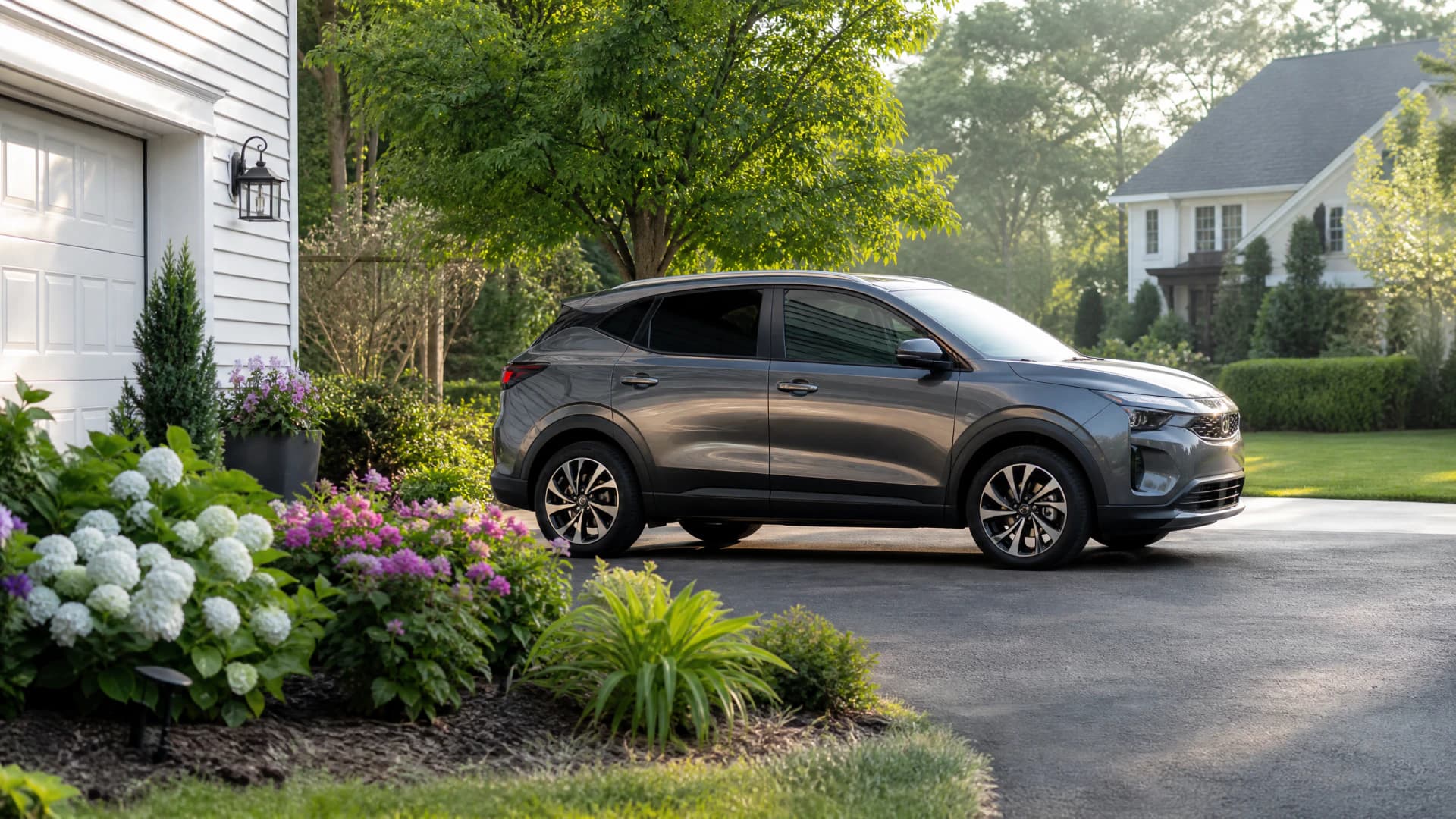

What Happens to Your Rate When You Register in Arizona
Arizona's minimum liability requirement is 25/50/15 — $25,000 per person for bodily injury, $50,000 per incident, and $15,000 for property damage. Ohio requires 25/50/25, so your liability limits will drop unless you manually increase them when you switch policies.
Rates in Sun City West specifically run 8–15% lower than Phoenix metro rates due to lower theft and accident frequency, but 5–12% higher than rural Ohio rates due to Arizona's higher uninsured motorist percentage (approximately 12% statewide versus Ohio's 9%). If you're currently paying $95/mo in Columbus for full coverage on a 2018 sedan, expect $105–$130/mo in Sun City West for equivalent coverage.
Most carriers offer a "snowbird endorsement" or "seasonal vehicle" discount if you maintain a vehicle in both states but only drive one at a time. This typically reduces your premium by 10–20% on the vehicle that's parked, but requires proof that the vehicle is garaged and not driven during the coverage gap period.

Get Covered in Both of Your Home States
Compare Snowbird Auto Insurance RatesHow to Maintain Continuous Coverage During the Transition
Call your Ohio carrier 60 days before your planned move and ask three specific questions: (1) Will they continue covering you if the vehicle is garaged in Arizona more than 6 months per year? (2) Do they offer a snowbird endorsement or multi-state policy? (3) What documentation do they need to adjust your policy address without canceling and rewriting it?
If your Ohio carrier cannot cover you in Arizona beyond 6 months, start shopping for an Arizona policy 90 days before you cross the residency threshold. Apply for an Arizona driver's license the same day you register your vehicle, and provide both documents to your new carrier to activate coverage the day your Ohio policy ends.
Never let your Ohio policy lapse before your Arizona policy begins. A coverage gap of even one day will be reported to both states' DMVs, can result in license suspension in Ohio, and will increase your Arizona premium by 15–30% for the next three years. Most carriers will backdate coverage by up to 7 days if you provide proof of continuous prior coverage, but this is discretionary and not guaranteed.

Which Carriers Write Policies for Snowbirds in Both States
State Farm, Nationwide, and Progressive all offer policies that cover Ohio-registered vehicles garaged in Arizona for up to 9 months per year without requiring a policy rewrite. These carriers will adjust your garaging address and apply Arizona rating factors without canceling your Ohio policy, which preserves your policy anniversary date and avoids a coverage gap.
GEICO and Allstate typically require you to rewrite your policy with an Arizona address once the vehicle is garaged there more than 6 months per year, which can trigger a rate increase and a new policy start date. If you've had your Ohio policy for more than 5 years and qualify for a long-term policyholder discount, switching carriers will eliminate that discount until you rebuild tenure with the new carrier.
USAA (available only to military members and their families) and Erie (available in Ohio but not Arizona) do not write snowbird-friendly policies. If you currently have either carrier, plan to switch to a multi-state carrier before you establish Arizona residency.

What Your Adult Children Should Know If They're Helping You Move
If your adult child is managing your move logistics, they need to understand that the vehicle registration deadline and the insurance policy switch do not happen on the same timeline. Arizona registration is required within 7 months of establishing residency, but most carriers will not switch your policy until you provide an Arizona driver's license, which requires passing a written test and vision exam.
Your child should help you schedule a DMV appointment in Arizona within 30 days of your arrival if you plan to stay longer than 7 months. Bring your Ohio driver's license, proof of Arizona residency (lease or property deed), and your vehicle title. The written test is not waived for out-of-state transfers, but the road test is waived if your Ohio license is current and you have no suspensions in the past 5 years.
If your child is listed on your Ohio policy as an occasional driver, they must be removed before you switch to an Arizona policy unless they also establish Arizona residency. Most carriers will not cover an out-of-state occasional driver on an Arizona policy, and leaving them listed without disclosure can void your coverage during a claim.
Frequently Asked Questions
Can I keep my Ohio license plates and registration if I spend winters in Arizona?
Yes, as long as Ohio remains your legal residence and you spend fewer than 7 months per year in Arizona. Arizona law does not require you to register your vehicle until you establish residency, which is defined as living in Arizona more than 7 months per calendar year or claiming Arizona as your primary residence for tax or voting purposes.
Will my auto insurance rates go up when I move from Columbus to Sun City West?
Rates in Sun City West typically run 8–15% lower than Phoenix metro but 5–12% higher than rural Ohio areas due to Arizona's higher uninsured motorist rate. A driver 65+ with a clean record paying $95/mo in Columbus can expect $105–$130/mo in Sun City West for equivalent full coverage, with variation based on carrier and coverage limits.
Do I need to notify my Ohio insurance company when I drive to Arizona for the winter?
Yes. Most carriers require notification if your vehicle will be garaged out of state for more than 90 consecutive days. Failure to disclose this can result in a denied claim if your carrier discovers the vehicle was not garaged at the Ohio address listed on your policy during the loss.
Can I have auto insurance policies in both Ohio and Arizona at the same time?
No. Maintaining two active policies on the same vehicle in different states is considered insurance fraud and will void both policies. You must choose one state of registration and maintain a single policy in that state, even if you own property in both locations.
What is a snowbird endorsement and does it lower my premium?
A snowbird endorsement is a policy add-on that reduces your premium by 10–20% on a vehicle that is garaged and not driven for part of the year. You must provide proof the vehicle is stored and notify your carrier before driving it again, or coverage may be denied during the storage period.
Related Articles

Columbus to Sun City AZ Insurance: Age 75, 80, 85
4/26/2026

Columbus to Sun City AZ Move: Real Insurance Costs
4/26/2026

Columbus to Sun City West: Snowbird Auto Coverage Guide
4/26/2026

Ohio-Arizona Snowbird Auto Insurance Coverage Gaps
5/19/2026

Split vs Full AZ Residency: 5 Factors for Snowbirds
4/26/2026

Ohio Snowbird Not Disclosing Arizona Stay: Risks
5/19/2026