
Hartford to The Villages FL: Timing Your Auto Policy Switch
Free to compare
When Does Florida Require You to Register and Insure in The Villages?
Florida requires vehicle registration within 10 days of establishing residency, not within 10 days of arrival. You establish residency when you register to vote in Florida, file for homestead exemption, or declare Florida domicile on legal documents — not simply by owning property or spending winters there.
If you maintain your Connecticut driver's license, vote in Connecticut, and spend fewer than 183 days per year in Florida, you remain a Connecticut resident for vehicle registration purposes. Your Connecticut policy and registration stay valid while you winter in The Villages.
The confusion costs snowbirds real money. Registering in Florida before you're legally required triggers the need for a Florida policy, Florida title transfer fees, and potentially higher premiums. Connecticut and Florida both allow seasonal residents to maintain registration in their primary state as long as legal residency hasn't shifted.

How Hartford and The Villages Rate Differently for the Same Driver
Connecticut and Florida rate auto insurance using fundamentally different models, and the gap widens after age 65. Connecticut uses age-based rating tiers that plateau around age 70 for experienced drivers with clean records. Florida applies continuous age-based increases and factors in ZIP-code theft and uninsured motorist rates that run significantly higher in Central Florida than in Hartford County.
The Villages sits in Sumter County, where comprehensive claims run 40–60% higher than Hartford due to storm frequency, wildlife collision rates, and higher vehicle density per square mile among retirees. A 70-year-old driver with identical coverage — 100/300/100 liability, $500 comprehensive and collision deductibles — typically pays $95–$130/mo in Hartford and $140–$190/mo in The Villages.
Florida's Personal Injury Protection requirement adds $15–$35/mo compared to Connecticut's system. If you're moving permanently and establishing Florida residency, budget for the increase. If you're snowbirding and keeping Connecticut residency, your Hartford-rated policy covers you in Florida without the Central Florida rating penalty.
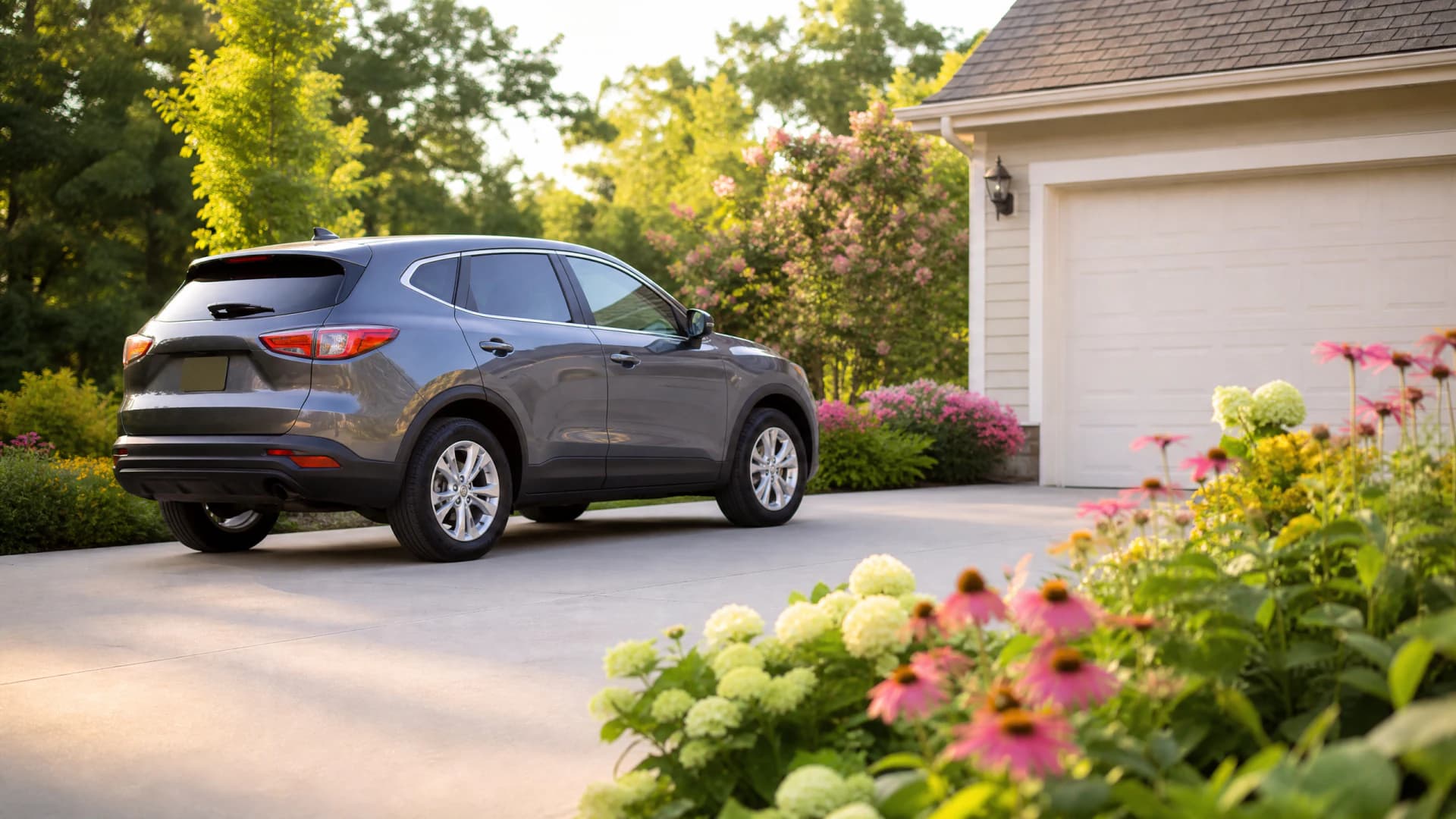

The Right Sequence: Residency Declaration, Registration, Then Policy Switch
Permanent movers should complete the steps in this order to avoid paying for two policies simultaneously. First, establish Florida residency by obtaining a Florida driver's license and registering to vote. Florida DMV requires surrender of your out-of-state license, which formally ends your Connecticut residency.
Second, register your vehicle in Florida within 10 days of getting your Florida license. You'll need your Connecticut title, proof of Florida insurance, and VIN inspection at a DMV-authorized location. The Villages area has multiple tag agencies that process faster than the Sumter County Tax Collector offices.
Third, switch your insurance policy effective the same day as your Florida registration. Contact your current carrier 15–20 days before your planned registration date. Most national carriers write in both states and can convert your Connecticut policy to a Florida policy without a coverage gap. Request your Florida policy effective date match your registration date exactly — this prevents the dual-policy overlap that costs $200–$400 in wasted premium.
What Happens to Your Connecticut Policy When You Leave
If you're moving permanently, your Connecticut carrier will cancel your policy effective the date you register in Florida. You'll receive a prorated refund for unused premium. If you prepaid six months and cancel after three months, you get the remaining three months back minus any cancellation fee, typically $25–$50.
If you're snowbirding and maintaining Connecticut residency, notify your carrier of your Florida address but keep your Connecticut policy active. Most carriers require you list Florida as a seasonal address to ensure mail reaches you, but this doesn't change your rating or require a policy switch.
The failure mode most snowbirds miss: canceling a Connecticut policy before securing a Florida policy creates a coverage gap. If you have a loan or lease, your lienholder will force-place insurance at 2–3 times your normal premium. Complete your Florida application and receive your policy documents before you cancel Connecticut coverage.

Get Covered in Both of Your Home States
Compare Snowbird Auto Insurance Rates
Which Carriers Write Both States Without Re-Underwriting
State Farm, GEICO, Progressive, Allstate, and Travelers all write in Connecticut and Florida and can convert policies between states without requiring a new application. Your claims history, loyalty discount tenure, and bundling discounts typically transfer when you move between states with the same carrier.
Liberty Mutual and Nationwide also operate in both states but may re-underwrite when you switch, particularly if you're over 70 or adding a second driver. Re-underwriting means they pull a new motor vehicle report, re-check your credit in states where it's permitted, and apply current rates rather than renewing your existing rate.
Carriers that don't write in both states require you to find new coverage. If your Connecticut carrier is regional — Safeco, The Hartford, Kemper — you'll need to shop Florida carriers from scratch. Start the Florida shopping process 30–45 days before your planned move. Rates vary 40–60% between carriers for identical coverage in The Villages, and the lowest-cost carrier for a 68-year-old is often not the lowest for a 75-year-old.

How Snowbirds Maintain One Policy Across Two States
Snowbirds who split time between Hartford and The Villages without changing legal residency should maintain their Connecticut policy year-round and notify their carrier of their Florida seasonal address. Your Connecticut policy covers you fully while driving in Florida — no separate Florida policy needed.
List your Connecticut address as your primary garaging address. This is the address where your vehicle is parked overnight most of the year. If you spend November through April in The Villages and May through October in Hartford, your Connecticut address remains primary and your Connecticut rates apply.
Some carriers offer snowbird-specific policies that account for seasonal location changes without charging dual-state premiums. USAA, State Farm, and Nationwide have formal snowbird programs. These policies use your primary state's rating but add Florida-specific coverages like comprehensive for hurricane risk. Ask specifically whether your carrier has a snowbird endorsement — most agents won't mention it unless you ask directly.
What Triggers a Required Registration Change in Florida
Florida Statute 320.02 defines residency for vehicle registration as employment in Florida, enrolling children in Florida public schools, filing for homestead exemption, or registering to vote in Florida. Owning property in The Villages does not by itself create a registration requirement.
The 183-day rule is not statute but appears in DMV guidance and case law. If you spend more than half the year in Florida, DMV and law enforcement generally consider you a resident regardless of your stated intent. Traffic stops in The Villages have resulted in citations for operating with an out-of-state registration beyond the lawful period.
If you're cited for improper registration, you have 30 days to register in Florida and show proof of compliance to avoid the fine, typically $136 for a first offense. The citation also triggers an insurance verification check. If your Connecticut policy doesn't list your Florida address, you may face a separate citation for providing incorrect address information to your insurer.
Frequently Asked Questions
Can I keep my Connecticut insurance if I own a home in The Villages?
Yes, as long as you maintain Connecticut residency by keeping your Connecticut driver's license and spending fewer than 183 days per year in Florida. Notify your Connecticut carrier of your Florida seasonal address, but your policy and registration stay valid. You don't need separate Florida insurance unless you establish Florida residency.
How much does car insurance cost in The Villages compared to Hartford CT?
A 70-year-old driver with 100/300/100 liability and $500 deductibles typically pays $95–$130/mo in Hartford and $140–$190/mo in The Villages. The difference comes from Florida's required Personal Injury Protection, higher uninsured motorist rates in Central Florida, and elevated comprehensive claims from storms and wildlife collisions. Estimates based on available industry data; individual rates vary.
Do I have to get a Florida driver's license when I move to The Villages?
Only if you establish Florida residency. If you're moving permanently, you must get a Florida license within 30 days and surrender your Connecticut license. If you're snowbirding and maintaining Connecticut as your primary residence, you keep your Connecticut license and don't need a Florida license regardless of how many months you spend in The Villages.
What happens if I get pulled over in Florida with Connecticut plates?
If you're a legal Connecticut resident spending the winter in Florida, nothing — out-of-state plates are lawful. If you've established Florida residency but haven't registered your vehicle within the required 10 days, you can be cited for improper registration with a fine starting at $136 and 30 days to comply. The officer will verify your residency status through your driver's license and address.
Will my car insurance company know if I move to Florida?
Your carrier will know if you register your vehicle in Florida, change your driver's license, or file a claim listing a Florida garaging address. Most carriers discover residency changes at renewal when they verify your address and registration state. Failing to notify your carrier of a permanent move can void your policy and result in claim denials under material misrepresentation clauses.
Related Articles

Hartford to The Villages: Insurance at 75, 80, 85
4/26/2026

Hartford to Villages FL: When NOT to Switch Insurance
4/26/2026

Hartford to The Villages FL Snowbird Auto Insurance
4/26/2026

Split vs Full FL Residency: Hartford Snowbird Guide
4/26/2026

Hartford to The Villages FL: Insurance Steps Before Selling
4/26/2026

Hartford to The Villages FL: Real Snowbird Insurance Math
4/26/2026