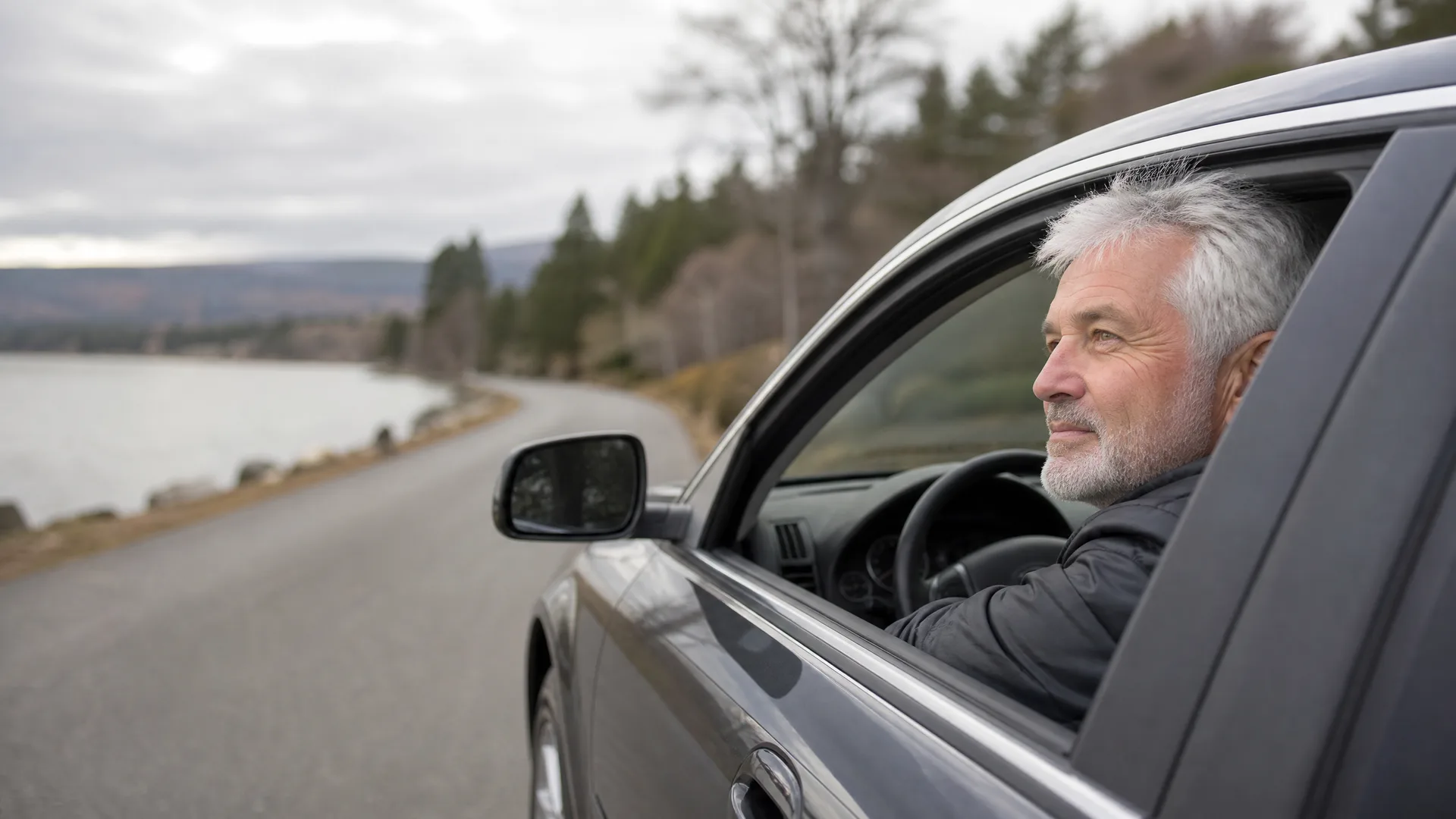
How to File a Vehicle Storage Endorsement Before Leaving Minnesota
Free to compare
What a Vehicle Storage Endorsement Actually Does to Your Minnesota Policy
A vehicle storage endorsement suspends collision and comprehensive coverage on a vehicle you're storing in Minnesota while you're away, typically for 30 to 180 days. You maintain liability coverage at minimum state limits during storage, which satisfies Minnesota's continuous coverage requirement and prevents registration penalties. Most carriers reduce your premium by 40–60% during the storage period because the vehicle isn't being driven.
The endorsement does not cancel your policy. It pauses specific coverages and adjusts your rate. When you return and remove the endorsement, full coverage reinstates automatically if you notify your carrier on time. Miss that notification window and you may drive without collision or comprehensive for weeks before discovering the gap.
Minnesota requires liability coverage of at least 30/60/10 even on stored vehicles unless you surrender your plates to the DVS. The storage endorsement satisfies this requirement while eliminating premium charges for coverages you're not using.

How to Request the Endorsement Before You Leave
Contact your carrier or agent at least 10 business days before your departure date. Provide the exact start date for storage and your planned return date. Most carriers process storage endorsements within 48 hours, but late requests during peak snowbird season in November can take longer.
You'll receive a revised declarations page showing collision and comprehensive suspended, liability maintained, and your adjusted premium. Review the return reinstatement process on that document. Some carriers require you to call 48 hours before your return date to reinstate full coverage. Others reinstate automatically on the end date you specified. The reinstatement mechanism matters more than the savings.
If you're storing the vehicle in a garage or covered facility, mention this when requesting the endorsement. Some carriers offer slightly better rates for enclosed storage because theft and weather risk drops further.


What Happens If You Need to Drive During the Storage Period
If you return to Minnesota mid-winter or someone else needs to drive your stored vehicle, you must reinstate full coverage before the vehicle moves. Most carriers allow same-day reinstatement by phone, but coverage does not apply retroactively. If the vehicle is driven during the storage period without reinstating collision and comprehensive, any damage from an accident is not covered.
Some carriers offer temporary reinstatement for short trips, typically 7 to 14 days. You pay the pro-rated premium difference for that window, then the storage endorsement resumes. This is useful if you're flying back for a holiday visit and need the car for a few days.
Do not assume your carrier will reinstate automatically if you call after an incident. Storage endorsements explicitly exclude coverage for any use of the vehicle. Reinstate before the key turns.

Get Covered in Both of Your Home States
Compare Snowbird Auto Insurance RatesHow Automatic Reinstatement Failures Cause Coverage Gaps
The most common storage endorsement problem for snowbirds is missed reinstatement at the return date. If your carrier requires you to call 48 hours before your return and you forget, your policy remains in storage mode when you arrive home. You're now driving with liability only, no collision or comprehensive, until you notice and call.
Some carriers send reinstatement reminders 7 days before the end date. Others do not. Ask your agent whether your carrier uses automatic calendar-based reinstatement or manual confirmation. If it's manual, set a phone reminder for 3 days before your scheduled return. One late-season snowstorm that delays your return by a week can misalign your coverage if you don't update the end date.
If you extend your stay, notify your carrier immediately to adjust the storage period. Most allow extensions up to 180 days total in a 12-month period. Beyond that, some carriers require you to cancel the Minnesota policy and obtain coverage in your winter state.

When Storage Endorsements Make Sense and When They Don't
Storage endorsements work best if you're leaving a vehicle in Minnesota for 90 days or more and you have no one using it while you're gone. The premium savings justify the administrative steps. For shorter trips of 4 to 8 weeks, the savings may be too small to offset the reinstatement coordination effort.
If an adult child or relative will have access to your vehicle while you're away, you cannot use a storage endorsement. The vehicle must remain unused and secured. Some carriers define "stored" as garaged with the battery disconnected. Others allow outdoor storage under a cover. Clarify your carrier's definition before filing.
If you're registered and insured in two states as a legal snowbird, you typically don't need a storage endorsement on the Minnesota vehicle. Your winter-state policy may already cover you for seasonal use. But if you maintain only Minnesota registration and insurance, the storage endorsement prevents paying full-coverage premiums on a car sitting idle for five months.

What Happens to Your Rate When You Remove the Endorsement
Your premium returns to the pre-storage amount when you reinstate full coverage in the spring. Most carriers do not adjust your annual rate or impose fees for using a storage endorsement. It's a standard seasonal accommodation, especially common in Minnesota, Wisconsin, and other northern states with large snowbird populations.
If you use a storage endorsement every year, some carriers offer seasonal policy structures that automatically suspend and reinstate coverage on set calendar dates. This eliminates the manual request process. Ask your agent whether your carrier offers a recurring snowbird policy option. Not all do, and those that do may restrict it to drivers 65 and older with clean records.
Frequently Asked Questions
Can I use a storage endorsement if my car is parked outside in Minnesota all winter?
Most carriers allow storage endorsements for outdoor parking, but a few require enclosed garage storage to qualify. State Farm, Progressive, and GEICO typically approve outdoor storage under a cover. Ask your carrier specifically about their storage location requirements before filing the endorsement.
Do I still pay anything for insurance while my vehicle is in storage mode?
Yes. You continue paying for liability coverage at Minnesota's minimum required limits during storage, typically $15 to $30 per month depending on your driving record and vehicle. Collision and comprehensive charges are suspended, which is where the savings come from.
What happens if someone breaks into my stored car while I'm gone?
Theft and vandalism are covered under comprehensive, which is suspended during a storage endorsement. You have no coverage for break-ins, theft, or weather damage while the endorsement is active. If your vehicle is stored in a high-theft area, a storage endorsement may not be worth the risk.
Can I file a storage endorsement for just one vehicle if I have two cars on my policy?
Yes. Storage endorsements apply per vehicle, not per policy. If you're taking one car to Arizona and leaving the other in Minnesota, you can file a storage endorsement on the Minnesota vehicle and maintain full coverage on the car you're driving south.
How long before my departure date should I request the storage endorsement?
Request it at least 10 business days before you leave. Most carriers process storage endorsements within 48 hours, but late November and early December are peak filing periods for snowbirds and processing can take longer. Early requests ensure your revised premium is in place before your first reduced billing cycle.
Related Articles
Vehicle Storage Endorsement Guide for Michigan Snowbirds
5/19/2026

Vehicle Storage Endorsement Guide for Wisconsin Snowbirds
5/19/2026

Vehicle Storage Endorsement Guide for Indiana Snowbirds
5/19/2026
Vehicle Storage Endorsement Rules for Vermont Snowbirds
5/19/2026
How to File a Storage Endorsement Before Leaving IL
5/19/2026
Vehicle Storage Endorsement Guide for Ohio Snowbirds
5/19/2026