
How to File a Vehicle Storage Endorsement Before Leaving Ohio
Free to compare
What a Vehicle Storage Endorsement Actually Does
A vehicle storage endorsement suspends liability, collision (if you carry it), and uninsured motorist coverage while your car sits unused, typically reducing your premium by 60–80% during the storage period. Comprehensive coverage remains active to protect against theft, vandalism, weather damage, and fire. You cannot legally drive the vehicle while the endorsement is in effect.
The endorsement works for snowbirds who leave a vehicle parked in Ohio while spending three to six months in a warm-weather state. Most carriers require a minimum storage period of 30 days and a maximum of six to nine months depending on the insurer. If you drive the car even once during the storage period without reinstating full coverage first, any resulting claim will be denied and you're driving uninsured.
Ohio does not require you to surrender license plates or notify the BMV when placing a vehicle in storage, but your insurance company will document the endorsement dates in their system. If you need to drive the car unexpectedly, you must contact your carrier to remove the endorsement before turning the key. Most insurers can reinstate coverage the same day, but you cannot drive until reinstatement is confirmed.

When to File the Endorsement and What Documentation You Need
File the storage endorsement at least seven to ten days before you leave for your winter location. Most carriers process the request within two to three business days, but holiday periods and year-end processing can extend that window. If you file the day you leave and the endorsement isn't processed before you depart, you're paying full premium for coverage you're not using.
You'll need to provide your policy number, the vehicle identification number (VIN), the exact start date for storage, and the planned end date. If your return date is uncertain, give your best estimate. You can extend the endorsement later if your plans change, but you cannot backdate the start date to reclaim premium already charged.
Most insurers accept requests by phone, through your agent, or via online account portal. State Farm, Nationwide, and Progressive all allow storage endorsement requests online if you have an active account login. GEICO and Allstate typically require a phone call or agent contact. Confirm the endorsement in writing or by email before you leave. A verbal acknowledgment is not enough if a processing error occurs and your premium isn't adjusted.

What Happens to Your Premium and How the Credit is Applied
The premium reduction appears as a credit on your next billing cycle after the endorsement takes effect. If you pay monthly, expect the reduced rate to show on the bill covering the storage period. If you pay every six months, the credit is prorated and applied to your next renewal or issued as a refund if the policy term ends before you return.
A typical full-coverage policy in Ohio for a senior driver with a clean record costs $90–$150 per month depending on vehicle value and coverage limits. A storage endorsement reduces that to $15–$40 per month, covering only comprehensive. The exact reduction depends on how much of your premium was allocated to liability and collision versus comprehensive.
If you return earlier than planned and reinstate full coverage, the premium adjustment is recalculated and you'll owe the difference for the period between reinstatement and your originally stated return date. If you return later than planned and drive without removing the endorsement, you're operating an uninsured vehicle and any accident is out-of-pocket plus potential penalties if law enforcement is involved.
Where to Park the Vehicle and Why Location Matters
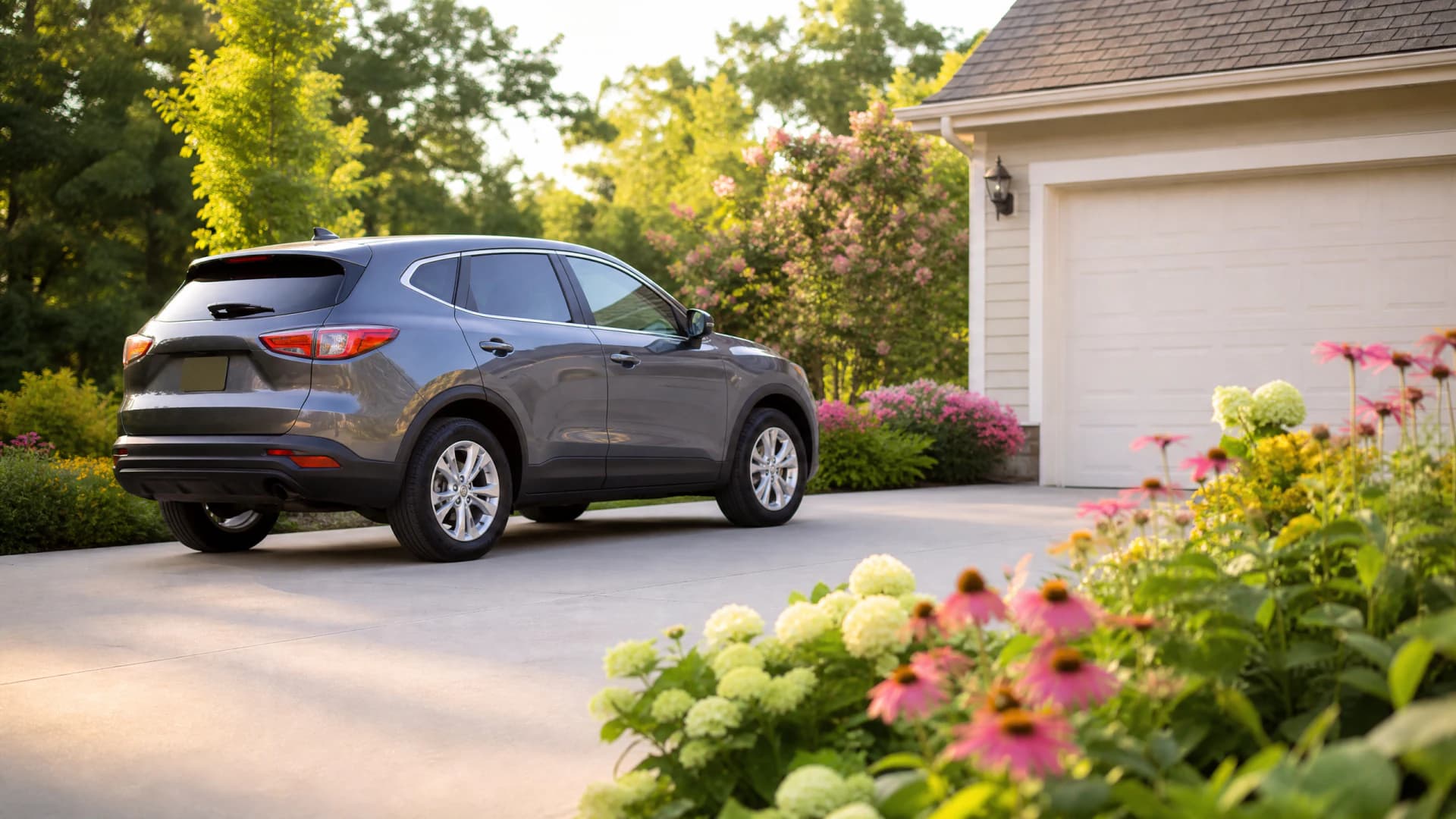
Carriers prefer vehicles in storage to be parked in a locked garage, under a carport, or in a secured storage facility. Some insurers offer a slightly lower storage rate for garage storage versus driveway or street parking because theft and weather exposure risks are lower. If you're parking on the street or in an unsecured lot, confirm your carrier will still approve the endorsement.
If someone else will be checking on the vehicle periodically or moving it within your property, tell your insurer. Some carriers allow incidental movement on private property without removing the endorsement, but others define storage strictly as no operation whatsoever. If a family member or neighbor needs to move the car for snow removal or driveway access, clarify the rule before you leave.
If the vehicle will be parked at a storage facility that requires proof of insurance, make sure your storage endorsement documentation shows comprehensive coverage is active. Some facilities reject vehicles with suspended policies even if comprehensive remains in force. Bring a copy of the endorsement confirmation and your declarations page showing the coverage effective during storage.

Get Covered in Both of Your Home States
Compare Snowbird Auto Insurance Rates
How to Handle Registration and Plate Requirements While You're Gone
Ohio does not require you to surrender plates or file a non-operation notice with the BMV when storing a vehicle with an active insurance policy. Your registration remains valid as long as comprehensive coverage is in place. If you cancel insurance entirely instead of filing a storage endorsement, Ohio BMV will flag your registration and you'll face reinstatement fees and potential suspension of your license.
If your registration expires while you're away, you cannot renew it online or by mail without proof of full liability coverage. The storage endorsement does not satisfy registration renewal requirements because liability is suspended. If your registration will expire during your absence, renew it before you leave or plan to reinstate full coverage remotely and renew online once liability is active again.
Some snowbirds assume they can let Ohio registration lapse and rely on their winter-state registration if they've titled the vehicle in both states. That approach works only if you've fully transferred registration and insurance to the winter state. If your car remains titled in Ohio, it must carry an active Ohio policy or a valid storage endorsement. Splitting registration across two states without proper coordination leads to coverage gaps, registration penalties in both states, and claim denials if an incident occurs while the vehicle is parked.

What Happens If You Need to Drive the Car Before Your Return Date
If you return early or need someone else to drive the vehicle, contact your carrier immediately to remove the storage endorsement and reinstate full coverage. Most insurers can process reinstatement the same day if you call during business hours. Do not drive or allow anyone else to drive until you receive confirmation that liability coverage is active.
If you're still in your winter state and a family member in Ohio needs to drive the car for an emergency, they must wait until reinstatement is complete. Driving with only comprehensive coverage means no liability protection, no collision coverage, and no uninsured motorist protection. If they cause an accident, you're personally liable for all damages and injuries, and your comprehensive coverage won't respond.
Some carriers allow you to reinstate coverage with a future effective date if you know in advance when you'll need the car. If you're flying back on a specific date, call your insurer three to five days ahead and request reinstatement effective the day you land. That approach ensures coverage is active when you pick up the keys and avoids same-day processing delays.
How This Affects Your Snowbird Insurance Strategy Across Two States
If you carry separate policies in Ohio and your winter state, a storage endorsement on the Ohio vehicle reduces your total annual premium while you're away. The winter-state policy covers the vehicle you drive there, and the Ohio policy maintains comprehensive-only coverage on the parked car. When you return north, you reverse the arrangement by reinstating full coverage in Ohio and filing a storage endorsement in the winter state if you leave a vehicle parked there.
Some carriers write policies that cover vehicles in multiple states under a single policy, eliminating the need for separate endorsements and dual policies. USAA, State Farm, and Nationwide offer multi-state coverage structures that adjust automatically when you report your location change. If you're managing two separate policies and filing storage endorsements twice a year, ask your carrier if a single multi-state policy would simplify the process and reduce your combined premium.
The storage endorsement works only if you're truly leaving the vehicle unused. If you plan to return to Ohio periodically during the winter or if family members will drive the car in your absence, you need full coverage year-round. The cost of maintaining liability and collision on a vehicle you drive only occasionally is still lower than the risk of an uncovered claim or the administrative cost of repeatedly filing and removing endorsements every time someone needs the car.
Frequently Asked Questions
Can I file a storage endorsement if I'm only gone for two months?
Most carriers require a minimum storage period of 30 days, so a two-month absence qualifies. The premium savings may be smaller than for a longer storage period, but you'll still see a 60–80% reduction on the months the endorsement is active. Confirm your carrier's minimum and maximum storage periods before filing.
Does a storage endorsement affect my policy renewal or rates?
No. A storage endorsement is a temporary coverage adjustment and does not change your base rate, driving record evaluation, or renewal terms. When you reinstate full coverage, your premium returns to the same level it was before storage, adjusted only for normal renewal changes.
What happens if my car is damaged while parked under a storage endorsement?
Comprehensive coverage remains active, so theft, vandalism, fire, weather damage, and animal damage are covered. Collision damage is not covered because collision coverage is suspended during storage. If someone hits your parked car, you would file a claim against their liability policy, not yours.
Can I get a storage endorsement if I park my car outside on the street?
Most carriers allow street parking under a storage endorsement, but some offer a lower rate for garage storage due to reduced theft and weather risk. Confirm your carrier's parking requirements and whether your storage location affects the premium credit.
Do I need to notify Ohio BMV when I file a storage endorsement?
No. Ohio does not require notification to the BMV as long as your vehicle maintains active insurance, even if it's comprehensive-only under a storage endorsement. You must notify the BMV only if you cancel insurance entirely or surrender your plates.
Related Articles

Vehicle Storage Endorsement Guide for Indiana Snowbirds
5/19/2026

Vehicle Storage Endorsement Guide for Michigan Snowbirds
5/19/2026

Vehicle Storage Endorsement Guide for Wisconsin Snowbirds
5/19/2026

How to File a Storage Endorsement Before Leaving IL
5/19/2026

Vehicle Storage Endorsement Rules for Vermont Snowbirds
5/19/2026

File Vehicle Storage Endorsement Before Leaving CT
5/19/2026