
Converting a Joint Auto Policy After Your Spouse's Death
Free to compare
What Happens to Your Joint Auto Policy When Your Spouse Dies
Your joint auto insurance policy remains active after your spouse's death, but it does not automatically convert to a single-driver policy. You must notify your carrier within 30 to 60 days depending on your policy terms to remove your spouse as a named insured and adjust your coverage. Until you complete this notification, you continue paying premiums calculated for two drivers even though only one person now uses the vehicles.
Most carriers require a copy of the death certificate to process the policy change. The conversion triggers a re-rating of your premium because you lose multi-car and multi-driver discounts that applied when both spouses were listed. If you owned two vehicles and now plan to keep only one, you also need to notify the carrier which vehicle to remove from the policy and cancel coverage on that car to avoid paying for insurance you don't need.
Failure to notify your carrier within the required timeframe can result in claim denials if an accident occurs, particularly if the deceased spouse was listed as the primary driver on one of the vehicles. Carriers view this as a material change in risk that must be reported under the terms of your policy contract.

How Your Premium Changes After Removing Your Spouse
Removing your spouse from your auto policy typically increases your per-vehicle rate by 15% to 35% even if your own driving record remains unchanged. This increase reflects the loss of multi-driver and multi-policy discounts that many carriers offer when insuring married couples. If you reduce from two vehicles to one, your total annual premium will decrease, but your cost per vehicle will be higher than it was under the joint policy.
Senior drivers aged 65 and older face additional rate pressure after converting to a single-driver policy. Carriers price policies for older single drivers at higher rates than older married drivers because actuarial data shows different claim patterns between the two groups. The average senior driver converting from a joint policy to an individual policy sees a rate increase of $25 to $50 per month even after dropping one vehicle.
You can offset some of this increase by requesting a policy review at the time of conversion. Many seniors qualify for mature driver course discounts, low-mileage discounts, or retired driver discounts that were never applied to the joint policy because the younger spouse's profile drove the pricing. Ask your carrier to re-evaluate all available discounts based on your individual profile rather than accepting the automatic re-quote.
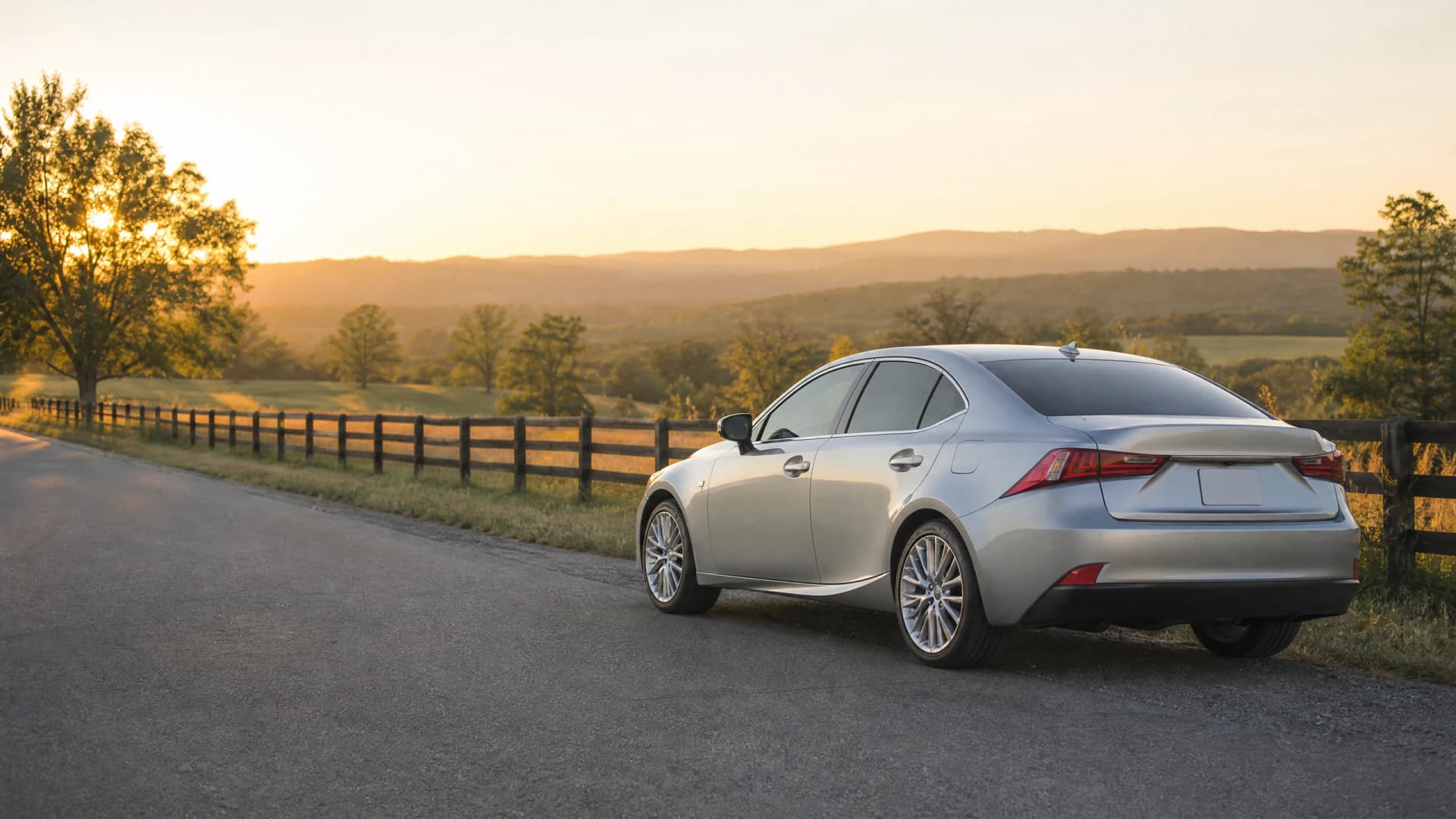

Removing a Vehicle vs. Keeping Two Cars on a Single-Driver Policy
If you plan to sell or donate your spouse's vehicle, remove it from your policy immediately after the title transfer. Continuing coverage on a vehicle you no longer own wastes $40 to $80 per month depending on the car and your coverage selections. Notify your carrier the day you transfer ownership and request written confirmation that coverage ended on that specific date.
Some seniors choose to keep both vehicles even after becoming a single driver — often to accommodate visiting family members or to maintain a backup car. Keeping two vehicles on your policy preserves the multi-car discount, which typically reduces the premium for the second vehicle by 20% to 25%. If your combined premium for two vehicles is lower than the cost of a single-vehicle policy plus occasional rental coverage when family visits, keeping both cars insured makes financial sense.
Before deciding, calculate the true cost difference. Request quotes for both scenarios: one vehicle with full coverage and one vehicle with comprehensive-only or storage coverage. Many carriers offer reduced-rate coverage for vehicles driven fewer than 3,000 miles per year, which may apply to a second car you use only occasionally.

Get Covered in Both of Your Home States
Compare Snowbird Auto Insurance RatesConverting Your Policy If You're Moving States After Your Spouse's Death
If you plan to relocate to Florida or another state to live closer to family after your spouse's death, notify your current carrier before the move and ask whether they write policies in your destination state. Not all carriers operate in every state, and you may need to cancel your current policy and purchase new coverage in your new state of residence within 30 to 90 days of establishing residency.
State residency rules vary, but most states require you to register your vehicle and obtain in-state insurance within 30 to 90 days of moving. Florida requires new residents to register vehicles within 10 days of employment or enrollment of children in school, which effectively defines residency for insurance purposes. Driving with out-of-state coverage beyond this window can result in fines and coverage gaps if a claim occurs.
If you split time between two states seasonally, you face different rules. You must insure and register your vehicle in your state of primary residence — typically defined as where you spend more than six months per year or where you maintain your driver's license and voter registration. Work with a carrier that writes policies in both states to avoid coverage interruptions during your seasonal transitions.

What Discounts You Lose and Which Ones You Can Replace
The most significant discount loss after removing your spouse is the multi-driver or multi-policy discount, which ranges from 10% to 25% depending on the carrier. If your spouse's life insurance, homeowners insurance, or other policies were bundled with your auto coverage, you also lose the multi-policy discount unless you maintain those other policies in your own name.
You can replace some of these discounts by taking a mature driver improvement course approved by your state. Most states require carriers to offer a discount of 5% to 15% for drivers aged 55 and older who complete an approved course every three years. AARP and AAA both offer online courses that satisfy this requirement in most states. The course takes 4 to 6 hours and costs $15 to $25, which pays for itself in premium savings within two to three months.
Low-mileage discounts become more accessible after converting to a single-driver policy if your annual mileage drops below 7,500 or 10,000 miles per year. Many seniors drive less after losing a spouse, and this reduction qualifies for additional savings of 10% to 20% with most carriers. Request a mileage review at the time you convert your policy rather than waiting until your next renewal.

Timeline for Notifying Your Carrier and Required Documentation
Contact your insurance carrier within 7 to 10 days of your spouse's death to begin the policy conversion process. Most carriers allow 30 to 60 days to submit required documentation, but earlier notification prevents billing issues and ensures continuous coverage without gaps. Request a policy change form and a list of required documents during your first call.
You will need a certified copy of the death certificate to remove your spouse as a named insured. Order at least three certified copies from the funeral home or county clerk because you will need them for other financial institutions as well. Most carriers also require updated vehicle registration documents if you are removing a vehicle from the policy or transferring ownership.
The carrier will issue a revised policy declaration page within 10 to 15 business days after receiving your documentation. Review this document carefully to confirm your spouse's name no longer appears as a named insured, verify which vehicles remain covered, and check that your premium reflects all applicable discounts for your individual profile. If the premium seems higher than expected, call and request a line-by-line explanation of how the rate was calculated.
Frequently Asked Questions
Can I keep my spouse's name on the auto insurance policy after they die?
No, you must remove your spouse's name from the policy within 30 to 60 days after their death. Keeping a deceased person listed as a named insured can result in claim denials and violates your policy's notification requirements for material changes in risk.
Will my car insurance company cancel my policy when my spouse dies?
Your carrier will not cancel your policy when your spouse dies, but you must notify them and convert the joint policy to an individual policy. The policy remains active during the conversion process as long as you continue paying premiums and submit required documentation within the carrier's specified timeframe.
How much does car insurance go up after losing the multi-driver discount?
Removing your spouse from your auto policy typically increases your per-vehicle rate by 15% to 35%, with senior drivers aged 65 and older seeing average increases of $25 to $50 per month. The exact amount depends on your carrier, state, and whether you keep one or two vehicles on the policy.
Do I need to remove my deceased spouse's car from insurance immediately?
Remove your spouse's vehicle from your policy as soon as you sell it, donate it, or transfer the title. Keeping coverage on a vehicle you no longer own costs $40 to $80 per month with no benefit, and most carriers require notification within 30 days of a vehicle ownership change.
What documents do I need to change my car insurance after my spouse dies?
You need a certified copy of the death certificate and updated vehicle registration documents if you are removing a car from the policy. Order at least three certified copies of the death certificate because other financial institutions will require them as well.
Related Articles

Converting Joint Auto Policy After Spouse's Death
4/26/2026

Converting Joint Auto Policy After Spouse's Death
4/26/2026

Converting Joint Auto Policy After Spouse's Death
4/26/2026

Convert Joint Auto Policy After Spouse Death | Guide
4/26/2026

Convert Joint Auto Policy After Spouse's Death | Guide
4/26/2026

Converting Joint Auto Policy After Spouse's Death
4/26/2026