
When Your Adult Child Takes Over Your Auto Insurance Decisions
Free to compare
Why Adult Children Start Asking About Your Auto Insurance
The conversation usually starts after one of three triggers: your adult child sees your renewal notice and notices the premium increased, they hear about a parent's friend who reduced coverage and saved money, or a financial planner suggests reviewing all recurring expenses during retirement planning.
Your child is likely asking from genuine concern about your fixed income, not questioning your judgment. Insurance is one of the largest recurring expenses after housing and healthcare, and premiums for drivers over 70 can increase 15–25% in a three-year span even with a clean driving record. Florida and Arizona snowbird policies run $140–$220/mo for full coverage on a single vehicle.
The problem is that most adult children don't understand snowbird insurance mechanics. They see the total premium, assume you're over-insured because the car is paid off, and suggest dropping to liability-only without realizing that leaves your vehicle unprotected against non-collision damage in both states.

What Your Adult Child Gets Wrong About Snowbird Coverage Needs
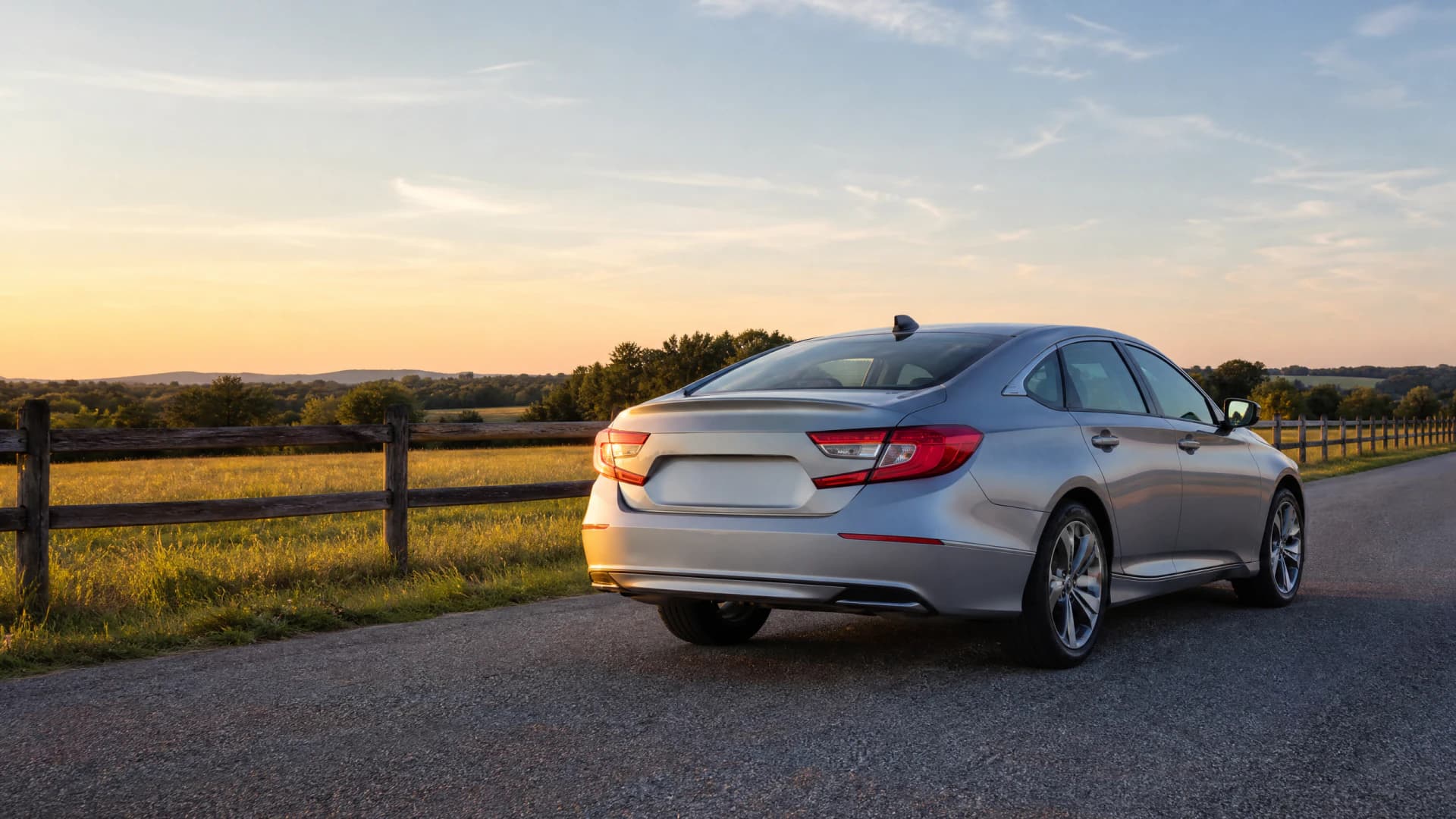
The most common mistake is recommending you drop comprehensive and collision coverage to cut costs. On a paid-off 2018 sedan, removing full coverage might save $60–$90/mo. That sounds significant on a fixed income.
But liability-only coverage does not pay for hurricane damage in Florida, hail damage in the Midwest during your summer drive north, theft in parking lots at either residence, or flood damage from storm surge. Comprehensive coverage is what pays for these non-collision events, and they happen to parked snowbird vehicles every season. Replacing a 2018 sedan after total hurricane damage costs $18,000–$25,000 out of pocket with no coverage to file against.
Your adult child is also likely unaware that many carriers require you to maintain comprehensive and collision together. Dropping collision alone isn't an option with most policies. You either keep full coverage or drop to liability-only, which eliminates protection for the vehicle entirely.

How to Frame the Conversation With Your Adult Child
Start by acknowledging their concern about the cost, then explain the specific risks your policy addresses that liability-only coverage does not. Use recent examples: hurricane damage to parked cars in Florida parking structures, hail damage in Indiana or Ohio during severe spring storms, or vehicle theft rates in metro areas near The Villages.
Ask them to calculate the replacement cost of your vehicle if it were totaled by a non-collision event. Most families cannot absorb a $20,000 uninsured loss without disrupting retirement savings or emergency funds. Frame comprehensive coverage as protection against that specific scenario.
If cost is the genuine concern, focus the conversation on rate comparison across carriers rather than coverage reduction. The same full coverage policy can vary $400–$800 annually between carriers for identical coverage. Shopping your policy every 2–3 years is a better cost control strategy than eliminating protection you actually need.
Where Your Adult Child Can Actually Help
Your adult child can be genuinely useful in three areas: comparing rates across carriers, verifying you're receiving all applicable discounts, and confirming your liability limits are appropriate for your asset level.
Most snowbird drivers qualify for mature driver discounts (5–10% reduction), low mileage discounts if you drive under 7,500 miles annually, and multi-policy discounts if you bundle home and auto. Carriers do not automatically apply these discounts at renewal. You must request them, provide proof of completion for mature driver courses, and verify mileage annually. Your adult child can help track down the paperwork and follow up with your agent.
Liability limits are the other area worth reviewing. If you carry only your state's minimum liability (Indiana requires $25,000 per person / $50,000 per accident), and you own property or have retirement assets, you are under-insured. A serious at-fault accident can result in a judgment that exceeds your policy limits, putting your assets at risk. Increasing liability to $100,000 / $300,000 typically adds $15–$30/mo and provides much better protection.

Get Covered in Both of Your Home States
Compare Snowbird Auto Insurance Rates
How to Keep Decision Authority While Accepting Help
Set clear boundaries at the start of the conversation. You are willing to review your coverage and compare options, but the final decision on coverage levels, carrier selection, and policy changes remains yours. Your adult child can research, gather quotes, and present options — they do not make the decision.
Ask your adult child to prepare a written comparison of three scenarios: your current coverage and premium, the same coverage with a different carrier, and a reduced coverage option with the specific risks that option does not cover. This forces them to research what comprehensive and collision actually pay for rather than assuming all coverage is optional.
If they push back or insist you're over-insured, ask them whether they carry liability-only coverage on their own vehicle. Most do not. If full coverage makes sense for their paid-off car, the same logic applies to yours — especially when your vehicle sits in hurricane-prone or hail-prone areas for months at a time.

When It Makes Sense to Reduce Coverage
There are situations where reducing coverage is the correct decision. If your vehicle is worth less than $4,000 and you have sufficient savings to replace it out of pocket, liability-only coverage may be appropriate. The annual cost of comprehensive and collision on an older vehicle can approach 25–30% of the car's actual value.
If you have stopped driving to Florida for the winter and now stay at one residence year-round, your coverage needs change. You no longer need a policy that covers two states, and your mileage may drop enough to qualify for a significant low-mileage discount. This is a situation where your adult child's suggestion to review coverage is valid.
But if you are still driving seasonally between two states, your vehicle has a replacement value above $8,000, and you do not have liquid savings to replace it if totaled, full coverage remains the correct choice. Focus cost reduction efforts on carrier comparison, discount verification, and increasing your deductible to $500 or $1,000 rather than eliminating coverage categories entirely.
What Happens If You Let Your Child Make the Decision
If you transfer decision authority to your adult child and they reduce your coverage to liability-only, you assume the financial risk of any non-collision damage to your vehicle. Your child does not co-sign the policy, and they are not financially responsible if your car is totaled by a hurricane, hail storm, or theft.
Most adult children recommending coverage reductions are not aware of this risk allocation. They see the monthly savings, not the potential $20,000 uncovered loss. When that loss occurs, the financial burden falls on you — not them.
If you decide to involve your adult child in the review process, make the risk allocation explicit. Ask them in writing: if I drop comprehensive coverage and my car is totaled by hurricane damage, are you prepared to cover the replacement cost? Most will reconsider their recommendation once the question is framed that clearly.
Frequently Asked Questions
Should I let my adult child talk to my insurance agent directly?
You can authorize your agent to speak with your adult child about your policy, but you must provide written or verbal permission first due to privacy rules. Most agents will copy you on all correspondence and require your approval before making any coverage changes. Keep final decision authority with yourself.
Is it safe to drop comprehensive coverage on a car I own outright?
Only if the car is worth less than $4,000 and you have liquid savings to replace it if totaled by theft, hail, flood, or hurricane damage. Comprehensive coverage pays for non-collision events that liability-only policies never cover. For snowbird vehicles garaged in Florida or other high-risk states, comprehensive coverage is usually worth keeping.
How much can I actually save by switching carriers at age 70?
The same full coverage policy can vary $400–$900 annually between carriers for drivers over 70. Rate increases after age 70 are common, but they are not uniform across all carriers. Comparing quotes from three to four carriers every two years is the most effective way to control costs without reducing coverage.
What discounts should my adult child help me verify?
Mature driver course discounts (5–10% if you complete an approved course every three years), low mileage discounts (10–15% if you drive under 7,500 miles annually), and multi-policy discounts if you bundle auto and homeowners insurance. Carriers do not apply these automatically — you must request them and provide documentation.
Can my adult child be added to my policy as a listed driver if they help with long drives?
Yes, but adding a younger listed driver to your policy will likely increase your premium unless they have their own separate policy with continuous coverage. If your adult child only drives your car occasionally during your seasonal move, most carriers do not require them to be listed as a regular driver.
Related Articles

When Your Adult Child Takes Over Auto Insurance Decisions
4/26/2026

Adult Children & Snowbird Auto Insurance Decisions
4/26/2026

When Adult Kids Take Over Snowbird Insurance Decisions
4/26/2026

When Your Adult Child Reviews Your Snowbird Insurance
4/26/2026

Adult Child Taking Over Snowbird Auto Insurance Decisions
4/26/2026

When Adult Children Review Senior Snowbird Auto Insurance
4/26/2026