
Keep Two Cars or One? DC Suburbs to Asheville NC Snowbird Guide
Free to compare
Does North Carolina Require You to Register Your Car if You Keep It There All Winter?
North Carolina does not require you to register your vehicle in the state if you maintain a DC registration and spend fewer than 185 days per year in North Carolina. Your vehicle remains a DC-registered car temporarily located in North Carolina.
The confusion arises because North Carolina law defines residency as spending more than six months in the state, and that residency threshold triggers mandatory vehicle registration within 60 days. If you split time evenly between DC suburbs and Asheville—roughly six months in each location—you have not established North Carolina residency for vehicle purposes.
Your DC registration and insurance remain valid while you are in Asheville, but you must maintain continuous coverage under a policy that lists both addresses. Most carriers allow you to list a seasonal address without requiring dual registration, but you must notify your carrier that the vehicle will be garaged in North Carolina for part of the year.

What Happens to Your Insurance Rate if You Keep One Car and Drive It Between Two States?
Your rate will be calculated using the address where the vehicle is garaged for the majority of the policy term. If you spend October through March in Asheville and April through September in the DC suburbs, your carrier will typically rate the policy based on your DC address because that is your primary residence for more than six months.
North Carolina rates for drivers aged 65 and older average $95–$135 per month for full coverage, while DC suburbs rates range from $110–$160 per month depending on your specific zip code. If your carrier uses your DC address as the rating location, you will pay the higher DC-area rate even while the car is garaged in Asheville.
Some carriers allow you to update your garaging address mid-term when you relocate seasonally, which can lower your premium during the months you are in North Carolina. This requires notifying your carrier each time you move the vehicle and may trigger a policy re-rating, so confirm whether your carrier supports seasonal address changes before you commit to this approach.
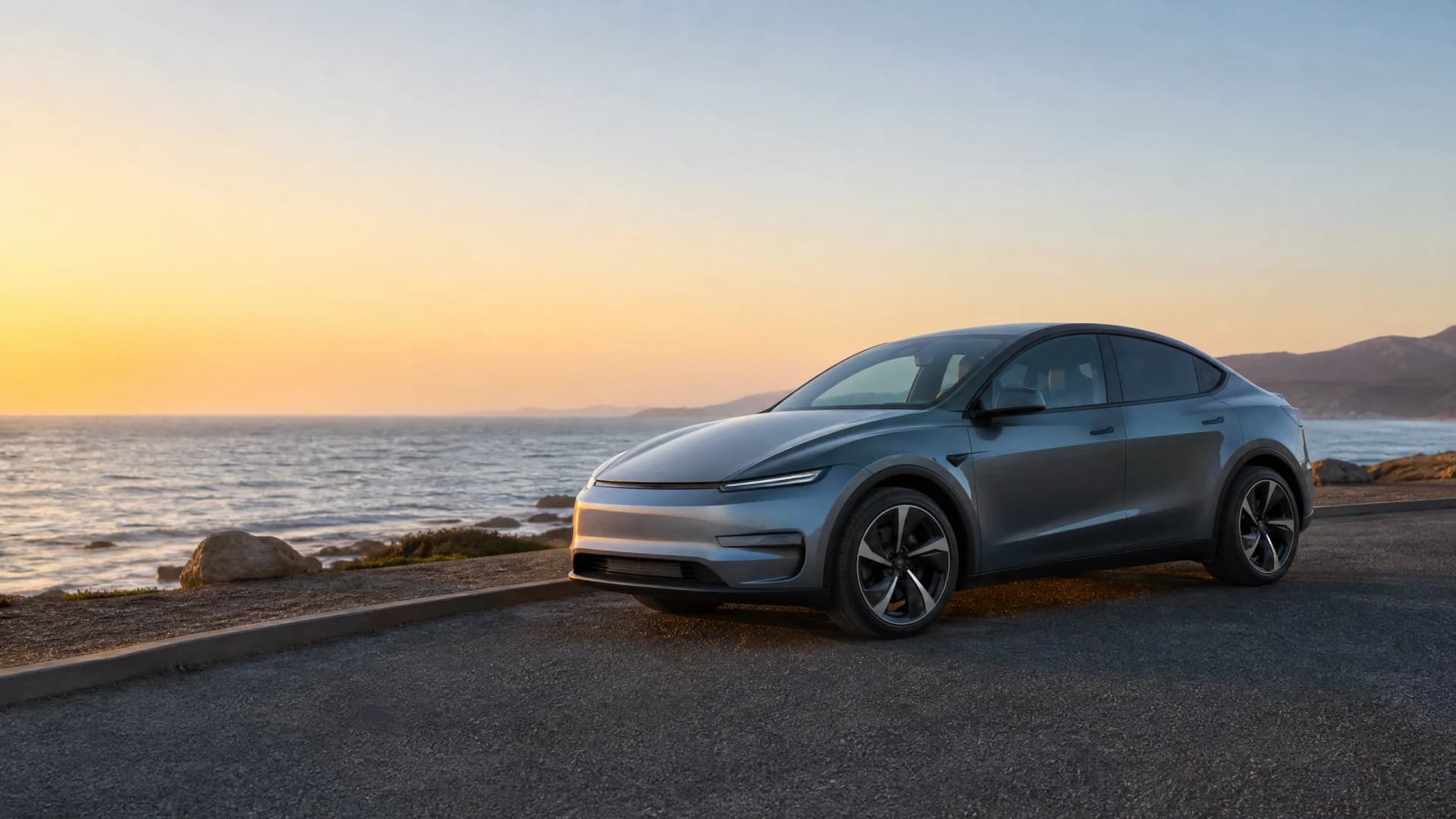

If You Keep Two Cars—One in Each State—How Are Both Vehicles Insured?
You can insure both vehicles on a single policy as long as you disclose the garaging addresses and usage patterns to your carrier. Most carriers will rate one vehicle as your primary car and the second as an occasional-use or stored vehicle, which reduces the premium on the second car.
The premium difference between a primary vehicle and an occasional-use vehicle typically ranges from 30% to 50% lower for the occasional-use car, depending on the carrier and how many months per year each vehicle is driven. If your DC car sits unused from October through March, you may qualify for a storage or lay-up discount during those months, which suspends collision and comprehensive coverage while maintaining liability.
North Carolina does not require you to register a vehicle that is never driven in the state, so if you leave a car in Asheville year-round and only drive it while you are there, it can remain DC-registered as long as it does not accumulate more than 185 days of in-state use per year. Your carrier must know that the vehicle is garaged in North Carolina even if it carries DC plates.
What Does It Cost to Insure Two Cars Versus One for a DC-to-Asheville Snowbird?
A single vehicle driven between DC and Asheville and rated at your DC address will cost approximately $110–$160 per month for full coverage. Adding a second vehicle as an occasional-use car typically increases your total premium by $50–$90 per month, bringing your combined cost to $160–$250 per month for both vehicles.
The financial break-even depends on how often you drive between the two states. If you drive the 450-mile route between DC and Asheville twice per year, you will spend roughly $150–$200 in fuel and wear per round trip, or $300–$400 annually. If keeping a second car saves you those two trips, the fuel and wear savings offset much of the additional insurance cost.
The hidden cost in the two-car scenario is North Carolina's annual safety inspection requirement. Even if your Asheville car is DC-registered, North Carolina law requires any vehicle garaged in the state for more than 30 days to pass a North Carolina safety inspection if it will be driven on NC roads. The inspection costs $13.60, but if your DC registration does not show a valid NC inspection sticker and you are stopped by law enforcement, you may be cited.
Get Covered in Both of Your Home States
Compare Snowbird Auto Insurance Rates
Which Carriers Let You Insure a Seasonal Vehicle Stored in a Second State?
State Farm, Nationwide, and Progressive all allow multi-vehicle policies with different garaging addresses and will rate a second vehicle as occasional-use if you document the seasonal usage pattern. GEICO and Allstate also support this structure but may require you to list both addresses on your policy and provide proof of where each vehicle is garaged.
Some carriers will not insure a vehicle garaged in a state where you do not have a residence address, so if you rent in Asheville rather than own property, confirm that your carrier accepts rental addresses for garaging purposes. Most do, but a few regional carriers restrict coverage to owned property only.
If you use a lay-up or storage endorsement on the vehicle that sits unused for six months, verify that your carrier will reinstate full coverage without a new inspection or waiting period when you return to that state. Some carriers require 24 to 48 hours' notice to reactivate collision and comprehensive coverage after a storage period.

Do You Need to Notify Your Carrier Every Time You Move the Car Between States?
You are required to notify your carrier if the primary garaging address of your vehicle changes for more than 30 days. If you drive your car from DC to Asheville and leave it there for six months, that is a garaging address change, and your carrier must know.
Failure to update your garaging address can result in a denied claim if your carrier discovers the vehicle was not garaged at the address listed on your policy when a loss occurred. This is the most common coverage gap snowbirds encounter—assuming their policy automatically covers them in both states without notification.
Most carriers allow you to update your garaging address online or by phone, and the change takes effect immediately. If the new garaging address results in a lower rate, you will receive a mid-term premium adjustment. If it results in a higher rate, you will owe the difference for the remainder of the policy term.
What Happens if You Sell One Car After Deciding the Two-Car Setup Is Not Worth It?
Selling one vehicle mid-policy-term triggers an automatic premium reduction, and your carrier will refund the unused premium for that vehicle prorated to the cancellation date. You must notify your carrier within 30 days of the sale to avoid paying for coverage on a car you no longer own.
If you sell your DC car and keep only the Asheville car, your policy will be re-rated based on the North Carolina garaging address, which will lower your premium if you were previously rated at the DC address. If you sell the Asheville car and keep the DC car, your rate remains the same unless you were receiving an occasional-use discount on the DC vehicle.
Before selling either car, confirm whether your carrier applies a multi-car discount to your policy. Losing that discount by dropping to a single vehicle may offset some of the savings from eliminating the second car's premium.
Frequently Asked Questions
Can I keep my DC car insurance if I spend six months in North Carolina?
Yes, as long as you do not establish legal residency in North Carolina by spending more than 185 days per year there. Your DC policy remains valid, but you must notify your carrier that your vehicle will be garaged in Asheville for part of the year and confirm that both addresses are listed on your policy.
Will my insurance company find out if I do not tell them my car is in North Carolina half the year?
Yes, if you file a claim while your car is garaged in North Carolina and your policy lists only your DC address. Your carrier will investigate where the vehicle was garaged at the time of the loss, and if the address does not match your policy, your claim may be denied for material misrepresentation.
Is it cheaper to insure two cars on one policy or keep separate policies in each state?
Insuring both vehicles on a single multi-car policy is almost always cheaper because you qualify for a multi-car discount, which typically reduces your total premium by 10% to 25%. Separate policies in each state eliminate that discount and require you to manage two renewal cycles.
What is a lay-up or storage endorsement and does it save money if one car sits unused?
A lay-up endorsement suspends collision and comprehensive coverage on a vehicle that is not being driven, which can reduce your premium by 30% to 50% for that vehicle during the storage period. You must notify your carrier before reactivating full coverage when you return to driving the car.
Related Articles

DC to Asheville Insurance at 75, 80, 85 | State Rules
4/26/2026

Keep 2 Cars or 1? DC to Pinehurst Snowbird Guide
4/26/2026

DC to Asheville Snowbird Auto Coverage: What Changes
4/26/2026

Keep 2 Cars or 1? Philadelphia to Asheville Snowbirds
4/26/2026

Snowbirds: When NOT to Move Boston to Asheville (Insurance)
4/26/2026

Split Residency: NYC to Asheville Snowbird Insurance
4/26/2026