
Keep Two Cars or One? DC Suburbs to Pinehurst Snowbird Decision
Free to compare
What North Carolina Law Requires After 60 Days
North Carolina requires you to register your vehicle and obtain a North Carolina driver's license within 60 days of establishing residency. Residency is defined broadly: owning or leasing property, staying more than 60 consecutive days, registering to vote, or claiming in-state tuition all trigger the requirement.
If you spend November through April in Pinehurst, you cross the 60-day threshold in early January. At that point, continuing to drive on Maryland plates violates NC General Statute 20-50. The penalty is a Class 2 misdemeanor, though enforcement is inconsistent. More consequentially, if you're in an at-fault accident on out-of-state plates after establishing NC residency, your liability coverage could be questioned.
Maryland does not require you to surrender your registration simply because you're absent for six months, but maintaining it requires you to keep the vehicle registered to a Maryland address and insured under a Maryland policy. If your Maryland address is your primary residence and you return each summer, this is defensible. If you've effectively moved to North Carolina and kept Maryland plates for rate purposes, you're operating in a gray area that becomes a problem the moment you file a claim.

Insurance Cost Reality: One State Sets Your Rate
Most national carriers writing snowbird policies charge you based on the garaging address where the vehicle is kept most of the year. If you register one car in Maryland and one in North Carolina, you'll pay Maryland rates on the Maryland vehicle and North Carolina rates on the North Carolina vehicle.
If you keep only one vehicle and re-register it each season, your carrier will rate you based on whichever state you declare as the primary garaging location. Some carriers allow you to update the garaging address twice per year without penalty. Others treat it as a policy change that triggers underwriting review. Progressive and State Farm generally accommodate seasonal address changes; smaller regional carriers often do not.
The rate difference matters. Maryland average liability premiums for drivers 65+ run $95–$135/mo depending on coverage limits and county. North Carolina averages $80–$110/mo for comparable coverage. Comprehensive and collision costs are similar between the two states. If you're paying the higher rate on two vehicles when one would suffice, you're spending $1,000–$1,500 annually on redundant coverage.

When Keeping Two Cars Actually Makes Sense
You should keep two vehicles if you drive regularly in both locations, the vehicles serve different purposes, or the cost of renting in one state exceeds the cost of maintaining a second registration and insurance policy.
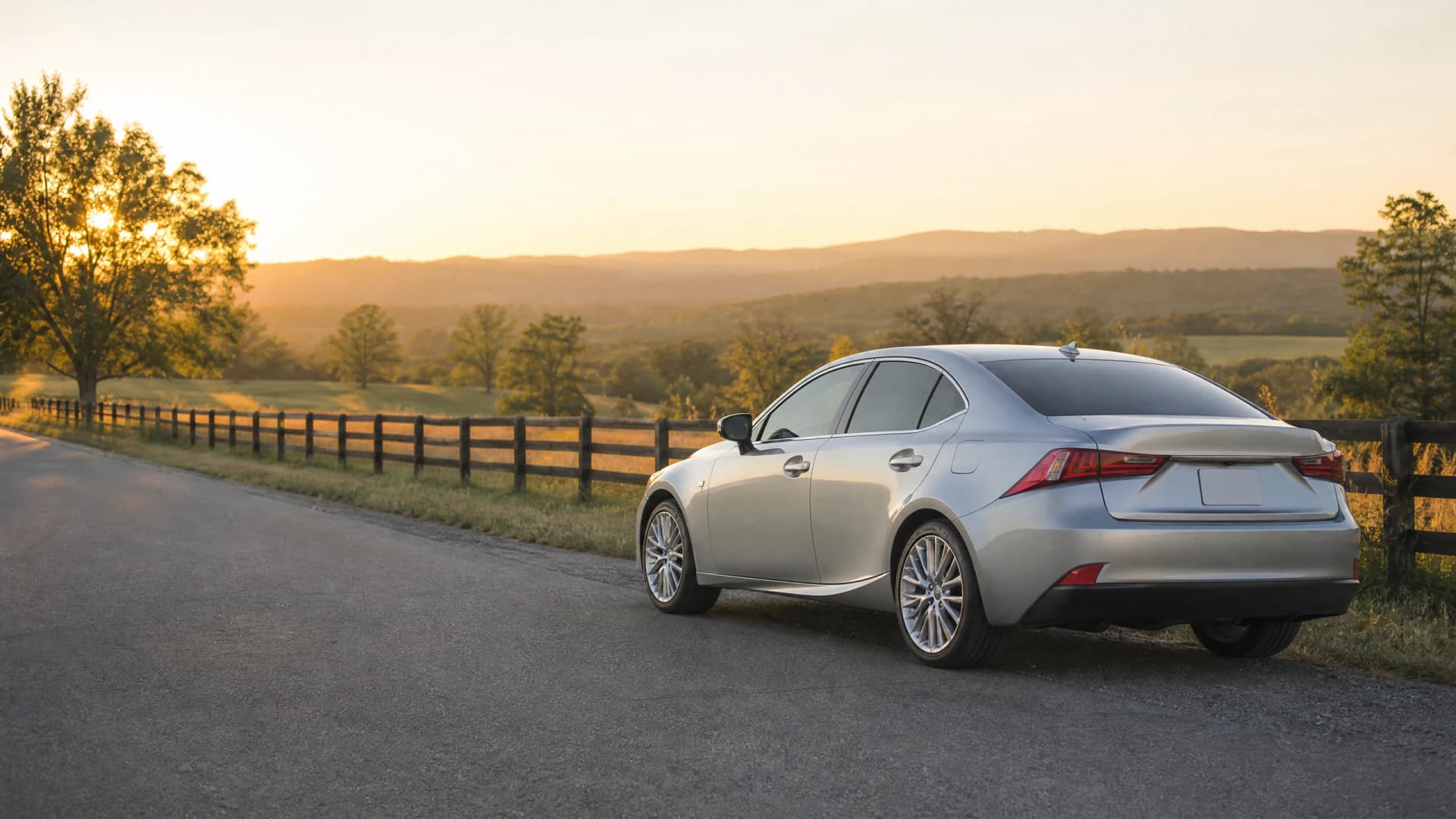
A common scenario: you drive an SUV in Maryland for winter weather and family visits, and you keep a sedan in North Carolina for daily errands and golf. If the Maryland vehicle stays parked November through April, you can drop collision and comprehensive during the winter months and maintain liability-only coverage to keep the registration active. Maryland allows this. The seasonal savings on comprehensive and collision often offset the cost of maintaining the second registration.
Another scenario: your Maryland vehicle is paid off, but you're still financing the North Carolina vehicle. Your lender requires comprehensive and collision on the financed vehicle. Keeping the Maryland car as a liability-only backup costs roughly $400–$600 annually in insurance and registration, which is far less than six months of rental costs if you need a vehicle during your summer stay.
When Consolidating to One Vehicle Saves More
Consolidating makes financial sense if you drive infrequently in one location, both vehicles require full coverage, or you're willing to rent or use rideshare for the 2–3 weeks per year when a second vehicle would be convenient.
If you're spending November through April in Pinehurst and May through October in the DC suburbs, you're driving roughly equal time in both states. Keeping one vehicle and re-registering it twice per year is legally complex and most carriers won't support it. Keeping two vehicles means paying full coverage on both, plus two registrations, two inspections, and two sets of maintenance. Total annual cost: $3,500–$5,000 depending on vehicle value and coverage limits.
If you consolidate to one vehicle, register it in North Carolina where you spend winter, and rent for 2–3 weeks during your Maryland summer stay, your total cost drops to roughly $1,800–$2,200 annually plus $600–$900 in rental costs. You're saving $1,000–$2,000 per year, and you eliminate the regulatory risk of maintaining out-of-state plates in a state where you've established residency.

Get Covered in Both of Your Home States
Compare Snowbird Auto Insurance Rates
How Mileage and Driving Patterns Change the Calculation
Most snowbirds drive fewer miles in their winter state than their summer state. If you're driving 8,000 miles annually in Maryland and 3,000 miles in North Carolina, your exposure and claim risk are concentrated in Maryland. Keeping a Maryland-registered vehicle and requesting a low-mileage discount on the North Carolina vehicle can reduce your combined premium by 15–25%.
Low-mileage discounts typically apply at 7,500 miles or fewer annually. If your North Carolina vehicle genuinely stays under that threshold, request the discount at policy inception. Some carriers require odometer verification; others apply the discount based on your stated mileage. If you're audited and your actual mileage exceeds your stated mileage, the carrier can retroactively charge the difference or deny a claim.
If you consolidate to one vehicle and drive it 11,000 miles annually split between two states, you lose eligibility for low-mileage discounts and you're rated based on the higher-risk state's profile. In this case, keeping two vehicles and managing mileage on each separately can actually cost less than consolidating.

What Happens to Your Rates When You Change State Registration
Changing your vehicle registration from Maryland to North Carolina requires you to notify your carrier, surrender your Maryland plates, obtain a North Carolina title, pass North Carolina safety and emissions inspection, and pay North Carolina registration fees. Your insurance policy must reflect the North Carolina garaging address before the NC DMV will issue plates.
Your carrier will re-rate your policy based on North Carolina's rating factors: your Pinehurst ZIP code, North Carolina's tort liability system, and your North Carolina driving record. If you have a clean Maryland record but accumulated points in North Carolina during prior winter stays, those points will now apply to your base rate. Most carriers pull motor vehicle records from both states when you change your garaging address.
If you've been with the same carrier for multiple years and you're changing registration to a lower-cost state, your rate may drop immediately. If you're moving to a higher-cost state or your carrier doesn't write preferred policies in the new state, you may be non-renewed at the next renewal period. State Farm, USAA, and Nationwide generally accommodate state changes for established customers. Smaller regional carriers often do not.
The Registration Shuffle Strategy and Why It Fails
Some snowbirds attempt to avoid the two-vehicle cost by re-registering the same vehicle twice per year: Maryland plates in summer, North Carolina plates in winter. This approach fails for three reasons.
First, most states require you to surrender plates and cancel registration when you register the vehicle in another state. You cannot hold active registrations in two states simultaneously for the same vehicle. Maryland will cancel your registration when North Carolina issues plates, and vice versa. You'll spend 4–6 hours per transition at two different DMVs, and you'll pay registration fees twice per year.
Second, your insurance carrier must update your garaging address, policy state, and coverage forms each time you switch. Many carriers treat this as a new policy rather than an address change, which means you lose your policy tenure and any associated loyalty discounts. You also restart your claims-free period with each state change.
Third, if you're involved in an accident during the transition period—after you've established residency in North Carolina but before you've re-registered—you're operating a vehicle in violation of state law. Your liability coverage will still apply, but you've created an administrative problem that extends claim settlement time and can be used against you in tort litigation.
Frequently Asked Questions
Can I keep my Maryland registration if I spend six months in North Carolina?
Maryland allows you to keep your registration while spending extended time out of state, but North Carolina requires you to register your vehicle within 60 days of establishing residency. If you own or lease property in North Carolina and stay more than 60 consecutive days, you've established residency under NC law and must register there. Maintaining Maryland plates after that point violates NC General Statute 20-50.
Will my insurance company cover me in both states if I only register in one?
Your policy covers you in all 50 states regardless of where your vehicle is registered, but your carrier requires you to report your primary garaging address accurately. If you spend more time in North Carolina than Maryland and you've listed Maryland as your garaging address, you're misrepresenting material facts. If you file a claim, the carrier can investigate your actual residency pattern and deny coverage based on misrepresentation.
How much does it cost to maintain two vehicles with full coverage in Maryland and North Carolina?
Can I drop comprehensive and collision on one vehicle during the months I'm not driving it?
Yes, if the vehicle is paid off and you own it outright. You must maintain liability coverage to keep the registration active in most states, but you can remove comprehensive and collision during the off-season. If the vehicle is financed or leased, your lender will require continuous comprehensive and collision coverage regardless of whether you're driving it.
Related Articles

Baltimore to Pinehurst NC: Auto Insurance for Snowbirds
4/26/2026

DC to Pinehurst Auto Insurance: Ages 75, 80, 85
4/26/2026

Baltimore to Pinehurst NC Insurance: Ages 75, 80, 85
4/26/2026

Split Residency vs NC Registration: Snowbird Guide
4/26/2026

DC to Pinehurst Snowbird Auto Coverage: What to Check
4/26/2026

Baltimore to Pinehurst Snowbird Auto Insurance Guide
4/26/2026