
Keep Two Cars or One? Detroit Metro to Cape Coral Snowbird Decision
Free to compare
When Florida Requires You to Register There (And Why It Matters for Your Car Decision)
Florida law requires you to register your vehicle in Florida if it's physically present in the state for more than 183 days in a calendar year, regardless of where you claim residency for tax purposes. That triggers mandatory Florida insurance, Florida registration fees, and Florida coverage minimums. Most snowbirds who spend November through April in Cape Coral hit exactly 181 days and believe they're exempt — but two extra weeks in October or May puts them over the line, often without realizing it until a traffic stop or accident claim review.
Michigan has no parallel rule for vehicles garaged out-of-state during winter months. You can maintain Michigan registration year-round if your vehicle is in Michigan fewer than 183 days, but you must notify your Michigan carrier that the car is garaged in Florida seasonally or risk a claim denial for misrepresentation of garaging location.
This registration timing directly affects whether keeping two cars makes financial sense. If you're borderline on the 183-day threshold, leaving one vehicle in Michigan and driving the other south keeps your Florida exposure minimal. If you're definitively over 183 days, you're registering in Florida either way — the question becomes whether insuring two vehicles under one Florida policy costs less than maintaining one Michigan policy and one Florida policy simultaneously.

How Insurance Costs Compare: One Car vs. Two Cars Across Two States
A 70-year-old driver with a clean record typically pays $95–$130/mo for full coverage on a mid-size sedan in Michigan and $110–$150/mo for the same coverage in Florida. Adding a second vehicle to either policy costs approximately 60–70% of the first vehicle's premium, not 100%, because multi-car discounts apply. Maintaining two separate single-car policies — one Michigan, one Florida — eliminates that discount and often raises your combined cost by $40–$70/mo compared to insuring both vehicles on whichever state's policy is cheaper.
Most carriers will not write a Florida policy for a snowbird who only stays 5–6 months unless the vehicle is registered in Florida. If you're under the 183-day threshold and keeping Michigan plates, you're limited to Michigan carriers who agree to cover a vehicle garaged in Florida winters — and many either exclude Florida garaging entirely or surcharge 15–25% for seasonal out-of-state use.
The two-car advantage appears when you keep an older, paid-off vehicle in Michigan with liability-only coverage at $45–$65/mo and bring a newer vehicle to Florida under a Florida policy with full coverage. That structure costs less than full coverage on both vehicles under one state's rates, and it eliminates the risk of a Michigan carrier dropping you mid-term when they discover your car has been in Florida for six consecutive months.

Which Car to Bring South and Which to Leave Behind
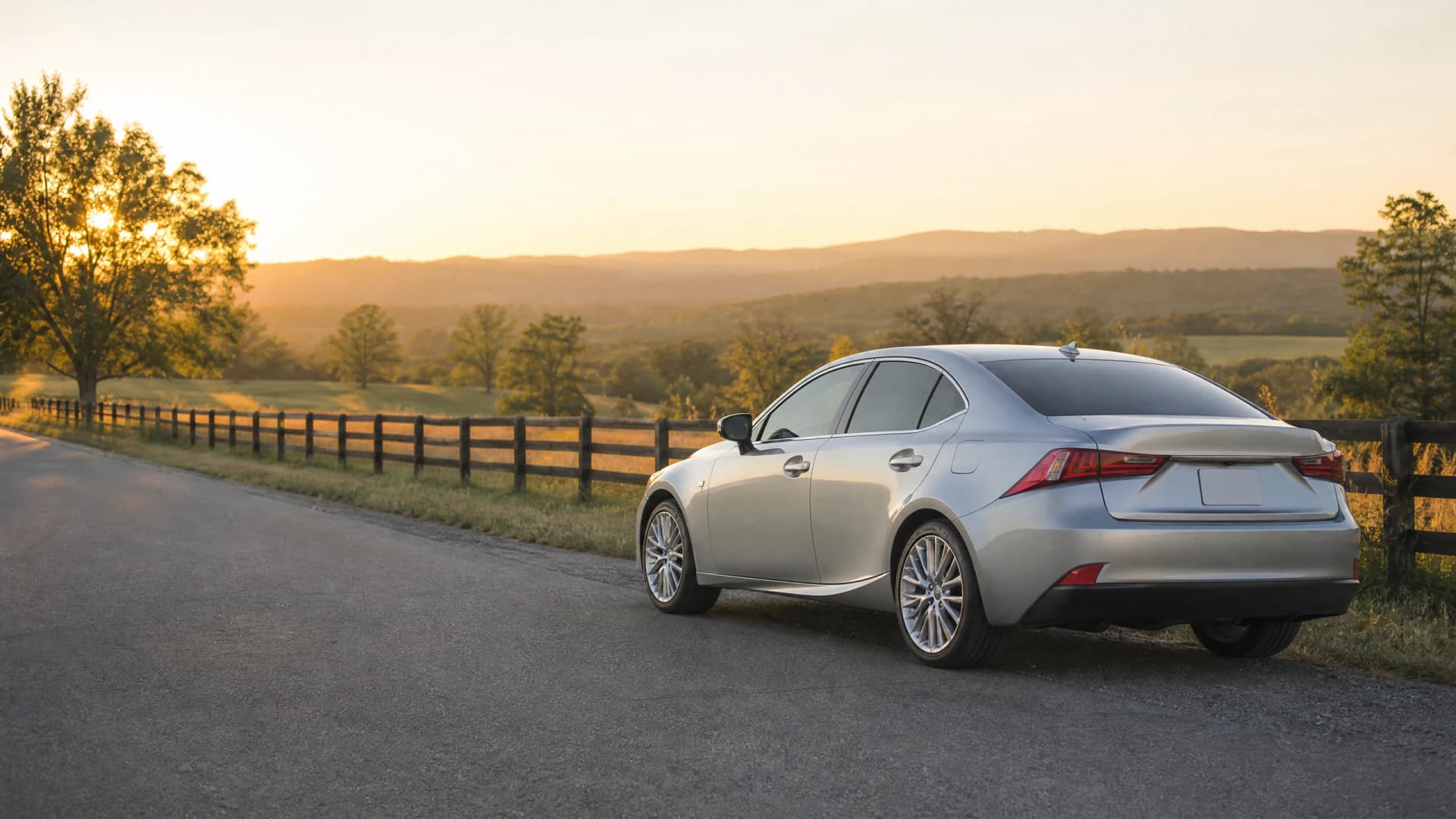
Bring the vehicle with higher collision risk or higher replacement cost to Florida and insure it there with comprehensive and collision coverage. Cape Coral and Fort Myers have higher rates of weather-related claims — hurricane wind damage, flooding from summer storms, and hail — than metro Detroit. Comprehensive coverage in Florida typically costs $20–$35/mo more than Michigan for the same vehicle, but it's the coverage you actually need in a coastal hurricane zone.
Leave the older or fully depreciated vehicle in Michigan with liability-only coverage if you're not driving it during the winter. Michigan's no-fault personal injury protection (PIP) requirements make even liability-only policies expensive compared to other states, but dropping to state minimums on a garaged vehicle cuts the cost to $50–$70/mo. You're still street-legal when you return in spring, and you avoid the lapse that would trigger higher rates when you restore full coverage.
If both vehicles are newer and financed, your lender likely requires full coverage on both regardless of where they're garaged. In that case, the decision hinges entirely on which state's multi-car policy is cheaper. Florida's base rates are higher, but Michigan's mandatory PIP often closes the gap. Request quotes for both vehicles under one Michigan policy and both vehicles under one Florida policy before deciding which car to register where.

Get Covered in Both of Your Home States
Compare Snowbird Auto Insurance RatesHow to Maintain Coverage Across Both States Without Gaps or Double-Paying
If you register and insure one vehicle in Michigan and one in Florida, you need separate policies with separate carriers in most cases — very few carriers write multi-state policies that cover vehicles registered in different states under one policy number. That means two separate billing cycles, two renewal dates, and two sets of coverage selections. Set both policies to renew in the same month to simplify annual comparison shopping.
Notify both carriers in writing of your seasonal address changes and garaging locations. Michigan insurers need to know your vehicle is in Florida from November through April. Florida insurers need to know you're a seasonal resident, not a year-round Florida driver. Failing to report accurate garaging location is the most common claim denial trigger for snowbirds — carriers classify it as material misrepresentation and void coverage retroactively.
If you're keeping both vehicles on one state's policy, confirm with the carrier that both vehicles are covered while garaged in the other state. Some Michigan carriers exclude coverage for vehicles garaged in Florida for more than 90 consecutive days. Some Florida carriers exclude coverage for vehicles garaged out-of-state for more than 60 days per year. These exclusions are buried in policy endorsements and are rarely explained at the point of sale.
What Happens If You Get the Registration Timing Wrong
Florida highway patrol and local police in Cape Coral actively enforce the 183-day registration rule during traffic stops. If you're stopped with Michigan plates and the officer determines you've been in Florida longer than six months, you'll receive a citation requiring Florida registration within 10 days. The fine is $136 for the first offense, and your vehicle can be impounded for repeat violations.
More costly is the insurance consequence. If you're in an at-fault accident in Florida while driving on Michigan plates and Michigan insurance, and the claims adjuster discovers you've exceeded 183 days of Florida presence in the calendar year, your Michigan carrier can deny the claim for failure to comply with Florida registration law and misrepresentation of garaging location. You're then personally liable for damages, which in a serious accident can exceed $100,000.
Under current state requirements, both Michigan and Florida require proof of insurance at registration renewal. If you let your Michigan registration lapse while in Florida and don't transfer to Florida plates, you'll face reinstatement fees of $125–$175 in Michigan plus potential SR-22 filing requirements if the lapse exceeds 30 days. Keeping one vehicle registered and insured in each state avoids this entirely.

When One Car Makes More Sense Than Two
A single-car strategy works best for snowbirds who drive fewer than 8,000 miles annually combined, don't need a vehicle in Michigan during winter months, and stay in Florida fewer than 183 days per year. You keep one vehicle with Michigan plates and Michigan insurance, drive it to Florida each fall, and avoid Florida registration entirely. Insurance cost: one policy, typically $110–$145/mo for full coverage, with no seasonal surcharge if your carrier allows up to six months of Florida garaging.
The single-car approach eliminates registration fees in two states, eliminates the need to coordinate two insurance policies, and eliminates the risk of forgetting to renew or update one of the two vehicles. For couples where only one person drives or where the second vehicle sits unused for months at a time, the cost of maintaining two vehicles — registration, insurance, maintenance, and depreciation — typically exceeds $3,000 annually with minimal practical benefit.
You lose flexibility. If the one vehicle needs repair, you're without transportation in whichever state you're in. If you need to drive back to Michigan for a family emergency mid-winter, you're either driving alone or paying for flights. For snowbirds with medical appointments in both states or family obligations that require last-minute travel, two vehicles provide mobility that rideshare services and rentals cannot replace in rural or suburban Florida communities.
Frequently Asked Questions
Can I keep Michigan plates if I spend more than six months in Florida?
No. Florida law requires you to register your vehicle in Florida if it's physically present in the state for 183 days or more in a calendar year, regardless of your residency status. Driving on Michigan plates past that threshold subjects you to fines, potential impoundment, and insurance claim denial.
Will my Michigan car insurance cover me while I'm in Florida for the winter?
Most Michigan carriers cover your vehicle in Florida for up to 90–180 days if you notify them of the seasonal garaging location. Coverage beyond that window depends on the carrier and requires written confirmation. Failing to report the Florida address can result in claim denial for material misrepresentation.
Is it cheaper to insure two cars on one policy or split them between Michigan and Florida?
Insuring both vehicles on one state's policy with a multi-car discount typically costs $40–$70/mo less than maintaining two separate single-car policies. The savings depend on which state's rates are lower for your specific vehicles and driving profile.
What happens if I let my Michigan registration lapse while I'm in Florida?
Michigan charges reinstatement fees of $125–$175 for lapsed registration, and lapses exceeding 30 days may trigger SR-22 filing requirements. If you're not driving the Michigan vehicle during winter, maintain liability-only coverage to keep the registration active.
Do I need comprehensive coverage on both cars if one sits unused for six months?
If the unused vehicle is financed or leased, your lender will require comprehensive and collision coverage year-round. If it's paid off, you can drop to liability-only while garaged, but you'll lose protection against theft, vandalism, weather damage, and animal strikes during the storage period.
Related Articles

Keep Two Cars or One? Detroit to The Villages FL Guide
4/26/2026

Keep 2 Cars or 1? Grand Rapids to Cape Coral Snowbirds
4/26/2026

Two Cars or One? Traverse City to Naples Snowbird Guide
4/26/2026

Keep 2 Cars or 1? Grand Rapids to The Villages Snowbird
4/26/2026

Keep 2 Cars or 1? Detroit to Naples Snowbird Guide
4/26/2026

Detroit to Cape Coral Snowbird Insurance: Mid-Season Guide
4/26/2026