Keep Two Cars or One? Lehigh Valley to The Villages FL Decision
Free to compare
Why Most Lehigh Valley Snowbirds Keep Both Cars — And Why That's Often Wrong
Most Pennsylvania snowbirds driving to The Villages keep both vehicles fully insured year-round because they assume dropping coverage creates a lapse that raises rates. That's true only if you cancel coverage entirely. What carriers don't advertise: you can switch the northern car to a comprehensive-only storage policy for the months it sits in Pennsylvania, cutting that vehicle's premium by $60–$90/month while maintaining continuous coverage.
The typical Lehigh Valley snowbird pays $140–$180/month to keep full coverage on a car parked in a Pennsylvania garage from November through April. Over six months, that's $840–$1,080 for liability and collision coverage on a vehicle with zero miles driven. Comprehensive-only storage coverage for the same period runs $35–$55/month, a difference of $630–$750 per winter.
This only works if you notify your carrier before you leave and formally request the coverage change. If you simply stop driving the car and leave full coverage active, you're paying for protection you're not using. If you cancel the policy entirely, you create a coverage gap that follows you for three years and raises rates 15–25% when you reinstate.

What Happens to Your Pennsylvania Registration When You're in Florida Six Months
Pennsylvania does not require you to surrender your registration if you spend winters in Florida, but Florida law requires you to register your vehicle in Florida if you work in the state or enroll children in Florida schools. Retirees who spend November through April in The Villages without Florida employment remain legal under Pennsylvania registration as long as the vehicle is insured and the registration is current.
The confusion comes from Florida's 10-day visitor rule, which applies only to new Florida residents establishing permanent domicile. Snowbirds maintaining a Pennsylvania home and returning every spring are not establishing Florida residency. You can drive a Pennsylvania-plated car in Florida for six months as a seasonal visitor without violating registration law.
What you cannot do: register the same vehicle in both states simultaneously. If you switch to Florida plates, you must surrender the Pennsylvania registration. Most Lehigh Valley snowbirds keep Pennsylvania registration and add Florida as a garaging address with their Pennsylvania carrier, which satisfies both states' insurance requirements without dual registration.

Should You Drive One Car to Florida and Store the Other in Pennsylvania
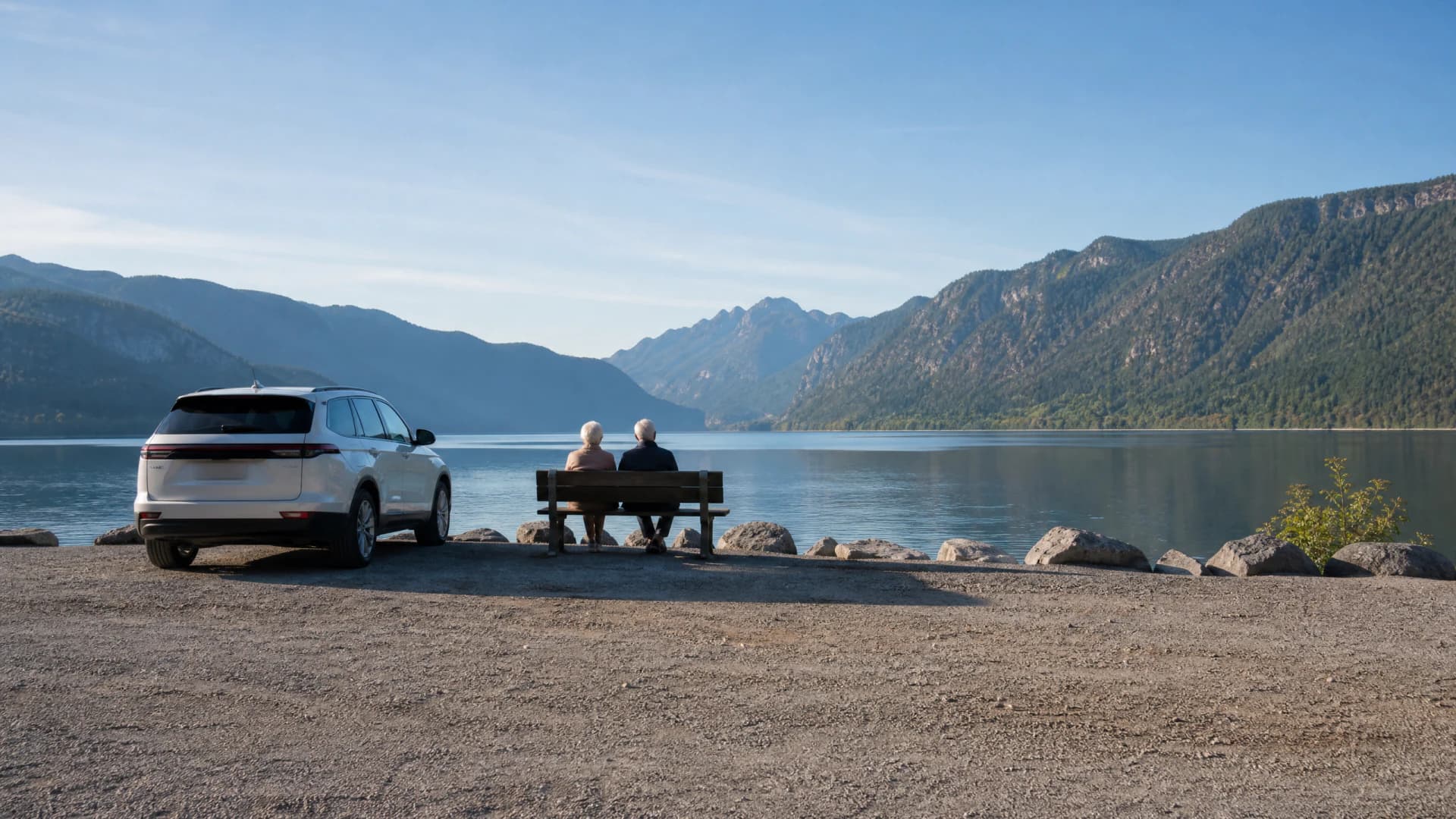
Driving one vehicle to The Villages and leaving the second car in Pennsylvania saves the most money if you switch the stored vehicle to comprehensive-only coverage. A couple paying $320/month combined for two cars in Pennsylvania can drop that to $215–$240/month by storing one vehicle, a winter savings of $480–$630.
The second-car decision depends on whether you need two vehicles in Florida. Most Villages residents find golf carts handle 80% of local trips, reducing the need for a second insured car. If you're keeping both cars active in Florida, rates on the northern vehicle don't change significantly — you're simply driving it in a different state under the same policy.
Before you leave Pennsylvania, call your carrier and provide your Florida address as a seasonal garaging location. Some carriers require this to maintain coverage validity. Others will cancel your policy if they discover the car is garaged in Florida for six months without notification, then claim you misrepresented your primary garaging location when you filed a claim.
How Florida Snowbird Rates Compare to Year-Round Pennsylvania Premiums
Florida auto insurance rates run 20–35% higher than Pennsylvania rates for the same driver and vehicle. A 70-year-old with a clean record paying $95/month for full coverage in Lehigh Valley will see that rise to $115–$130/month when the carrier adds a Florida garaging address, even if the driver splits time equally between states.
The rate increase reflects Florida's higher claim frequency, no-fault personal injury protection requirements, and uninsured motorist exposure. Florida requires $10,000 in personal injury protection and $10,000 in property damage liability as minimum coverage — Pennsylvania requires $15,000/$30,000/$5,000 liability minimums but no PIP. When you add Florida as a garaging location, most carriers apply Florida's higher base rates to the entire policy.
Some carriers offer snowbird-specific discounts that partially offset the Florida surcharge if you can document that the vehicle is garaged in Pennsylvania more than six months per year. GEICO, Nationwide, and Progressive all offer seasonal rating in select states, but you must request it — it's not applied automatically at renewal.
Get Covered in Both of Your Home States
Compare Snowbird Auto Insurance Rates
The Coverage Gap Risk Most Snowbirds Miss
The highest-risk period for coverage gaps is the transition week when you're driving from Pennsylvania to Florida. If you cancel your northern policy the day you leave and don't activate Florida coverage until you arrive, you're uninsured for the entire drive. Even a one-day lapse disqualifies you from continuous coverage discounts and raises rates 15–20% for three years.
The correct sequence: contact your carrier two weeks before you leave, provide your Florida address as a seasonal location, and confirm coverage remains active during the drive and throughout your Florida stay. If you're switching to a Florida-based policy, overlap coverage by at least three days — start the Florida policy before you cancel the Pennsylvania policy, even if it means paying for 72 hours of dual coverage.
Most snowbirds assume their Pennsylvania policy covers them automatically in Florida. It does, but only if Florida is listed as an approved garaging location. If your policy lists only your Lehigh Valley address and the carrier discovers the car was garaged in The Villages when you file a claim, they can deny coverage for material misrepresentation.

Which Carriers Write Snowbird Policies Without Restrictions
Not all carriers handle snowbird situations cleanly. Some require you to list one state as primary and charge out-of-state surcharges if the vehicle is garaged elsewhere more than 90 days. Others refuse to add a second-state address and force you to buy separate policies in each state, creating coordination problems when you file a claim.
Carriers with the fewest snowbird restrictions: GEICO allows up to two garaging addresses with no time limit and rates the policy based on where the car is garaged the majority of the year. Nationwide offers a snowbird endorsement that splits the policy term by location and applies each state's rates proportionally. Progressive permits seasonal address changes online without requiring a phone call or policy rewrite.
Carriers that require manual underwriting review for snowbird situations: State Farm, Allstate, and Erie all require you to call and speak with an agent to add a second state. Some State Farm agents will only write the policy in your permanent residence state and add the winter state as a notation, which can create claim delays if the loss occurs in the non-primary state.
How to Handle the Switch Back to Pennsylvania in April
When you return to Pennsylvania in April, reverse the process: notify your carrier that the vehicle is back in Pennsylvania, reactivate full coverage on the stored car if you suspended it, and confirm both vehicles are rated at Pennsylvania garaging addresses. If you don't notify the carrier of the location change, they'll continue charging Florida rates through the summer.
Most carriers require 10–15 days' notice to process a garaging address change and adjust rates. If you wait until the day you arrive back in Lehigh Valley, you'll pay Florida rates for another full month. Call two weeks before your return, effective-date the change to your arrival date, and request written confirmation that both vehicles are now garaged in Pennsylvania.
The rate decrease when you switch back from Florida to Pennsylvania doesn't happen automatically. Carriers don't monitor your physical location — they rate the policy based on the garaging address you provide. If that address doesn't change in their system, neither does your premium.
Frequently Asked Questions
Can I keep my Pennsylvania car insurance if I spend six months in Florida?
Yes, as long as you notify your carrier that the vehicle will be garaged in Florida seasonally and add Florida as a garaging location on your policy. Most carriers will continue the Pennsylvania policy and adjust rates to reflect the Florida location during winter months.
Do I need Florida license plates if I winter in The Villages?
No, retirees spending winters in Florida without Florida employment or school enrollment can keep their Pennsylvania plates and registration. Florida's residency requirement applies only to those establishing permanent domicile, not seasonal visitors.
Will my rates go up if I tell my insurance company I'm in Florida half the year?
Yes, expect a 20–35% increase for the months the vehicle is garaged in Florida due to higher claim rates and Florida's personal injury protection requirements. The increase applies only to the Florida portion of the year if your carrier offers seasonal rating.
What happens if I don't tell my insurance company I'm driving in Florida for six months?
If you file a claim and the carrier discovers the car was garaged in Florida without notification, they can deny the claim for material misrepresentation of garaging location. This is the most common reason snowbird claims are rejected.
Related Articles

Two Cars or One for Pittsburgh-Florida Snowbirds?
4/26/2026

Keep 2 Cars or 1? Pittsburgh–Cape Coral Snowbird Guide
4/26/2026

Two Cars or One? Philadelphia to Villages Snowbird Guide
4/26/2026

When NOT to Move Insurance from Pittsburgh to Florida
4/26/2026
Lehigh Valley to The Villages: When to Switch Coverage
4/26/2026

Cheapest Snowbird Insurance: Pennsylvania to Florida
5/19/2026