
Keep Two Cars or One? Milwaukee to Naples Snowbird Decision
Free to compare
The Real Cost Difference Between One Car and Two
Keeping one car costs you the depreciation of 2,400–3,000 highway miles each migration, plus wear from two long-distance trips per year. Maintaining two cars eliminates migration wear but doubles your insurance, registration, and maintenance baseline.
Most snowbirds break even at the two-car threshold when their northern vehicle sits unused for 5–6 months and their Florida stay exceeds 180 days per year. Below that threshold, the cost of insuring and registering a second vehicle usually exceeds what you save in avoided mileage and wear.
The calculation changes sharply if you establish Florida residency. Wisconsin allows snowbirds to maintain vehicle registration at their northern address as long as the primary residence remains there. Once you register as a Florida resident, you must re-register your vehicle in Florida within 10 days of obtaining a Florida license, and your Wisconsin senior driver discounts typically disappear.

When Keeping One Car Makes Sense
You drive under 12,000 miles per year total, your northern vehicle handles well on long trips, and you maintain Wisconsin residency with property ownership or a lease longer than six months. Wisconsin insurance rates for drivers 65+ with clean records typically run $75–$130/mo for full coverage, and the state requires proof of senior driver course completion for discount eligibility.
Your Milwaukee-to-Naples drive covers approximately 1,350 miles one way. Two annual trips add 5,400 miles, leaving 6,600 miles for local driving if you target 12,000 total. That works if you drive minimally in both locations.
Keeping Wisconsin plates while in Florida requires maintaining continuous insurance that covers you in both states. Most Wisconsin carriers extend full coverage to Florida stays under 185 days per year without requiring a separate Florida policy, but confirm this with your carrier before your first winter migration.
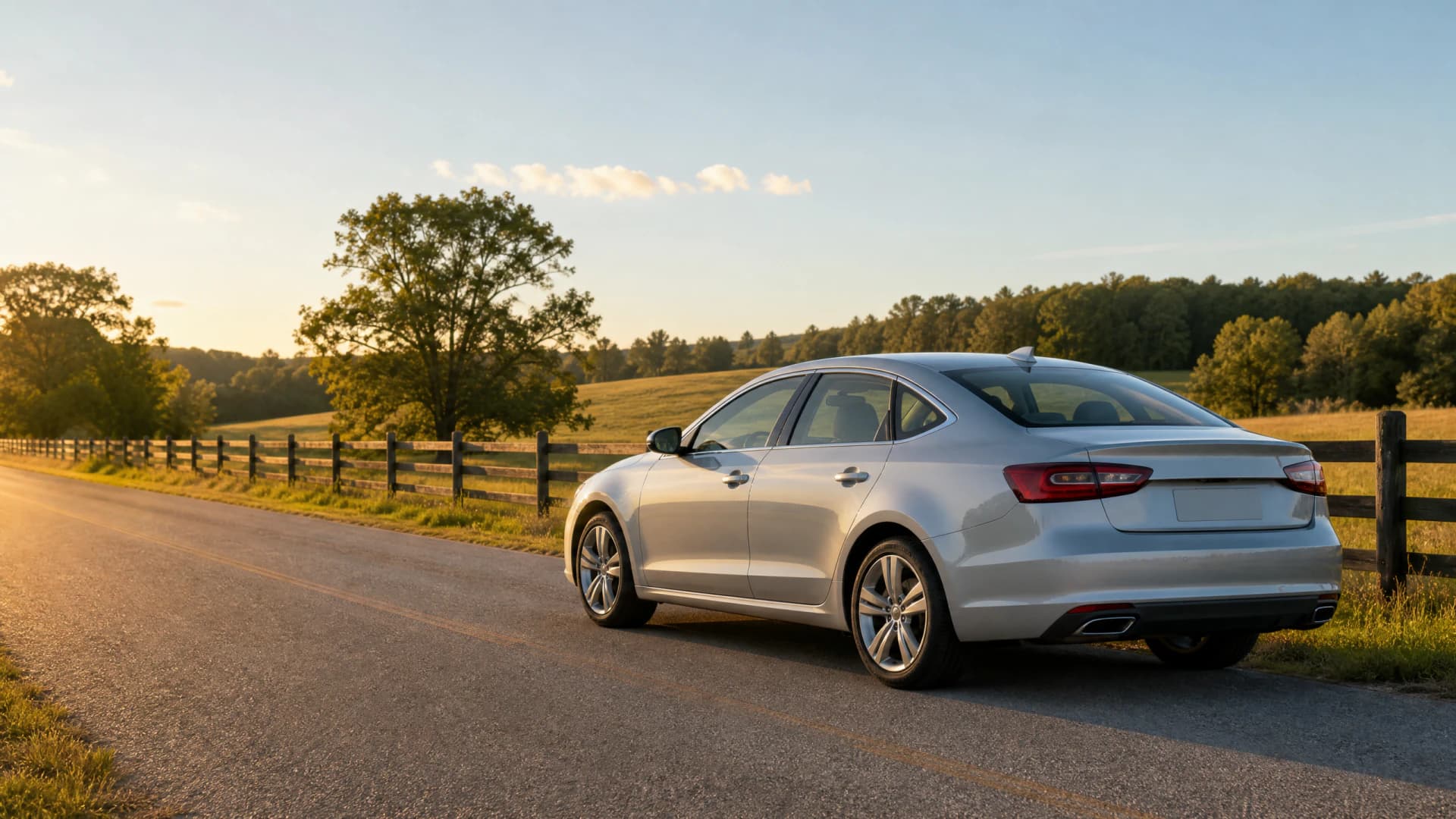

When Two Cars Cost Less Than You Think
You own an older paid-off vehicle you can leave in Florida, you stay in Naples or Marco Island more than 180 days per year, or Wisconsin winter driving has become uncomfortable. A second vehicle eliminates 5,400 highway miles per year from your primary car and removes the stress of managing long-distance maintenance timing.
Florida registration costs $225–$280 for initial registration plus title transfer, then $85–$120 annually depending on vehicle weight. Florida insurance for the same coverage level typically runs $140–$210/mo for senior drivers due to higher liability minimums, uninsured motorist risk, and weather exposure.
Estimates based on available industry data; individual rates vary by driving history, vehicle, coverage selections, and location.
The key variable is whether you establish Florida residency. If you remain a Wisconsin resident, you can register the Florida vehicle in Wisconsin and maintain Wisconsin insurance rates on both cars, adding only the incremental multi-car premium, which most carriers discount 15–25%. If you become a Florida resident, both vehicles must eventually carry Florida registration and insurance.

Get Covered in Both of Your Home States
Compare Snowbird Auto Insurance RatesHow Florida Residency Triggers Registration and Insurance Changes
Florida law requires anyone who works in Florida, enrolls children in public school, or registers to vote to obtain a Florida driver license within 30 days. Once you have a Florida license, you must register your vehicle in Florida within 10 days. This is the trigger most snowbirds miss.
Simply owning property and spending winters in Florida does not make you a Florida resident if you maintain a primary residence, voter registration, and driver license in Wisconsin. But if you claim Florida residency for tax purposes, homestead exemption, or voting, the vehicle registration requirement follows immediately.
Switching from Wisconsin to Florida registration eliminates your Wisconsin senior driver discount, changes your liability coverage minimums from 25/50/10 to 10/20/10 for property damage and bodily injury, and often increases your premium 30–60% even with the same carrier. Most Wisconsin carriers re-rate your policy as a Florida risk, and many apply Florida's higher base rates for drivers over 70.

What Dual-State Coverage Actually Costs
Wisconsin allows you to insure a vehicle garaged in Florida as long as you list both addresses on your policy and confirm the Florida location with your carrier. Most carriers treat this as an address extension rather than a separate policy, adding $15–$40/mo to your Wisconsin rate.
You must declare where the vehicle is garaged for the majority of the year. If the car stays in Florida more than six months, carriers typically re-rate the policy at Florida risk levels even if you maintain Wisconsin registration. This triggers the same premium increase as full Florida residency without requiring re-registration.
The cleanest structure: register both vehicles in Wisconsin if you remain a Wisconsin resident, declare the Florida vehicle as garaged in Naples or Marco Island from November through April, and ask for the multi-car discount. Wisconsin insurers typically apply a 20–25% discount on the second vehicle, meaning the incremental cost of the Florida car is $60–$100/mo rather than the full $75–$130/mo you pay for the northern car.

How to Decide Before Your Next Migration
Calculate your total annual mileage over the past two years. If you drove under 10,000 miles per year and the migration trips felt manageable, one car remains the lower-cost option as long as you maintain Wisconsin residency and confirm your carrier covers extended Florida stays.
If you drove over 15,000 miles per year, dislike the twice-annual highway drive, or plan to establish Florida residency within the next two years, buying a second vehicle now eliminates a future registration and insurance disruption. Look for a paid-off vehicle under $8,000 that you can leave in Florida year-round.
Before making either decision, contact your Wisconsin carrier and ask three questions: (1) Does my current policy cover me for Florida stays over 180 days without re-rating? (2) If I buy a second vehicle and garage it in Florida, what is the incremental monthly cost? (3) If I establish Florida residency, does my policy terminate or convert to Florida rates? Most snowbirds discover the answer to question three only after the registration change, when reinstatement and re-rating happen simultaneously.
Frequently Asked Questions
Can I keep my Wisconsin license and plates if I own property in Florida?
Yes, as long as you maintain a primary residence in Wisconsin and do not register to vote, work, or claim homestead exemption in Florida. Owning property and spending winters in Florida does not trigger a residency requirement. Confirm your insurance carrier covers extended Florida stays under your Wisconsin policy.
How long can I drive my Wisconsin car in Florida before I need to register it there?
Florida does not impose a time limit on out-of-state vehicles driven by non-residents. You can drive your Wisconsin-registered car in Florida all winter as long as you remain a Wisconsin resident. The registration requirement only applies after you obtain a Florida driver license, which itself is required only if you work, vote, or claim residency in Florida.
Does having two cars lower my insurance cost compared to one?
Most carriers apply a 15–25% multi-car discount to the second vehicle, reducing the incremental monthly cost to $60–$100 rather than the full premium. The total annual cost of two cars still exceeds one, but the gap narrows significantly if both vehicles are registered in Wisconsin and you avoid Florida residency re-rating.
What happens to my Wisconsin senior driver discount if I move to Florida?
Wisconsin senior driver discounts terminate when you re-register your vehicle in Florida, even if you completed the course in Wisconsin. Florida requires its own mature driver improvement course for discount eligibility, and not all carriers offer the same discount levels. Expect to lose $150–$300 annually in discount value during the transition.
Related Articles

Keep 2 Cars or 1? Milwaukee to Cape Coral Snowbirds
4/26/2026

Two Cars or One? NJ to Sarasota Snowbird Guide
4/26/2026
Keep 2 Cars or 1? Ann Arbor to Sarasota Snowbird Guide
4/26/2026

Keep 2 Cars or 1? Ann Arbor to Naples Snowbird Guide
4/26/2026

Milwaukee to Naples FL: Real Snowbird Insurance Math
4/26/2026

Keep 2 Cars or 1? Detroit to Naples Snowbird Guide
4/26/2026