
Keep Two Cars or One? North Jersey to Palm Beach Snowbird Decision
Free to compare
What the 183-Day Rule Actually Means for Your Vehicle Registration
Florida law requires you to register your vehicle in Florida within 10 days of establishing residency, and residency is defined as living in the state for more than 183 days in a 12-month period. If you spend November through April in Palm Beach—that's 181 days—you remain a New Jersey resident for vehicle registration purposes and can keep your car plated there. If you stay even two weeks longer, you cross the threshold and Florida considers you a resident who must register locally.
The confusion comes from the fact that Florida's Department of Highway Safety enforces this aggressively in some counties and not at all in others. Palm Beach County has been known to ticket vehicles with out-of-state plates parked at the same address for extended periods, while other coastal counties rarely enforce. The legal standard is clear: more than 183 days means you're a Florida resident for registration purposes.
Most snowbirds who stay exactly six months believe they're safe, but if you arrive early November and leave late April, count the days carefully. The penalty for driving an unregistered vehicle in Florida after establishing residency is $500 for a first offense, and your New Jersey insurance carrier can deny a claim if they discover you were living in Florida when the policy was written for a New Jersey address.

Why Keeping One Car Costs More Than Most Snowbirds Realize
New Jersey has the second-highest average auto insurance premium in the country at $160–$240 per month for senior drivers with clean records, while Florida averages $145–$210 per month. If you register your vehicle in New Jersey and drive it in Florida for six months, you're paying New Jersey rates year-round even though the car sits in a lower-cost state half the time.
The bigger cost is depreciation and maintenance. A vehicle driven 12,000 miles per year between two states—especially the I-95 corridor from North Jersey to Palm Beach—accumulates wear faster than two vehicles each driven 6,000 miles locally. Oil changes, tire rotations, and brake service come twice as often. The resale value drops faster because the odometer climbs continuously.
If you're financing the vehicle, you're also paying interest on a single loan rather than two smaller ones, but this rarely offsets the insurance and maintenance premium unless you're carrying a high-interest note. Most seniors own their vehicles outright, which makes the two-car scenario more financially viable than younger drivers assume.
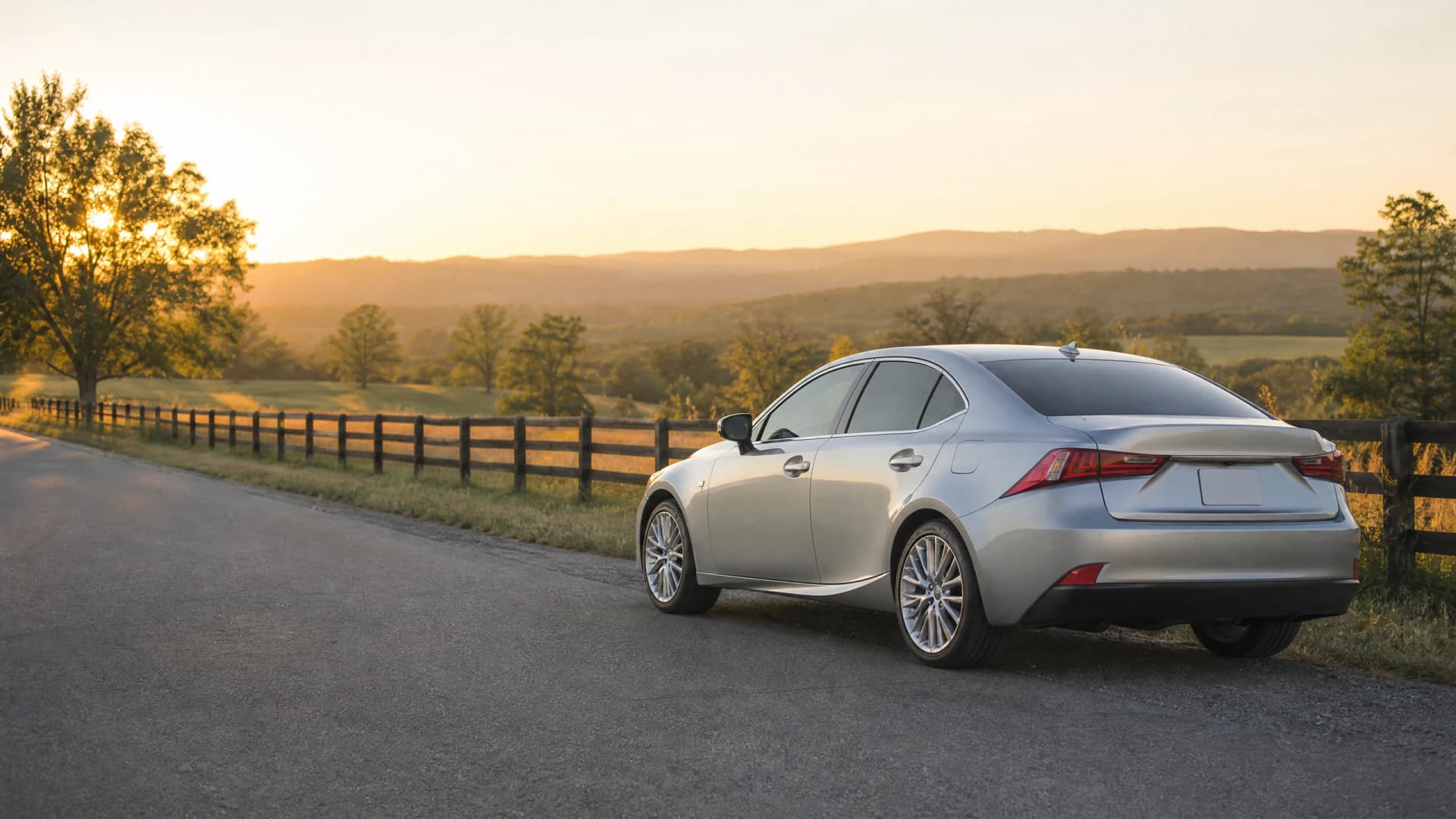

The Two-Car Strategy: How It Works and What It Costs
The cleanest two-car approach is to own one vehicle registered and insured in New Jersey, parked at your northern home from May through October, and a second vehicle registered and insured in Florida, parked at your Palm Beach residence from November through April. You're never driving both simultaneously, so you're paying for only one active policy per state, but each policy is written at the local rate for a car that sits idle half the year.
Most carriers allow you to suspend comprehensive and collision coverage during the months a vehicle isn't driven, keeping only liability to maintain continuous coverage. State Farm, GEICO, and Progressive all offer seasonal suspension policies, which drop your premium to $30–$50 per month for the idle vehicle. That means you're paying full rate on whichever car you're driving, plus a minimal holding cost on the parked vehicle.
The upfront cost is purchasing a second vehicle. A reliable used sedan in Florida runs $8,000–$15,000, and you'll pay Florida sales tax at 6% plus registration. If you're replacing a single car every eight years at $30,000 with two cars every twelve years at $12,000 each, the total cost over twelve years is $24,000 instead of $45,000—plus the insurance and maintenance savings on reduced mileage per vehicle.

Get Covered in Both of Your Home States
Compare Snowbird Auto Insurance RatesWhen One Car Still Makes More Sense
If you stay in Florida fewer than four months, the math flips. You're not accumulating enough mileage to justify a second vehicle, and the holding costs on a car that sits unused eight months per year don't offset the savings. Snowbirds who arrive after Thanksgiving and leave before Easter are better off keeping one car and accepting the New Jersey insurance rate.
If you're still financing your vehicle, adding a second car loan increases your monthly obligation in a way that may not work on a fixed retirement budget. The two-car strategy works best for drivers who can purchase the second vehicle outright or finance it at a low rate through a credit union.
Some seniors prefer the simplicity of one vehicle, one insurance policy, and one registration renewal to track. If you're not confident managing two policies, two inspection schedules, and two renewal cycles across two states, the cognitive load isn't worth the savings. The best financial decision is the one you'll actually execute correctly every year.

How to Structure Insurance If You Choose Two Cars
Each vehicle must be insured in the state where it's registered and garaged. Your New Jersey car carries a New Jersey policy with your northern home address as the garaging location. Your Florida car carries a Florida policy with your Palm Beach address. You cannot insure both vehicles under one policy if they're registered in different states.
Some carriers write policies in multiple states and will let you manage both under one account login, but they're still separate policies with separate premiums and renewal dates. GEICO, Progressive, and State Farm all operate in both New Jersey and Florida and can write both policies, which simplifies communication if you need to file a claim or adjust coverage.
When you suspend coverage on the idle vehicle, you're required to remove the plates in New Jersey and file a non-use affidavit with the MVC. Florida doesn't require plate removal during seasonal suspension, but your carrier will ask for odometer photos to confirm the vehicle isn't being driven. Missing this step can result in your carrier charging you for full coverage even though you requested suspension.

What Happens If You Get the Registration or Insurance Wrong
If you're pulled over in Florida driving a New Jersey-plated car and the officer determines you've been living in Florida for more than six months, you can be cited for operating an unregistered vehicle and driving without valid Florida insurance. The ticket is $500 minimum, and if you're involved in an accident, your New Jersey carrier can deny the claim on the grounds that you misrepresented your garaging address.
If you register your car in Florida but maintain your insurance in New Jersey, the Florida DMV will discover the discrepancy when you attempt to renew your registration and suspend it until you provide proof of Florida insurance. New Jersey will not be notified automatically, but if your New Jersey carrier learns you're no longer a resident, they'll cancel your policy for misrepresentation.
The safest approach is to count your days carefully every season, keep a log of arrival and departure dates, and register and insure in the state where you spend more than half the year. If you're genuinely splitting time evenly, register and insure in your state of legal domicile—the state where you vote, file taxes, and hold your driver's license.
Frequently Asked Questions
Can I keep my car registered in New Jersey if I spend six months in Florida?
Yes, as long as you spend 183 days or fewer in Florida during a 12-month period. If you cross 184 days, Florida law requires you to register your vehicle in Florida within 10 days of establishing residency. Count your days carefully each season—arriving early November and leaving late April puts you right at the threshold.
Do I need separate insurance policies for cars registered in different states?
Yes. Each vehicle must be insured in the state where it's registered and garaged. You cannot cover a New Jersey-registered car and a Florida-registered car under the same policy, even if the same carrier writes both. Some carriers like GEICO and Progressive will manage both policies under one account, but they're separate policies with separate premiums.
How much does it cost to suspend coverage on a car I'm not driving?
Most carriers charge $30–$50 per month to maintain liability-only coverage during seasonal suspension, which keeps your policy active without paying for comprehensive and collision. You'll need to provide odometer photos and, in New Jersey, file a non-use affidavit with the MVC when you remove the plates.
What happens if I get pulled over in Florida with New Jersey plates after living there more than six months?
You can be cited for operating an unregistered vehicle, which carries a $500 minimum fine in Florida. If you're in an accident, your New Jersey insurance carrier can deny the claim on the grounds that you misrepresented your garaging address when you purchased the policy.
Related Articles

Split vs Full FL Residency: 5 Factors for Snowbirds
4/26/2026

NJ to FL Snowbird Auto Insurance: Age 75, 80, 85
4/26/2026

Keep Two Cars or One? NYC to Palm Beach Snowbird Guide
4/26/2026

Split vs Full FL Residency: Guide for NJ Snowbirds
4/26/2026

NJ to FL Snowbird Insurance: Year-1 Registration Guide
4/26/2026

NJ to Boca/Delray FL: Real Snowbird Insurance Math
4/26/2026