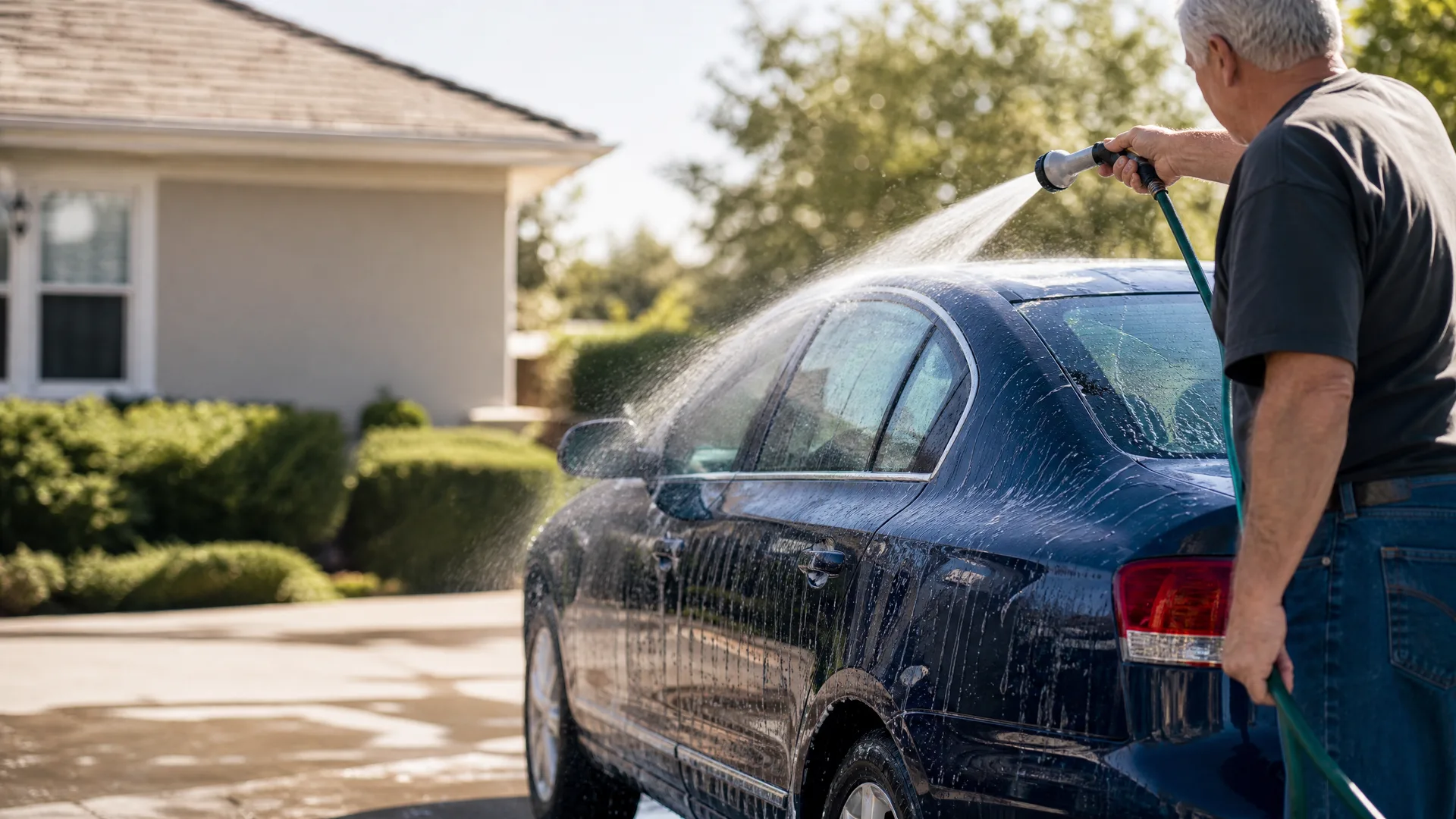
Split vs Full FL Residency: 5 Factors for Jersey Snowbirds
Free to compare
What Actually Triggers the Florida Registration Requirement
Florida requires vehicle registration if your car is garaged in the state for more than 183 days per calendar year. This is not the same as spending 183 days in Florida yourself. If you arrive in Sarasota in November and leave in April, your vehicle has been garaged in Florida for approximately 150-180 days, putting you near or over the threshold depending on exact dates.
The 183-day count resets January 1st, which creates a trap for snowbirds whose winter season spans two calendar years. A November-to-April stay might total only 5 months, but if 90 days fall in one calendar year and 90 in the next, Florida law treats that as two separate counting periods. You're under the threshold both years even though you're clearly a seasonal resident.
New Jersey simultaneously requires registration for any vehicle principally garaged in the state. If you store your car in New Jersey from May through October, you're required to maintain New Jersey registration during those months. Most snowbirds don't switch registration twice per year because it's administratively impractical, so they pick one state and hope the other doesn't notice. That works until you file a claim and the carrier investigates where the vehicle actually spends its time.

How Split Residency Changes Your Insurance Rates
Maintaining New Jersey registration while wintering in Florida typically costs $180-$320 more per month than switching to full Florida residency. New Jersey liability minimums are higher, collision and comprehensive rates reflect northern weather and theft patterns, and the state's lawsuit environment drives up bodily injury costs. A 70-year-old driver with a clean record pays approximately $1,400-$1,800 per year for minimum liability in Sarasota County versus $2,200-$2,900 for the same coverage in Middlesex or Monmouth County.
Florida residency also eliminates New Jersey's personal injury protection requirement, which adds $400-$700 annually to most policies. Florida requires PIP as well, but the minimum is lower and the coverage structure favors lower premiums for drivers who don't commute. If you're retired and driving fewer than 7,500 miles per year in Florida, most carriers price that risk 20-30% below comparable mileage in New Jersey.
The hidden cost appears when you tell your carrier you split time between states. Most national carriers can write a policy that covers both locations, but they price it using the higher-risk state's rates for all coverage. You pay New Jersey rates year-round even though your vehicle sits in a Bradenton driveway from December through March. Regional carriers that only operate in one state won't write the policy at all, forcing you toward higher-cost national writers.

Where Your Vehicle Is Garaged Determines Legal Compliance
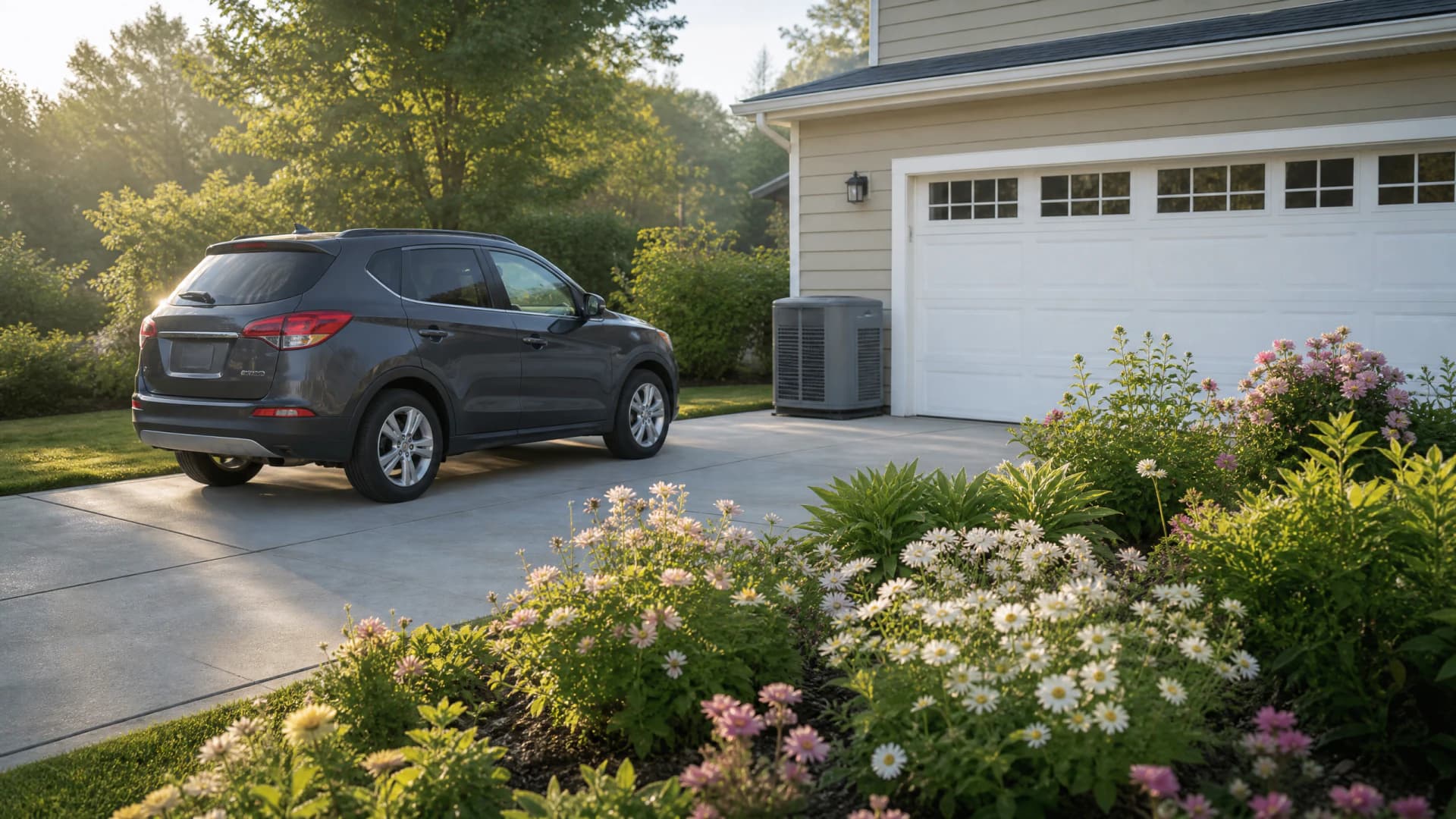
Your insurance policy's garaging address must match where the vehicle is actually parked overnight most of the year. This is not your mailing address, your property tax address, or where you're registered to vote. It's the physical location where the car sits when you're not driving it. If you winter in Sarasota for 5 months and summer in New Jersey for 7 months, your garaging address under current state requirements is New Jersey.
Most carriers allow one temporary garaging address change per policy term without repricing the entire policy. You notify the carrier when you arrive in Florida, they note the seasonal address in your file, and your coverage continues without interruption. This works cleanly if your stay is under 6 months and you return to your primary address before renewal. The carrier prices the policy based on your New Jersey garaging address because that's where the vehicle spends more than half its time.
The compliance failure happens when snowbirds register in Florida to capture the insurance savings but continue listing a New Jersey garaging address on their policy. You're now insured in the wrong state for the risk you're actually presenting. If you file a comprehensive claim in Sarasota and the adjuster discovers your vehicle has been garaged there for 150 days per year for the past three winters, the carrier can deny the claim for material misrepresentation. That's not a hypothetical risk. It's the most common coverage denial scenario for snowbirds.

Get Covered in Both of Your Home States
Compare Snowbird Auto Insurance RatesHow Carriers Treat Seasonal Address Changes
State Farm, GEICO, Progressive, and Allstate all allow seasonal address changes for snowbirds, but only State Farm and Allstate consistently avoid repricing the policy mid-term. You notify them when you arrive in Florida, they update your garaging address for the winter months, and your premium stays locked at the New Jersey rate. When you return north in spring, you notify them again and the file reverts to your primary address. This process works smoothly if your winter stay is under 6 months per year.
Progressive and GEICO both reserve the right to reprice your policy when you add a Florida garaging address, even temporarily. Whether they actually do depends on how their underwriting system categorizes the change. A 90-day winter stay flagged as "temporary" usually processes without a rate change. A 5-month stay flagged as "seasonal residence" often triggers a full reprice using Florida rates, which can increase or decrease your premium depending on your specific county and coverage selections.
Regional carriers like NJM and Palisades won't write coverage for vehicles garaged outside their operating territory for more than 30 consecutive days. If you're currently insured with a New Jersey-only carrier and you winter in Florida for 4-5 months, you're technically uninsured during that time. The policy language includes an exception for "temporary relocation," but the carrier defines temporary as under 30 days. You need to switch to a national carrier before your first winter season, not after you've already been driving in Florida for three months.

When Full Florida Residency Actually Makes Financial Sense
Switching to full Florida residency saves the most money when you own property in both states but spend more than 6 months per year in Florida. A Sarasota address combined with 8,000 annual miles driven mostly in-state qualifies for the lowest Florida rate tiers. Comprehensive and collision coverage for the same vehicle costs 25-35% less than New Jersey pricing, liability minimums are lower, and you eliminate New Jersey's PIP surcharge entirely. A couple in their early 70s with two vehicles typically saves $1,400-$2,200 per year.
The savings shrink significantly if you still drive in New Jersey for 3-4 months per summer. Most carriers price policies based on where the vehicle is garaged, but they adjust rates upward if you report regular seasonal driving in a higher-cost state. You'll pay less than a full-time New Jersey resident, but more than a full-time Florida resident. The break-even point sits around 7 months per year in Florida. Below that threshold, maintaining New Jersey residency and paying the higher premium often costs less than the administrative burden of switching registration, updating your driver's license, and re-establishing voter registration in Florida.
Full Florida residency also requires you to obtain a Florida driver's license within 30 days of establishing residency, surrender your New Jersey license, and register your vehicle with the Florida DMV. You'll need proof of Florida residence, which typically means a lease, deed, or utility bill showing your Sarasota or Bradenton address as your primary residence. If you still own property in New Jersey and spend summers there, you're not legally a Florida resident under state tax law unless Florida is your primary domicile. The insurance savings don't override the legal residency requirements.
Frequently Asked Questions
Can I keep my New Jersey car insurance if I spend 5 months per year in Florida?
Yes, if your vehicle is garaged in New Jersey for more than 6 months per year and you notify your carrier about your seasonal Florida address. Most national carriers allow temporary address changes without repricing your policy, but regional New Jersey carriers often restrict coverage to 30 consecutive days outside the state.
Do I need to register my car in Florida if I'm only there for the winter?
Florida requires registration if your vehicle is garaged in the state for more than 183 days per calendar year. A typical November-to-April snowbird season is 150-180 days, which puts you near or over the threshold depending on exact dates. The count resets each January 1st, which can create confusion for stays spanning two calendar years.
Will my insurance company find out if I don't report my Florida address?
Carriers investigate garaging addresses during claim reviews, not during policy issuance. If you file a comprehensive or collision claim in Florida and the adjuster discovers your vehicle has been garaged there for 150+ days per year without disclosure, the carrier can deny the claim for material misrepresentation of risk.
Which carriers let snowbirds change addresses seasonally without raising rates?
State Farm and Allstate consistently allow seasonal address changes without mid-term repricing if your winter stay is under 6 months. Progressive and GEICO reserve the right to reprice when you add a Florida address, and whether they actually do depends on how their system categorizes the change as temporary versus seasonal residence.
Related Articles

Split vs Full FL Residency: 5 Factors for Snowbirds
4/26/2026

NJ to Sarasota Auto Policy Switch: Timing for Snowbirds
4/26/2026

Split vs Full FL Residency: 5 Factors for Snowbirds
4/26/2026

Split vs Full FL Residency: Guide for Jersey Snowbirds
4/26/2026

NJ to Boca/Delray FL: Real Snowbird Insurance Math
4/26/2026

NJ to FL Snowbird Insurance: Year-1 Registration Guide
4/26/2026