
Keep Two Cars or One? Philadelphia to Asheville Snowbird Guide
Free to compare
What Triggers the Need for a Second Vehicle Registration in North Carolina
North Carolina requires vehicle registration if you spend more than 6 months per year in the state or if you earn income there, regardless of where your primary residence sits. The clock starts when you establish a physical address, not when you cross the state line.
If you winter in Asheville from November through April and return to the Philadelphia metro from May through October, you fall into the 6-month threshold. North Carolina counts consecutive or cumulative days within a 12-month period.
The registration requirement ties directly to insurance: North Carolina mandates continuous liability coverage on every registered vehicle. If you keep a car registered in Asheville but don't drive it during your Pennsylvania months, you're still paying for active coverage on a vehicle sitting in storage.

The Real Cost of Maintaining Two Insured Vehicles When One Sits Idle
Pennsylvania requires liability minimums of $15,000/$30,000/$5,000, while North Carolina requires $30,000/$60,000/$25,000. If you register vehicles in both states, you're paying for two active policies or a single multi-state policy that meets the higher North Carolina minimums across both vehicles.
A typical senior driver maintaining year-round coverage on a second vehicle that sits idle 5–7 months annually pays $75–$120 per month for that vehicle alone. That's $900–$1,440 per year for a car you're not driving half the time.
Most carriers charge the full annual premium regardless of actual usage. Low-mileage discounts rarely apply to vehicles driven under 3,000 miles per year unless you specifically request usage-based tracking, and those programs require active verification.
How One-Car Snowbirds Handle the Seasonal Drive Between States
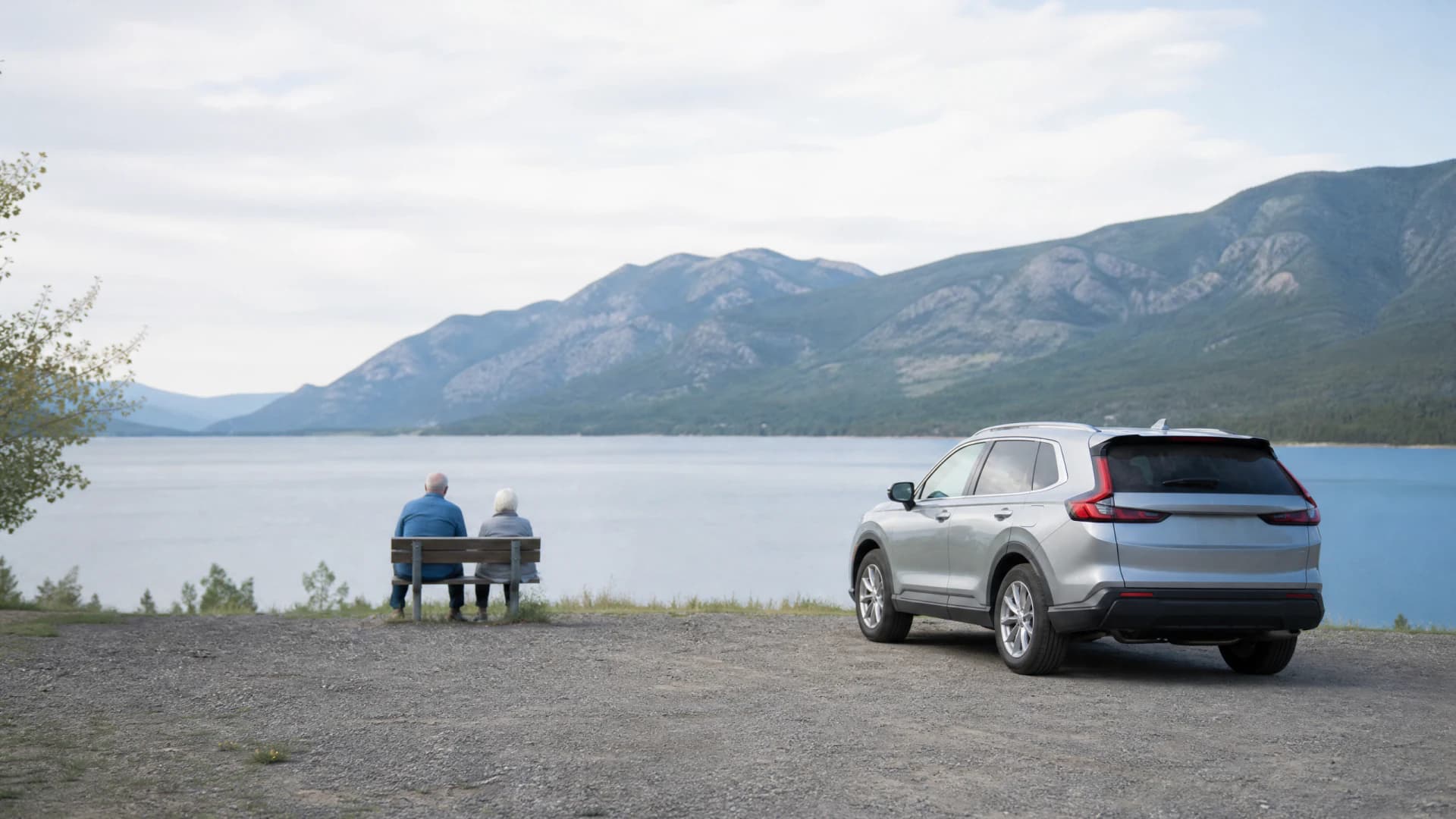
Driving one vehicle between Philadelphia and Asheville twice per year eliminates the cost of a second registration, second insurance policy, and second set of maintenance expenses. The Philadelphia-to-Asheville route runs approximately 550 miles via I-81, requiring 8–10 hours of driving time depending on traffic and stops.
Most senior snowbirds who consolidate to one vehicle register it in their state of legal domicile, which is usually Pennsylvania if that's where they vote, file taxes, and maintain their primary residence. Pennsylvania accepts North Carolina liability coverage as valid for Pennsylvania-registered vehicles as long as it meets or exceeds Pennsylvania minimums, but North Carolina does not automatically reciprocate for vehicles registered there.
The seasonal drive becomes the triggering event: you're driving through Virginia and Tennessee with a Pennsylvania-registered vehicle covered under a Pennsylvania policy that includes out-of-state travel. Your carrier confirms coverage extends to the full geography of your trip and your winter stay.
When Keeping Two Cars Actually Makes Financial Sense
Two vehicles work financially if you drive locally at both locations frequently enough to justify the annual cost. If you're driving daily in Asheville and weekly in the Philadelphia metro, the convenience cost of $900–$1,400 per year may be worth it.
Some senior drivers keep an older, paid-off vehicle in North Carolina with liability-only coverage, reducing the insurance cost to $50–$70 per month. That vehicle remains titled and registered in North Carolina, and they pay only for the minimum required coverage.
The calculation shifts if your adult children or other family members use the second vehicle while you're away. In that case, you're paying for active coverage on a vehicle that's actually being driven, and the cost becomes justified. Confirm with your carrier that occasional use by a family member living at your second address is disclosed and covered under your policy.

Get Covered in Both of Your Home States
Compare Snowbird Auto Insurance Rates
What Happens to the Second Vehicle If You Stop Registering It in North Carolina
If you decide to keep the second vehicle but stop registering it in North Carolina, you must surrender the North Carolina plates to the DMV and cancel the North Carolina insurance policy. The vehicle remains titled in your name but becomes non-operational under state law.
North Carolina does not require insurance on a vehicle with surrendered plates, but you cannot legally drive it on public roads. If you plan to store it at your Asheville property and not drive it during the Pennsylvania months, this approach eliminates the insurance cost entirely.
When you return to Asheville and want to drive the vehicle again, you must re-register it, obtain new plates, and reinstate insurance coverage before the first trip. The process requires proof of ownership, a current safety inspection, and payment of registration fees. Most senior drivers find this cycle too cumbersome and either sell the second vehicle or keep it registered year-round if they use it at all.

How Pennsylvania and North Carolina Carriers Handle Multi-State Snowbird Policies
Most national carriers write multi-state policies that cover a single vehicle across both your Pennsylvania and North Carolina addresses. The policy lists both addresses, and the rate reflects the higher-risk location, which is typically the Philadelphia metro due to population density and theft rates.
If you register one vehicle in Pennsylvania and keep it garaged in Asheville for 5–6 months per year, your carrier needs to know. The garaging address affects your rate. Philadelphia metro rates run $110–$180 per month for full coverage for senior drivers with clean records, while Asheville rates run $85–$130 per month for comparable coverage.
Some carriers charge the blended rate based on where the vehicle spends the majority of the year. Others charge based on the registration address regardless of actual garaging location. You must disclose both addresses and confirm which one the carrier uses as the rating address. Failing to disclose your seasonal garaging pattern can result in a denied claim if the carrier determines you misrepresented your primary location.
What Most Snowbirds Decide After Running the Numbers
Most senior snowbirds who spend winters in Asheville and summers in the Philadelphia metro consolidate to one vehicle within the first two years of the pattern. The cost of maintaining two registered vehicles, two insurance policies, and two sets of annual maintenance outweighs the convenience for drivers who aren't using both cars weekly.
The seasonal drive between states becomes routine: you load the vehicle in late October or early November, drive south, and return north in late April or early May. You're paying for one insurance policy, one registration, and one set of inspections and renewals.
If you're currently maintaining two vehicles and questioning the cost, request a quote for a single-vehicle policy with disclosed seasonal garaging in both Pennsylvania and North Carolina. Compare that annual premium to what you're paying now for two policies. The difference typically ranges from $1,200 to $2,400 per year, which funds other priorities on a fixed income.
Frequently Asked Questions
Can I keep my car registered in Pennsylvania if I spend 6 months in North Carolina?
Yes, as long as Pennsylvania remains your state of legal domicile where you vote, file taxes, and maintain your primary residence. North Carolina requires registration only if you spend more than 6 months there or earn income in the state, but your vehicle must be insured for out-of-state travel and seasonal garaging.
Do I need separate insurance policies for each state if I own two vehicles?
Not necessarily. Most national carriers write a single multi-state policy covering both vehicles and both addresses, but you'll pay the higher rate based on the riskier location. Some snowbirds maintain separate policies if one vehicle stays liability-only in the lower-cost state.
What happens to my insurance rate if I garage my car in North Carolina for half the year?
Your carrier will rate the policy based on either the registration address or the primary garaging location, depending on their underwriting rules. Philadelphia metro rates typically run 20–40% higher than Asheville rates for comparable coverage, so disclosing your seasonal pattern may lower your premium.
How long does the drive from Philadelphia to Asheville take for senior snowbirds?
The route via I-81 runs approximately 550 miles and takes 8–10 hours of driving time depending on traffic, weather, and stops. Most senior drivers split the trip into two days with an overnight stop in Virginia or Tennessee.
Related Articles

Keep 2 Cars or 1? Boston to Asheville Snowbird Guide
4/26/2026

Two Cars or One? Boston to Pinehurst Snowbird Guide
4/26/2026

Keep 2 Cars or 1? DC to Asheville Snowbird Insurance
4/26/2026

Philadelphia to Asheville: Auto Insurance for Snowbirds
4/26/2026

Two Cars or One for Baltimore-Pinehurst Snowbirds?
4/26/2026

One Car or Two? Pittsburgh to Hilton Head Snowbirds
4/26/2026