
Keep Two Cars or One? Philadelphia to The Villages Snowbird Guide
Free to compare
What Triggered This Decision for Most Philadelphia-to-Villages Snowbirds
You renewed your Pennsylvania policy in October and your premium jumped $380 despite no accidents and no moving violations. Your carrier quoted a second policy for the vehicle you keep in The Villages at $1,240 every six months with full coverage because the car is financed. You're now paying $4,100 annually to insure two vehicles you never drive simultaneously.
This is the moment most Philadelphia-area snowbirds start questioning whether two cars make financial sense. The trigger is not lifestyle — it's a renewal notice that forces the math into focus.
The alternative most drivers miss: one owned vehicle with a snowbird driving pattern endorsement runs $1,600–$2,200 annually in Pennsylvania with seasonal Florida coverage. That's a $1,900–$2,500 annual savings, but your carrier won't suggest it unless you ask directly and confirm your vehicle is paid off.

The Real Cost of Maintaining Two Vehicles as a Snowbird
Insurance is only one expense. Registration fees in Pennsylvania run $38–$58 annually depending on vehicle weight. Florida charges $225 for initial registration plus a $14.50 transfer fee if you establish residency, then $44.50–$57.50 annually thereafter.
Maintenance doubles. Oil changes, tire rotations, and inspection fees apply to both vehicles even if total annual mileage across both cars is under 8,000 miles. You're paying for redundancy.
Depreciation continues on both vehicles simultaneously. A 2019 Honda CR-V sitting in a Pennsylvania garage for six months still loses value at the same rate as the 2021 model you drive in Florida. If you financed the Florida vehicle, you're paying interest on an asset that depreciates while the northern car sits unused half the year.

When Two Cars Actually Make Sense for Snowbirds
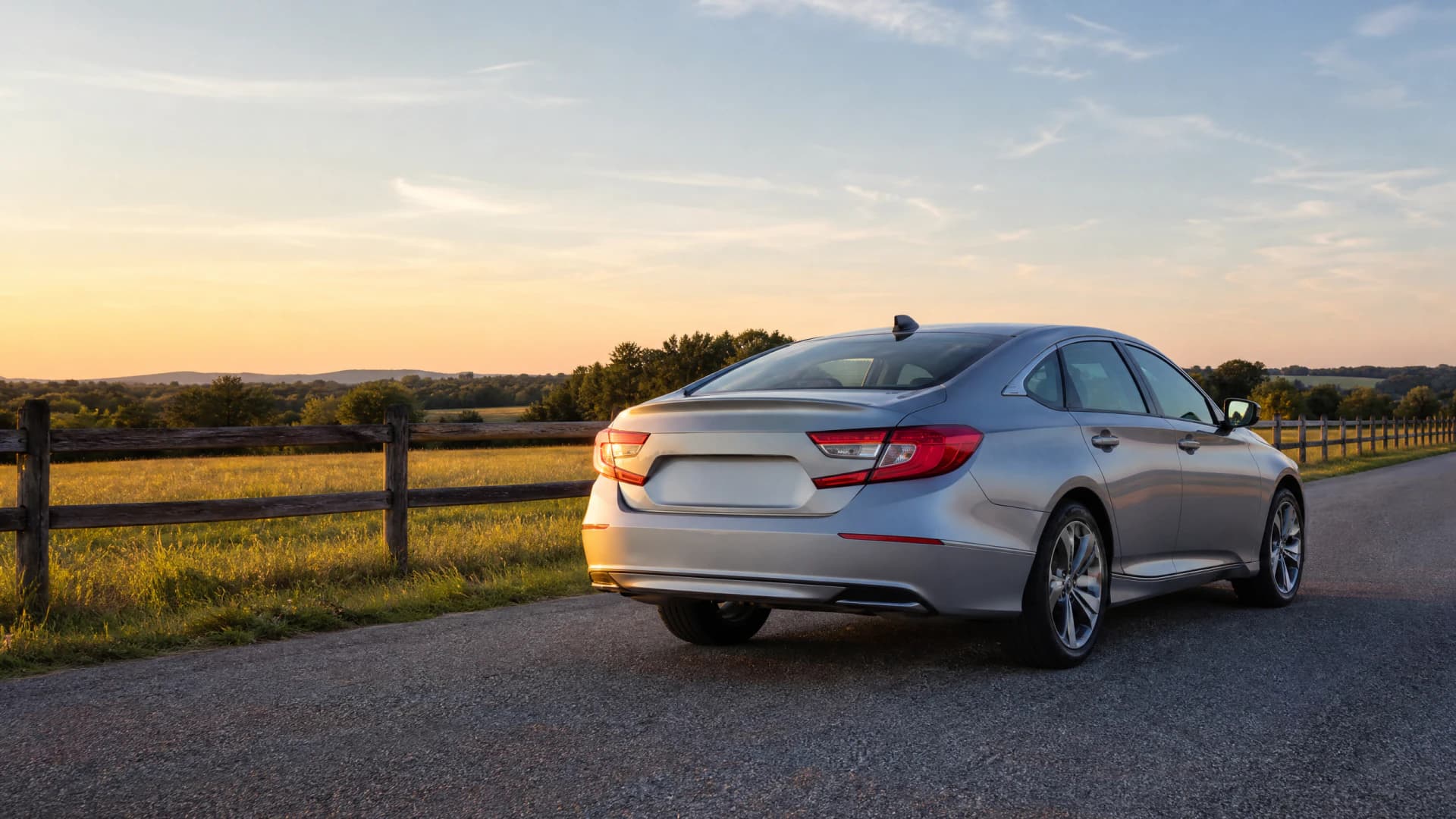
Two vehicles work if you have family members using the Pennsylvania car while you're in Florida. Your adult child drives it during your absence, or your spouse returns north periodically and needs reliable transportation.
They also make sense if you cannot drive the 1,100 miles between Philadelphia and The Villages twice annually. Health conditions, time constraints, or flying between residences instead of driving eliminate the one-car option.
Finally, if both vehicles are fully paid off and you carry liability-only coverage on the northern car during your Florida months, the cost gap narrows significantly. Liability-only coverage in Pennsylvania for a garaged vehicle runs $35–$60 monthly. You're spending $420–$720 annually for the convenience of a second car, which many snowbirds consider reasonable.
How Florida's 183-Day Rule Affects Your Registration Decision
Florida considers you a resident if you spend more than 183 days in the state during any calendar year. Once you meet that threshold, you have 10 days to register your vehicle in Florida and surrender your Pennsylvania plates.
Most six-month snowbirds spend November through April in The Villages — exactly 181 days if they time it carefully. Staying two extra days triggers the registration requirement. Missing that 10-day deadline after crossing 183 days results in a $500 fine and potential policy complications if your carrier discovers the mismatch.
Pennsylvania does not require you to surrender registration if you maintain a permanent address and spend fewer than 183 days in Florida. You can legally register in Pennsylvania, insure the vehicle on a Pennsylvania policy, and drive it in Florida for up to six months as a visitor. Your carrier must confirm the policy covers you in Florida for that duration — not all do without a specific endorsement.

Get Covered in Both of Your Home States
Compare Snowbird Auto Insurance Rates
What Snowbird Endorsements Actually Cover and What They Cost
A snowbird endorsement extends your Pennsylvania policy to cover you as a seasonal resident of Florida without requiring Florida registration. It costs $80–$180 annually depending on your carrier and driving history.
The endorsement confirms that your liability, collision, and comprehensive coverage apply in both states for the specific months you declare as your Florida residence period. You notify your carrier in advance: "I will be in Florida from November 1 through April 15." They adjust your policy to reflect the seasonal address.
Not every carrier offers this endorsement. State Farm, Erie, Nationwide, and Progressive typically do for Pennsylvania-based policies. GEICO and Allstate handle it case-by-case and may require you to switch to a Florida policy if you spend more than four consecutive months in the state. Confirm your carrier's specific rule before assuming the endorsement is available.

How to Drop to One Vehicle Without Coverage Gaps
Sell or transfer the vehicle you use least. Most Philadelphia snowbirds keep the newer, more reliable car and sell the northern vehicle to a family member or trade it in before leaving for Florida in the fall.
Contact your Pennsylvania carrier 30 days before your departure and request a snowbird endorsement. Provide your Florida address, your planned departure and return dates, and confirm the endorsement cost. Request written confirmation that your collision and comprehensive coverage applies at both addresses during the specified period.
Update your garaging address with your carrier when you arrive in Florida and again when you return to Pennsylvania. Missing this step can result in a denied claim if your carrier determines the vehicle was garaged at an address not listed on the policy at the time of loss. This is the most common coverage gap snowbirds create unintentionally.
What Happens to Your Rate When You Add a Florida Address
Your premium will change because Florida and Pennsylvania have different liability requirements, theft rates, and uninsured motorist percentages. Philadelphia County has a higher theft rate than Sumter County, Florida, where The Villages is located, but Florida's uninsured motorist rate is 20.4% compared to Pennsylvania's 6.4%.
Most snowbirds see a $15–$40 monthly increase when adding a Florida address to a Pennsylvania policy, primarily due to higher uninsured motorist coverage costs. If you drop comprehensive coverage while the vehicle is garaged in Pennsylvania during your Florida stay, that increase is partially offset.
Carriers calculate your rate based on where the vehicle is garaged the majority of the policy term. If you spend November through April in Florida, your vehicle is garaged in Pennsylvania for eight months. Your rate reflects Pennsylvania as the primary garaging state, with an adjustment for the four-month Florida period. Switching to a Florida-based policy reverses this — you pay Florida rates for eight months and Pennsylvania rates for four.
Frequently Asked Questions
Can I keep my Pennsylvania registration and insurance if I spend six months in Florida?
You can keep Pennsylvania registration and insurance if you spend fewer than 183 days in Florida during any calendar year and maintain a permanent Pennsylvania address. Once you exceed 183 days in Florida, state law requires you to register your vehicle in Florida within 10 days and update your insurance policy to reflect Florida as your primary garaging state.
Will my Pennsylvania car insurance cover me while I'm living in The Villages for the winter?
Most Pennsylvania policies cover you in Florida for up to 30 consecutive days as a visitor. For longer stays, you need a snowbird endorsement that extends your Pennsylvania policy to cover seasonal residence in Florida. Not all carriers offer this endorsement — confirm availability and cost with your carrier at least 30 days before your departure.
How much does it cost to insure two cars as a snowbird compared to one?
Insuring two vehicles with full coverage at a Pennsylvania and Florida address typically costs $3,800–$5,200 annually. Insuring one vehicle with a snowbird endorsement costs $1,600–$2,200 annually. The $2,200–$3,000 annual savings assumes one vehicle is paid off and you eliminate the second policy entirely.
What happens if I get in an accident in Florida on a Pennsylvania policy without a snowbird endorsement?
Your carrier may deny the claim if they determine you were residing in Florida beyond the visitor period allowed under your policy and failed to notify them of the address change. Most policies cover out-of-state travel for 30 days — longer stays without a snowbird endorsement or policy update create a coverage gap your carrier can invoke to deny a claim.
Should I register my car in Florida if I own property in The Villages?
Owning property in Florida does not automatically require you to register your vehicle there. Registration is triggered by spending more than 183 days in Florida during a calendar year. If you spend exactly six months or fewer and maintain a permanent Pennsylvania address, you can legally keep your Pennsylvania registration and add a snowbird endorsement to your insurance policy.
Related Articles

Keep Two Cars or One? Philly to Naples Snowbird Guide
4/26/2026

One Car or Two? Buffalo to The Villages Snowbird Guide
4/26/2026

Two Cars or One? Central NJ to The Villages Decision
4/26/2026

Keep 2 Cars or 1? Pittsburgh–Cape Coral Snowbird Guide
4/26/2026
Keep 2 Cars or 1? Lehigh Valley to Villages FL Guide
4/26/2026

Two Cars or One? NJ to Sarasota Snowbird Guide
4/26/2026