
Keep Two Cars or One? Twin Cities to Mesa Snowbird Decision
Free to compare
What It Actually Costs to Keep a Second Vehicle in Arizona
A car sitting in your Mesa garage from May through October loses value whether you drive it or not. A 5-year-old sedan depreciates roughly $1,200–$1,800 per year even at low mileage, and a vehicle driven fewer than 3,000 miles annually often needs more frequent maintenance than one driven regularly — seals dry out, batteries discharge, fluids degrade.
Arizona registration runs $100–$300 annually depending on vehicle age and value, plus VLT (Vehicle License Tax) calculated at 2.8% of assessed value for newer vehicles. If you maintain Minnesota registration on the same car, you're paying duplicate fees with no benefit — Minnesota requires annual tabs, and keeping a vehicle registered in both states simultaneously violates residency rules in both.
Insurance adds another layer. Keeping comprehensive and collision on a car driven 2,000 miles per year in Mesa costs $600–$1,200 annually depending on your age, driving record, and the vehicle's value. Liability-only coverage drops that to $300–$500, but you lose theft and damage protection on a vehicle parked outdoors in the Arizona sun for months at a time.

When Keeping Two Cars Makes Financial Sense
A second Arizona vehicle pays for itself in three specific scenarios. If you drive more than 8,000 combined miles during your winter stay — shopping, day trips to Tucson or Sedona, regular medical appointments — wear and tear on a single vehicle driven round-trip from Minnesota plus heavy Arizona use can exceed the cost of maintaining a dedicated winter car.
If you own an older paid-off vehicle worth under $5,000, annual depreciation becomes negligible. A 12-year-old Camry or Civic insured liability-only in Arizona costs $400–$600 per year to maintain, and registration fees drop to the minimum $100–$150 range once VLT phases out. For snowbirds who stay 5–6 months and dislike long-distance driving, that's often cheaper than the fuel and maintenance cost of a 3,000-mile round-trip drive.
If your Minnesota vehicle is a truck, SUV, or vehicle poorly suited to Arizona heat and city driving, a fuel-efficient sedan kept in Mesa can save $800–$1,200 in gas alone over a 5-month stay. Pickup trucks averaging 18 mpg versus a compact sedan at 32 mpg creates a 1,000-gallon difference over 15,000 annual miles — that's real money at $3.50–$4.00 per gallon.
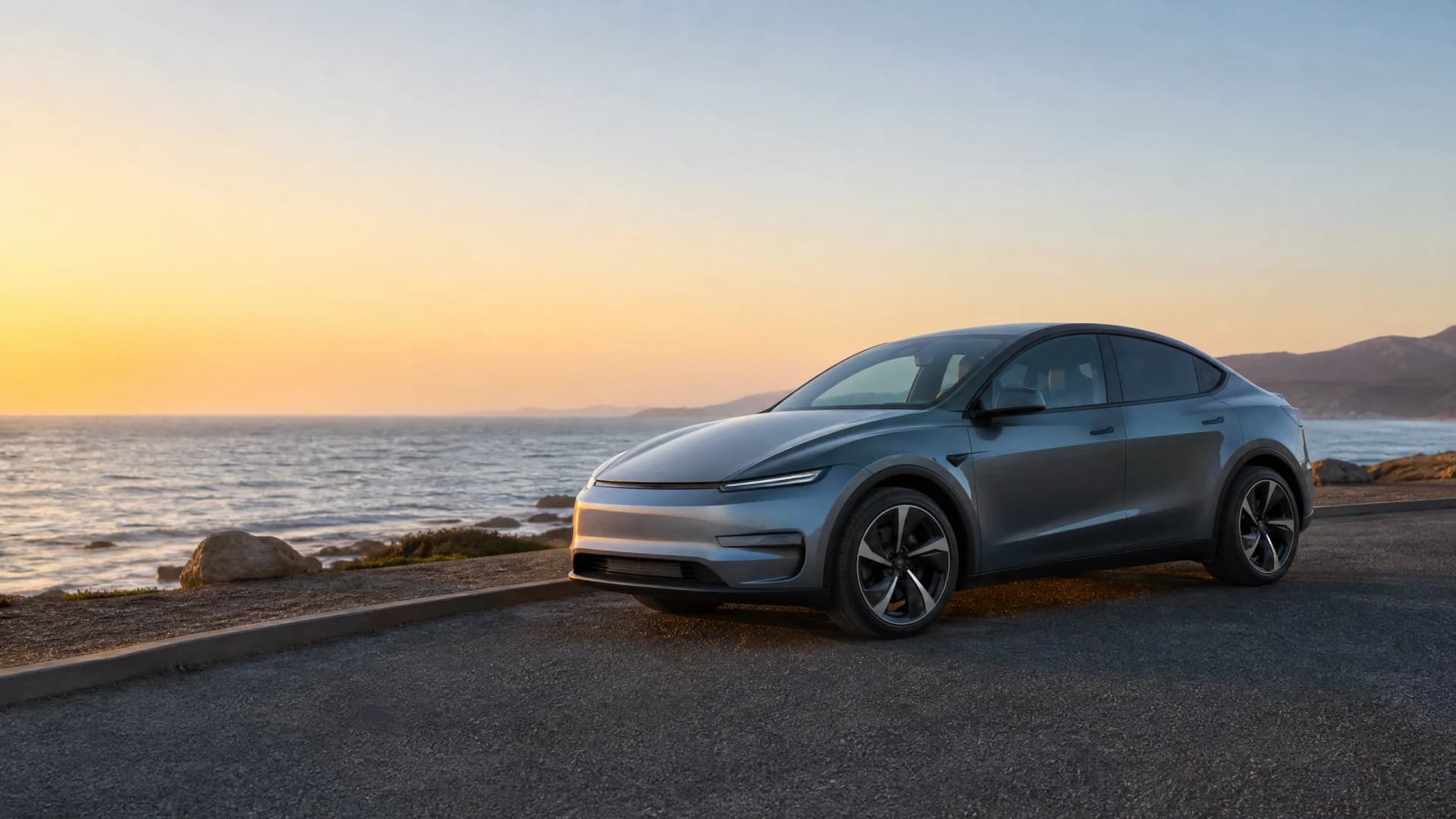

What Changes If You Drive One Car Between Both States
Driving a single vehicle from the Twin Cities to Mesa twice a year adds 6,000 miles annually, most of it highway. That's one full year of depreciation compressed into two long-distance trips, but it eliminates duplicate registration, duplicate insurance, and the cost of maintaining a vehicle that sits idle half the year.
You must register in your state of domicile — the state where you spend more than 6 months, vote, file taxes, and hold your driver's license. For most Twin Cities snowbirds spending November through April in Arizona, that's Minnesota. Arizona law requires registration within 15 days of establishing residency, but residency is not triggered by seasonal presence — it requires intent to make Arizona your permanent home, typically demonstrated by changing your driver's license, registering to vote, or filing as an Arizona resident.
Insurance follows the vehicle's garaging location. If your car spends May through October in Minnesota and November through April in Arizona, notify your carrier of the seasonal address change. Most insurers adjust rates based on garaging zip code — Arizona rates for comprehensive coverage often run 10–20% lower than Minnesota due to reduced weather risk, but liability costs can rise in high-traffic areas like Mesa and Scottsdale. Failing to update your garaging address can result in a denied claim if the insurer determines you misrepresented where the vehicle is primarily kept.

Get Covered in Both of Your Home States
Compare Snowbird Auto Insurance RatesHow Mileage, Age, and Driving Patterns Affect the Calculation
Snowbirds who drive under 10,000 total miles per year — combining both states — rarely justify two vehicles financially. The breakeven point sits around 12,000–15,000 annual miles, where the cost of driving one car heavily begins to match the cost of maintaining two lightly used vehicles.
Drivers over 70 face higher insurance rates in most states, and adding a second vehicle doubles that age-related premium increase. If you're paying $140/month for one car in Minnesota, expect $110–$130/month for a second car in Arizona even with multi-car discounts — carriers price each vehicle separately and apply senior driver surcharges to both policies.
If either vehicle is financed, lenders require comprehensive and collision coverage regardless of how little you drive it. That eliminates the option to carry liability-only on a low-value second car, adding $400–$800 annually to the true cost of keeping both. Paid-off vehicles give you the flexibility to insure only what you need.

What Happens to Insurance Rates When You Add or Drop a Vehicle
Adding a second vehicle to your existing Minnesota policy triggers a multi-car discount — typically 10–25% on the second car depending on the carrier. But that discount applies only if both vehicles are insured with the same company and garaged at the same primary address. If you register the Arizona car separately under an Arizona policy to meet state requirements, you lose the multi-car discount entirely.
Dropping a vehicle mid-policy-term generates a prorated refund, but you lose any paid-in-full discount applied at renewal. If you prepaid 6 months of coverage on two cars in October and sell the Arizona vehicle in January, expect a refund for the unused portion minus administrative fees — usually $50–$100 depending on carrier.
Some carriers restrict coverage for vehicles driven fewer than 3,000 miles annually or stored for extended periods. If you keep a car in Arizona but return to Minnesota for 6 months, verify your policy doesn't exclude coverage for vehicles garaged at a secondary address outside your state of residence. Under current state requirements, misrepresenting garaging location — even unintentionally — is the most common reason snowbird claims get denied.

How to Decide Based on Your Actual Situation
Run the total cost calculation for both scenarios. For two vehicles: add annual depreciation, registration in both states, insurance on both vehicles, and maintenance for a car driven under 3,000 miles per year. For one vehicle: add the cost of 6,000 additional highway miles in depreciation and fuel, plus the inconvenience cost if you need to rent a car during your winter stay.
If the two-car cost exceeds the one-car cost by less than $1,500 annually, the decision hinges on convenience. Snowbirds who stay 5–6 months, have family visiting who need a second car, or dislike long-distance highway driving often pay the premium willingly. Those staying 3–4 months or comfortable with the drive rarely find two cars worth the expense.
Before selling or buying a vehicle, confirm how the change affects your insurance. Some carriers apply a longevity discount that resets when you add or remove vehicles mid-term, and dropping below one car triggers a lapse in continuous coverage — a factor that can raise future rates even if you re-insure later.
Frequently Asked Questions
Do I need to register my car in Arizona if I spend 5 months there each winter?
No, if you maintain Minnesota as your legal domicile — where you vote, file taxes, and hold your driver's license. Arizona requires registration only if you establish residency, which means changing your license and declaring Arizona your permanent home. Seasonal presence alone does not trigger a registration requirement.
Can I insure one car in Minnesota and another in Arizona under separate policies?
Yes, but you lose the multi-car discount most carriers apply when both vehicles are on the same policy. You'll pay full price for each car separately, which typically costs 10–25% more than insuring both together. Verify each policy correctly lists the vehicle's primary garaging address to avoid claim denials.
What happens to my car insurance if I sell my Arizona vehicle mid-winter?
Your insurer will cancel coverage on the sold vehicle and issue a prorated refund for unused premium, minus administrative fees typically ranging $50–$100. If you prepaid a 6-month term, expect a refund calculated from the sale date forward, but you may lose any paid-in-full discount applied at renewal.
Is it cheaper to keep an older paid-off car in Arizona year-round or drive my newer car from Minnesota?
An older vehicle worth under $5,000 insured liability-only in Arizona costs $400–$600 annually in insurance and registration once VLT phases out. Compare that to the depreciation, fuel, and maintenance cost of adding 6,000 highway miles to a newer vehicle — the older car often costs less if you stay 4+ months and drive locally in Arizona.
Related Articles

Keep 2 Cars or 1? Twin Cities to Sun City Snowbird Guide
4/26/2026

Keep 2 Cars or 1? Chicago to Sun City AZ Snowbirds
4/26/2026

Keep 2 Cars or 1? Madison to Sun City Snowbird Guide
4/26/2026

Keep 2 Cars or 1? Chicago to Scottsdale Snowbird Guide
4/26/2026

Snowbirds: Keep Two Cars or One? IL to AZ Guide
4/26/2026

Keep 2 Cars or 1? Chicago to Sun City Snowbird Guide
4/26/2026