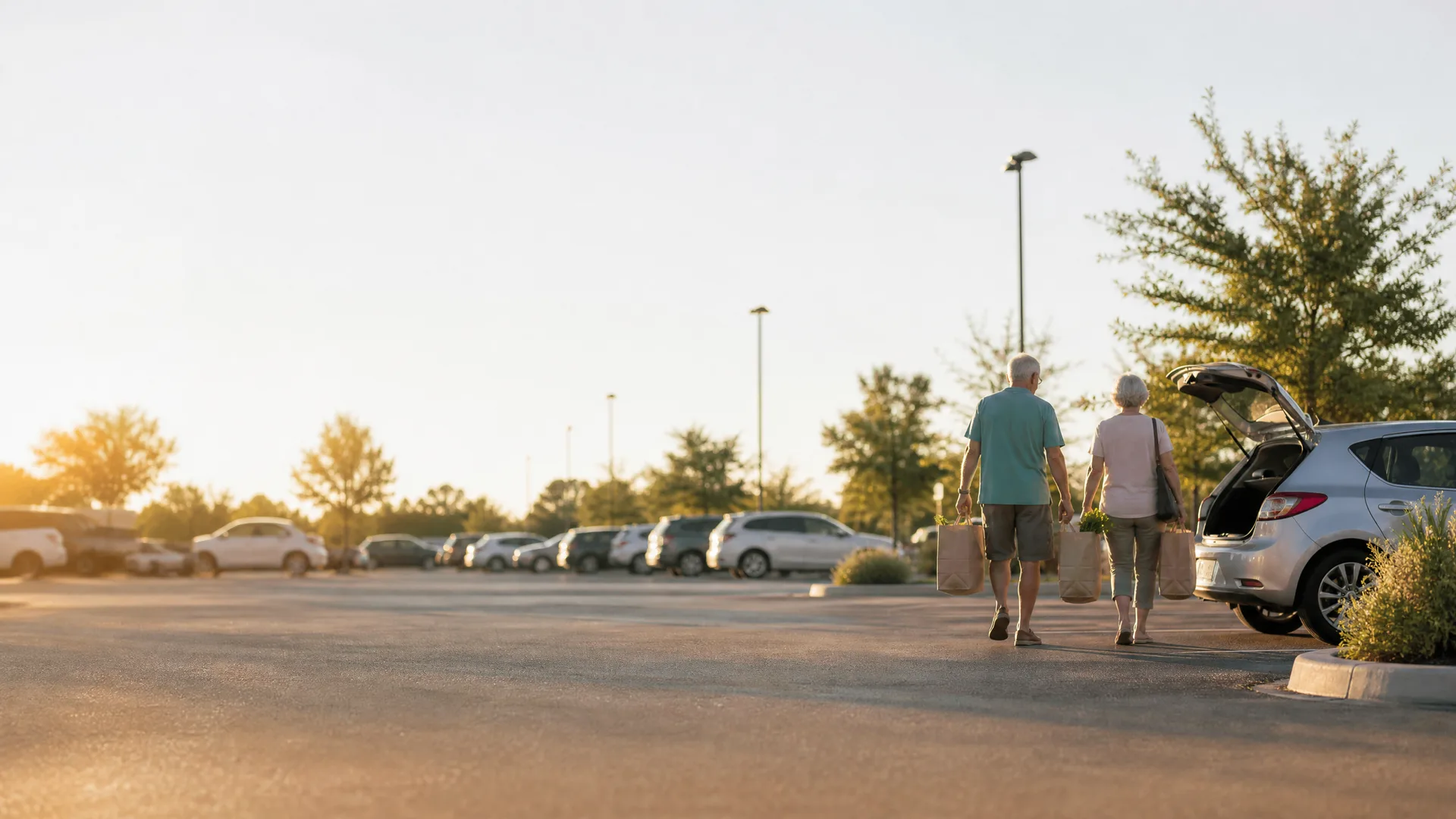
Keep Two Cars or One? Worcester to The Villages Snowbird Decision
Free to compare
What It Actually Costs to Keep Two Vehicles in Two States
Maintaining a vehicle in Worcester and a second vehicle in The Villages means paying for two registrations, two insurance policies, two sets of excise taxes, and two garage or storage situations. Massachusetts excise tax alone runs $60–$200 annually depending on vehicle value. Florida registration averages $45–$85. Insurance on a second vehicle—even if you negotiate a multi-car discount—adds $80–$140 per month in Florida and $110–$180 per month in Massachusetts for liability and comprehensive on an older vehicle.
The total annual cost for maintaining two vehicles in both states typically runs $2,800–$4,200 when you include registration, insurance, maintenance, and the reality that both vehicles depreciate whether you drive them or not. A 10-year-old sedan sitting in a Worcester driveway for six months still loses value and requires periodic maintenance to prevent battery drain, tire flat-spotting, and fuel system issues.
Most snowbirds underestimate storage and maintenance costs. Leaving a vehicle undriven for six months without preparation damages seals, invites rodent nesting, and often results in a $400–$800 service bill before the vehicle is roadworthy again. Paying for climate-controlled storage in Massachusetts during your Florida season adds $100–$200 monthly.

How Insurance Works When You Split Driving Between Two Vehicles
You cannot insure one vehicle in Massachusetts and another in Florida under a single multi-state policy. Each vehicle must be insured in its state of registration. Carriers write separate policies for each vehicle, and while some offer multi-car discounts when you insure multiple vehicles with the same company, the discount rarely exceeds 10–15% on the second vehicle.
If you drive your Massachusetts vehicle to Florida and leave it there for the winter while driving your Florida vehicle, you face a coverage gap most carriers do not warn you about. Massachusetts requires year-round insurance on registered vehicles even when parked. Canceling coverage to avoid paying for an unused vehicle triggers a registration suspension and reinstatement fees when you return.
Comprehensive-only coverage allows you to maintain legal registration on a parked vehicle without paying for liability. This reduces the idle-vehicle premium to $30–$60 monthly in Massachusetts, but you must notify your carrier that the vehicle is in storage and will not be driven. Some carriers require a formal storage declaration and restrict this option to specific months.
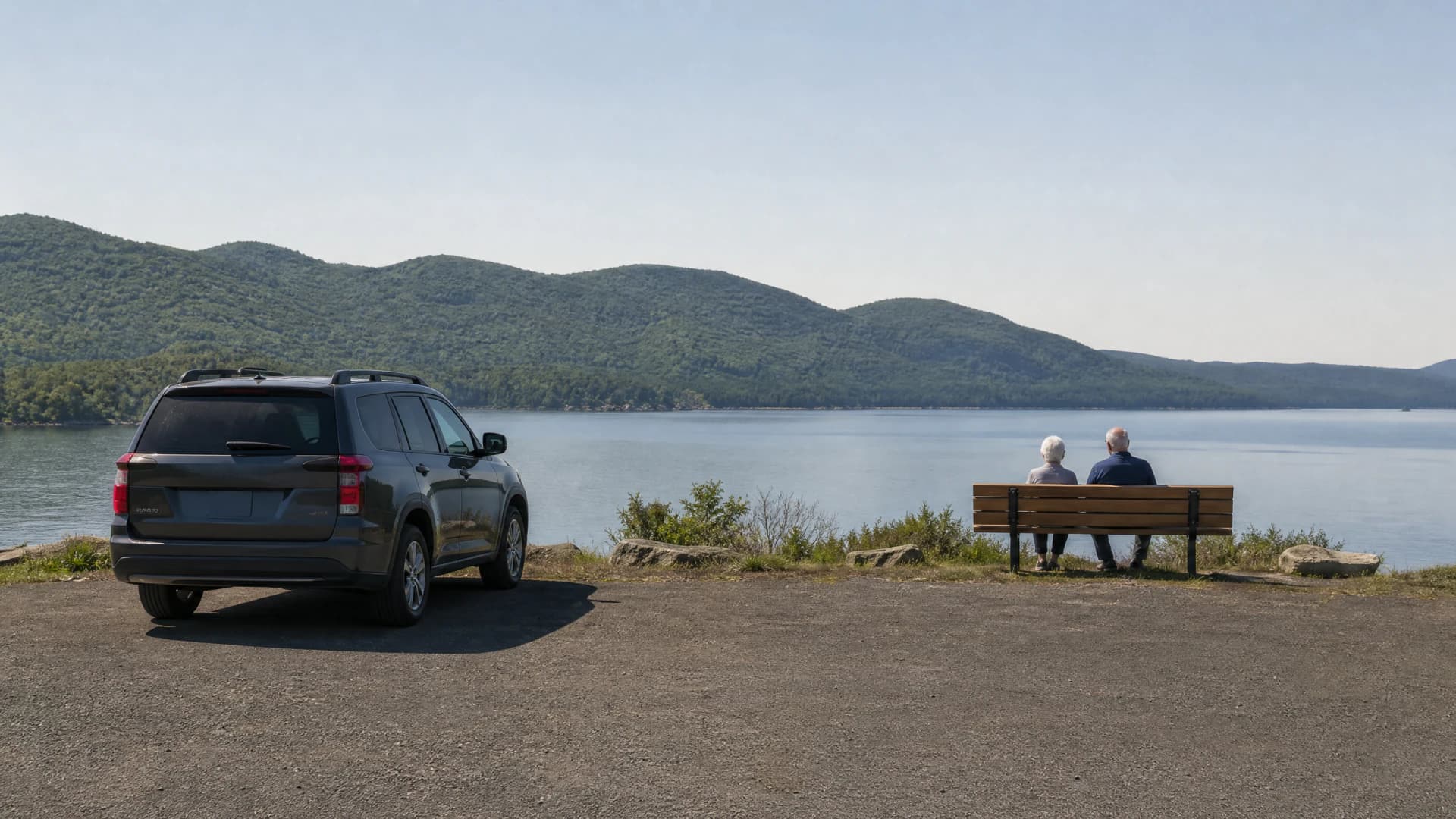

When Keeping One Car and Renting or Using Rideshare Makes More Sense
Driving one vehicle between Worcester and The Villages costs you fuel, tolls, and two to three days of travel time each direction. The drive covers roughly 1,300 miles and costs $180–$260 in fuel depending on vehicle efficiency and current gas prices. Tolls on I-95 through New York, New Jersey, Delaware, and into the Carolinas add another $40–$70 each way.
Flying to Florida and renting a vehicle seasonally costs $1,200–$2,400 for a six-month rental depending on vehicle class and whether you negotiate a long-term rate. That figure is still lower than maintaining a second registered and insured vehicle year-round. Monthly rentals in The Villages run $400–$700 for a compact or midsize sedan, and several snowbirds negotiate seasonal contracts directly with local agencies.
Rideshare and local taxi services in The Villages cover short errands at $12–$25 per trip. If your Florida activity is limited to groceries, medical appointments, and occasional social outings, paying per trip often costs less than $200–$300 monthly—far below the cost of keeping a second vehicle insured and registered.
What Happens to Your Massachusetts Registration When You're in Florida
Massachusetts does not require you to surrender your registration when you leave the state for six months, but your vehicle must remain insured at your Massachusetts address. If you drive your Massachusetts vehicle to Florida and park it there for the winter, your Massachusetts policy continues to cover the vehicle as long as Florida is listed as a temporary location.
You are not required to register your vehicle in Florida unless you establish legal residency, accept employment, enroll children in school, or register to vote. Spending winters in The Villages while maintaining your primary residence and voter registration in Worcester does not trigger Florida registration requirements under current state rules.
If you do establish Florida residency, you have 10 days from the date you accept employment or register to vote to transfer your vehicle registration to Florida. Most snowbirds maintain Massachusetts residency specifically to avoid this requirement, but the decision has tax implications beyond vehicle registration.

Get Covered in Both of Your Home States
Compare Snowbird Auto Insurance Rates
How to Decide Whether Two Vehicles Are Worth the Cost
Calculate your annual cost for maintaining two vehicles: registration fees, insurance premiums, excise taxes, storage or garage costs, and maintenance for vehicles that sit unused for months. Compare that total to the cost of driving one vehicle between states twice annually, plus either seasonal rentals or rideshare in your second location.
If your Florida vehicle stays parked most of the week and you primarily drive for groceries and medical appointments, the cost rarely justifies year-round ownership. A monthly rental or rideshare budget of $300–$500 delivers the same mobility at half the cost of owning, insuring, and maintaining a second vehicle.
If you drive frequently in both states, need a specific vehicle type not easily rented, or want the convenience of immediate vehicle access in both locations, two vehicles may justify the cost. Most snowbirds in this category own one newer reliable vehicle for long-distance travel and one older paid-off vehicle kept in the second state for local errands.

Insurance Strategies That Reduce Two-Vehicle Costs
Comprehensive-only coverage on your idle vehicle cuts premium costs by 60–75% compared to full liability and collision. This option works only when the vehicle is parked and not driven. Massachusetts and Florida both allow comprehensive-only policies, but you must notify your carrier that the vehicle is in declared storage.
Multi-car discounts apply when you insure both vehicles with the same carrier, but the discount structure varies. Some carriers offer 10% off the second vehicle; others tier discounts based on the number of vehicles insured. Ask your carrier whether the discount applies when vehicles are registered in different states under separate policy numbers.
Mileage-based or usage-based insurance programs reduce premiums on low-mileage vehicles. If your Florida vehicle is driven fewer than 5,000 miles annually, programs like Snapshot or Milewise can cut your premium by 20–40%. These programs require telematics monitoring, which some drivers prefer to avoid.
What Snowbirds Get Wrong About Vehicle Registration and Residency
Spending six months in Florida does not automatically make you a Florida resident for vehicle registration purposes. Florida residency requires intent to make Florida your permanent home, demonstrated through voter registration, employment, or a homestead exemption filing. Owning property in The Villages and spending winters there does not trigger registration requirements if you maintain Massachusetts residency.
Many snowbirds incorrectly believe they must register their vehicle in whichever state they occupy for more than six months. Florida law does not impose a 183-day registration trigger for seasonal visitors. You register in Florida only when you establish legal residency or meet one of the specific statutory triggers.
Insurance companies sometimes give incorrect guidance on this question. If your carrier tells you that spending winters in Florida requires a Florida policy, confirm the requirement with the Florida Department of Highway Safety and Motor Vehicles. Carriers occasionally confuse insurance coverage requirements with registration requirements.
Frequently Asked Questions
Can I insure two cars in two different states under one policy?
No. Each vehicle must be insured in its state of registration under a separate policy. Some carriers offer multi-car discounts when you insure both vehicles with the same company, but you will hold two distinct policy numbers with separate premiums, and the discount rarely exceeds 10–15% on the second vehicle.
Do I have to register my car in Florida if I spend six months there?
No. Florida does not require seasonal visitors to register vehicles in the state. You must register in Florida only if you establish legal residency by accepting employment, registering to vote, filing for a homestead exemption, or enrolling dependents in school. Spending winters in The Villages while maintaining Massachusetts residency does not trigger Florida registration requirements.
What happens to my Massachusetts insurance when my car sits unused in Florida?
Your Massachusetts policy continues to cover your vehicle in Florida as long as Florida is listed as a temporary location with your carrier. If the vehicle will sit unused for months, ask your carrier about switching to comprehensive-only coverage, which maintains legal registration at a fraction of full-coverage cost.
Is it cheaper to keep two cars or rent in Florida for six months?
For most snowbirds, renting seasonally or using rideshare costs less than maintaining a second registered and insured vehicle. A six-month rental runs $1,200–$2,400; keeping a second vehicle insured and registered year-round typically costs $2,800–$4,200 when you include registration, insurance, excise taxes, storage, and maintenance on an idle vehicle.
Related Articles

Keep 2 Cars or 1? Boston to Sarasota Snowbird Guide
4/26/2026

Hartford to The Villages: Keep 2 Cars or 1? Snowbird Guide
4/26/2026

Two Cars or One? Central NJ to The Villages Decision
4/26/2026

Keep 2 Cars or 1? Boston to Naples Snowbird Insurance
4/26/2026

Keep 2 Cars or 1? Boston to Asheville Snowbird Guide
4/26/2026

Keep 2 Cars or 1? Ann Arbor to Sarasota Snowbird Guide
4/26/2026