
Lehigh Valley to The Villages: License Medical Review After Diagnosis
Free to compare
Does a Pennsylvania diagnosis follow you to Florida?
Pennsylvania does not require physicians to report most medical diagnoses directly to PennDOT. Florida operates differently: the state mandates medical review for vision loss below 20/70, seizure disorders, dementia diagnoses, and several cardiovascular conditions — regardless of where the diagnosis was made.
The trigger is not the diagnosis itself. The trigger is updating your Florida driver license address, renewing your Florida license, or being involved in a traffic incident that prompts a records check. When you interact with the Florida DMV after a reportable diagnosis, the state may require you to submit a Medical Examination Report (Form HSMV 83039) before renewing or maintaining your license.
Most snowbirds learn this the hard way: they receive a diagnosis in Pennsylvania during the summer, return to The Villages in November, update their address or renew their license as usual, and receive a medical review notice weeks later. The diagnosis did not cross state lines automatically — but your routine DMV interaction created the reporting obligation.

Which diagnoses trigger mandatory Florida medical review?
Florida Statute 322.125 lists specific conditions that require medical clearance before license renewal or reinstatement. Vision impairment below 20/70 in both eyes with correction, seizure disorders (including a single unprovoked seizure within the past 2 years), diagnosed dementia or cognitive impairment, insulin-dependent diabetes with a history of hypoglycemic events, and cardiovascular conditions that caused loss of consciousness are the most common triggers for drivers over 65.
The statute does not require you to self-report a diagnosis made out of state. But when you renew your Florida license or update your address, the renewal form asks whether you have been diagnosed with any of the listed conditions since your last renewal. Answering yes triggers the review. Answering no when the answer is yes constitutes fraudulent application and can result in license suspension without hearing.
Pennsylvania's physician reporting requirement applies only to conditions that cause sudden incapacitation while driving — a narrower standard. A Pennsylvania neurologist diagnosing early-stage dementia is not required to report you to PennDOT. The same diagnosis in Florida, disclosed on a renewal form, requires medical clearance before your license is reissued.

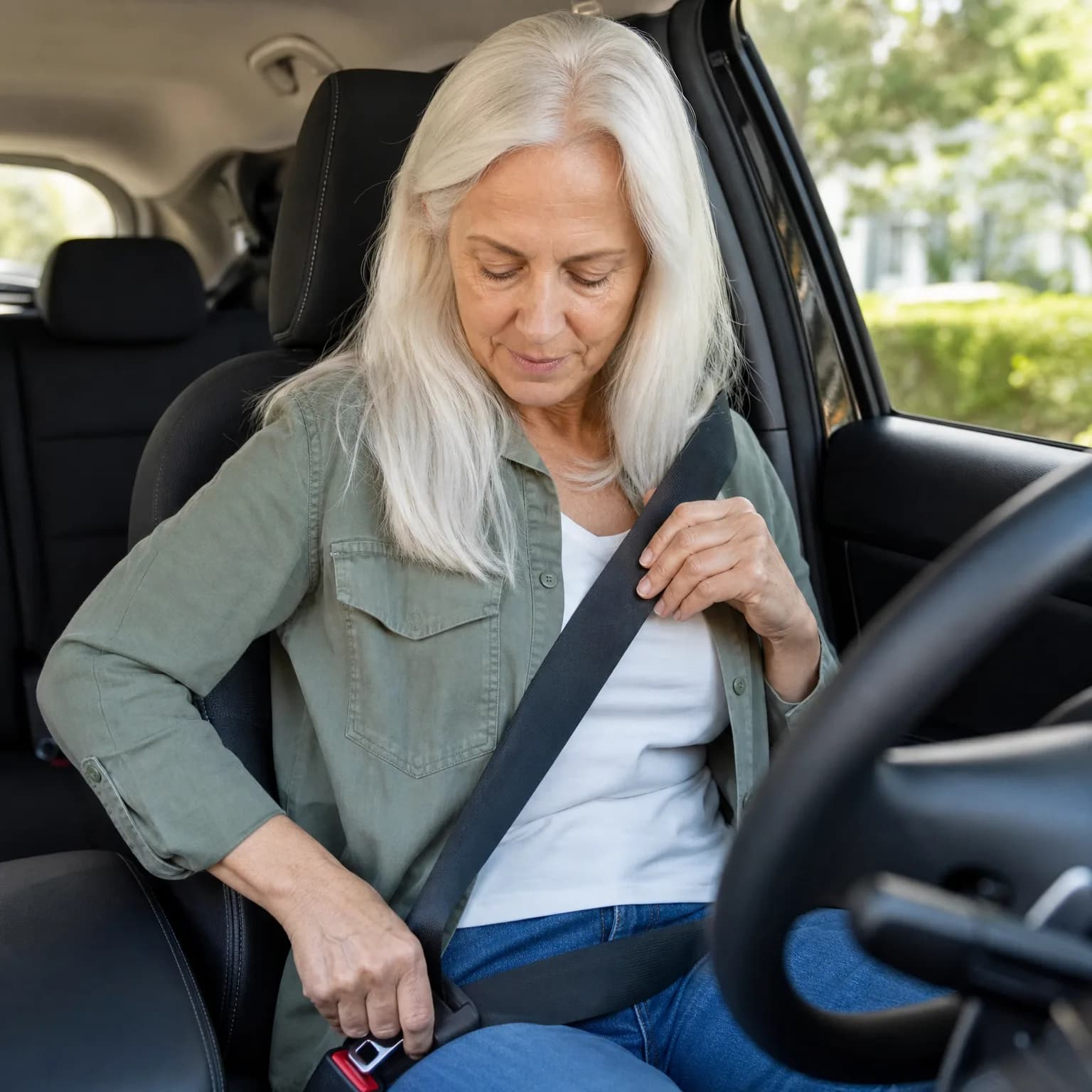
How Florida's medical review process works after a new diagnosis
Once a medical review is triggered, the Florida DMV sends a notice requiring you to submit Form HSMV 83039 within 30 days. The form must be completed by a licensed physician who has examined you within the past 90 days. Your Pennsylvania physician can complete the form if they are licensed and willing to sign — Florida does not require the examining physician to hold a Florida license.
The physician certifies whether your condition is controlled, whether you are compliant with treatment, and whether they recommend restrictions (daylight-only driving, no highway driving, or distance limits). If the physician recommends restrictions, the DMV will issue a restricted license. If the physician cannot certify that you are safe to drive, the DMV will suspend your license pending further review or re-examination.
Most reviews for well-controlled conditions (diabetes with no recent events, seizure disorders with 2+ years seizure-free on medication) result in unrestricted renewal. The failure mode occurs when the diagnosis is recent, treatment is not yet stabilized, or the physician is unwilling to certify fitness without additional specialist evaluation. The 30-day response window is firm — missing it results in automatic suspension until the form is submitted and cleared.

Get Covered in Both of Your Home States
Compare Snowbird Auto Insurance RatesShould you register and insure in Pennsylvania or Florida?
If you spend more than 183 days per year in Florida, the state considers you a resident for vehicle registration purposes. Florida Statute 320.02 requires new residents to register their vehicles within 10 days of employment or enrollment of children in public school, but the 183-day threshold applies to all residents regardless of employment status. The Division of Motorist Services interprets this as a rolling 12-month period, not a calendar year.
Most Lehigh Valley snowbirds spending November through April in The Villages do not meet the 183-day threshold and are not required to register in Florida. But if you own property in both states, file a Florida homestead exemption, or declare Florida residency for tax purposes, you are required to register and insure your vehicle in Florida — even if you spend fewer than 183 days there.
Your auto insurance carrier will not automatically adjust coverage when you split time between states. Pennsylvania requires $15,000 bodily injury per person, $30,000 per incident, and $5,000 property damage. Florida requires $10,000 property damage and $10,000 personal injury protection (PIP), but no bodily injury liability unless you have been cited for driving without insurance. If you maintain Pennsylvania registration and spend winters in Florida, your Pennsylvania policy covers you in Florida. If you switch to Florida registration, you must add PIP and drop or adjust your Pennsylvania-required coverages.
The registration decision affects your insurance rate directly. Florida rates for drivers over 70 average $1,850–$2,400 annually. Pennsylvania rates for the same driver profile average $1,200–$1,700 annually. Carriers price Florida policies higher due to uninsured motorist exposure, PIP claim frequency, and hurricane risk. Switching from Pennsylvania to Florida registration typically increases your premium 30–50% even if your driving record and vehicle remain unchanged.

What happens to your auto insurance after a medical review notice?
Receiving a Florida DMV medical review notice does not automatically affect your auto insurance policy or rate. Carriers do not receive direct notification from the DMV when you are placed under medical review. But if your license is suspended, restricted, or revoked as a result of the review, you are required to report the change to your carrier under the terms of your policy.
Most carriers allow you to maintain coverage during a medical review period as long as your license remains valid. If your license is suspended pending medical clearance, most carriers will cancel your policy or require you to switch to a non-driver policy that covers the vehicle for comprehensive and collision claims only — not liability. If you are issued a restricted license (daylight only, no highways, radius limits), your carrier may continue coverage without adjustment, but you are required to disclose the restriction.
The rate impact appears at renewal. If your license was suspended for 30 days or longer due to medical review, most carriers classify this as a lapse in licensure and apply a surcharge of 15–25% at your next renewal. If your license was restricted but not suspended, some carriers apply no surcharge. Others apply a minor increase of 5–10% based on the coded restriction in the DMV record.
If you are moving between Pennsylvania and Florida seasonally and your license is under review in Florida, maintain your Pennsylvania policy if you still hold valid Pennsylvania registration. Switching to a Florida policy while your Florida license is under review will trigger underwriting questions you cannot answer favorably. Most carriers will decline to quote or will quote at high-risk rates.

How to maintain continuous coverage across both states
The cleanest approach is to maintain registration and insurance in your primary state of residence — the state where you spend more than 183 days per year or the state where you file your homestead exemption and voter registration. For most Lehigh Valley snowbirds, that remains Pennsylvania. Notify your carrier that you will be driving in Florida for 4–5 months per year, confirm that your policy provides full coverage in all 50 states, and confirm that your liability limits meet Florida's requirements if you are ever cited there.
If you do register in Florida, notify your Pennsylvania carrier before the switch. Some carriers will not write policies for vehicles registered in Florida if the policyholder's primary address is Pennsylvania. You will need to close the Pennsylvania policy and open a Florida policy with a carrier licensed in Florida. The transition must occur on the same day to avoid a coverage gap — even one day without active coverage can result in registration suspension in both states.
Carriers that write policies in both Pennsylvania and Florida and explicitly cover snowbird situations include State Farm, GEICO, Progressive, Allstate, and Nationwide. USAA covers snowbirds but restricts eligibility to military families. Smaller regional carriers licensed only in Pennsylvania or only in Florida will require you to switch carriers entirely when you register in the second state.
Before you register in Florida, confirm with your current carrier whether they will continue coverage or require you to switch. The answer determines whether you can keep your current policy, your current rate, and your accumulated loyalty discounts. Most carriers apply a new-policy surcharge when you open a Florida policy even if you held a Pennsylvania policy with the same carrier for 10+ years.
Frequently Asked Questions
Do I need to tell my car insurance company about a new medical diagnosis?
You are not required to report a diagnosis directly to your carrier unless it results in a license suspension, restriction, or revocation. Most policies require you to report changes in license status within 30 days. If your diagnosis triggers a Florida DMV medical review that results in a restriction or suspension, notify your carrier immediately to avoid a claim denial.
Can I keep my Pennsylvania license and registration if I spend winters in The Villages?
Yes, if you spend fewer than 183 days per year in Florida and do not declare Florida residency for tax or voting purposes. Pennsylvania allows you to maintain registration as long as Pennsylvania remains your primary residence. Your Pennsylvania auto insurance policy covers you while driving in Florida.
Will my auto insurance rate increase if I switch from Pennsylvania to Florida registration?
Yes, in most cases. Florida rates for drivers over 70 average 30–50% higher than Pennsylvania rates due to PIP requirements, higher uninsured motorist exposure, and regional claim frequency. Switching registration also resets your policy start date with most carriers, which eliminates accumulated loyalty discounts.
What happens to my car insurance if my Florida license is suspended during medical review?
Most carriers will cancel your policy or convert it to a non-driver comprehensive-only policy if your license is suspended for more than 30 days. You are required to notify your carrier of the suspension within 30 days under most policy terms. If your license is reinstated after medical clearance, you can reapply for full coverage, but most carriers will apply a surcharge at renewal.
Which auto insurance carriers cover snowbirds driving between Pennsylvania and Florida?
State Farm, GEICO, Progressive, Allstate, and Nationwide all write policies that cover drivers splitting time between Pennsylvania and Florida. Confirm with your carrier that your policy provides full liability and collision coverage in both states and that your Pennsylvania registration and Florida seasonal driving are disclosed on the policy.
Related Articles

Medical Review After New Diagnosis: Philadelphia Snowbirds
4/26/2026

PA to FL Auto Insurance After Medical Diagnosis
4/26/2026

FL License Medical Review After Diagnosis | Snowbirds
4/26/2026

Snowbird Insurance After Medical Diagnosis: PA to FL
4/26/2026

FL License Medical Review After Diagnosis | Snowbirds
4/26/2026

License Medical Review After Diagnosis: PA to FL Snowbirds
4/26/2026