
Lehigh Valley to The Villages: Mid-Season Snowbird Coverage Review
Free to compare
What Triggers Florida Registration Requirements for Lehigh Valley Snowbirds
Florida law requires you to register your vehicle in Florida and obtain a Florida driver license within 10 days of establishing residency. The state defines residency as spending more than 183 days in Florida during any calendar year, enrolling children in Florida public schools, or declaring Florida as your primary residence for tax purposes.
The 183-day threshold catches most snowbirds off guard because it's a rolling calendar-year count, not a policy-year count. If you arrived in The Villages in November and stay through April, you're typically under the threshold. But if you extend your stay into May or arrive in October, you cross into Florida residency territory. The Florida Department of Highway Safety and Motor Vehicles does not prorate this — one day over 183 triggers the requirement.
Pennsylvania allows you to maintain registration in Pennsylvania as long as Pennsylvania remains your domicile state for tax purposes. Most Lehigh Valley snowbirds maintain Pennsylvania plates and Pennsylvania insurance because they return north for more than half the year. But if your Florida stay pattern shifts or you decide to make The Villages your primary residence, you must re-register within that 10-day window or face penalties starting at $500 for failure to register.
How Pennsylvania Policies Cover You in Florida
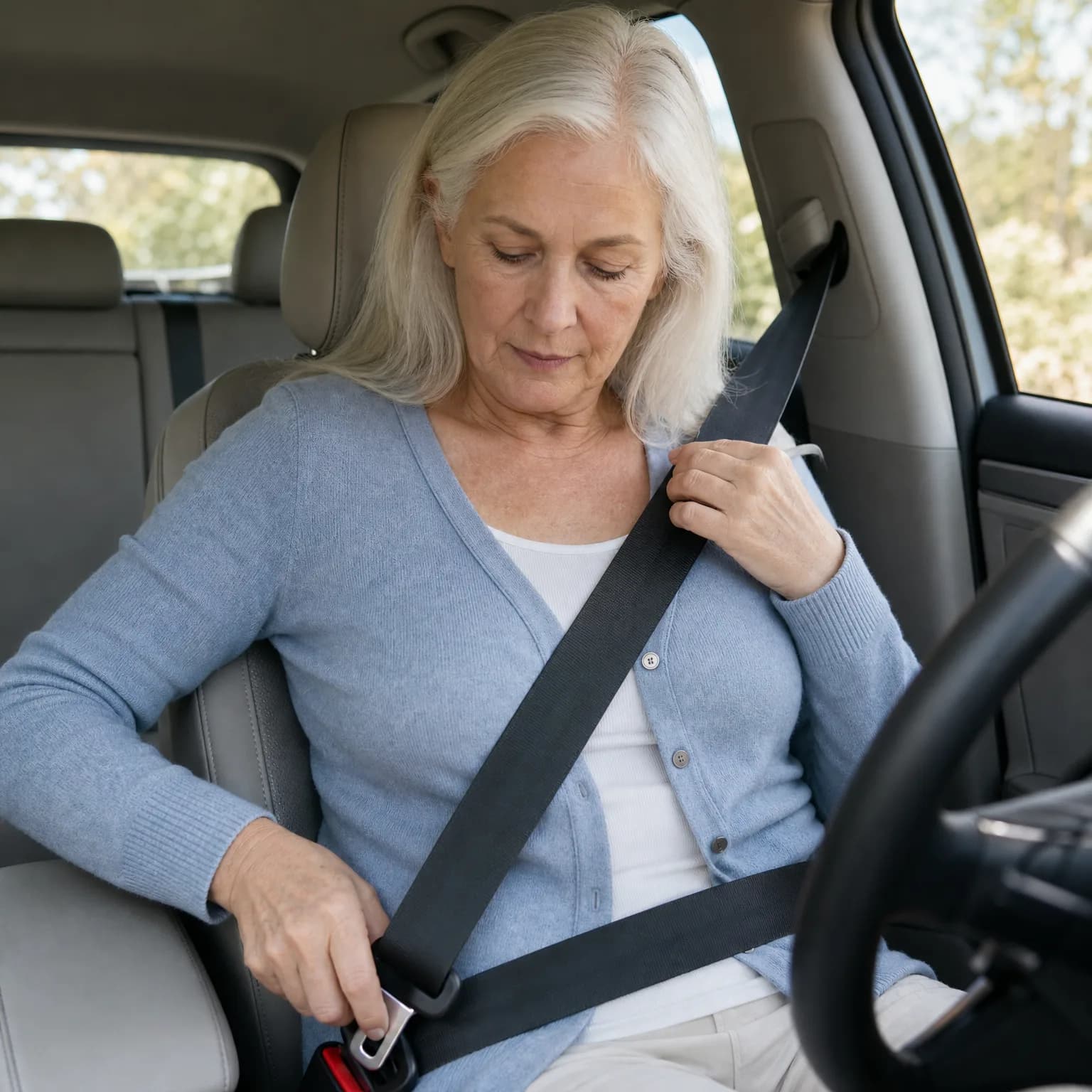
Pennsylvania auto insurance policies provide coverage in all 50 states under standard policy language. Your liability, collision, and comprehensive coverage follow your vehicle whether you're driving in Allentown or The Villages. This is not conditional — Pennsylvania carriers cannot restrict coverage based on your physical location within the U.S.
The coverage gap appears when Florida's higher liability environment meets Pennsylvania's minimum requirements. Pennsylvania requires $15,000 per person and $30,000 per accident in bodily injury liability. Florida, despite being a no-fault state with Personal Injury Protection (PIP) requirements, has no mandatory bodily injury liability requirement at all — but once you're involved in a serious accident in Florida, you're exposed to the state's high medical costs and aggressive tort environment. Most Florida drivers who carry optional bodily injury buy $100,000/$300,000 or higher.
If you're driving on Pennsylvania minimums in The Villages and cause an accident that sends someone to a Florida hospital, your $30,000 per-accident cap disappears quickly. Florida hospital charges for a moderate injury can exceed $75,000. Your Pennsylvania policy covers you legally, but it may not cover you adequately. Snowbirds should review their liability limits before their first season south — not after an accident.


What Happens to Your Rate When You Add a Florida Address
Adding a Florida seasonal address to your Pennsylvania policy does not automatically increase your premium. Pennsylvania carriers rate your policy based on your garaging address — the location where your vehicle is parked overnight most often. If you maintain Pennsylvania as your primary residence and your vehicle returns to Lehigh Valley for more than six months per year, your garaging address remains Pennsylvania and your rate stays tied to Pennsylvania risk factors.
The rate impact occurs when you notify your carrier that your vehicle will be garaged in The Villages for four to six months. Some carriers apply a seasonal location endorsement that adjusts your rate to reflect Florida risk factors during your stay period. This adjustment is typically modest for The Villages because the area has lower theft rates and accident frequency than metro Florida markets like Miami or Orlando. Expect a 5–12% increase on your six-month premium if your carrier applies this adjustment.
A larger rate change happens if you switch your garaging address to Florida permanently or cross the 183-day residency threshold and re-register in Florida. Florida's base rates for drivers aged 65–75 run 15–30% higher than Pennsylvania rates for comparable coverage, driven by Florida's higher uninsured motorist rate, no-fault system costs, and hurricane-related comprehensive claims. If you make The Villages your domicile and switch to a Florida policy, your annual premium will reflect that difference.

Get Covered in Both of Your Home States
Compare Snowbird Auto Insurance RatesWhich Carriers Write Policies That Cover Two-State Snowbird Situations Cleanly
Most national carriers — State Farm, Allstate, GEICO, Progressive, Nationwide, Liberty Mutual, Travelers — write policies in both Pennsylvania and Florida and allow you to maintain a single policy with a seasonal address endorsement. This is the simplest structure for snowbirds: one policy, one renewal date, one set of coverage limits, and continuous coverage across both states.
The cleanest carrier arrangements provide automatic seasonal address updates. You notify the carrier each fall when you drive to Florida and each spring when you return to Pennsylvania. The carrier adjusts your garaging location in their system, recalculates your rate based on the current location, and sends you an updated declaration page. No policy cancellation, no lapse in coverage, no separate Florida policy required. GEICO, Progressive, and Travelers handle this process with a single phone call or online portal update.
Some regional carriers licensed only in Pennsylvania or only in Florida cannot offer this structure. If your current Pennsylvania carrier doesn't write policies in Florida, you'll need to cancel your Pennsylvania policy when you establish Florida residency and buy a separate Florida policy. This creates a coverage transition gap and often results in losing your multi-year loyalty discount. Before you commit to making Florida your domicile, confirm your carrier writes in both states and supports a seamless transition.

What Coverage Adjustments Make Sense for Snowbirds
Liability limits above state minimums become more important when you drive in Florida seasonally. Pennsylvania's $15,000/$30,000 minimums are inadequate for Florida's medical cost environment. Increasing to $100,000/$300,000 bodily injury liability adds roughly $80–$120 per year to your Pennsylvania premium and provides meaningful protection if you cause an accident in The Villages. This is the single most important coverage adjustment for snowbirds.
Uninsured motorist coverage matters more in Florida than Pennsylvania. Approximately 20% of Florida drivers carry no insurance, compared to 7% in Pennsylvania. If you're hit by an uninsured driver in The Villages, your uninsured motorist coverage pays for your injuries and, in some policies, your vehicle damage. Pennsylvania requires you to reject uninsured motorist coverage in writing if you don't want it — most Lehigh Valley drivers already carry it. Confirm your limits match your liability limits before driving south.
Comprehensive deductibles should reflect your vehicle's age and your financial tolerance for small claims. The Villages has low theft rates and minimal hail risk, but Florida's higher frequency of windshield damage from road debris and hurricane season make comprehensive claims more common than in Pennsylvania. If you're driving a vehicle worth under $8,000 and carrying a $500 comprehensive deductible, consider raising it to $1,000 to reduce your premium. The deductible savings over three years often exceed the value of one small glass claim.

How to Handle Mid-Season Policy Questions and Changes
You don't need to wait until renewal to update your garaging address or adjust your coverage. Call your carrier as soon as you arrive in The Villages and confirm they have your Florida address on file. Most carriers allow you to increase liability limits or add coverage mid-term with a prorated premium adjustment. Decreasing coverage or raising deductibles typically requires waiting until renewal in most states.
If you've already spent two months in Florida and realize your liability limits are too low, you can increase them immediately. The carrier will calculate the additional premium for the remaining policy term and bill you the difference. This adjustment takes effect the same day in most cases. Don't wait until renewal if you're currently under-insured — the risk exposure exists today.
Document every address change and coverage update in writing. Request an updated declarations page after every change and keep a copy in your vehicle. Florida law enforcement and Pennsylvania law enforcement both accept out-of-state insurance as long as your declarations page shows current coverage. If you're pulled over in The Villages with a Pennsylvania plate, the officer will verify your insurance is active — an outdated or incorrect address on your proof of insurance card can cause confusion even when your coverage is valid.
Frequently Asked Questions
Do I need to buy separate auto insurance in Florida if I spend winters in The Villages?
No, your Pennsylvania auto insurance covers you in Florida as long as Pennsylvania remains your primary residence and you spend fewer than 183 days per year in Florida. Notify your carrier of your seasonal Florida address so they can update your garaging location and adjust your rate appropriately, but you maintain one policy in your home state.
What happens if I stay in Florida longer than six months?
If you spend more than 183 days in Florida during a calendar year, Florida law considers you a resident and requires you to register your vehicle in Florida and obtain a Florida driver license within 10 days of crossing that threshold. You would then need to switch to a Florida auto insurance policy or confirm your carrier can convert your Pennsylvania policy to a Florida policy.
Will my Pennsylvania auto insurance rate increase if I tell my carrier I'm in Florida for the winter?
Most carriers apply a modest seasonal adjustment of 5–12% when you update your garaging address to Florida for four to six months. The Villages has lower risk factors than metro Florida areas, so the increase is typically smaller than if you wintered in Miami or Tampa. The adjustment is prorated to your actual time in Florida.
Can I keep my Pennsylvania license plates if I live in The Villages full-time?
No, if you establish Florida as your domicile and spend more than 183 days per year in the state, Florida law requires you to register your vehicle in Florida and surrender your Pennsylvania plates. Maintaining Pennsylvania registration while living primarily in Florida violates Florida residency laws and can result in fines starting at $500.
Related Articles

Lehigh Valley to Villages FL: Insurance Rules 75–85
4/26/2026
Lehigh Valley to The Villages: When to Switch Coverage
4/26/2026

Pittsburgh to The Villages FL Snowbird Auto Insurance
4/26/2026

Pittsburgh to The Villages: Timing Your Auto Policy Switch
4/26/2026

PA Snowbird Florida Registration: When It's Required
5/19/2026
PA to FL Auto Insurance: Lehigh Valley to The Villages
4/26/2026