
Long Island to Palm Beach: Timing Your Auto Policy Switch
Free to compare
When Your Move to Florida Triggers Mandatory Registration
Florida requires you to register your vehicle within 10 days of establishing residency, not when you feel like making the switch. Establishing residency happens the moment you take any of these actions: filing for a Florida homestead exemption on your Palm Beach property, registering to vote in Florida, filing a declaration of domicile with the county clerk, or claiming Florida residency on your federal tax return. Most Long Island snowbirds assume they control the timing by choosing when to visit the DMV, but Florida law defines residency by your documented intent, not your convenience.
The 10-day window starts from whichever qualifying action you take first. If you filed for your homestead exemption in April to lock in the property tax benefit, your vehicle registration became legally due 10 days later, even if you don't plan to drive the car in Florida until November. Operating an unregistered vehicle in Florida after that deadline is a second-degree misdemeanor with fines starting at $500.
Your New York registration remains valid only while New York is your primary residence. The moment you establish Florida domicile, continuing to display New York plates becomes a violation in both states. New York considers it registration fraud to maintain a New York registration when you no longer reside there primarily, and Florida treats it as operating an unregistered vehicle.

How Your Insurance Policy Must Match Your Registration State
Your auto insurance policy must list the state where your vehicle is principally garaged — the place it's parked overnight most of the year. When you register your car in Florida, your policy's garaging address must match that Florida address within 30 days, or your carrier can deny claims based on material misrepresentation. This isn't a administrative preference; it's a contract requirement tied to how carriers calculate risk and price coverage.
New York and Florida use different rating factors, tort systems, and minimum coverage requirements. New York operates under no-fault personal injury protection rules; Florida requires personal injury protection but structures it differently. A policy written for a Long Island garaging address prices in New York claim frequency, New York weather patterns, and New York theft rates. Moving that vehicle to Palm Beach changes every actuarial input the carrier used to set your premium.
Most carriers will not automatically transfer your policy between states. You must request the change, provide your new Florida address and registration documents, and accept the new premium the carrier quotes for Florida garaging. Some carriers don't write policies in Florida at all. If your current carrier is New York-only or refuses to transfer the policy, you'll need to find a new carrier before your Florida registration becomes effective.

The Coverage Gap Most Snowbirds Create By Accident
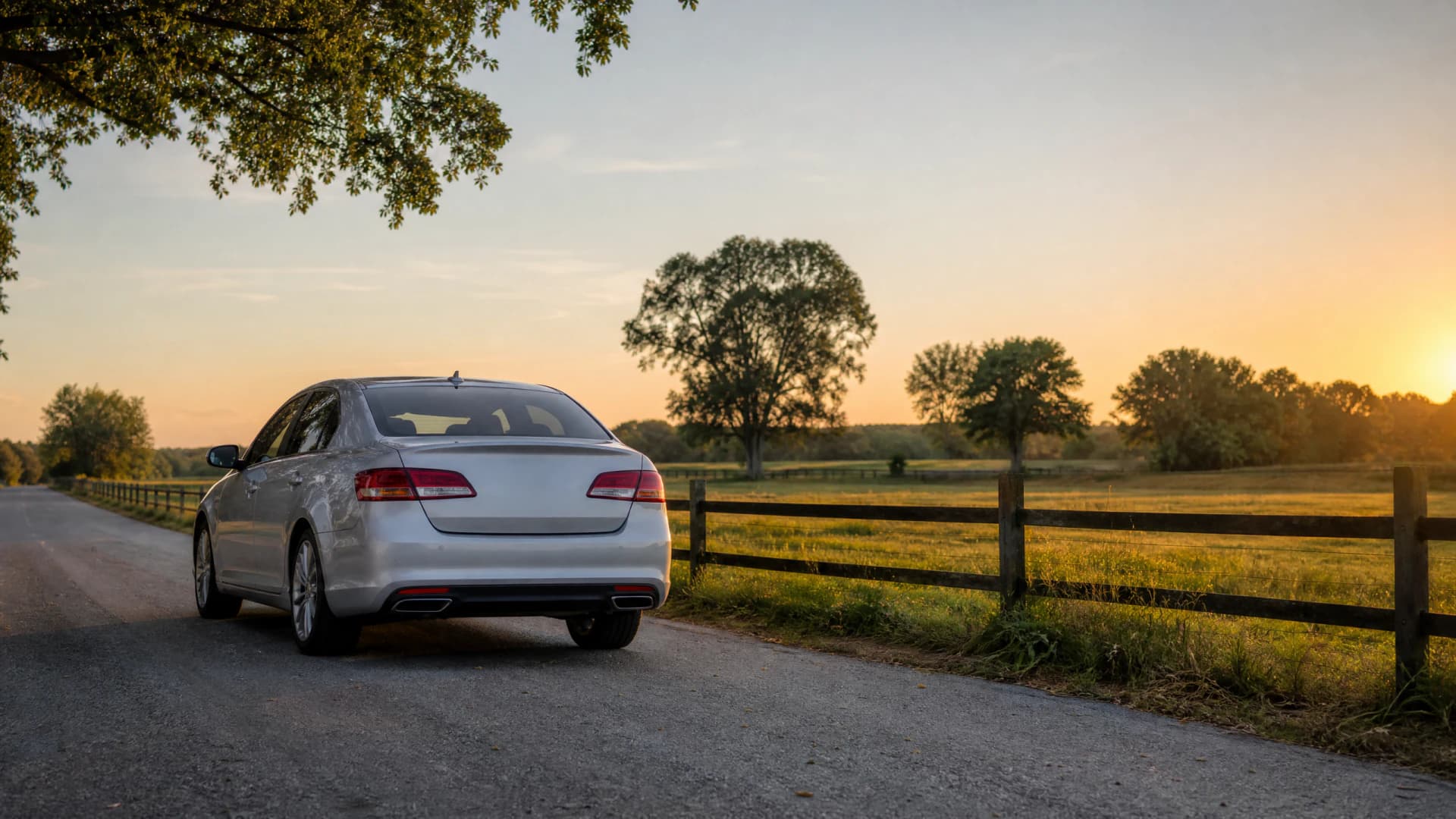
The most common mistake happens when snowbirds register their vehicle in Florida but delay notifying their insurance carrier until the next renewal cycle. They assume the six-month gap doesn't matter because they're still paying premiums. It matters significantly. The moment your car is registered in Florida with a New York policy still listing a New York garaging address, you're operating with a policy that may not respond to a Florida claim.
If you have an accident in Palm Beach while your policy still lists your Long Island address as the primary garaging location, your carrier can investigate whether the vehicle was actually garaged in Florida at the time of the loss. If they determine you misrepresented the garaging location — even unintentionally — they can deny the claim entirely and potentially rescind the policy retroactively. You would owe for the damage out of pocket and face a lapse in coverage that increases future premiums by 30–50% for most drivers over 65.
The legally correct sequence: register the vehicle in Florida, notify your carrier of the address change within 30 days, accept the new Florida premium, and confirm the updated policy documents list Florida as the garaging state before you drive the car. Anything out of sequence creates liability exposure most snowbirds don't discover until they file a claim.
Get Covered in Both of Your Home States
Compare Snowbird Auto Insurance RatesWhat Happens to Your Premium When You Switch to Florida
Florida auto insurance premiums for drivers over 65 run 15–40% higher than comparable New York coverage in most rating territories, with the largest increases concentrated in coastal counties including Palm Beach. Average full coverage premiums for senior drivers in Palm Beach County range from $180–$280 per month compared to $140–$210 per month for similar coverage on Long Island. The difference reflects Florida's higher uninsured motorist rate, severe weather exposure, and personal injury protection claim frequency.
Your rate increase depends on your specific driving record, vehicle, and coverage selections, but the garaging location change alone typically adds $40–$80 per month for drivers over 65 moving from Nassau or Suffolk County to Palm Beach County. If you carry comprehensive coverage, expect an additional increase tied to Florida's higher theft and hurricane damage claim rates. Liability coverage costs more in Florida because the state's comparative negligence system and higher uninsured motorist rates increase carrier exposure on every policy.
Some carriers offer modest discounts for snowbirds who garage vehicles in Florida only part of the year, but you must prove the vehicle returns to New York for a minimum period — typically 4–6 consecutive months — and maintain a valid New York address where the vehicle is actually stored. Few Long Island to Palm Beach snowbirds meet this requirement once they've established Florida domicile.

How to Handle the Insurance Transition Without a Lapse
Contact your current carrier 45–60 days before you plan to register your vehicle in Florida. Ask explicitly whether they write policies in Florida and whether they will transfer your current policy to a Florida garaging address. If they say no, you need to shop for a Florida carrier before you register the vehicle. Do not assume you can register first and find insurance later — Florida requires proof of insurance before DMV will issue registration.
If your carrier agrees to transfer the policy, request a written quote for the Florida premium with your planned garaging address in Palm Beach. Confirm the effective date of the address change will align with your Florida registration date. Request updated policy documents showing Florida as the garaging state and verify your declarations page lists the correct address before you visit Florida DMV.
If you must switch carriers, bind the new Florida policy with an effective date matching your planned registration date, then cancel your New York policy effective the same day. Do not cancel the New York policy before the Florida policy is active and confirmed in writing. A single day without coverage creates a lapse that increases your premiums and can trigger state reporting that complicates future registration renewals.
What Coverage Limits You Actually Need in Florida
Florida requires only $10,000 in personal injury protection and $10,000 in property damage liability — no bodily injury liability requirement at all. These minimums are dangerously low for drivers with assets to protect. Most financial advisors recommend bodily injury liability limits of at least $100,000 per person and $300,000 per accident for retired homeowners, with serious consideration of $250,000/$500,000 limits if your net worth exceeds $500,000.
Florida's high uninsured motorist rate — approximately 20% of drivers statewide, higher in some Palm Beach ZIP codes — makes uninsured motorist coverage functionally essential rather than optional. If an uninsured driver causes an accident that injures you or damages your vehicle, your only recovery is through your own uninsured motorist coverage. Minimum state requirements won't cover the medical costs of a serious injury or the replacement cost of a totaled vehicle.
Comprehensive coverage becomes more important in Florida because hurricane damage, flooding, and theft rates exceed New York averages in most coastal counties. If you own your vehicle outright and carry only liability coverage in New York, reconsider that decision before moving to Florida. The risk profile changes significantly.
Frequently Asked Questions
Can I keep my New York insurance policy if I register my car in Florida?
No, your insurance policy must list Florida as the garaging state once you register the vehicle there. Maintaining a New York policy after registering in Florida constitutes material misrepresentation that allows your carrier to deny claims and potentially rescind coverage. You must either transfer your existing policy to Florida garaging or switch to a Florida-based carrier before registration.
Do I have to register my car in Florida if I still own property in New York?
Yes, if you've established Florida residency through any legal action such as filing for homestead exemption, registering to vote, or declaring domicile. Florida law defines residency by your documented intent and actions, not by whether you maintain property elsewhere. Once you establish Florida domicile, you have 10 days to register any vehicle you operate in the state.
How much more does car insurance cost in Florida compared to New York for drivers over 65?
Full coverage premiums in Palm Beach County typically run $180–$280 per month for drivers over 65, compared to $140–$210 per month for similar coverage on Long Island. The garaging location change alone typically adds $40–$80 per month, with additional increases for comprehensive coverage tied to Florida's higher hurricane and theft claim rates.
What happens if I have an accident in Florida while my insurance still lists my New York address?
Your carrier can deny the claim based on material misrepresentation of the garaging location and potentially rescind your policy retroactively. You would be personally liable for all damages and face a coverage lapse that increases future premiums by 30–50% for most senior drivers. The policy must list the state where the vehicle is principally garaged at the time of the loss.
Related Articles

NYC to Palm Beach: Switching Auto Insurance When You Move
4/26/2026
Westchester to Palm Beach: Timing Your Policy Switch
4/26/2026
Long Island to FL: When to Switch Your Auto Policy
4/26/2026

Long Island to Palm Beach Insurance at 75–85
4/26/2026

Long Island to The Villages: Switching Your Auto Policy
4/26/2026

NYC to Boca Raton: When to Switch Your Auto Policy
4/26/2026