
Madison to Sun City AZ: License Renewal Rules at 75, 80, and 85
Free to compare
Which State Issues Your License When You Live in Both
Your driver license must come from your state of domicile — the state where you maintain permanent legal residence, register to vote, and file state income taxes. Arizona law defines domicile as where you intend to return, not simply where you spend the most days. Most snowbirds maintain Wisconsin domicile and spend winters in Arizona without changing their legal residence.
If you maintain Wisconsin domicile, you renew under Wisconsin rules regardless of how many months you spend in Sun City. If you establish Arizona domicile — by registering to vote there, obtaining an Arizona driver license, and declaring it your permanent residence — you renew under Arizona rules even when you're in Madison for the summer. You cannot hold valid licenses from both states simultaneously.
The renewal rule difference matters most between ages 75 and 85. Wisconsin allows mail renewal through age 85 with no additional testing. Arizona requires in-person renewal at age 65 and every five years after, with vision testing each time and potential written or road testing if the examiner identifies concerns.
Wisconsin Renewal Rules for Drivers 75 and Older
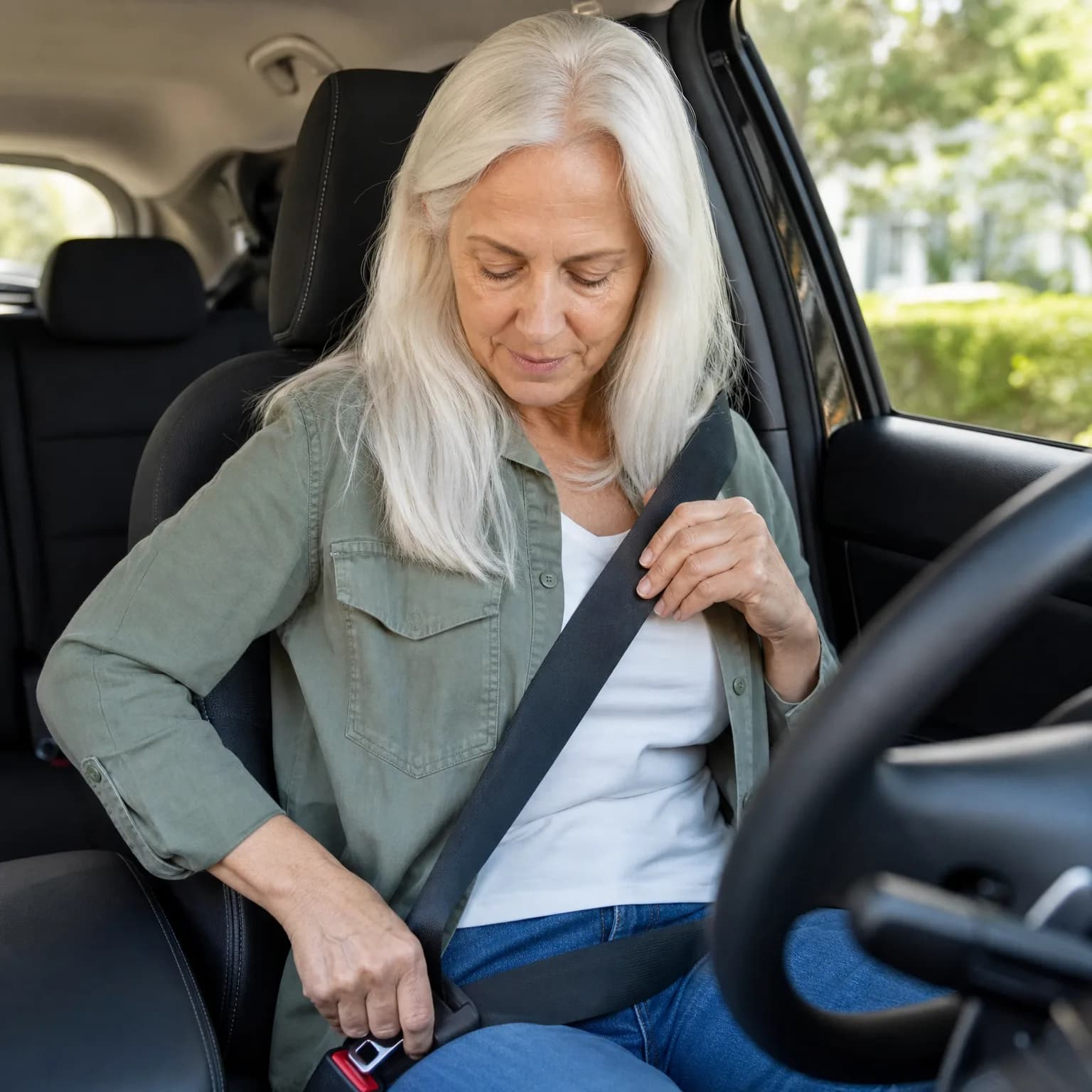
Wisconsin issues eight-year license terms to drivers under 65. At 65 and older, the term drops to four years. You can renew by mail or online through age 85 as long as you pass the vision screening requirement and have no medical restrictions on your license.
At 85, Wisconsin requires in-person renewal with vision testing. After 85, all renewals must be in person. If you have a medical condition that affects driving ability — such as seizure disorder, insulin-dependent diabetes, or progressive neurological conditions — Wisconsin DMV may require a physician statement or impose shorter renewal cycles regardless of age.
Wisconsin does not require road testing at renewal based solely on age. Road tests are administered only if a medical report, crash history, or examiner observation raises specific safety concerns.

Arizona Renewal Rules for Drivers 65 and Older
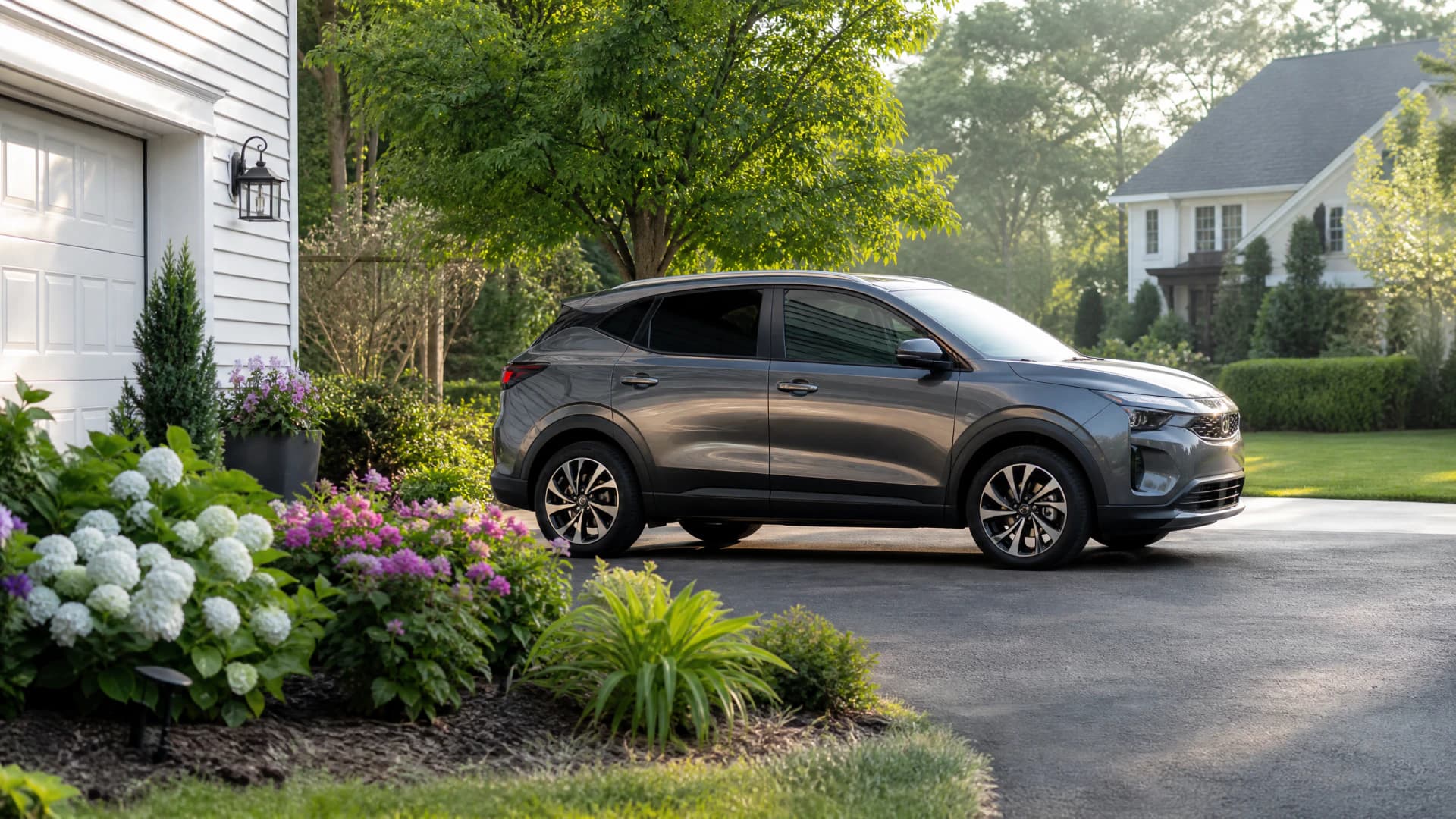
Arizona requires in-person renewal starting at age 65. Every renewal after 65 must be completed in person at an Arizona MVD office or authorized third-party location. You cannot renew an Arizona license by mail or online once you turn 65, even if your previous renewals were completed remotely.
Arizona issues five-year license terms to drivers 65 and older. Vision testing is mandatory at every in-person renewal. The vision standard is 20/40 in at least one eye, with or without corrective lenses. If you do not meet the standard, Arizona MVD may restrict your license to daylight driving only or require additional medical evaluation.
Arizona does not automatically require road testing at 65, 70, 75, 80, or any specific age threshold. Road tests are administered only if the vision test reveals concerns, if you fail the written knowledge test, or if the examiner observes difficulty during the renewal transaction. However, examiners have discretion to require testing if they believe your ability to operate a vehicle safely is in question.
What Happens If Your License Expires While You're in the Other State
If you hold a Wisconsin license and it expires while you're in Arizona for the winter, Wisconsin allows a grace period for renewal. You can renew a Wisconsin license up to two years after expiration without retesting, but you cannot legally drive on an expired license during that window. The safest approach is to renew before you leave Madison or use Wisconsin's online renewal system from Arizona if you're under 85 and eligible.
If you hold an Arizona license and it expires while you're in Wisconsin for the summer, you must return to Arizona to renew in person or allow the license to expire and restart the licensing process. Arizona does not offer a remote renewal option for drivers 65 and older under any circumstances. Some snowbirds schedule their summer return to Wisconsin after completing their Arizona renewal to avoid mid-summer trips back.
Driving on an expired out-of-state license in Arizona is a Class 2 misdemeanor. Arizona law enforcement does not recognize grace periods from other states. If your Wisconsin license expires in February and you're stopped in Sun City in March, the expiration is treated as driving without a valid license even if Wisconsin would allow late renewal.

Get Covered in Both of Your Home States
Compare Snowbird Auto Insurance Rates
How Your License State Affects Auto Insurance Requirements
Your auto insurance must meet the minimum liability requirements of the state where your vehicle is registered, not necessarily where you're currently driving. Most snowbirds register their vehicle in their state of domicile and carry insurance from that state year-round. Wisconsin requires 25/50/10 liability minimums. Arizona requires 25/50/15 liability minimums.
If you maintain Wisconsin registration and insurance but spend six months in Arizona, your Wisconsin policy covers you in Arizona. Carriers are required to provide out-of-state coverage for temporary travel. However, if you establish Arizona domicile and register your vehicle there, you must switch to an Arizona policy that meets Arizona minimums.
Some carriers increase rates when you add a seasonal Arizona address to your Wisconsin policy, even if you don't change registration. The rate change reflects Arizona's higher collision and comprehensive claim frequencies in Sun City and surrounding areas. Typical increases range from 10% to 25% depending on your carrier and your specific Sun City ZIP code.

When You Must Notify Your Insurer About Your Winter Address
You must notify your auto insurer if you spend more than 30 consecutive days at an address other than your primary garaging address. Most policies define your garaging address as where your vehicle is parked overnight most of the year. If you spend November through April in Sun City, your vehicle is garaged in Arizona for those months, and your insurer must be notified.
Failure to update your garaging address can result in claim denial. If you're in a collision in Sun City in February and your policy lists only your Madison address with no mention of seasonal Arizona residence, your carrier may deny the claim on grounds of material misrepresentation. This is the most common coverage gap snowbirds encounter.
When you notify your carrier of your Arizona address, request confirmation in writing that your policy covers you at both locations and that your rates reflect the Sun City garaging period. Some carriers issue seasonal endorsements that adjust your rate for the months you're in Arizona. Others average your risk across both locations for a blended annual rate.
Does Changing Your License to Arizona Lower Your Insurance Rate
Switching from a Wisconsin license and registration to an Arizona license and registration does not automatically lower your rate. Arizona average auto insurance rates for drivers 75 and older are typically 15–20% higher than Wisconsin average rates for the same age group, driven primarily by higher uninsured motorist rates and collision frequency in metro Phoenix.
The rate comparison changes if you qualify for Arizona-specific senior discounts or if your Wisconsin rate includes high-risk metro Milwaukee garaging and your Arizona garaging is in a lower-risk Sun City subdivision. Some carriers offer mature driver discounts in Arizona that are larger than their Wisconsin equivalents, particularly if you complete an Arizona-approved defensive driving course.
Before changing your domicile and license to Arizona solely for insurance purposes, calculate the full cost. Arizona registration fees, title transfer costs, and the requirement to return to Arizona every five years for in-person renewal may outweigh any potential rate savings. Most snowbirds who maintain Wisconsin domicile and registration do so for tax and estate planning reasons that override insurance rate differences.
Frequently Asked Questions
Can I renew my Wisconsin driver license online if I'm in Arizona for the winter?
Yes, if you're under 85 and meet Wisconsin's eligibility requirements for online renewal. Wisconsin allows online renewal for drivers under 85 who have no medical restrictions and pass the vision screening requirement. You can complete the renewal from Arizona and receive your new license by mail at your Wisconsin address.
What happens if I miss my Arizona license renewal deadline while I'm in Wisconsin?
You cannot renew an Arizona license remotely after age 65. If your Arizona license expires while you're in Wisconsin, you must return to Arizona for in-person renewal or allow it to expire. Driving on an expired license in either state is illegal, and Arizona does not recognize grace periods from other states.
Do I need auto insurance in both Wisconsin and Arizona if I split my time?
No. You need one policy that meets the requirements of the state where your vehicle is registered. If your vehicle is registered in Wisconsin, your Wisconsin policy covers you in Arizona. You must notify your insurer of your seasonal Arizona address, but you do not need a separate Arizona policy unless you register your vehicle there.
Will my insurance rate go up if I tell my carrier I spend winters in Sun City?
Likely yes. Most carriers increase rates by 10–25% when you add a seasonal Arizona garaging address because collision and comprehensive claim rates in Sun City are higher than in most Wisconsin locations. The exact increase depends on your carrier, your specific Sun City ZIP code, and how many months you garage there.
Related Articles

Milwaukee to Sun City AZ: License Renewal at 75+
4/26/2026

Milwaukee to FL: License Renewal Rules at 75, 80, 85
4/26/2026

Indianapolis to AZ: License Renewal at 75, 80, 85
4/26/2026

MN to AZ Snowbird Insurance: Renewal Rules at 75–85
4/26/2026

Buffalo to Florida License Renewal: Age 75, 80, 85 Rules
4/26/2026

Maryland to Florida License Renewal at 75, 80, 85
4/26/2026