
Converting a Joint Auto Policy After Your Spouse's Death
Free to compare
What Happens to Your Joint Auto Policy When Your Spouse Passes Away
Your auto insurance policy remains active after your spouse's death, but it doesn't automatically adjust to reflect a single driver. The policy continues in its original form — listing both drivers, calculating premiums based on two-driver household risk, and reflecting your spouse's vehicle — until you notify the carrier and request specific changes.
Most carriers require a certified copy of the death certificate and a formal policy amendment request within 30 to 60 days of the death. Missing this window doesn't cancel your coverage, but it creates billing complications: you may continue paying premiums that reflect your spouse's driving record, vehicle, and coverage elections rather than your actual household situation.
The carrier won't proactively reach out. If you're the named policyholder, the policy renews automatically. If your spouse was the primary named insured, the carrier may send renewal notices to their name indefinitely until you provide documentation proving your authority to manage the policy as the surviving spouse or estate executor.

How to Remove Your Spouse from the Policy and Restructure Coverage
Contact your carrier's customer service line and request a policy amendment for a deceased spouse. You'll need a certified copy of the death certificate — photocopies and funeral home letters are typically not accepted. Most carriers process the amendment within 5 to 10 business days once documentation is received.
If your spouse owned one of the vehicles on the policy, you must also address vehicle ownership. If the vehicle is part of the estate and you're keeping it, you'll need either a title transfer showing your name or a letter from the estate executor authorizing continued coverage under your name. If you're selling or donating the vehicle, request its removal from the policy effective the date of transfer.
If your spouse was the primary named insured, you'll need to convert the policy to your name. This requires the death certificate plus proof of your relationship — typically a marriage certificate. Some carriers treat this as a new policy application and re-evaluate your rate based on your individual driving record, credit-based insurance score, and coverage history. Others maintain your existing policy number and rate structure. Ask explicitly whether the conversion triggers a rate recalculation before approving the change.
Document every conversation: carrier name, representative name, date, time, and confirmation number. Request written confirmation of all amendments within 7 days. Billing errors on amended policies are common, and written records are the fastest path to correction.


What Happens to Your Premium After Removing Your Spouse
Your premium may increase, decrease, or stay roughly the same depending on how your spouse's driving record and vehicle affected the original household rate. If your spouse had a clean driving record and you have violations or claims, removing them may increase your rate by 10% to 30%. If your spouse had recent violations or a luxury vehicle with high collision coverage, removing them may reduce your premium.
Multi-car discounts disappear when you reduce from two vehicles to one. Most carriers apply a 10% to 20% discount for insuring multiple vehicles on the same policy. Losing that discount can offset any savings from removing a second driver.
Some carriers offer a widow or widower discount — typically 5% to 10% off liability and collision premiums for single-driver households where the policyholder is over 60 and the spouse is deceased. Not all carriers offer this, and most require you to ask for it explicitly during the amendment process. Under current state requirements, carriers are not required to disclose available discounts proactively.

Get Covered in Both of Your Home States
Compare Snowbird Auto Insurance RatesIf You're Relocating After Your Spouse's Death
If you're moving from your primary residence to live with family, downsizing, or relocating to your winter home permanently, notify your carrier before the move. Your premium is calculated based on your garaging address — the location where your vehicle is parked overnight most nights of the year. A change from a rural Wisconsin address to a Phoenix metro address can increase your premium by 20% to 50% due to higher claim frequency, theft rates, and uninsured driver density in urban areas.
You must update your garaging address within 30 days of relocating. Failing to do so is considered material misrepresentation and can void coverage if you file a claim from your new location and the carrier discovers the address on file is incorrect.
If you're moving from one state to another, you'll need to transfer your vehicle registration and update your policy to reflect the new state's minimum liability requirements. Arizona requires 25/50/15 liability coverage; Wisconsin requires 25/50/10. If you're moving from Wisconsin to Arizona and keeping the same carrier, your policy must be amended to meet Arizona's higher property damage minimum. Some carriers cannot write policies in both states and will non-renew your policy, requiring you to find a new carrier in your new state before your move.

What to Do If Your Spouse Was the Only Driver Listed on the Policy
If your spouse was the sole named insured and sole listed driver, the policy technically covers only them. You were likely listed as a household member or occasional driver, but you were not the policyholder. After their death, you must contact the carrier immediately and request a policy transfer or new policy application.
Most carriers allow a surviving spouse to assume the existing policy if you provide a death certificate and proof of relationship within 60 days. The policy number may change, but your coverage remains continuous. If you were not listed on the original policy at all — not even as a household member — the carrier may treat your request as a new application, which triggers a full underwriting review including a motor vehicle report check, credit-based insurance score evaluation, and claims history review.
If the carrier non-renews the policy due to the named insured's death and you were not listed as a driver, you'll need to secure a new policy before the current policy's expiration date. Most carriers send a non-renewal notice 30 to 60 days before expiration. Do not wait for that notice. Contact the carrier within one week of your spouse's death to clarify your status and coverage continuation options.
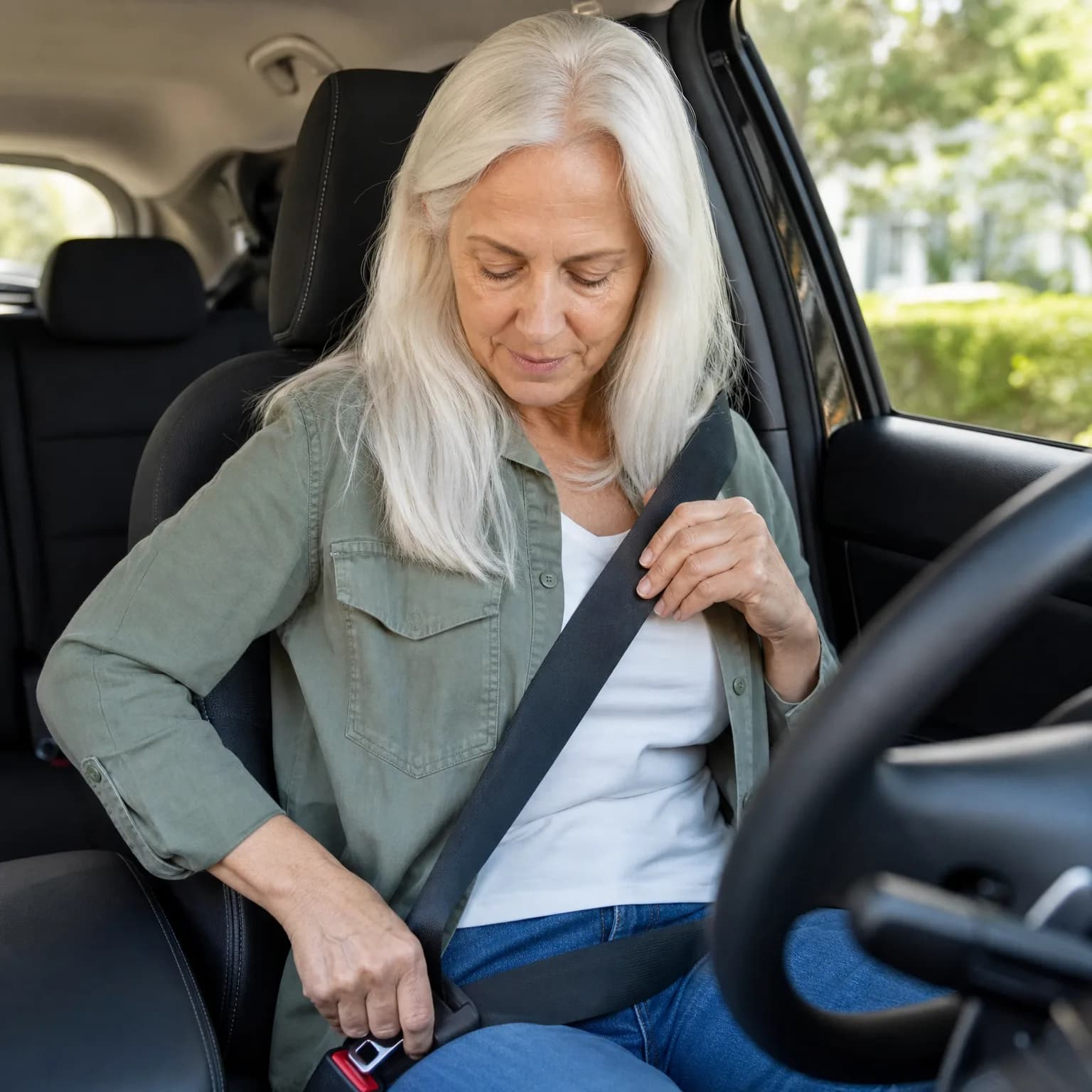
How Snowbird Status Affects Your Policy After Your Spouse's Death
If you and your spouse split time between a northern summer home and a warm-weather winter home, your policy was likely written with either dual garaging addresses or a primary address in one state with a seasonal residence endorsement. After your spouse's death, you may decide to spend the full year in one location rather than continuing the seasonal migration.
Changing from a snowbird policy to a single-state year-round policy requires notifying your carrier of your new primary garaging address and removing any seasonal residence endorsements. Your rate will be recalculated based on the full-year risk profile of your new primary location. A full-year Arizona address typically costs 15% to 25% more than a seasonal Arizona address for the same driver and vehicle due to higher annual mileage and year-round exposure to urban traffic and weather risks.
If you're keeping the snowbird schedule but now traveling alone, confirm that your policy covers you in both states for the full coverage period. Some carriers restrict seasonal residence endorsements to households with two or more drivers. Losing that endorsement means you're only covered at your primary garaging address, and any claim filed while staying at your secondary residence may be denied for material misrepresentation of garaging location.
Frequently Asked Questions
How long do I have to notify my auto insurance company after my spouse dies?
Most carriers require notification and documentation within 30 to 60 days of your spouse's death to amend the policy without triggering a coverage review or billing complications. You won't lose coverage if you notify them later, but you may continue paying premiums calculated for two drivers and face delays in correcting billing errors.
Will my car insurance rate go up after removing my deceased spouse from the policy?
Your rate may increase, decrease, or stay similar depending on your spouse's driving record, vehicle, and your household's multi-car discount status. If your spouse had a clean record and you have violations, your rate may increase 10% to 30%. If you're reducing from two vehicles to one, you'll lose the multi-car discount, which typically reduces premiums by 10% to 20%.
What documents do I need to remove my spouse from my auto insurance policy?
You'll need a certified copy of the death certificate and proof of your relationship to the deceased — typically your marriage certificate. If your spouse owned a vehicle on the policy, you'll also need documentation showing title transfer to your name or proof that the vehicle has been sold or donated.
Can I keep my car insurance policy if my spouse was the primary policyholder?
Yes, most carriers allow a surviving spouse to assume the existing policy if you provide a death certificate and proof of relationship within 60 days. Some carriers treat this as a policy transfer and maintain your existing rate and policy number; others re-evaluate your rate as a new single-driver household.
What happens if I move to my winter home permanently after my spouse passes away?
You must notify your carrier and update your garaging address to your new primary residence within 30 days of relocating. Your premium will be recalculated based on the new location's claim frequency, theft rates, and state minimum coverage requirements. If you're moving from one state to another, you may need to find a new carrier if your current carrier doesn't write policies in your new state.
Related Articles

Converting Joint Auto Policy After Spouse's Death
4/26/2026

Convert Joint Auto Policy After Spouse Death | Guide
4/26/2026

Converting Joint Auto Policy After Spouse's Death
4/26/2026

Converting Joint Auto Policy After Spouse's Death
4/26/2026

Converting Joint Auto Policy After Spouse's Death
4/26/2026

Convert Joint Auto Policy After Spouse's Death
4/26/2026