
NYC to Asheville NC: Auto Insurance Steps Before Selling Your Home
Free to compare
When North Carolina Requires You to Re-Register Your Vehicle
North Carolina law requires you to register your vehicle within 60 days of establishing residency, which begins the day you move into your Asheville home—not the day you sell your New York property. The NC DMV defines residency as where you physically live, not where you own real estate. If you're living in Asheville full-time while your NYC home is on the market, you're a North Carolina resident on day one.
Many seniors assume they can maintain New York registration until their northern property sells, especially if they're still traveling back for showings or estate matters. This creates a serious problem: your New York auto insurance policy is now based on an address where you no longer live, which means your carrier can deny claims based on material misrepresentation of garaging location. North Carolina won't register your vehicle without proof of NC insurance, and New York insurers won't write policies for vehicles garaged outside the state.
The 60-day window is strict. After that point, driving with out-of-state plates while residing in NC is a Class 2 misdemeanor with fines starting at $100. More important: if you're in an accident during this period, your insurance company will investigate your residency status, and any evidence that you've been living in North Carolina beyond the grace period can void your policy retroactively.

How to Transfer Your Insurance Without a Coverage Gap
Contact your current carrier 30 days before your move date and ask if they write policies in North Carolina with Asheville garaging. State Farm, GEICO, Progressive, Allstate, Nationwide, and Liberty Mutual all operate in both states and can convert your policy to a North Carolina address on your move date. This keeps your continuous coverage history intact and often preserves multi-policy discounts if you're also moving homeowners insurance.
If your carrier doesn't operate in North Carolina or won't transfer your policy, get quotes from NC-licensed carriers at least two weeks before moving. North Carolina is a tort state—New York is no-fault—so your liability coverage structure changes significantly. Most North Carolina insurers recommend 100/300/50 liability limits for senior drivers, higher than the state minimum of 30/60/25, because NC's contributory negligence rule means even 1% fault in an accident can block your ability to recover damages from the other driver.
Schedule your new North Carolina policy to start the day you arrive in Asheville, then cancel your New York policy effective the same date. Do not let your NY policy lapse before NC coverage begins. If there's any gap—even one day—you'll pay a lapse surcharge on your NC policy that typically adds 20-40% to your premium for three years.

What Happens to Your Rates When You Move from NYC to Asheville
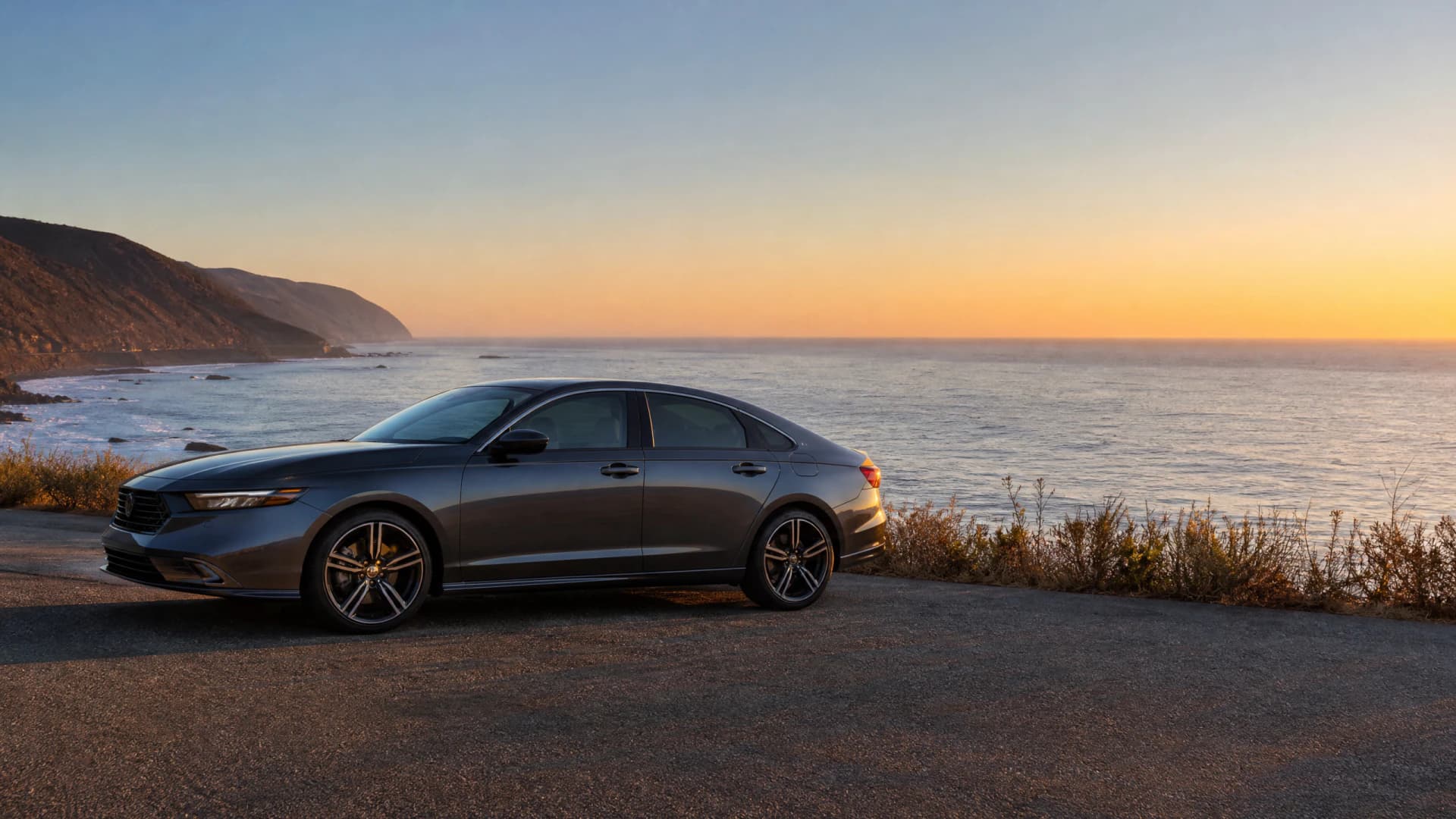
Auto insurance rates in Asheville typically run 30-50% lower than New York City for senior drivers with clean records. Average monthly premiums for full coverage drop from $180-$240 in NYC to $95-$140 in Asheville for drivers over 65. North Carolina's lower population density, reduced theft rates, and tort system create a fundamentally different risk pool than New York's no-fault urban environment.
Your rate in North Carolina depends heavily on your specific Asheville ZIP code. Western Asheville (28801, 28804) generally sees lower premiums than downtown (28801) or South Asheville (28803) due to traffic density and claim frequency. If you're moving to a gated community or low-traffic neighborhood outside city limits, expect rates at the lower end of the range. Urban Asheville addresses with street parking typically price 15-20% higher than suburban garaging.
North Carolina insurers will ask about your last five years of claims and violations regardless of state, so your New York driving record transfers completely. However, NC doesn't use credit scores in rate calculations as heavily as New York does under current regulations, which can benefit senior drivers on fixed incomes who've seen credit utilization increase during retirement. North Carolina does offer a mature driver discount—typically 5-10% off liability premiums—for drivers 55+ who complete an approved defensive driving course, but unlike New York, it's not mandatory for insurers to offer it.
Get Covered in Both of Your Home States
Compare Snowbird Auto Insurance RatesNorth Carolina Registration Requirements You Can't Delay
You need four documents to register your vehicle in North Carolina: proof of NC auto insurance, your current out-of-state title, a passed NC vehicle safety inspection, and proof of Asheville residency. The safety inspection must be completed at an NC-licensed station within 90 days before registration. Most inspection stations near Asheville charge $13.60 for the state-mandated check, which covers lights, brakes, steering, tires, horn, and emissions for gasoline vehicles.
Proof of residency means a document showing your Asheville street address: a utility bill, lease agreement, or property deed all qualify. Your New York driver license does not need to be converted before registering your vehicle, but North Carolina requires you to get an NC license within 60 days of establishing residency. You can register your car and convert your license on the same DMV visit, which most Asheville-area seniors find more efficient than two trips.
North Carolina charges a Highway Use Tax when you register an out-of-state vehicle—3% of your vehicle's current market value as determined by the NC DMV's valuation schedule. For a vehicle worth $20,000, that's a $600 tax due at registration in addition to standard plate and title fees. This surprises many New York transplants who aren't accustomed to registration taxes. There's no senior exemption, but if you owned the vehicle for at least 90 days before moving to NC, you can provide proof to avoid being classified as a recent purchase, which sometimes triggers a higher valuation.

Managing Two Properties During the Transition Period
If you're traveling back to New York regularly for estate management, showings, or family obligations during the months your home is listed, document your primary residence carefully. Your auto insurance policy will be based on where your vehicle is garaged more than 50% of the time. If that's Asheville, your policy must reflect North Carolina garaging even if you still own New York property.
Some carriers allow you to list a secondary address for occasional use, which can protect you if you're driving in New York during return visits. Call your insurer and explain your situation explicitly: "I live in Asheville full-time but return to New York every 4-6 weeks for 3-5 days to manage my property sale." This creates a documented record of your disclosure. Most carriers will note this in your file and confirm your coverage extends to both states under a single North Carolina policy.
Do not maintain active registration in both states simultaneously. New York requires you to surrender your plates within 30 days of establishing residency elsewhere, and continuing to register a vehicle in NY while living in NC is considered registration fraud. If you need a vehicle available during New York visits, rental coverage or a non-owner policy is the compliant approach, not dual registration.

What to Tell Your Insurance Company and When
Call your insurer the day you arrive in Asheville to update your garaging address, even if your policy conversion isn't scheduled for another week. Garaging location affects your rate and coverage terms immediately. If you're in an accident during your first week in North Carolina and your policy still lists a New York City address, the claim will trigger an investigation, and any delay in reporting your move can be classified as material misrepresentation.
Ask your carrier directly: "Does my current policy cover me in North Carolina during the time between my move date and my policy conversion date?" Some insurers provide a short grace period for relocation—typically 30 days—but this is not universal, and assuming you're covered without confirmation is a mistake that costs senior drivers tens of thousands in denied claims annually. Get the answer in writing via email or documented in your online account portal.
If you're keeping your New York home listed for more than 90 days after moving to Asheville, consider whether you need to maintain any property-related insurance riders that covered vehicles on that property. Most homeowners policies include some incidental auto coverage for vehicles on the insured property, but once you've relocated, that connection breaks. Clarify this with both your auto and homeowners carriers to avoid overlap or gaps.
Frequently Asked Questions
Can I keep my New York car insurance if I still own property there?
No. Auto insurance must reflect where your vehicle is garaged more than 50% of the time, not where you own property. If you're living in Asheville full-time, your policy must be based on your North Carolina address regardless of New York property ownership. Maintaining a NY policy while residing in NC is grounds for claim denial.
How long do I have to register my car in North Carolina after moving?
North Carolina requires vehicle registration within 60 days of establishing residency. Residency begins the day you move into your North Carolina home, not when you sell your northern property or convert your driver license. Driving with out-of-state plates after 60 days is a Class 2 misdemeanor.
Will my car insurance rate go up or down moving from NYC to Asheville?
Rates typically drop 30-50% for senior drivers moving from New York City to Asheville. Average full coverage premiums fall from $180-$240/month in NYC to $95-$140/month in Asheville for drivers over 65 with clean records, primarily due to lower population density and North Carolina's tort system versus New York's no-fault structure.
Do I need a North Carolina driver license before I can register my car?
No. You can register your vehicle in North Carolina with an out-of-state license, but you must convert your driver license to NC within 60 days of establishing residency. Most seniors complete both tasks in one DMV visit for efficiency.
What happens if I have an accident during my first month in North Carolina before I update my insurance?
Your insurer will investigate your residency status and garaging location. If evidence shows you were living in NC when the accident occurred but your policy listed a New York address, the claim can be denied for material misrepresentation. Update your garaging address with your carrier the day you move to avoid this risk.
Related Articles

NYC to Asheville NC: Switching Auto Insurance When You Move
4/26/2026

NYC to Asheville Auto Insurance: Senior Driver Guide
4/26/2026

NYC to Asheville Move: Auto Insurance Cost Comparison
4/26/2026

DC to Asheville Move: When to Switch Auto Insurance
4/26/2026

Philadelphia to Asheville Move: 6 Insurance Steps Seniors Miss
4/26/2026

Boston to Asheville Move: Insurance Steps for Seniors
4/26/2026