
NYC to Asheville NC: Mid-Season Snowbird Auto Coverage Review
Free to compare
When North Carolina Requires You to Register Your Vehicle
North Carolina law requires you to register your vehicle in the state once you've been present for more than 183 days in a calendar year. That count is cumulative, not consecutive — three months in spring plus four months in fall equals seven months, triggering the requirement even if you returned to New York between visits.
The North Carolina Division of Motor Vehicles begins the count from your first arrival in the state each calendar year. If you own or lease property in North Carolina and your vehicle is garaged there regularly, enforcement becomes more likely. Buncombe County, where Asheville is located, cross-references property tax records with vehicle registrations during annual audits.
Most New York-based auto insurance policies explicitly exclude coverage for vehicles that should be registered in another state but aren't. If you're required to hold North Carolina registration and don't, your New York carrier can deny a claim filed in North Carolina on the grounds that the policy was obtained under false pretenses. That exclusion appears in the policy conditions section, not the declarations page most snowbirds review at renewal.

How Two-State Coverage Actually Works for the NYC-Asheville Route
You cannot hold active registration in both New York and North Carolina simultaneously for the same vehicle. You must choose a primary registration state, and your insurance policy must be issued in that state with the vehicle garaged at your address there.
If you register in New York and spend fewer than 183 cumulative days in North Carolina, your New York policy covers you during temporary stays in North Carolina under the policy's out-of-state provisions. All major carriers extend full coverage during temporary absences, typically defined as fewer than six months per year. If you register in North Carolina because you've crossed the 183-day threshold, you need a North Carolina policy with Asheville or your specific Buncombe County address listed as the garaging location.
Rates differ substantially between the two states. New York City drivers currently pay $180–$310/mo for full coverage depending on borough and driving record. Asheville drivers with similar profiles pay $115–$185/mo. Switching your registration and policy to North Carolina when you cross the residency threshold typically saves $700–$1,400 annually, but only if your time split genuinely favors North Carolina going forward.

What Happens to Your Coverage During the Drive Between States
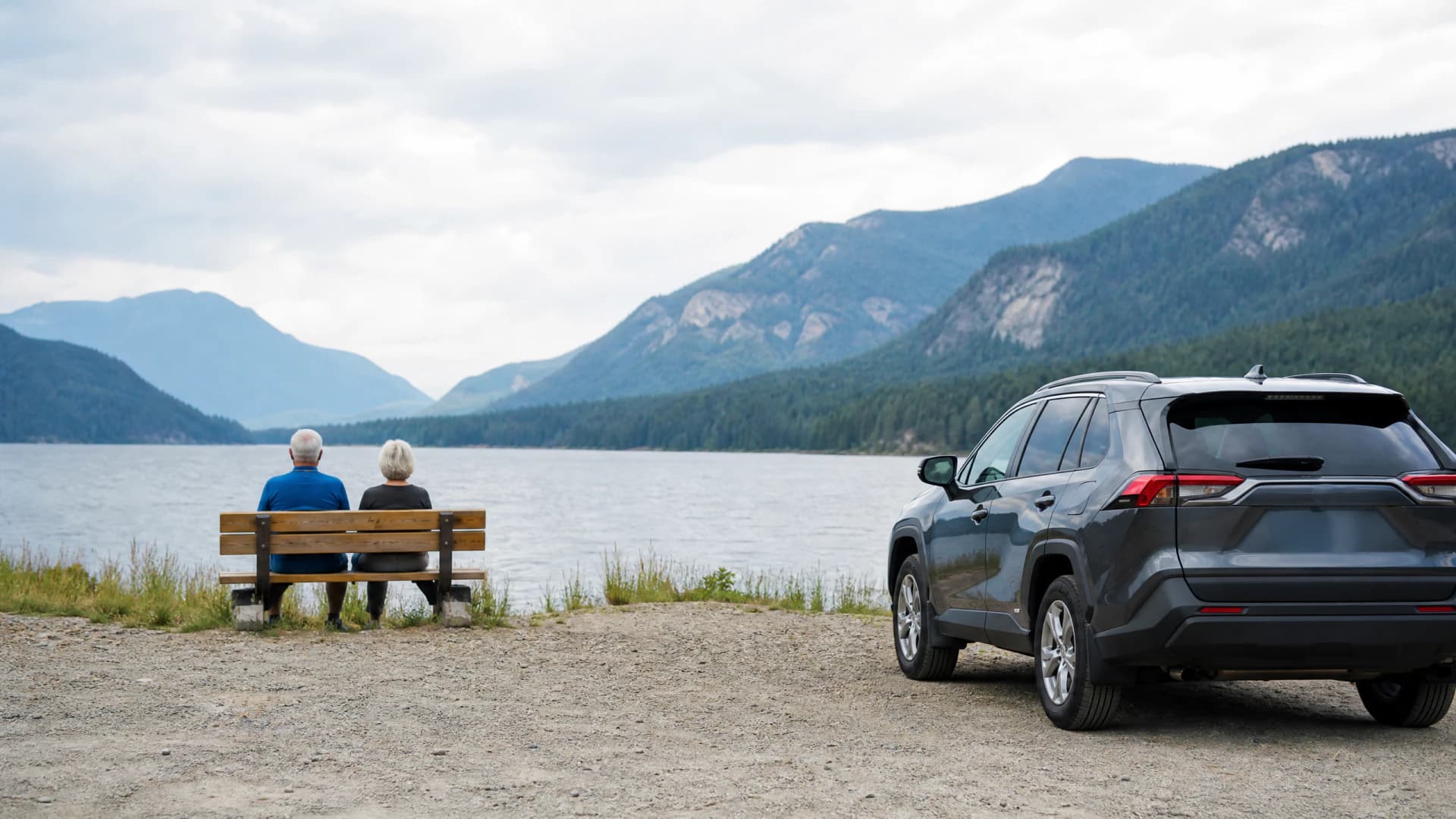
Your auto insurance policy covers you continuously during interstate travel regardless of which state issued the policy. The drive from New York City to Asheville takes roughly 11 to 13 hours depending on route and stops. Coverage remains active through New Jersey, Pennsylvania, Virginia, and into North Carolina without interruption.
The risk period begins after you arrive. If you're driving on a New York policy and New York registration but spending more than half the year in North Carolina, you're operating outside your policy terms the moment you cross the 183-day cumulative threshold. A claim filed during that period — even a liability claim where you're at fault — gives the carrier grounds to investigate your residency status and potentially deny coverage.
North Carolina is an at-fault state, meaning the driver who caused the accident pays for damages. Minimum liability requirements are $30,000 per person and $60,000 per accident for bodily injury, plus $25,000 for property damage. If you're found at fault in Asheville and your New York carrier denies your claim due to improper registration, you're personally liable for all damages above what the other driver's uninsured motorist coverage provides.

Get Covered in Both of Your Home States
Compare Snowbird Auto Insurance RatesWhich Carriers Write Policies That Cover Mid-Season Transitions Cleanly
Most national carriers allow you to update your garaging address and switch your policy's base state once per policy term without penalty, provided you do so before crossing the residency threshold in the new state. State Farm, Nationwide, and Travelers process state transfers for existing policyholders within 7 to 10 business days.
You'll need to provide proof of your North Carolina address, typically a utility bill or property tax statement, and surrender your New York plates before the North Carolina policy becomes active. The North Carolina Division of Motor Vehicles requires proof of insurance before issuing registration, so coordinate the timing carefully: obtain the North Carolina insurance quote and binder first, then schedule your DMV appointment.
Some carriers, particularly regional New York insurers, do not write policies in North Carolina and will not transfer your coverage. If you're currently insured by a New York-only carrier and need to switch to a North Carolina policy, expect a gap unless you secure the new policy before canceling the old one. GEICO, Progressive, and Allstate write in both states and can issue a North Carolina policy immediately while canceling your New York policy effective the same day.

How to Track Your Days Without Missing the Registration Deadline
North Carolina counts every partial day you're present in the state toward the 183-day threshold. Arriving at 11 p.m. counts as one full day. The count resets on January 1 each year, so you're tracking a calendar-year total, not a rolling 12-month period.
Keep a written log or shared calendar that records your arrival and departure dates for every North Carolina visit. Property management companies, utility activation dates, and credit card statements showing North Carolina purchases provide documentation if the state questions your count. Buncombe County has increased residency audits since 2022, particularly for out-of-state-plated vehicles parked at the same address for extended periods.
If you're approaching 150 days by mid-October and plan to stay in Asheville through Thanksgiving, you'll cross the threshold before year-end. Contact your insurance carrier in early November to start the state transfer process. Waiting until after you've crossed 183 days means you're driving uninsured under the terms of your New York policy, even if the state of North Carolina hasn't yet discovered the violation.

What This Means for Your Medicare Supplement and Liability Exposure
Medicare Supplement (Medigap) plans sold in New York do not automatically provide coverage in North Carolina. If you're involved in an accident in Asheville and require hospital care, your Medigap plan may not cover services at Mission Hospital or other Buncombe County facilities unless your plan specifically includes out-of-state emergency coverage.
Medical Payments coverage on your auto insurance policy pays for your medical bills after an accident regardless of fault, up to your policy limit — typically $5,000 to $10,000. That coverage applies in any state. If you're spending significant time in North Carolina and your Medigap plan does not cover out-of-state care, increasing your Medical Payments limit to $10,000 or adding Personal Injury Protection if available provides a financial backstop.
North Carolina does not require Medical Payments or PIP coverage, so policies issued in the state often exclude it unless you specifically request it. When transferring from a New York policy to a North Carolina policy, confirm that your Medical Payments coverage transfers at the same limit. New York policies typically include $10,000 in no-fault PIP; North Carolina policies do not, and you'll need to add optional MedPay to replace that protection.
Frequently Asked Questions
Can I keep my car registered in New York if I own a home in North Carolina?
You can keep New York registration only if you spend fewer than 183 cumulative days per calendar year in North Carolina. Once you cross that threshold, North Carolina law requires you to register your vehicle in the state and obtain a North Carolina insurance policy, regardless of whether you still own property in New York.
Will my New York auto insurance cover an accident that happens in Asheville?
Your New York policy covers accidents in North Carolina as long as you're complying with your policy terms, which means spending fewer than six months per year outside New York. If you've been in North Carolina long enough to trigger the state's registration requirement but haven't switched your policy, your carrier can deny the claim.
How much does car insurance cost in Asheville compared to New York City?
Asheville drivers age 65 and older with clean records currently pay $115–$185/mo for full coverage. New York City drivers in the same age group pay $180–$310/mo depending on borough. Switching registration and insurance to North Carolina typically saves $700–$1,400 per year.
Do I need to cancel my New York insurance before getting a North Carolina policy?
Obtain your North Carolina insurance binder before canceling your New York policy to avoid a coverage gap. Carriers like GEICO, Progressive, and Allstate can issue your North Carolina policy and cancel your New York policy on the same effective date, ensuring continuous coverage during the transition.
Related Articles

NYC to Asheville Snowbird Auto Insurance Guide
4/26/2026

Split Residency: NYC to Asheville Snowbird Insurance
4/26/2026

Split vs Full NC Residency: Snowbird Insurance Guide
4/26/2026

NYC to Asheville Auto Insurance: Senior Driver Guide
4/26/2026

MA to NC Snowbird Auto Insurance: Registration Guide
4/26/2026

Two Cars or One? NYC to Asheville Snowbird Insurance
4/26/2026