
Philadelphia to The Villages: License Renewal Rules at 75, 80, 85
Free to compare
Which State Controls Your License Renewal at 75, 80, and 85?
Your legal residence determines which state issues your driver's license, regardless of how many months you spend in Florida. If you maintain Pennsylvania residency, you renew through PennDOT. If you establish Florida residency, you renew through Florida DHSMV.
The confusion comes from insurance and vehicle registration. You can keep a Pennsylvania license while insuring a vehicle with a Florida garaging address, and some carriers require Florida registration if you spend more than six months there. Your license state and your insurance state don't have to match, but your insurance policy must reflect where the vehicle is actually garaged most of the year.
Most Philadelphia-area snowbirds who own property in The Villages keep Pennsylvania residency to avoid Florida state income tax complications and estate considerations. That means PennDOT renewal rules apply, even if your car sits in Florida eight months a year.

Pennsylvania Renewal Rules: What Changes at 75, 80, and 85
Pennsylvania allows online or mail renewal through age 84 with no additional testing requirements. At 65 and older, your renewal cycle shortens from four years to two years, but the process itself doesn't change until you turn 85.
Starting at age 85, Pennsylvania requires in-person renewal only. You visit a PennDOT driver license center, complete a vision screening, and renew for another two years. There's no road test or written exam under current state requirements unless the examiner identifies a specific concern during your transaction.
If you turn 85 while spending winter in Florida, you have two options: return to Pennsylvania during your renewal window, or wait until you're back in the summer and renew then. Pennsylvania allows a grace period, but driving on an expired license in Florida creates liability exposure your auto policy may not cover.

Florida Renewal Rules: Vision Tests Start at 80, In-Person Only
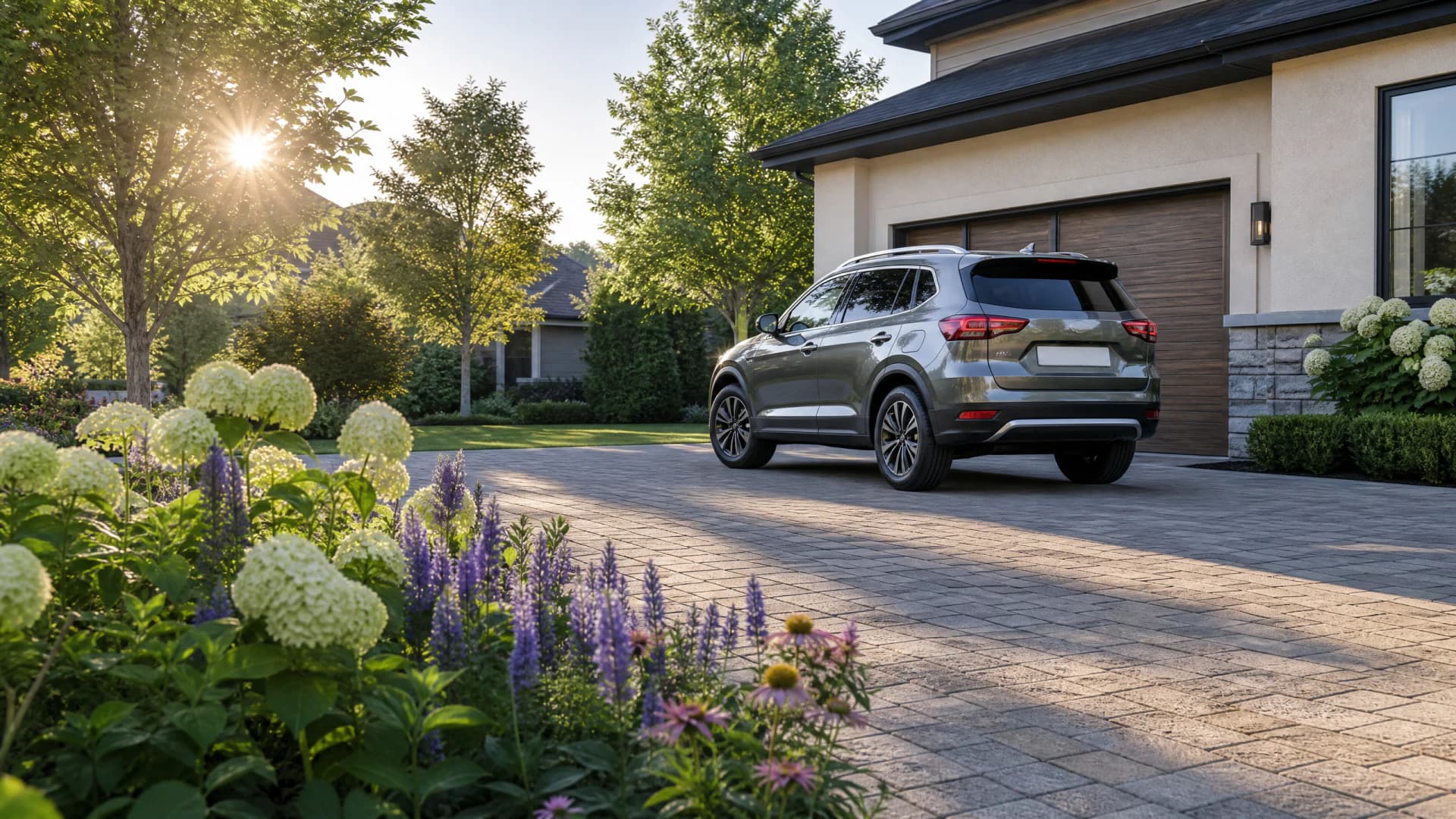
Florida requires in-person renewal with a vision test starting at age 80. You cannot renew online or by mail once you reach that threshold. The vision standard is 20/40 in at least one eye, corrected or uncorrected. If you don't meet it, Florida requires a vision specialist's report before issuing your renewal.
Florida renewals cycle every eight years for drivers under 80, then every six years after 80. If you establish Florida residency at 78, you'll renew once online, then face in-person requirements two renewals later. If you move residency at 82, your first Florida renewal is already in-person.
Most snowbirds who switch to Florida residency do so for homestead exemption benefits on their Villages property, not because of license convenience. The license requirement follows automatically once you declare Florida domicile for tax purposes.
How Your License State Affects Insurance Rates and Requirements
Pennsylvania and Florida both require liability insurance, but minimum coverage differs. Pennsylvania mandates 15/30/5 liability limits. Florida requires 10/20/10 plus $10,000 personal injury protection. If you hold a Pennsylvania license but garage your vehicle in Florida more than six months, most carriers require you to meet Florida's PIP requirement even though your license is out of state.
Rates for senior drivers vary significantly between the two states. Florida's average annual premium for drivers 75 and older runs $1,680–$2,240, reflecting no-fault PIP costs and higher uninsured motorist rates statewide. Pennsylvania's average for the same age group is $1,320–$1,780, but Philadelphia-area rates run 15–25% higher than the state average due to urban density and theft rates.
If you switch residency from Pennsylvania to Florida after age 75, expect your rate to increase 12–18% on average, even with a clean driving record. The state risk pool drives that difference, not your individual profile. Carriers price Florida policies higher because the state's PIP system and litigation environment increase claim costs across all driver age groups.

Get Covered in Both of Your Home States
Compare Snowbird Auto Insurance Rates
What Happens If You Renew in the Wrong State
You cannot hold valid driver's licenses in two states simultaneously. When you establish residency in a new state, that state's DMV requires you to surrender your out-of-state license and apply for a new one as a transfer, not a renewal.
If you renew your Pennsylvania license while maintaining Pennsylvania residency, then later switch to Florida residency, Florida will issue a new license with a new renewal cycle. Your Pennsylvania renewal fee is not refunded, and your Florida renewal clock starts from the date of issuance. You've paid twice for overlapping periods.
Some snowbirds attempt to maintain licenses in both states by renewing Pennsylvania online while living in Florida most of the year. This violates residency rules in both states and creates insurance complications. If you file a claim while driving on a Pennsylvania-licensed policy but living in Florida beyond the temporary visit threshold, your carrier can deny the claim based on material misrepresentation of garaging location and residency status.

The 80th Birthday Strategy Most Snowbirds Miss
If you're approaching 80 and still hold a Pennsylvania license, renewing in Pennsylvania six months before your birthday locks you into no-test renewal rules for two more years. Pennsylvania's age threshold applies to your age on the renewal date, not your age during the renewal period.
A driver who turns 80 in March but renews their Pennsylvania license in October at age 79 can complete that renewal online. Their next renewal comes at age 81, and Pennsylvania still allows online renewal because the two-year cycle was established before the 85-year threshold.
Florida's in-person requirement at 80 applies immediately. If you establish Florida residency at 79 and eleven months, your first Florida renewal a few months later requires an in-person visit and vision test. There's no grace period for snowbirds who transfer residency close to the age threshold.
How to Keep Insurance Valid When Renewal Requirements Change
Most auto insurance policies require you to maintain a valid driver's license at all times. If your license expires and you don't renew within your state's grace period, your policy doesn't automatically cancel, but your carrier can deny claims and may non-renew you at the next policy term.
Pennsylvania allows a six-month grace period for expired licenses before requiring you to retest. Florida allows no grace period. If your Florida license expires and you drive beyond the expiration date, you're driving without a valid license, and your insurance coverage becomes void for that trip.
If you're snowbirding and your renewal falls during your time in the opposite state, plan ahead. Schedule your return trip to coincide with your renewal window, or authorize someone to handle mail renewals on your behalf if your state allows it. Pennsylvania accepts mail renewals with a notarized signature until age 85. Florida does not accept mail renewals after age 80 under any circumstance.
Frequently Asked Questions
Can I renew my Pennsylvania license online if I'm in Florida when it expires?
Yes, if you're under 85. Pennsylvania allows online renewal for drivers 84 and younger, regardless of where you are physically located when you complete the transaction. You'll need your current license number and a credit card, and your renewed license will be mailed to your Pennsylvania address on file.
Does switching from a Pennsylvania to a Florida license increase my insurance rate?
Typically yes, by 12–18% on average for drivers 75 and older. Florida's mandatory personal injury protection coverage and higher statewide risk pool drive that increase, not your individual driving record. Your rate reflects the state's claims environment, and Florida's no-fault system increases costs across all age groups.
What happens to my car insurance if my license expires while I'm snowbirding?
Your policy doesn't automatically cancel, but your coverage becomes void if you drive on an expired license and file a claim. Most carriers require a valid license as a condition of coverage. If your renewal falls during your time in the opposite state, return to renew in person or complete the renewal remotely if your state allows it.
Do I need to take a road test in Florida at age 80 if I switch residency?
No. Florida requires in-person renewal with a vision test starting at age 80, but there's no road test or written exam under current requirements unless you fail the vision screening. If your vision doesn't meet the 20/40 standard, Florida requires a vision specialist's report and may impose restrictions on your license.
Can I keep a Pennsylvania license and register my car in Florida?
Yes, but most carriers will require you to meet Florida insurance requirements if the vehicle is garaged in Florida more than six months per year. Your license state and your registration state don't have to match, but your policy must reflect the actual garaging location and comply with that state's minimum coverage laws.
Related Articles

Buffalo to Florida License Renewal: Age 75, 80, 85 Rules
4/26/2026

IL to FL Snowbird License Renewal: Ages 75, 80, 85
4/26/2026

NJ to The Villages FL: License Renewal at 75, 80, 85
4/26/2026
Maryland to Florida License Renewal at 75, 80, 85
4/26/2026

Cleveland to Cape Coral Insurance: Renewal at 75, 80, 85
4/26/2026

Milwaukee to FL: License Renewal Rules at 75, 80, 85
4/26/2026