
Pittsburgh to Cape Coral: Auto Insurance at 75, 80, and 85
Free to compare
Does Your Florida Stay Require a Florida Policy?
If you spend more than 183 days per year in Florida — even non-consecutively — Florida requires you to register your vehicle there and carry a Florida auto insurance policy within 10 days of establishing residency. That 183-day count includes any combination of visits across the calendar year, not just your winter stay. Pennsylvania allows you to maintain registration there if Florida is your secondary residence and you spend fewer than 183 days in the state, but your carrier may have stricter rules.
Most carriers define your primary residence as where your vehicle is garaged more than six months per year. If your vehicle stays in Cape Coral from November through April — roughly 150–180 days depending on the year — you're approaching the threshold where carriers require a Florida address on the policy. Some carriers allow a snowbird endorsement that covers both states under one policy; others require you to switch your garaging address seasonally or maintain two separate policies.
The consequence of getting this wrong: if you list Pennsylvania as your primary garaging address but spend 200 days in Florida, and you file a claim in Fort Myers, your carrier can deny coverage for material misrepresentation. Florida law treats this as operating an uninsured vehicle, which triggers license suspension and a $150 reinstatement fee plus proof of insurance filing. The violation follows you back to Pennsylvania.

How Age Affects Your Rates in Pennsylvania vs. Florida
Auto insurance rates for drivers aged 75 and older increase an average of 15–25% compared to rates at age 65, with steeper increases after age 80. Florida rates for senior drivers typically run $120–$180/mo for liability-only coverage and $180–$280/mo for full coverage, depending on county and driving history. Pennsylvania rates for the same driver profile average $95–$150/mo for liability and $150–$230/mo for full coverage. The gap exists because Florida is a no-fault state with higher personal injury protection (PIP) requirements and higher uninsured motorist rates in Southwest Florida counties.
At age 80 or 85, expect another 10–15% increase in most cases, though carriers vary widely. Some carriers offer mature driver discounts that offset the age-based increase — typically 5–10% — if you complete an approved defensive driving course. Pennsylvania requires carriers to offer this discount if you're 55 or older and complete a PennDOT-approved course; Florida offers it but does not mandate it. The discount renews every three years in Pennsylvania with course re-certification; Florida allows some carriers to require annual re-certification.
If you switch your primary garaging address from Pittsburgh to Cape Coral, your rate will reflect Florida's higher base premiums and your new county's loss history. Lee County, where Cape Coral is located, has higher collision and comprehensive claim frequencies than Allegheny County, which increases your premium even if your personal driving record is clean.
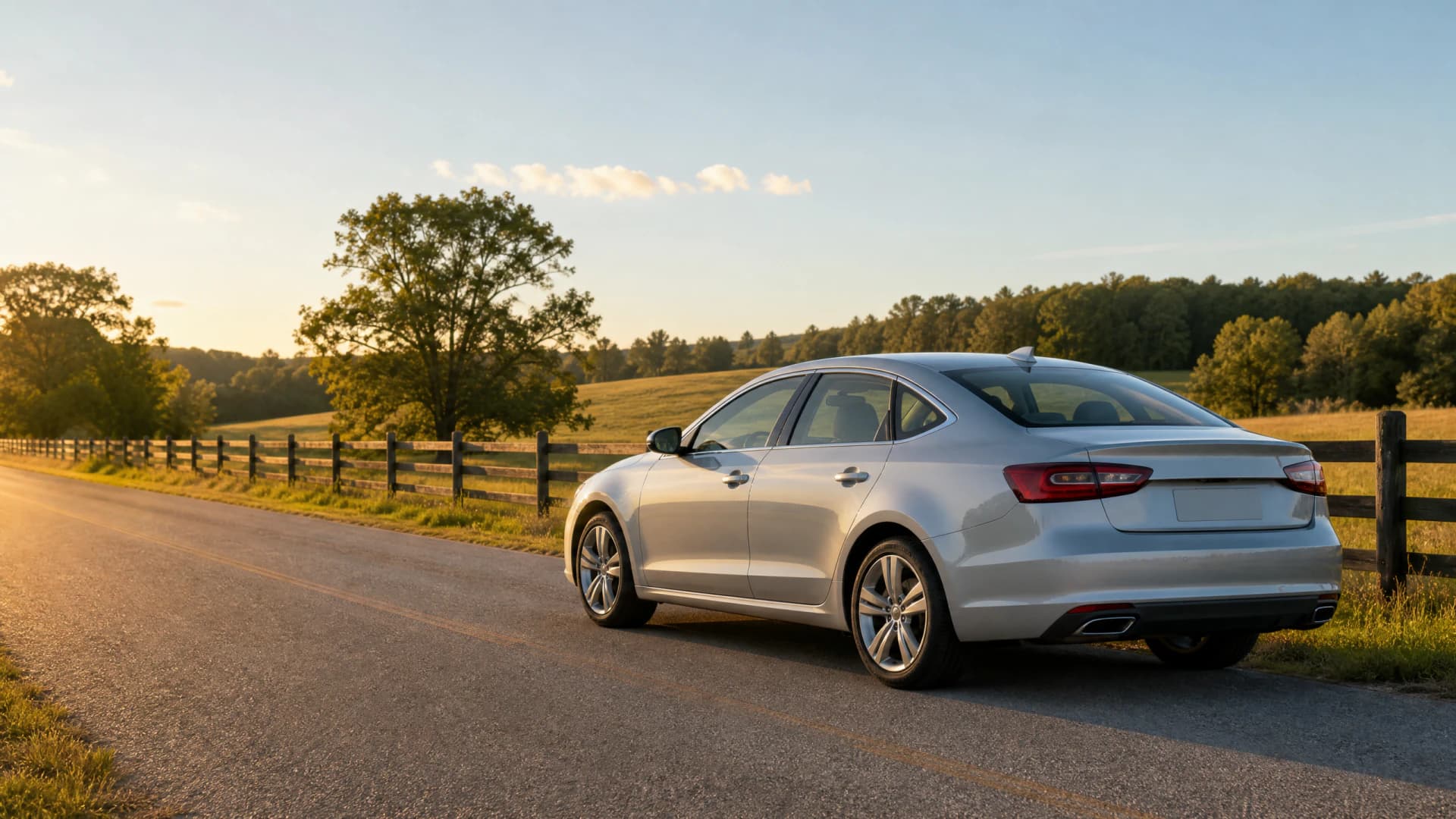

What Happens to Your Pennsylvania Registration When You Winter in Florida
Pennsylvania allows you to maintain vehicle registration there as long as Pennsylvania remains your primary legal residence — defined by where you file taxes, vote, and hold your driver's license. You can spend up to 182 days per year in Florida without triggering Florida residency. Your auto insurance policy must list the state where your vehicle is primarily garaged, which creates the common problem: your legal residence is Pennsylvania, but your vehicle spends half the year in Florida.
Most carriers allow you to update your garaging address seasonally without changing your registration state. You notify your carrier in October that your vehicle will be garaged in Cape Coral from November through April, and again in April that it's returning to Pittsburgh. Your policy remains a Pennsylvania policy, but your rate may adjust based on the Florida garaging period. Some carriers average the risk across both locations; others charge the higher of the two rates year-round.
If you cross the 183-day threshold in Florida, the state considers you a resident and requires Florida registration within 10 days. You must surrender your Pennsylvania plates, obtain a Florida driver's license, register the vehicle with the Lee County Tax Collector, and switch to a Florida insurance policy. Maintaining a Pennsylvania registration while residing in Florida more than 182 days per year is a second-degree misdemeanor and voids your insurance coverage.

Get Covered in Both of Your Home States
Compare Snowbird Auto Insurance RatesWhich Carriers Write Policies That Cover Two-State Snowbird Situations
Not all carriers handle snowbird arrangements the same way. State Farm, GEICO, Progressive, and Nationwide allow seasonal garaging address changes under a single policy, provided your legal residence and registration remain in one state. You update your garaging address twice per year, and your rate adjusts accordingly. Some carriers average your premium across both states; others charge based on the higher-risk state for the full year.
USAA, if you're eligible, offers one of the cleanest snowbird solutions: a single policy that lists both addresses and calculates your rate as a blended average based on the time spent in each location. Travelers and Allstate offer similar multi-location endorsements, though availability varies by state and underwriting rules. Erie, Auto-Owners, and some regional carriers do not offer seasonal address flexibility and require you to choose one primary garaging state for the full policy term.
If you've established legal residency in Florida and need a Florida policy, avoid carriers that impose steep surcharges on drivers over 75 without offering offsetting mature driver discounts. Florida law does not require carriers to offer age-based discounts, and some carriers price drivers over 80 as high-risk regardless of driving history. Compare quotes from at least three carriers and ask specifically whether they offer a mature driver discount and what the re-certification requirements are.
Do You Need Full Coverage or Just Liability in Both States?
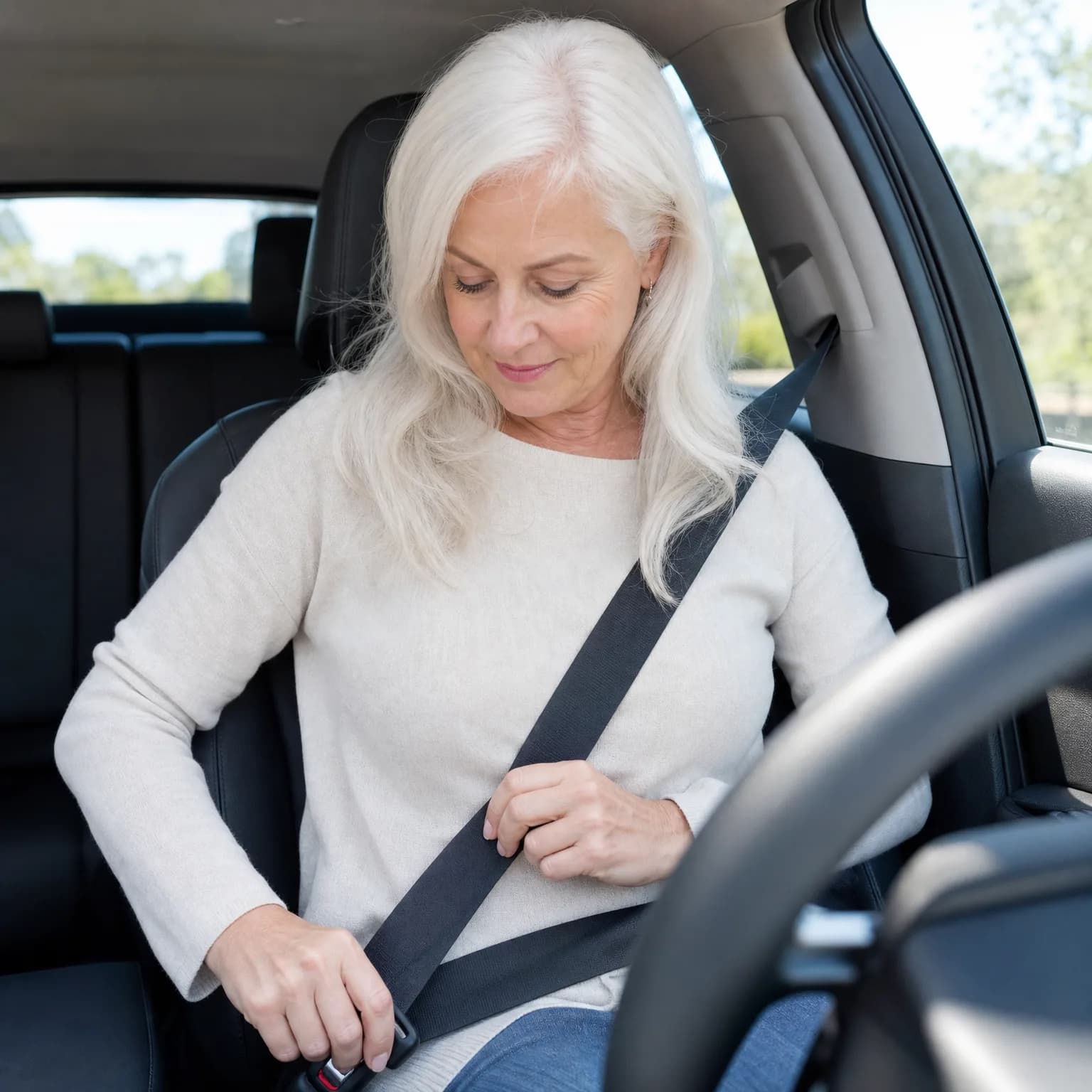
If your vehicle is paid off and worth less than $5,000, dropping collision and comprehensive coverage reduces your premium by 40–50% in most cases. Pennsylvania requires liability minimums of $15,000 per person, $30,000 per accident for bodily injury, and $5,000 for property damage. Florida requires $10,000 in personal injury protection (PIP) and $10,000 in property damage liability, but does not require bodily injury liability unless you've had certain violations. Most senior drivers should carry bodily injury liability in Florida even though it's not required — a serious at-fault accident without it can result in license suspension and asset exposure.
If you're financing or leasing the vehicle, your lender requires collision and comprehensive regardless of the vehicle's value. If the vehicle is owned outright, the decision depends on whether you can afford to replace it out of pocket. A $12,000 vehicle with a $1,000 deductible costs roughly $600–$900/year in collision and comprehensive premiums in Florida; the same coverage in Pennsylvania runs $450–$700/year.
Many snowbirds over-insure because they've carried the same coverage for decades. If you drive fewer than 7,500 miles per year — common for retirees splitting time between two homes — ask your carrier about low-mileage discounts. GEICO, Progressive, and Nationwide offer usage-based programs that reduce your rate by 10–30% if your annual mileage falls below their threshold, typically verified through a mobile app or plug-in device.

How to Handle the Drive Between Pittsburgh and Cape Coral
The drive from Pittsburgh to Cape Coral is roughly 1,150 miles and takes 17–19 hours of driving time, typically split over two days. Your auto insurance covers you in all 50 states regardless of where your policy is written, so you're covered in North Carolina, South Carolina, and Georgia during the drive. The risk is a lapse in coverage during the transition — if your Pennsylvania policy cancels because you've moved to Florida but your Florida policy hasn't started yet, you're uninsured on the road.
Schedule your Florida policy effective date to overlap your Pennsylvania policy by at least one day if you're switching policies entirely. If you're updating your garaging address under the same policy, confirm with your carrier that the change is processed before you leave. Most carriers allow you to update your address online or by phone with immediate effect, but some require 24–48 hours to process the change.
If you're driving through a state with higher liability limits than Pennsylvania or Florida requires, you're not required to increase your coverage temporarily. Your policy meets the minimum requirements in every state. However, if you cause an at-fault accident in a state with higher typical settlement values — like Georgia or the Carolinas — and you're carrying only Pennsylvania's $15,000 per person limit, you may face personal asset exposure. Consider increasing your liability limits to at least $100,000/$300,000 if you make this drive twice per year.
Frequently Asked Questions
Can I keep my Pennsylvania car insurance if I spend 5 months in Florida?
Yes, if you spend fewer than 183 days per year in Florida and maintain Pennsylvania as your legal residence. You must update your garaging address with your carrier to reflect the seasonal change, but your policy can remain a Pennsylvania policy. Most carriers allow this with a seasonal address update.
Do I need Florida car insurance if I own a home there but live in Pennsylvania most of the year?
Only if you spend more than 182 days per year in Florida or register your vehicle there. Owning property in Florida does not by itself trigger a requirement to carry Florida auto insurance. Your insurance follows where your vehicle is primarily garaged and where you maintain legal residency.
Will my car insurance rates go up if I add a Florida address?
Likely yes. Florida has higher average auto insurance rates than Pennsylvania due to no-fault PIP requirements and higher uninsured motorist rates. Your carrier will adjust your rate based on the time your vehicle spends garaged in Florida, either by averaging both locations or charging the higher rate year-round.
What is the penalty for not switching to Florida insurance after 6 months?
If you spend more than 183 days in Florida and fail to register your vehicle and obtain Florida insurance, Florida treats it as operating an uninsured vehicle. Penalties include license suspension, a $150 reinstatement fee, and a requirement to file proof of insurance (SR-22 equivalent). Your carrier can also deny claims for material misrepresentation.
Related Articles

Pittsburgh to Cape Coral Snowbird Auto Coverage Review
4/26/2026

Pittsburgh to Cape Coral Insurance Cost for Snowbirds
4/26/2026

Pittsburgh to Cape Coral: When to Switch Auto Insurance
4/26/2026

Split vs Full FL Residency: Snowbird Insurance Guide
4/26/2026
Pittsburgh to The Villages FL Snowbird Auto Insurance
4/26/2026

Philly to Boca Raton Snowbird Insurance: PA vs FL at 75+
4/26/2026