
Should You Move from Fairfield County to Palm Beach? Real Insurance Math
Free to compare
What Actually Triggers a Required Registration Change in Florida
You must register your vehicle in Florida within 10 days of accepting employment, enrolling children in public school, or filing for homestead exemption on a Florida property. Simply owning a second home in Palm Beach County does not trigger mandatory registration if you maintain your Connecticut primary residence and spend fewer than 183 days per year in Florida.
The 183-day threshold is the residency test Florida uses for income tax purposes, and it indirectly governs insurance and registration enforcement. If you claim Florida residency for tax benefits, you must register and insure there. If you maintain Connecticut as your domicile and spend winters in Palm Beach without claiming homestead exemption, you can legally keep your Connecticut registration and insurance.
Most snowbirds get caught because they file for homestead exemption to reduce Florida property taxes without realizing it immediately triggers a vehicle registration requirement. Florida DMV cross-references homestead filings with vehicle registrations, and the mismatch generates a compliance notice within 60–90 days.

How Your Premium Changes When You Switch from Connecticut to Florida Registration
Florida auto insurance costs 40–60% more than Connecticut for the same driver and vehicle because Florida is a no-fault state with higher medical coverage requirements and one of the highest uninsured driver rates in the country. A 70-year-old driver with a clean record paying $160/mo in Fairfield County will typically see rates between $220–$280/mo in Palm Beach County for equivalent coverage.
Florida requires $10,000 personal injury protection and $10,000 property damage liability as minimum coverage, but those minimums are functionally useless if you cause a serious accident. Most carriers in Florida recommend $100,000/$300,000 liability minimums, which increases premiums another $30–$50/mo over bare-minimum policies. Connecticut requires $25,000/$50,000 liability, which is still low but provides better baseline protection.
Palm Beach County specifically runs 15–20% higher than the Florida state average because of high vehicle theft rates in coastal areas and elevated hurricane risk. If you register in a less expensive Florida county like Sumter or Citrus, you'll save $20–$40/mo compared to Palm Beach while still maintaining Florida residency for tax purposes.
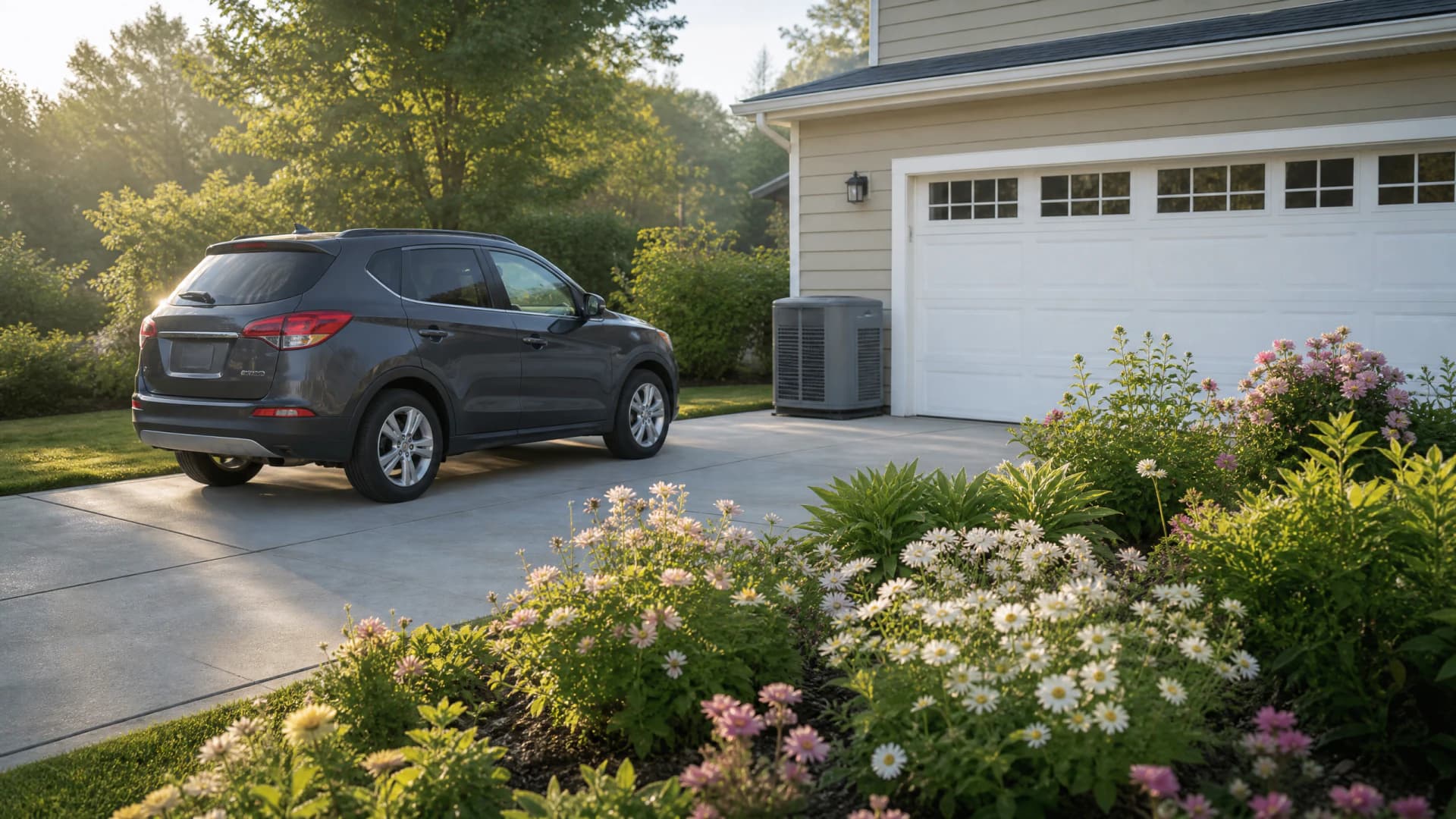

What Happens to Your Coverage If You Keep Connecticut Insurance and Spend Winters in Florida
Your Connecticut policy covers you while driving in Florida as long as you maintain Connecticut as your primary residence and do not exceed 183 days per year in Florida. This is the cleanest option for snowbirds who genuinely split time between two states and have not filed for Florida homestead exemption.
You must notify your Connecticut carrier that you spend extended time in Florida and provide your Palm Beach address as a secondary garaging location. Some carriers apply a small surcharge for multi-state garaging, typically $10–$20/mo, but most do not change your base rate as long as Connecticut remains your primary address. Failure to disclose the Florida address creates a material misrepresentation issue that can void your collision and comprehensive coverage if you file a claim while the vehicle is parked in Palm Beach.
The failure mode most snowbirds miss: if you have an at-fault accident in Florida and the carrier investigates your residency status during the claim, they will review your utility bills, voter registration, and homestead filings. If those records show you've been a Florida resident for tax purposes while maintaining a Connecticut insurance policy, the carrier can deny the claim and rescind your policy retroactively. You are then personally liable for the full cost of the accident, and you must file an SR-22 in whichever state you ultimately register.
How Florida's No-Fault System Changes What Your Policy Actually Pays
Florida is a no-fault state, which means your own personal injury protection coverage pays your medical bills after an accident regardless of who caused it. Connecticut is an at-fault state, so you file a claim against the other driver's liability insurance if they caused the accident. This is not just a procedural difference — it changes your out-of-pocket costs if you're injured.
Florida PIP pays 80% of medical expenses up to your policy limit, typically $10,000. You pay the remaining 20% out of pocket unless you have supplemental health insurance that covers accident-related bills. Connecticut has no PIP requirement, so your health insurance pays your medical bills and you can pursue the at-fault driver's liability coverage for costs your health plan doesn't cover. For seniors on Medicare, this distinction matters: Medicare does not coordinate well with PIP, and you may face higher out-of-pocket costs in Florida than Connecticut for the same injury.
Florida's no-fault system also limits your ability to sue for pain and suffering unless your injuries meet a serious injury threshold defined by state law. Connecticut allows lawsuits for any injury caused by negligence. If you're rear-ended in Palm Beach and suffer a herniated disc that does not require surgery, you cannot sue the other driver in Florida even if they were entirely at fault. The same accident in Fairfield County allows a full tort claim.

Get Covered in Both of Your Home States
Compare Snowbird Auto Insurance Rates
What It Costs to Maintain Two Policies in Two States Simultaneously
Maintaining two separate policies — one in Connecticut and one in Florida — is rarely cheaper than switching fully to one state, but it is the correct structure if you own vehicles in both locations year-round. You register one vehicle in Connecticut, insure it there, and drive it only while at your northern home. You register a second vehicle in Florida, insure it there, and drive it only during winter months.
This structure costs $3,000–$4,500/year for two policies covering two vehicles with standard liability and comprehensive coverage. A single Connecticut policy covering both vehicles costs $2,200–$2,800/year. The dual-policy structure makes sense only if you genuinely need a vehicle in both states and cannot transport one vehicle seasonally, or if you want to establish Florida residency gradually without losing your Connecticut coverage immediately.
Some carriers offer snowbird endorsements that extend your Connecticut policy to cover a Florida-garaged vehicle for up to six months per year without requiring a separate Florida policy. This costs $200–$400 annually and avoids the dual-policy expense, but it requires that Connecticut remain your primary residence and you do not file for Florida homestead exemption. Ask your carrier specifically whether they offer this option before assuming you need two full policies.

Which Carriers Write Snowbird Policies Cleanly and Which Create Problems
State Farm, Allstate, and Nationwide write snowbird-friendly policies that allow you to maintain northern-state registration and insurance while disclosing a southern winter address without premium surcharges. These carriers underwrite based on your primary residence and treat the winter address as a secondary garaging location as long as you spend fewer than 183 days there.
Progressive and GEICO are more restrictive. Both carriers require you to register and insure in the state where the vehicle is garaged for more than six months per year, and both will non-renew your policy if they determine during a claim investigation that you misrepresented your primary garaging location. If you genuinely split time 50/50 between Connecticut and Florida, these carriers will push you to register in Florida because their underwriting systems flag extended out-of-state garaging as high risk.
USAA is the cleanest option for snowbirds with military affiliation because USAA allows you to maintain your original state of legal residence regardless of where you physically spend time, as long as you have not filed for homestead exemption in another state. This is the same benefit active-duty military members receive, and it extends to retired military households. If you qualify for USAA, you can keep Connecticut registration and rates while spending up to 11 months per year in Florida without triggering a required policy change.
How to Structure the Move If You Decide to Make Florida Your Primary Residence
File for homestead exemption on your Florida property first — this locks in your property tax savings and starts the clock on the 10-day vehicle registration window. Register your vehicle at a Florida DMV office within that 10-day period and surrender your Connecticut plates. Contact your Connecticut insurance carrier and request a policy transfer to Florida, or shop Florida carriers if your current carrier cannot write in Florida.
Expect your premium to increase 40–60% immediately when the Florida policy takes effect. Request mature driver discounts, low-mileage discounts if you drive fewer than 7,500 miles per year, and any available homeowner bundling discounts to offset part of the increase. Florida requires completion of a state-approved mature driver improvement course to qualify for the mature driver discount, but the discount typically saves $150–$300/year and renews every three years after you retake the course.
Cancel your Connecticut policy only after your Florida policy is active and you have proof of coverage. If you cancel Connecticut coverage before Florida coverage starts, you create a lapse that increases your Florida premium by 20–40% for the first year and requires you to file proof of financial responsibility with the Florida DMV. Never allow a coverage gap when switching states, even for one day.
Frequently Asked Questions
Can I keep my Connecticut car insurance if I spend six months in Florida?
Yes, if you maintain Connecticut as your primary residence, do not file for Florida homestead exemption, and notify your carrier that you garage the vehicle in Florida for part of the year. Most carriers allow this without changing your base rate as long as Connecticut remains your legal domicile.
How much more does car insurance cost in Palm Beach County compared to Fairfield County?
Palm Beach County auto insurance costs 40–60% more than Fairfield County for the same driver and coverage because Florida is a no-fault state with higher uninsured driver rates and elevated hurricane risk. A senior driver paying $160/mo in Connecticut will typically see $220–$280/mo in Palm Beach.
What happens if I file for homestead exemption in Florida but keep my Connecticut insurance?
Filing for Florida homestead exemption triggers a mandatory vehicle registration requirement within 10 days. If you keep Connecticut insurance after establishing Florida residency, your carrier can deny claims and rescind your policy retroactively for material misrepresentation of your primary garaging location.
Do I need two separate car insurance policies if I own homes in Connecticut and Florida?
Only if you own vehicles in both states year-round. If you transport one vehicle seasonally, you need only one policy in your primary residence state with your winter address disclosed as a secondary garaging location. Some carriers offer snowbird endorsements that extend northern coverage to a Florida-garaged vehicle for six months without requiring a separate policy.
Which car insurance companies are best for snowbirds who split time between two states?
State Farm, Allstate, and Nationwide write snowbird-friendly policies that allow northern-state registration with disclosed southern garaging without premium surcharges. USAA is the cleanest option for military-affiliated households because it allows you to maintain your original state of legal residence regardless of physical location.
Related Articles

Fairfield County to Palm Beach Auto Insurance Guide
4/26/2026

CT to Palm Beach FL: Insurance When Selling Your Home
4/26/2026

Fairfield County to Palm Beach: Snowbird Auto Policy Timing
4/26/2026

When NOT to Move to FL from Fairfield County CT
4/26/2026

Fairfield County to Palm Beach FL Snowbird Coverage
4/26/2026

Split vs Full FL Residency: Snowbird Insurance Guide
4/26/2026