
Hartford to Hilton Head: The Insurance Math Snowbirds Miss
Free to compare
Why Your Connecticut Rate Disappears When You Cross Into South Carolina
Your current Hartford auto insurance premium is priced for Connecticut's fault system, repair costs, and claims environment. South Carolina operates under different liability rules, has lower average repair costs, and dramatically different uninsured motorist rates — 12.5% uninsured in South Carolina versus 8.2% in Connecticut as of recent state data. Your carrier reprices your entire policy when your garaging address changes, even if you're the same driver with the same car and the same clean record.
Most carriers classify a permanent move differently than a seasonal stay. If you register your vehicle in South Carolina and update your policy address, you're applying for a new policy under South Carolina rating rules. If you maintain Connecticut registration but spend 6+ months in Hilton Head, you may violate your policy's garaging address clause without realizing it. The policy says your vehicle must be garaged at the address listed on your declarations page — and "garaged" means where it's parked overnight most of the year.
The rate difference runs both directions depending on your profile. South Carolina premiums for drivers over 65 with clean records average $950–$1,350 annually for full coverage, compared to Connecticut's $1,200–$1,750 range for the same driver. But if you have a minor violation or live in a higher-cost South Carolina county, the gap narrows or reverses. You need a quote with your actual Hilton Head ZIP code and your actual driving record — not an estimate based on state averages.

The 183-Day Rule South Carolina Actually Enforces
South Carolina requires you to register your vehicle in-state within 45 days of establishing residency. Residency is defined as living in South Carolina for more than 183 days in a calendar year — not a rolling 12-month period, but January through December. If you arrive in November and stay through April, you're under the threshold. If you arrive in October and stay through May, you've crossed it.
South Carolina DMV cross-references property tax records, voter registration, and driver's license addresses to identify residents who haven't registered their vehicles. The fine for operating an unregistered vehicle is $100–$200, but the bigger risk is a coverage denial. If you file a claim while your vehicle is improperly registered, your carrier can argue you misrepresented your garaging location and void your policy retroactively.
You can maintain vehicles registered in both states if you genuinely split time and own property in both locations. The test is where each vehicle is physically garaged most of the year. If your car spends November through April in Hilton Head and May through October in Hartford, it should be registered and insured in South Carolina. If you drive a second vehicle that stays in Connecticut year-round, that one remains on your Connecticut policy.
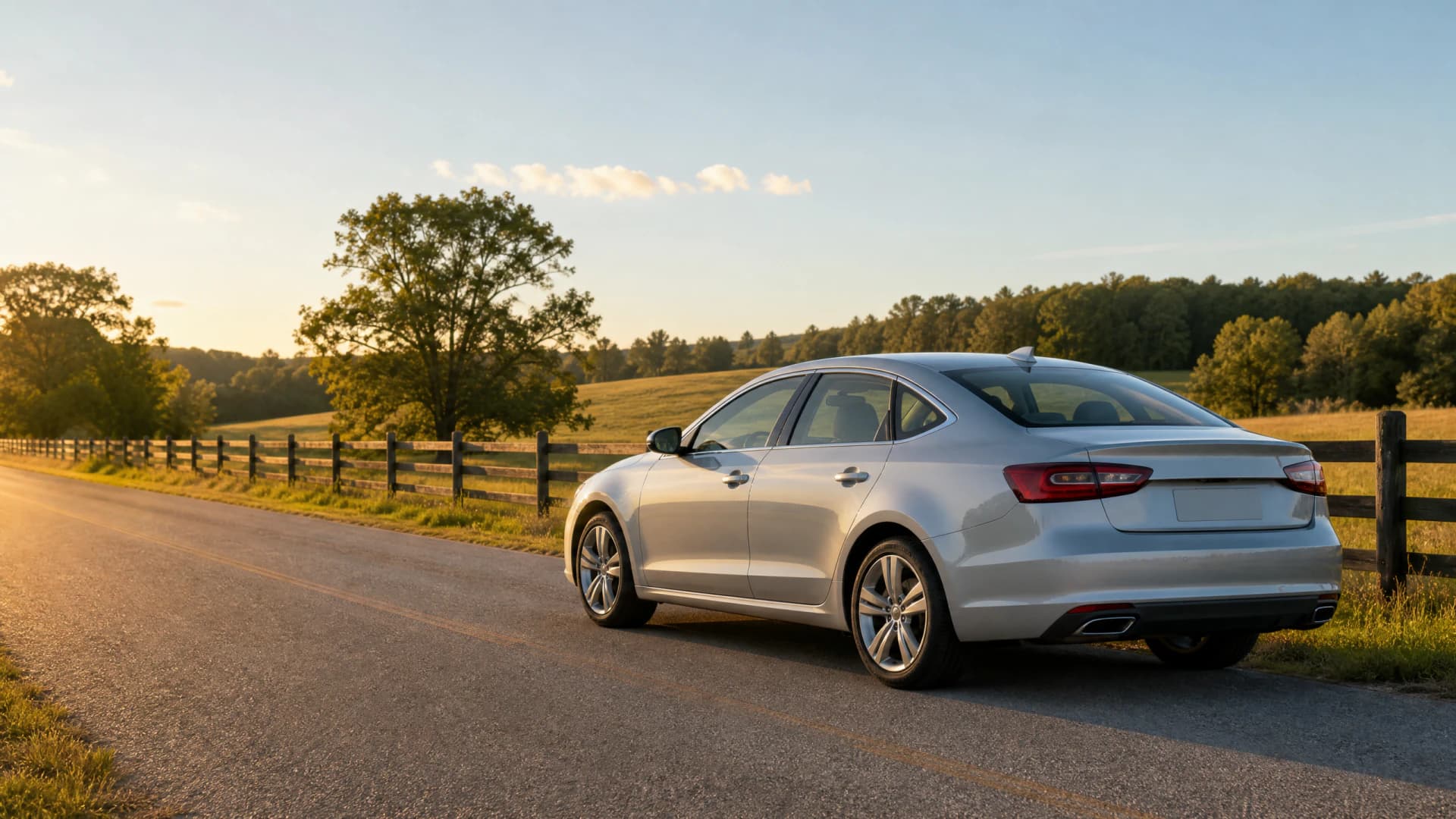

What Actually Happens to Your Premium When You Move Coverage to South Carolina
South Carolina uses your Hilton Head ZIP code, your age, and your vehicle to determine your base rate. Beaufort County, where Hilton Head is located, has lower theft rates than Hartford County but higher hurricane risk. Carriers price comprehensive coverage higher in coastal South Carolina — expect $150–$250 annually for comprehensive on a standard sedan, compared to $100–$180 in Hartford.
Liability coverage costs less in South Carolina for most senior drivers. South Carolina's minimum required liability limits are 25/50/25 — $25,000 per person for bodily injury, $50,000 per accident, and $25,000 for property damage. Connecticut requires 25/50/25 as well, but Connecticut's higher average claim costs push liability premiums 15–25% higher for the same coverage. If you carry 100/300/100 limits, the gap narrows because serious claims cost roughly the same regardless of state.
Uninsured motorist coverage becomes more important in South Carolina. The state's 12.5% uninsured driver rate is 50% higher than Connecticut's. Carriers know this and price UM coverage accordingly — budget $120–$200 annually for uninsured motorist bodily injury coverage at 100/300 limits, compared to $80–$140 in Connecticut. Some carriers require you to reject UM coverage in writing; others include it automatically unless you opt out.
How to Handle the Transition Without a Coverage Gap
Call your current Connecticut carrier 30–45 days before your planned move and ask whether they write policies in South Carolina. GEICO, State Farm, Progressive, Allstate, and Nationwide all operate in both states and can transfer your policy without a lapse. Regional carriers like Travelers and Liberty Mutual also cover both states but may require you to cancel your Connecticut policy and reapply in South Carolina as a new customer.
If your carrier doesn't operate in South Carolina or quotes you a rate 40%+ higher than competitors, get quotes from South Carolina-based carriers before you cancel your Connecticut policy. Compare the South Carolina quote to your current Connecticut premium plus the cost of maintaining Connecticut registration if you're under the 183-day threshold. For some snowbirds, keeping the car registered in Connecticut and adding seasonal coverage through a separate South Carolina policy costs less than switching entirely.
Request your new South Carolina policy effective date to match the day you cancel your Connecticut policy. Most carriers allow you to backdate a policy up to 3 days if you're transferring from another carrier without a lapse. Do not let your Connecticut policy expire before your South Carolina policy begins — even a single day without coverage can trigger a lapse surcharge that costs you $200–$400 annually for the next three years.

Get Covered in Both of Your Home States
Compare Snowbird Auto Insurance Rates
The Mature Driver Discount You Lose and Gain in the Move
Connecticut requires carriers to offer a mature driver discount to drivers who complete an approved defensive driving course. South Carolina has no such mandate. Some carriers offer mature driver discounts in South Carolina voluntarily, but the discount amount and eligibility requirements vary by carrier. If you're currently receiving a 5–10% mature driver discount in Connecticut, confirm whether your South Carolina carrier offers it before assuming it transfers.
South Carolina does allow insurance premium reductions for drivers over 55 who complete a state-approved defensive driving course, but the reduction applies to your liability premium only — not comprehensive or collision. The reduction typically runs 2–5%, smaller than Connecticut's statewide mandated discount. You must renew the course every three years to maintain eligibility, and not all carriers participate.
AAA and AARP both offer mature driver courses recognized in South Carolina. The course costs $20–$35 and takes 4–6 hours online or in-person. If your South Carolina carrier offers a mature driver discount and you don't currently have the course completion certificate, taking it within 90 days of moving can reduce your first-year premium by $50–$120 depending on your liability limits and carrier.

What South Carolina Requires That Connecticut Doesn't
South Carolina requires uninsured motorist coverage in an amount equal to your liability limits unless you reject it in writing. Connecticut allows you to reject UM coverage without a written waiver. If you currently carry liability-only coverage in Connecticut, your South Carolina policy will automatically include UM unless you actively decline it — and that adds $100–$200 to your annual premium.
South Carolina does not require personal injury protection. Connecticut requires PIP as part of every auto policy unless you reject it in writing and purchase a qualifying health insurance policy instead. If you're currently paying $80–$150 annually for Connecticut PIP, that cost disappears when you move to South Carolina — but your UM coverage cost replaces most of the savings.
South Carolina uses a fault-based claims system. Connecticut operates under a modified comparative fault rule that reduces your recovery if you're partially at fault. South Carolina applies pure comparative fault — you can recover damages even if you're 99% at fault, though your recovery is reduced by your percentage of fault. This doesn't directly affect your premium, but it changes how your carrier handles claims and subrogation.
When Keeping Your Connecticut Policy Actually Makes Sense
If you spend fewer than 183 days per year in South Carolina, you are not a South Carolina resident for registration purposes. You can maintain your Connecticut registration, Connecticut driver's license, and Connecticut auto policy without violating any state or policy requirement. Your carrier may ask where your vehicle is garaged during the winter months — answer honestly and ask whether your policy covers you in South Carolina for extended periods.
Some Connecticut carriers restrict out-of-state coverage to 90 consecutive days. If your policy contains this restriction and you spend November through March in Hilton Head, you exceed it. Read your policy's territorial limits section or call your carrier directly. If your policy restricts coverage, you have three options: switch to a carrier without the restriction, add a separate seasonal South Carolina policy for the months you're there, or change your registration and policy to South Carolina.
Maintaining Connecticut registration costs $120 for a two-year registration renewal plus annual property tax if your town assesses vehicles. South Carolina registration costs $40 biennially with no property tax on vehicles in most counties. If your Connecticut insurance premium is $400+ lower than South Carolina quotes and you're under the 183-day residency threshold, keeping your Connecticut policy and registration saves money even after accounting for the registration fee difference.
Frequently Asked Questions
Can I keep my car registered in Connecticut if I spend winters in South Carolina?
Yes, as long as you spend fewer than 183 days per year in South Carolina. South Carolina defines residency as living in-state more than 183 days in a calendar year, and only residents are required to register their vehicles in South Carolina within 45 days. Check your Connecticut insurance policy for out-of-state coverage limits — some carriers restrict coverage to 90 consecutive days outside your home state.
Will my Connecticut auto insurance cover me while I'm living in South Carolina for the winter?
It depends on your policy's territorial limits and how long you stay. Most policies cover you anywhere in the U.S., but some carriers restrict extended stays outside your garaging state to 90 consecutive days. If you spend November through March in South Carolina, you exceed that limit and risk a coverage denial if you file a claim. Call your carrier and ask specifically about extended seasonal stays.
How much does car insurance cost in Hilton Head for a senior driver?
Full coverage for a driver over 65 with a clean record typically costs $950–$1,350 annually in Beaufort County, where Hilton Head is located. Your actual rate depends on your vehicle, coverage limits, and driving history. Coastal location increases comprehensive coverage costs due to hurricane risk, but liability premiums generally run lower than Connecticut for the same coverage.
Do I need to take a defensive driving course to get a discount in South Carolina?
South Carolina does not require carriers to offer mature driver discounts, but many do voluntarily. Completing a state-approved defensive driving course can reduce your liability premium by 2–5% if your carrier participates. The course costs $20–$35 and must be renewed every three years, and the discount applies only to liability coverage — not comprehensive or collision.
Related Articles

Hartford to Hilton Head Auto Insurance for Snowbirds
4/26/2026

Pittsburgh to Hilton Head: Snowbird Auto Premium Guide
4/26/2026

Hartford to Hilton Head: When to Switch Car Insurance
4/26/2026

Split vs Full SC Residency: Snowbird Insurance Guide
4/26/2026

Hartford to Hilton Head SC Auto Insurance Transition
4/26/2026

Hartford to Hilton Head: Insurance Steps Before Selling
4/26/2026