
Philadelphia to Asheville: Real Auto Insurance Costs for Snowbirds
Free to compare
When Pennsylvania Snowbirds Must Register in North Carolina
You must register your vehicle in North Carolina within 60 days of establishing residency, which the DMV defines as spending more than half the year in the state or registering to vote, getting a NC driver license, or enrolling children in NC schools. Buying property alone doesn't trigger the requirement. Renting for six months does.
The registration trigger catches most Philadelphia-area snowbirds by surprise because it's based on where you actually live, not where you intend to live permanently. If you arrive in Asheville in October and stay through April, you're still a Pennsylvania resident for insurance and registration purposes. If you stay October through May, you've crossed the threshold.
North Carolina requires proof of insurance before registration, and your Pennsylvania carrier may not write policies for NC-registered vehicles. State Farm, Nationwide, and Erie write in both states. GEICO and Progressive do as well but may reprice your policy significantly when you change your garaging address from Philadelphia Metro to Asheville.

How Liability Coverage Limits Change Between States
Pennsylvania requires 15/30/5 liability coverage: $15,000 per person for injury, $30,000 per accident, and $5,000 for property damage. North Carolina requires 30/60/25. Your new NC policy will cost less than your Pennsylvania policy in most cases, but the difference isn't pure savings.
The rate drop reflects Asheville's lower claim frequency and repair costs compared to Philadelphia Metro, not better coverage. If you carried 100/300/100 limits in Pennsylvania — common for drivers over 65 protecting retirement assets — and your new agent quotes you NC's minimum 30/60/25, you've reduced your liability protection by 70% while saving $30 to $50 per month.
Most Philadelphia-area seniors moving to Asheville should maintain 100/300/100 liability regardless of state minimums. The cost difference between minimum and adequate coverage in North Carolina is $15 to $25 per month. The asset protection difference is the value of your home, savings, and retirement accounts.

What Philadelphia to Asheville Rate Changes Actually Look Like
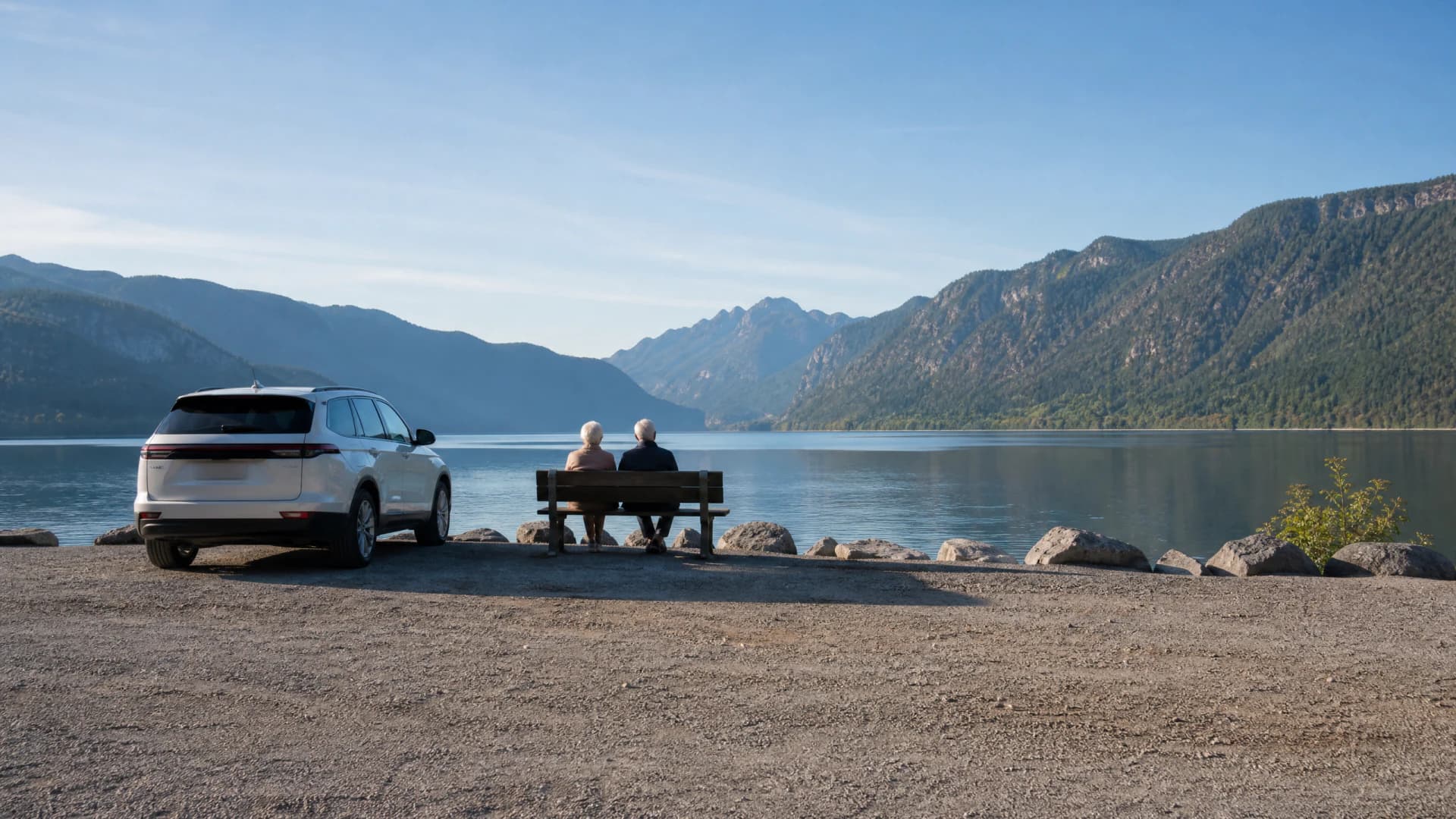
A 68-year-old driver with a clean record paying $95 per month for full coverage in the Philadelphia suburbs typically sees rates drop to $70 to $85 per month in Asheville for equivalent coverage. That's a 10% to 25% decrease, assuming identical coverage limits, deductibles, and the same carrier writing in both states.
The savings come from Asheville's lower population density, fewer uninsured drivers (8% in NC versus 11% in PA), and lower theft rates. Comprehensive claims cost less in Asheville because catalytic converter theft and vandalism rates are lower than Philadelphia Metro averages. Collision claims cost less because traffic density is lower.
Rates increase if you're moving from a Philadelphia ZIP code to Asheville's downtown core. Urban Asheville (28801, 28803) prices closer to suburban Philadelphia than rural Buncombe County. A driver moving from Lansdale to downtown Asheville may see no rate change at all.
How North Carolina Handles Senior Driver Discounts Differently
North Carolina does not mandate mature driver discounts, but most carriers offer them for drivers 55 and older who complete an approved defensive driving course. Pennsylvania mandates a 5% discount for drivers 55+ who complete the course. You must request the discount in both states — it is not applied automatically.
The course requirement is identical: an approved classroom or online defensive driving program, typically 4 to 8 hours, renewed every three years. AARP Smart Driver and AAA Roadwise Driver both qualify in North Carolina and Pennsylvania. The discount applies to liability, collision, and comprehensive coverage and ranges from 5% to 10% depending on carrier.
North Carolina allows carriers to increase rates based on age starting at 65, which Pennsylvania restricts. If you move from Pennsylvania to North Carolina between age 65 and 70, expect your rate to include an age-based increase of 5% to 15% unless offset by the mature driver discount. After age 75, the increase accelerates to 15% to 25% in North Carolina compared to 8% to 12% in Pennsylvania for the same driving record.
Get Covered in Both of Your Home States
Compare Snowbird Auto Insurance Rates
Which Carriers Write Policies for Two-State Snowbirds Cleanly
State Farm, Nationwide, and Erie allow you to maintain a single policy with a primary garaging address in one state and a seasonal address in the other, provided you register the vehicle in your primary state and notify the carrier of your winter location. This works if you spend less than six months in North Carolina and maintain Pennsylvania registration.
GEICO and Progressive require you to update your garaging address when you move between states, which triggers a reprice each time. If you're in Asheville October through April and Pennsylvania May through September, you'll reprice twice per year. Most agents recommend switching to a carrier that allows dual addresses rather than managing two reprices annually.
USAA writes policies for members with two-state situations and allows you to update your address online without triggering a full underwriting review. Travelers and American Family write in both states but require you to register the vehicle in your primary state of residency, which means you must document that you spend more than six months per year in one state or the other.
What Happens If You Keep Pennsylvania Insurance After Moving
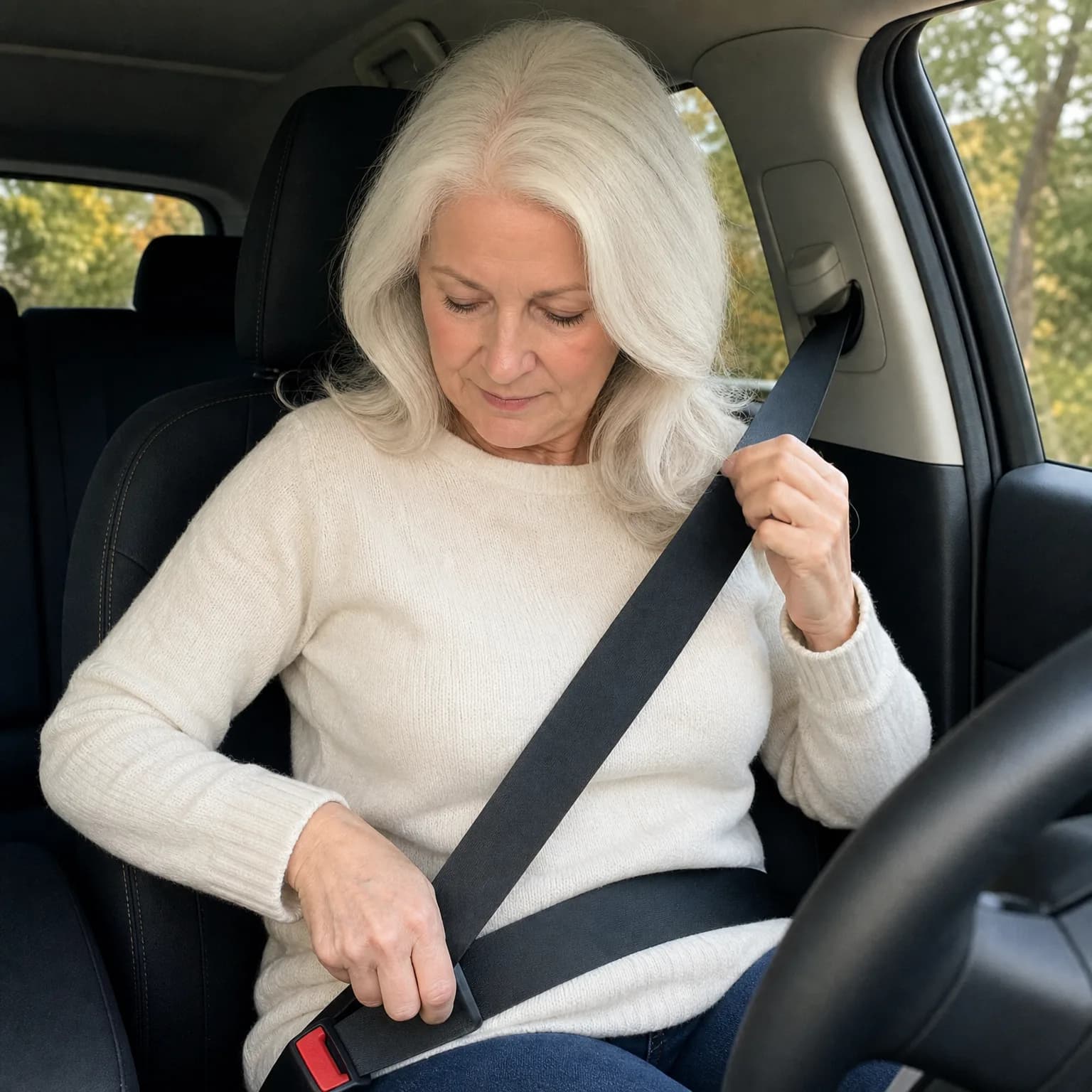
If you register your vehicle in North Carolina but keep your Pennsylvania insurance policy, your carrier may deny claims once they discover the garaging address no longer matches the state of registration. This is the most common coverage gap for snowbirds who assume their existing policy follows them automatically.
North Carolina requires proof of insurance at registration, and the proof must show a NC garaging address if you're registering as a NC resident. Your Pennsylvania insurance card will not satisfy the DMV requirement once you've triggered NC residency. You must update your policy or switch carriers before registering the vehicle.
If you maintain Pennsylvania registration and spend less than six months in North Carolina, your Pennsylvania policy remains valid as long as you notify your carrier of your winter address. Most carriers allow seasonal address changes without repricing the policy, but you must request the change in writing or through your online account. Failing to notify your carrier of a garaging address change — even temporary — can void coverage.
How Uninsured Motorist Coverage Works Between States
Pennsylvania does not require uninsured motorist coverage but offers it as optional protection. North Carolina requires it at the same limits as your liability coverage unless you reject it in writing. If you carried uninsured motorist coverage in Pennsylvania and switch to a NC policy, your coverage will automatically include it at 30/60/25 unless you opt out.
North Carolina's uninsured motorist coverage costs $8 to $15 per month for minimum limits and $20 to $35 per month for 100/300/100 limits. Pennsylvania prices it similarly, but fewer Philadelphia-area drivers carry it because it's optional. Asheville's lower uninsured driver rate means the coverage costs less than in Pennsylvania, but you're more likely to need it in rural areas outside Asheville where enforcement is lighter.
If you split time between states and maintain Pennsylvania registration, add uninsured motorist coverage to your Pennsylvania policy at 100/300/100 limits. It protects you in both states, and the cost difference between minimum and high limits is $10 to $15 per month.
Frequently Asked Questions
Do I need two separate insurance policies if I own homes in Pennsylvania and North Carolina?
No, you need one policy with the garaging address matching where you register the vehicle. If you register in Pennsylvania and spend less than six months in North Carolina, notify your carrier of your winter address and maintain the Pennsylvania policy. If you spend more than six months in North Carolina, you must register there and switch to a NC policy or update your existing policy's garaging address.
How long can I keep my Pennsylvania license plates after moving to Asheville full-time?
North Carolina requires you to register your vehicle within 60 days of establishing residency, defined as spending more than half the year in the state or taking actions like registering to vote or getting a NC driver license. Keeping Pennsylvania plates beyond that window violates NC registration law and may void your insurance coverage if your carrier discovers the mismatch.
Will my auto insurance rate go up or down when I move from Philadelphia to Asheville?
Rates typically drop 10% to 25% for equivalent coverage because Asheville has lower claim frequency and repair costs than Philadelphia Metro. The savings disappear if you reduce your coverage limits when switching policies. Drivers over 70 may see smaller savings or rate increases due to North Carolina's age-based pricing, which is less restricted than Pennsylvania's.
What happens to my senior driver discount when I switch from a Pennsylvania policy to North Carolina?
You must request the mature driver discount again with your new carrier and provide proof of an approved defensive driving course completed within the past three years. North Carolina carriers offer the discount but do not apply it automatically at renewal or when you transfer from another state. The discount is 5% to 10% depending on carrier.
Related Articles

Philadelphia to Asheville Snowbird Auto Insurance (NC/PA)
4/26/2026

Philadelphia to Asheville Insurance at 75, 80, 85
4/26/2026

Philadelphia to Asheville Snowbird Insurance Guide
4/26/2026

When NOT to Move PA to Asheville NC: Insurance Cases
4/26/2026

Split vs Full NC Residency: 5 Factors for Snowbirds
4/26/2026

NYC to Asheville Snowbird Auto Insurance Guide
4/26/2026