
Split vs Full FL Residency: 5 Deciding Factors for Snowbirds
Free to compare
The 183-Day Rule Triggers Registration, But Your Policy Restricts at 90
Florida law requires you to register your vehicle in-state once you've lived there more than 183 days in any 12-month period. That's the legal threshold.
Your auto insurance policy, however, typically requires you to notify your carrier and update your garaging address after 90 consecutive days at your Florida address. Miss that notification window and your carrier can deny a claim even if you haven't yet hit the 183-day registration trigger. This gap catches thousands of Columbus-to-The Villages snowbirds every winter.
The contractual 90-day threshold appears in the policy definitions section under "garaging address" or "principal place of residence." Most carriers don't proactively remind you when you cross it. They discover the discrepancy during claim investigation.

Ohio Lets You Keep Registration Active, But Not All Carriers Will Cover It
Ohio doesn't force you to surrender registration when you establish Florida residency. You can legally maintain valid Ohio plates, Ohio registration, and an Ohio driver's license while spending six months in The Villages.
But keeping Ohio registration doesn't mean your Ohio-based policy will cover Florida claims. If you're garaging the vehicle in Florida more than 90 consecutive days, most carriers require either a policy address change to Florida or a formal split-residency endorsement. State Farm, Progressive, and GEICO each handle this differently — some allow address updates mid-term, others require you to rewrite the policy in Florida at renewal, which typically raises your premium 15–25% due to Florida's higher base rates and PIP requirements.
Allstate and Nationwide offer formal snowbird endorsements that cover both states without forcing a full policy transfer. The endorsement costs $40–$80 per six-month term but protects against the coverage gap.


Florida's PIP Requirement Adds $200–$400 Annually If You Switch Policies
Ohio doesn't require Personal Injury Protection. Florida mandates $10,000 PIP on every policy, regardless of your health insurance coverage.
If you switch from an Ohio policy to a Florida policy to match your new garaging address, you'll pay for PIP coverage you never needed in Ohio. For drivers over 65, PIP premiums in Sumter County range from $200–$400 annually depending on your deductible election and stacking preferences. That cost appears in addition to Florida's higher liability base rates.
Some carriers let you maintain an Ohio policy with a Florida garaging endorsement, which avoids the PIP requirement. This option is only available if you maintain an occupied residence in Ohio and return there for at least three consecutive months annually. If you've sold your Columbus home and now rent in The Villages year-round, the endorsement option disappears and you must convert to a Florida policy.

Get Covered in Both of Your Home States
Compare Snowbird Auto Insurance RatesVoter Registration and Homestead Exemption Create Insurance Evidence Trails
Applying for Florida homestead exemption or registering to vote in Sumter County establishes documentary evidence of Florida residency. Insurance claim adjusters use these records during disputed claims to determine your actual principal residence.
If your policy lists Columbus as your garaging address but you've claimed Florida homestead exemption, the carrier has grounds to deny coverage for misrepresentation of material fact. This happens most often in total loss claims and liability lawsuits, where the carrier conducts full residency investigation.
The safer sequence: decide your actual principal residence first based on where you spend the majority of the year, then align your voter registration, homestead filing, vehicle registration, and insurance policy to match that single state. Split documentation across two states creates audit risk that surfaces years later during claim review.

Medicare Address Determines Which State's Medical Payments Coverage Applies
Medical Payments coverage on your auto policy coordinates with Medicare based on your address of record with Social Security. If your Medicare records show a Columbus address but you're injured in a Florida accident while garaged there, the claims coordination process slows significantly and can result in unpaid gaps.
Medicare uses your primary residence address to determine regional pricing and provider networks. If that address doesn't match your vehicle garaging location during an accident, both Medicare and your auto carrier may dispute primary payer responsibility. This delays payment to hospitals and rehabilitation providers, who then bill you directly.
Before your first winter in The Villages, confirm your Medicare address matches your intended insurance garaging address. Social Security allows address updates online, but the change takes 30–60 days to reflect in Medicare's coordination of benefits database.
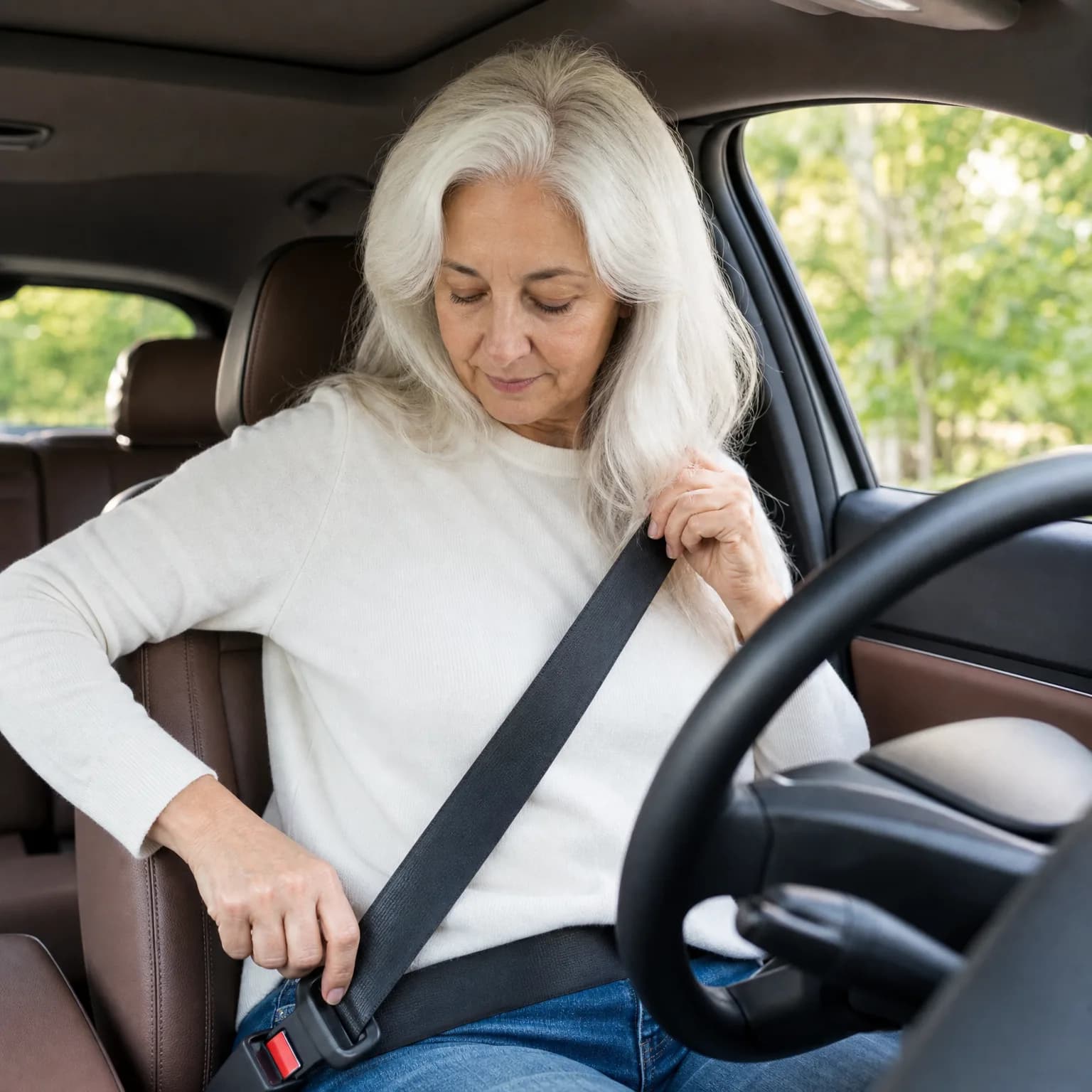
Which State You Choose Determines Your Rate, Not Just Your Coverage
Florida's average auto insurance premium for drivers over 65 runs $1,800–$2,400 annually. Ohio's average for the same driver profile is $1,200–$1,600 annually. The difference stems from Florida's no-fault PIP system, higher uninsured motorist rates, and elevated hurricane-related comprehensive claims.
If you genuinely split time 50/50 between Columbus and The Villages, you have legitimate choice in which state to designate as principal residence for insurance purposes. Choosing Ohio saves $600–$800 annually but requires you to maintain an occupied Ohio residence and return there at least 90 consecutive days per year.
Carriers verify this during underwriting renewal by requesting utility bills, mortgage statements, or lease agreements showing active occupancy at the Ohio address. If you can't document regular Ohio occupancy, the policy must convert to Florida rating. Trying to maintain an Ohio policy while living full-time in Florida constitutes material misrepresentation and voids coverage retroactively if discovered during a claim.
Frequently Asked Questions
Can I keep my Ohio insurance if I spend more than six months in Florida?
No. Most carriers require you to update your garaging address and rewrite the policy in Florida once you exceed 90–183 consecutive days there, depending on your carrier's policy terms. Keeping an Ohio policy while primarily garaged in Florida violates your policy contract and can void coverage during a claim.
Do I need to register my car in Florida if I still own a home in Ohio?
Florida requires registration once you've been in-state more than 183 days in any 12-month period, regardless of Ohio property ownership. Owning property in both states doesn't exempt you from Florida's registration requirement if you meet the 183-day threshold.
Will my rates go up if I switch my policy from Ohio to Florida?
Yes, typically 15–35% higher due to Florida's mandatory PIP coverage, higher uninsured motorist rates, and elevated comprehensive claim costs. The increase varies by carrier, but expect to add $200–$400 annually for PIP alone plus 10–20% on liability premiums.
What happens if I have an accident in Florida but my policy lists Ohio as my address?
Your carrier will investigate your actual garaging location during claim processing. If you've been in Florida longer than your policy allows without updating your address, the carrier can deny the claim for material misrepresentation. This happens most often in total loss and injury liability claims where investigation is standard.
Related Articles

Split vs Full FL Residency: 5 Factors for Snowbirds
4/26/2026

Columbus to The Villages FL: Insurance at 75, 80, 85
4/26/2026

Cleveland to The Villages FL: Snowbird Auto Coverage Guide
4/26/2026

Cleveland to The Villages: Insurance at 75, 80, 85
4/26/2026

Split vs Full FL Residency: 5 Factors for Snowbirds
4/26/2026

Cincinnati to The Villages: When to Switch Auto Insurance
4/26/2026